Thomas Vinai Chittezham, Sadykov Marat R, Chaudhari Sujata S, Jones Joselyn, Endres Jennifer L, Widhelm Todd J, Ahn Jong-Sam, Jawa Randeep S, Zimmerman Matthew C, Bayles Kenneth W
Center for Staphylococcal Research, Department of Pathology and Microbiology, University of Nebraska Medical Center, Omaha, Nebraska, United States of America.
Cellular and Integrative Physiology, University of Nebraska Medical Center, Omaha, Nebraska, United States of America.
PLoS Pathog. 2014 Jun 19;10(6):e1004205. doi: 10.1371/journal.ppat.1004205. eCollection 2014 Jun.
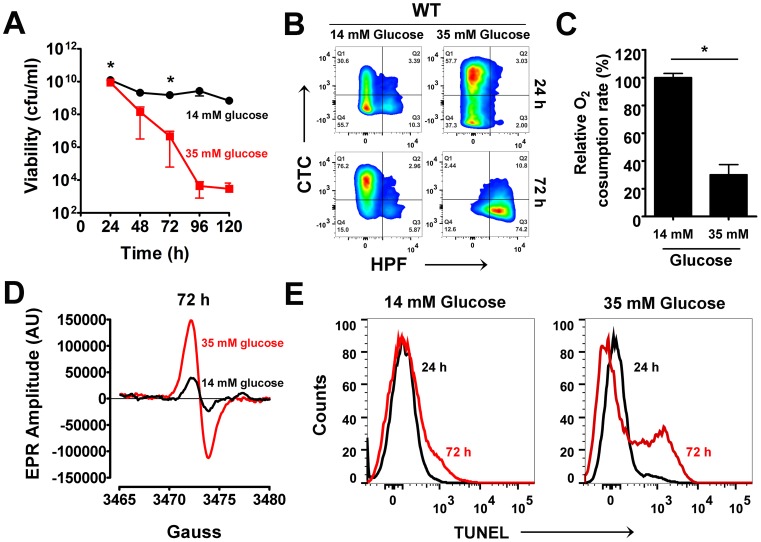
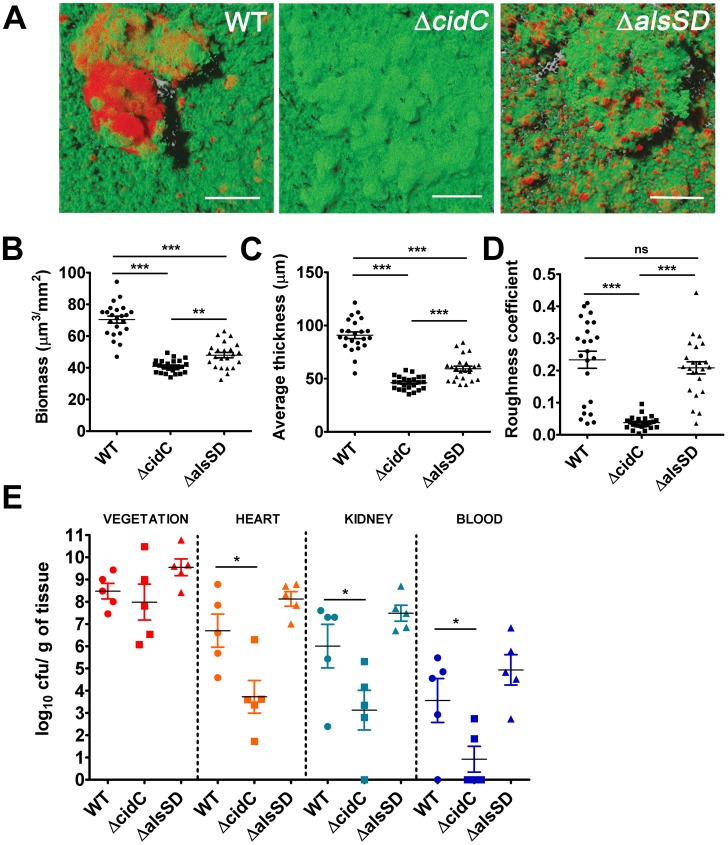
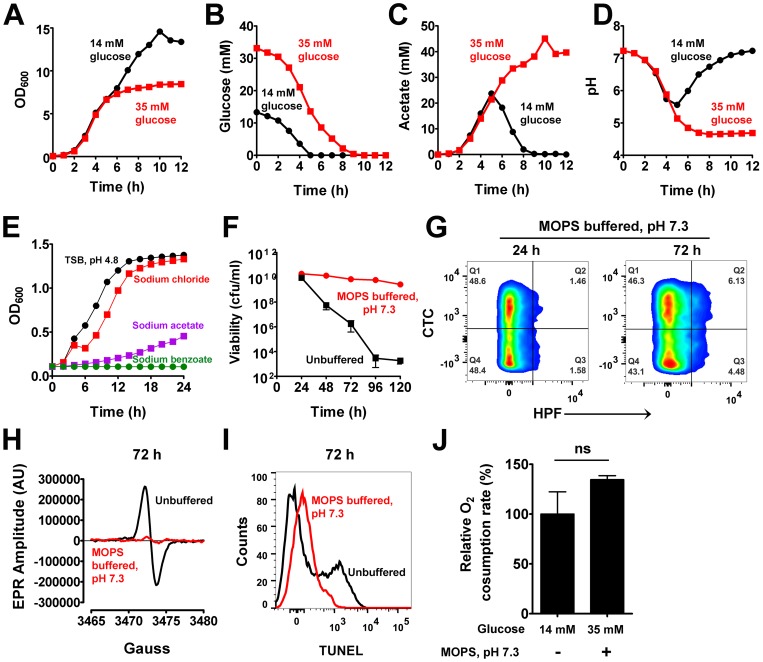
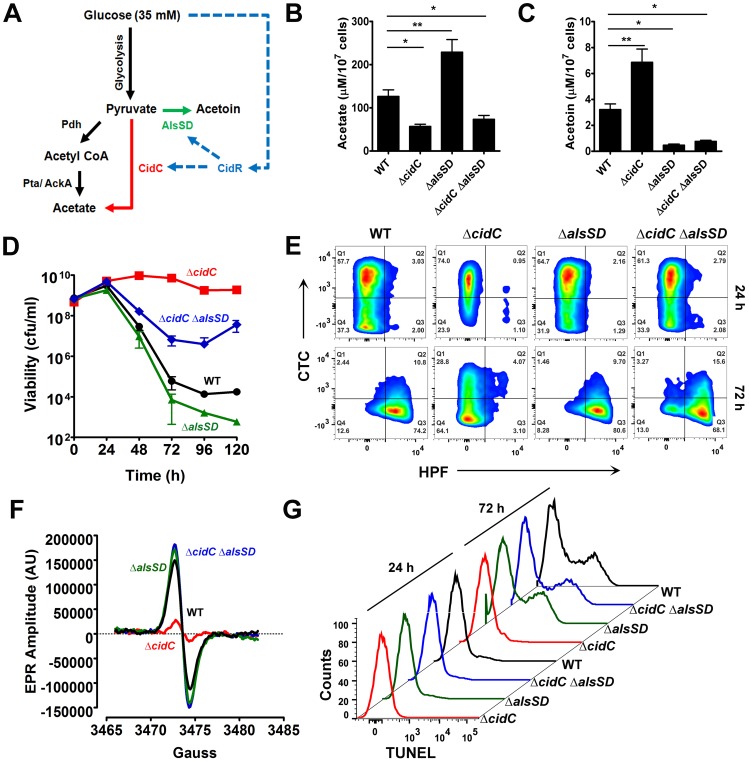
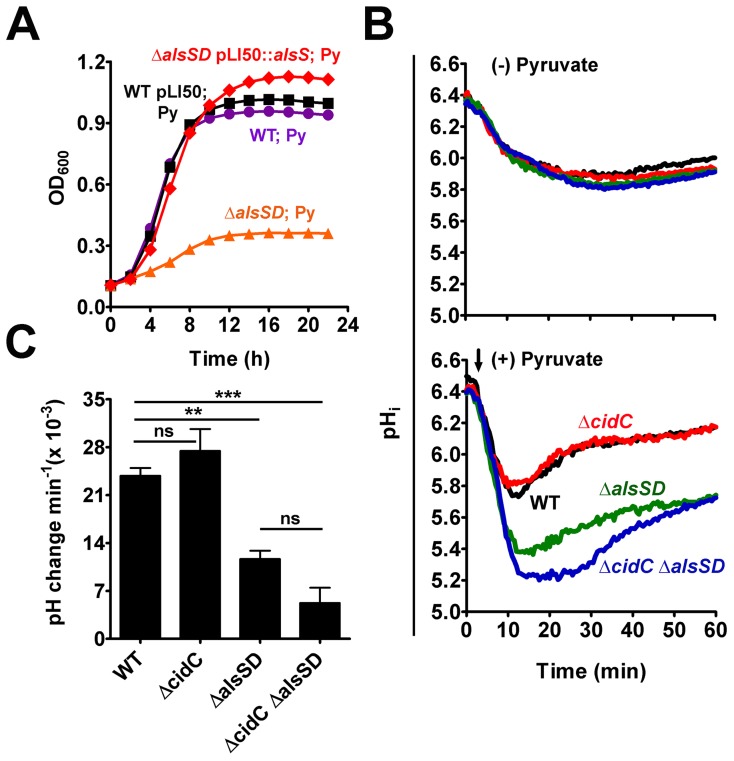
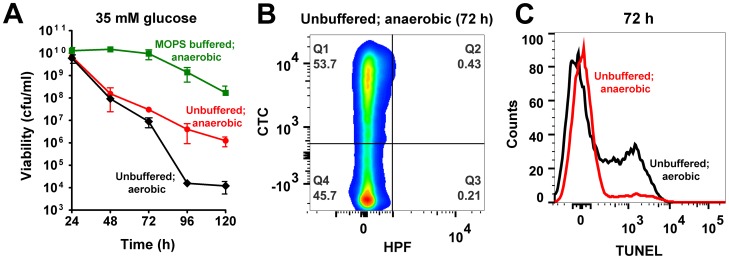
Similar to developmental programs in eukaryotes, the death of a subpopulation of cells is thought to benefit bacterial biofilm development. However mechanisms that mediate a tight control over cell death are not clearly understood at the population level. Here we reveal that CidR dependent pyruvate oxidase (CidC) and α-acetolactate synthase/decarboxylase (AlsSD) overflow metabolic pathways, which are active during staphylococcal biofilm development, modulate cell death to achieve optimal biofilm biomass. Whereas acetate derived from CidC activity potentiates cell death in cells by a mechanism dependent on intracellular acidification and respiratory inhibition, AlsSD activity effectively counters CidC action by diverting carbon flux towards neutral rather than acidic byproducts and consuming intracellular protons in the process. Furthermore, the physiological features that accompany metabolic activation of cell death bears remarkable similarities to hallmarks of eukaryotic programmed cell death, including the generation of reactive oxygen species and DNA damage. Finally, we demonstrate that the metabolic modulation of cell death not only affects biofilm development but also biofilm-dependent disease outcomes. Given the ubiquity of such carbon overflow pathways in diverse bacterial species, we propose that the metabolic control of cell death may be a fundamental feature of prokaryotic development.
与真核生物的发育程序类似,细胞亚群的死亡被认为有利于细菌生物膜的形成。然而,在群体水平上,介导对细胞死亡进行严格控制的机制尚不清楚。在这里,我们揭示了依赖CidR的丙酮酸氧化酶(CidC)和α-乙酰乳酸合酶/脱羧酶(AlsSD)溢流代谢途径,它们在葡萄球菌生物膜形成过程中发挥作用,调节细胞死亡以实现最佳生物膜生物量。源自CidC活性的乙酸盐通过一种依赖于细胞内酸化和呼吸抑制的机制增强细胞死亡,而AlsSD活性通过将碳通量导向中性而非酸性副产物并在此过程中消耗细胞内质子,有效地对抗CidC的作用。此外,伴随细胞死亡代谢激活的生理特征与真核生物程序性细胞死亡的标志具有显著相似性,包括活性氧的产生和DNA损伤。最后,我们证明细胞死亡的代谢调节不仅影响生物膜的形成,还影响生物膜依赖性疾病的结果。鉴于这种碳溢流途径在多种细菌物种中普遍存在,我们提出细胞死亡的代谢控制可能是原核生物发育的一个基本特征。