Department of Anatomy and Cell Biology, Oklahoma State University Center for Health Sciences , Tulsa, OK , USA.
Museum of the Rockies and Department of Earth Sciences, Montana State University , Bozeman, MT , USA.
PeerJ. 2014 Jun 3;2:e422. doi: 10.7717/peerj.422. eCollection 2014.
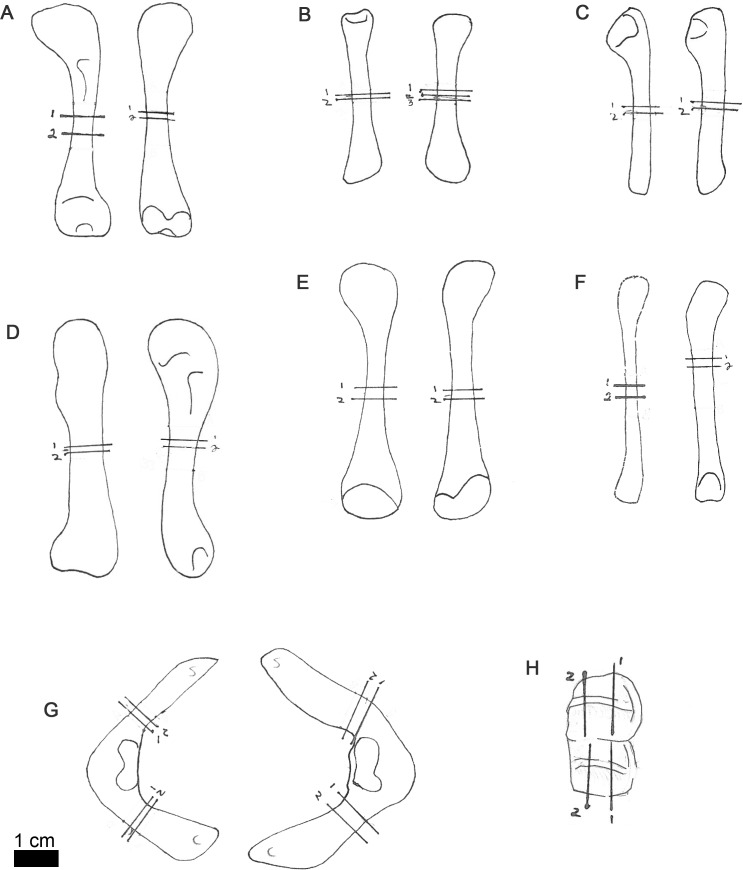
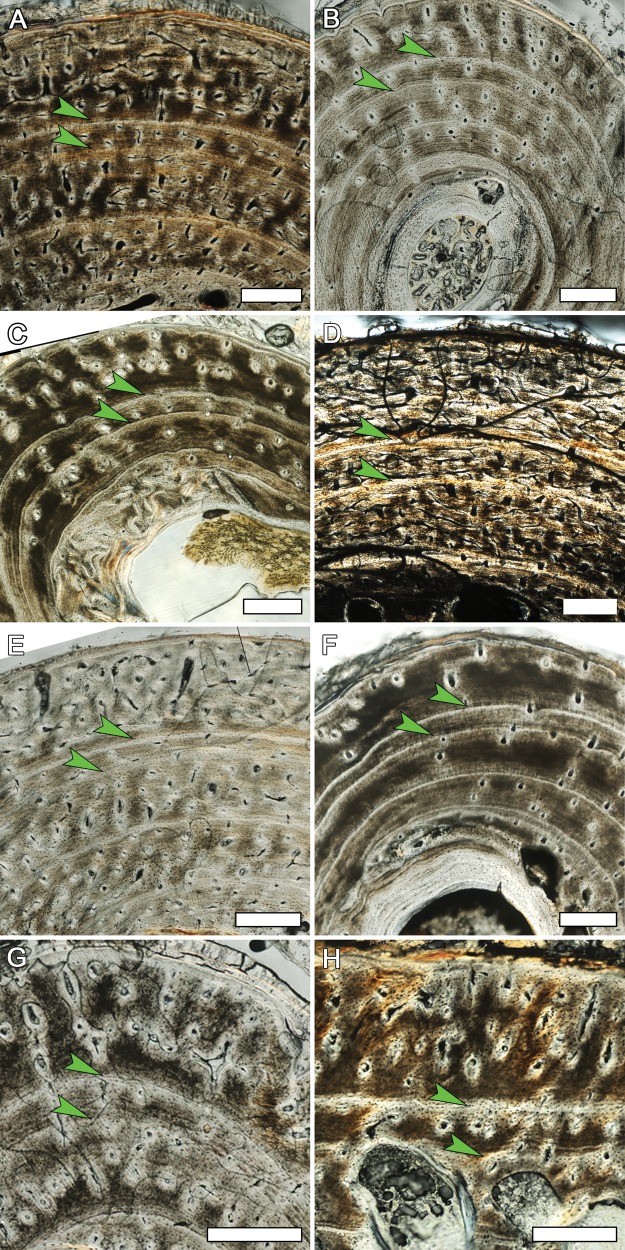
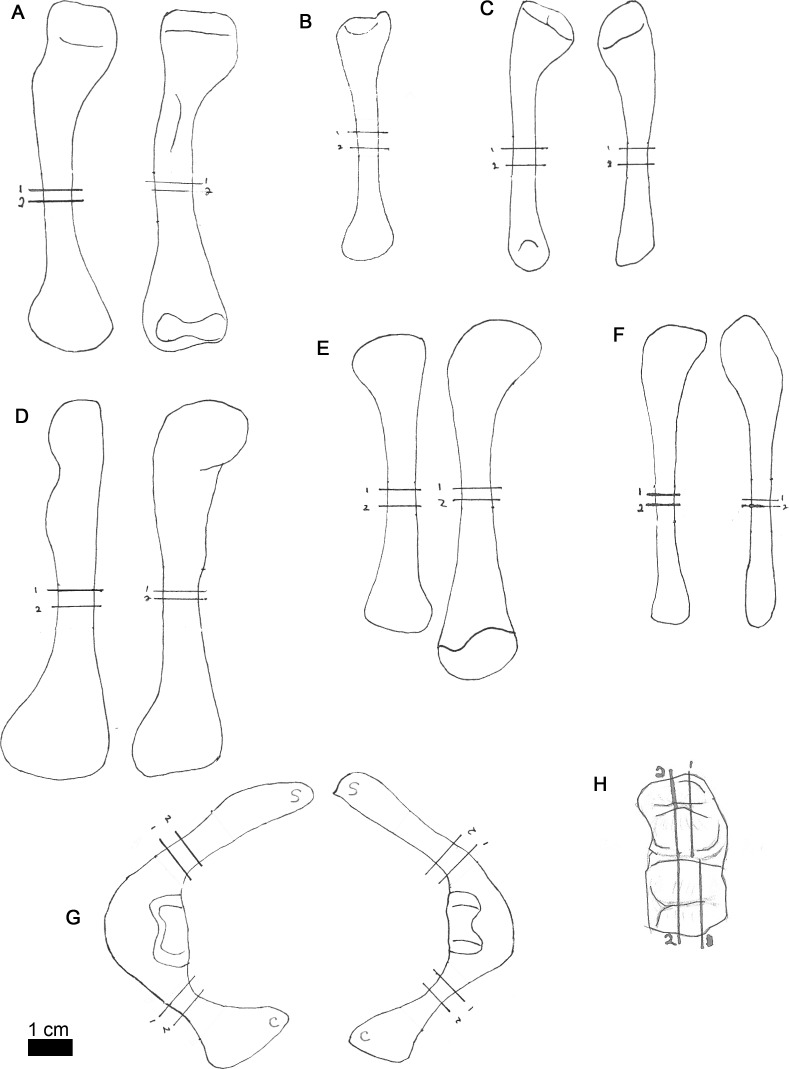
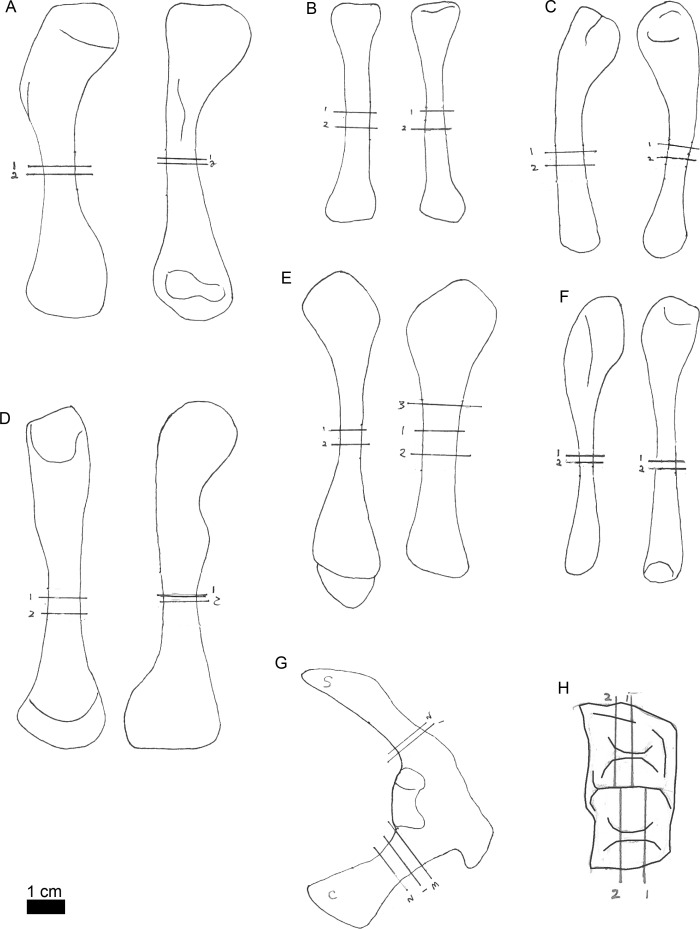
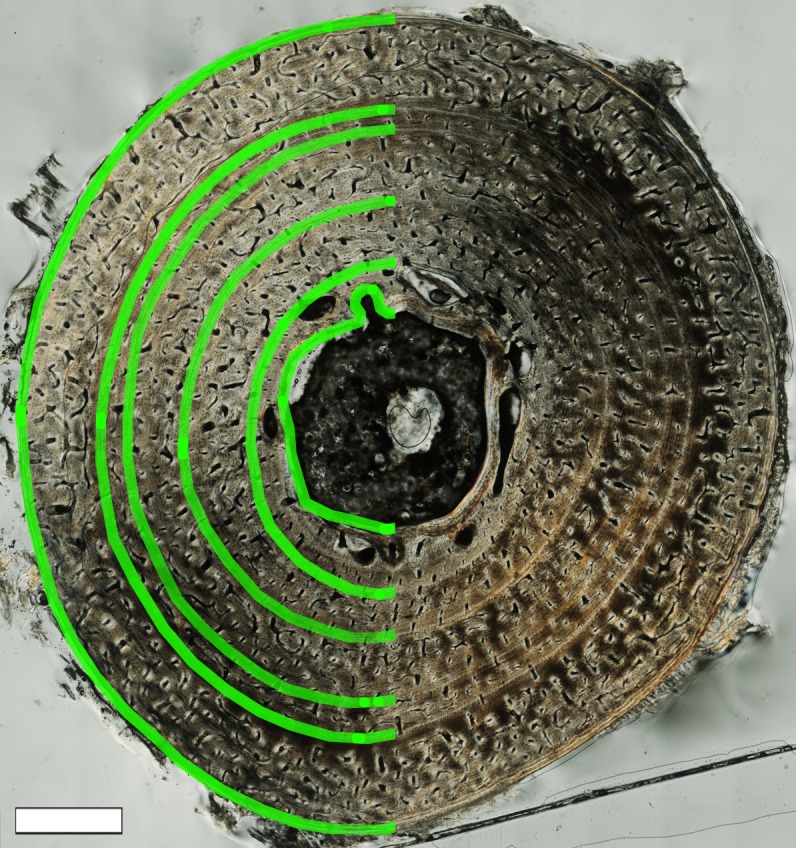
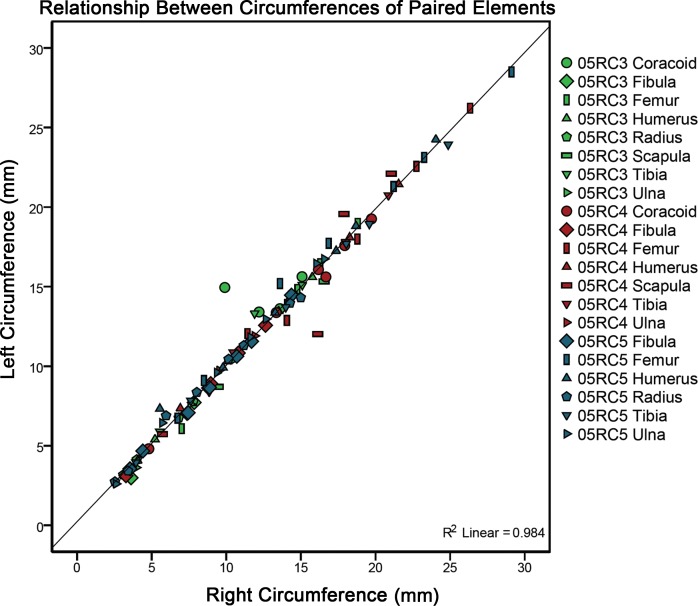
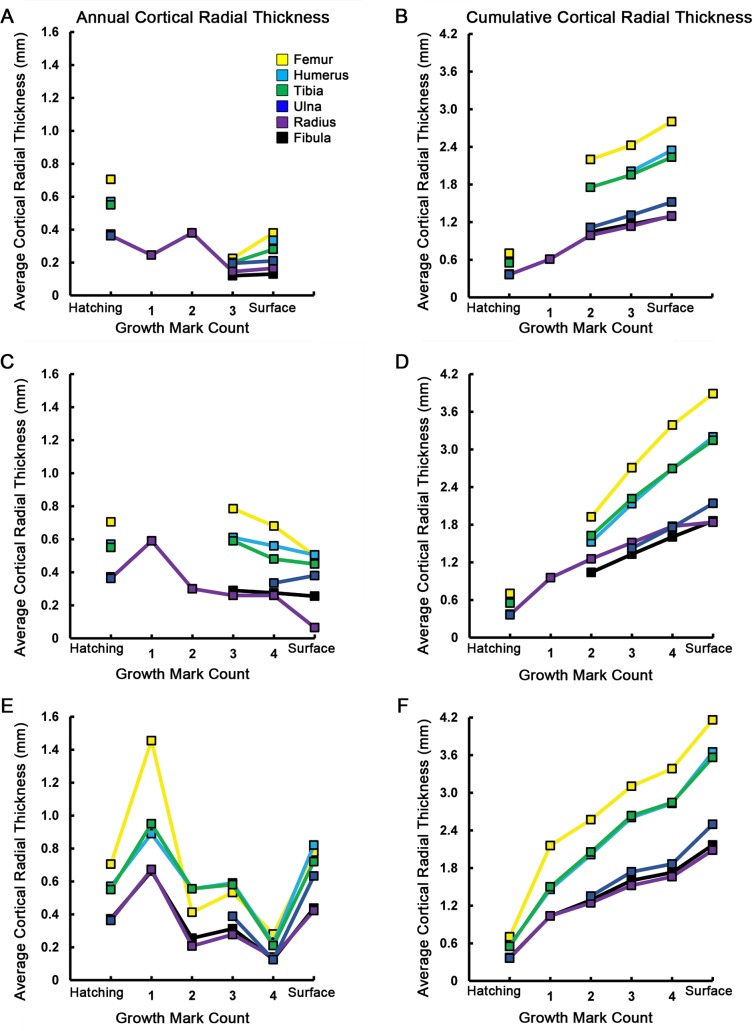
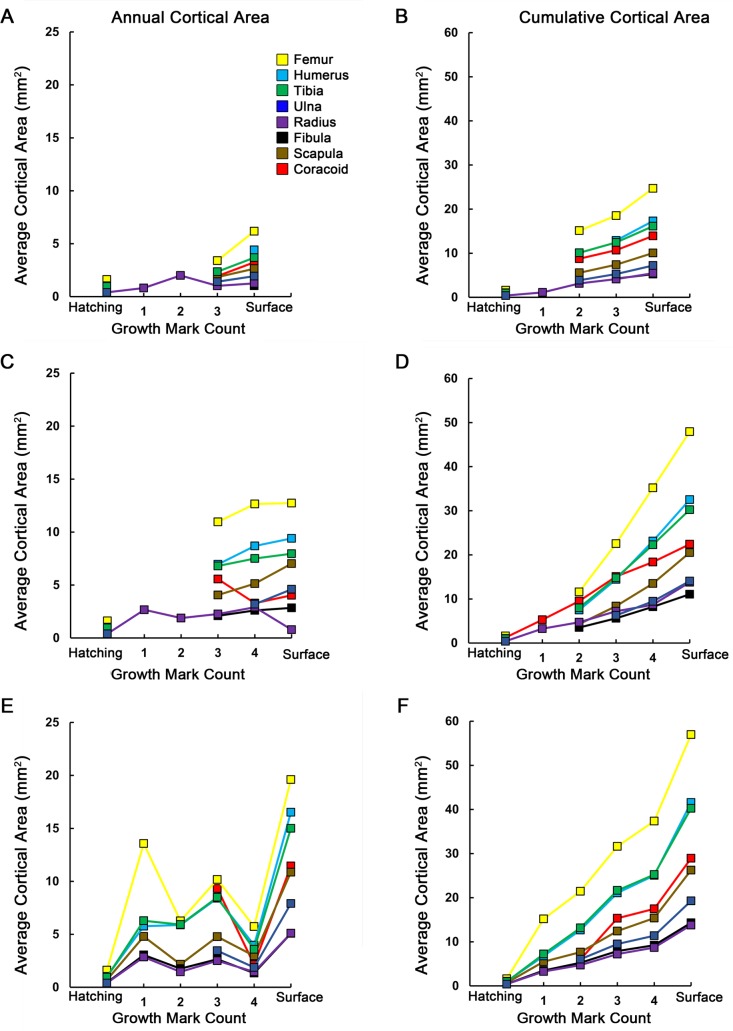
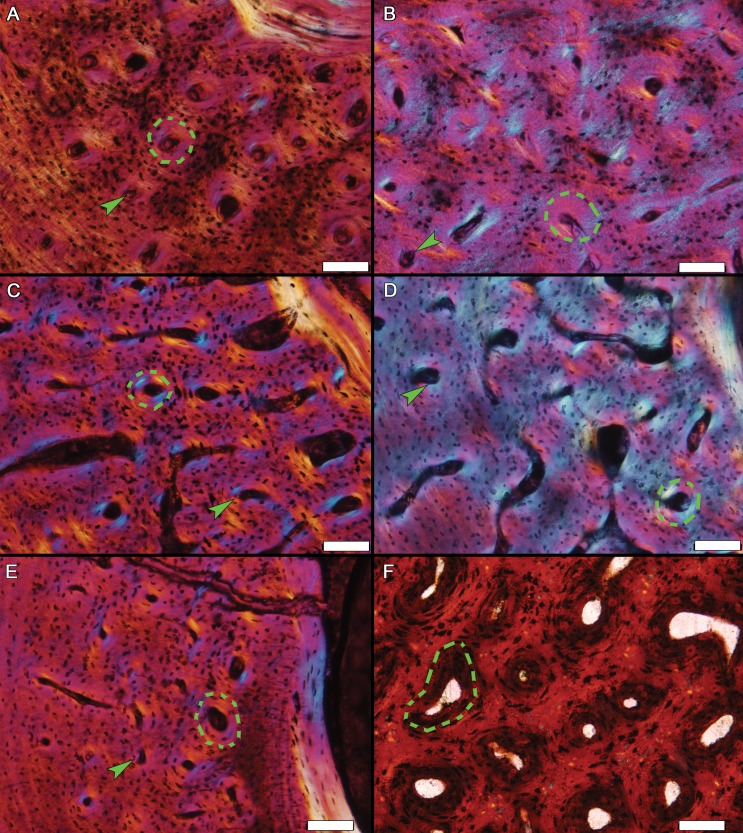
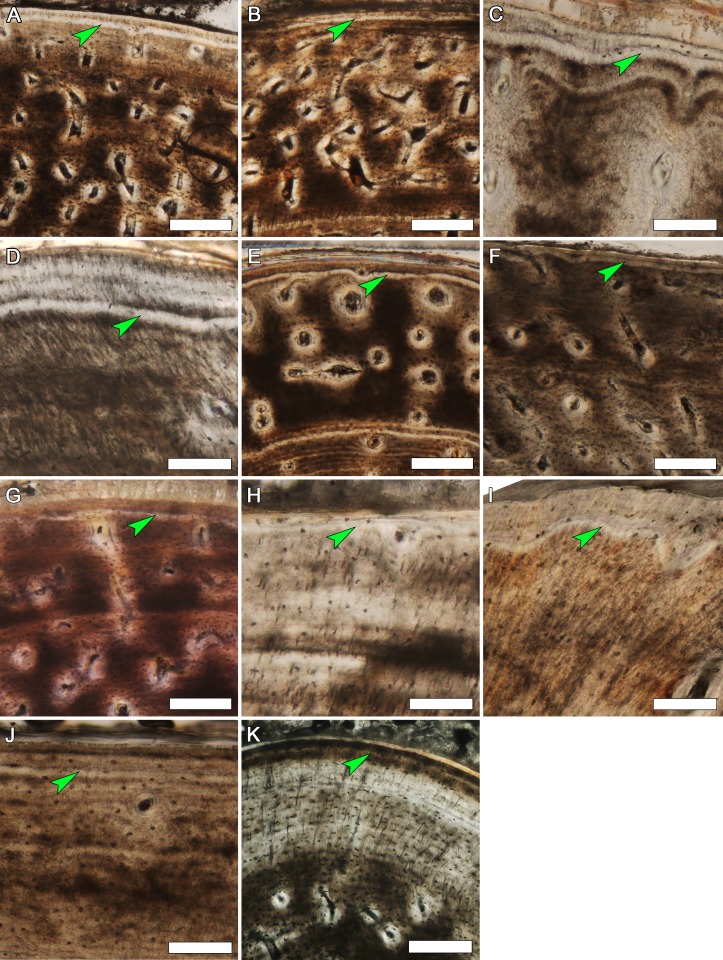
Bone microanalyses of extant vertebrates provide a necessary framework from which to form hypotheses regarding the growth and skeletochronology of extinct taxa. Here, we describe the bone microstructure and quantify the histovariability of appendicular elements and osteoderms from three juvenile American alligators (Alligator mississippiensis) to assess growth mark and tissue organization within and amongst individuals, with the intention of validating paleohistological interpretations. Results confirm previous observations that lamellar and parallel fibered tissue organization are typical of crocodylians, and also that crocodylians are capable of forming woven tissue for brief periods. Tissue organization and growth mark count varies across individual skeletal elements and reveal that the femur, tibia, and humerus had the highest annual apposition rates in each individual. Cyclical growth mark count also varies intraskeletally, but data suggest these inconsistencies are due to differing medullary cavity expansion rates. There was no appreciable difference in either diaphyseal circumference or cyclical growth mark circumferences between left and right element pairs from an individual if diaphyses were sampled from roughly the same location. The considerable intraskeletal data obtained here provide validation for long-held paleohistology assumptions, but because medullary expansion, cyclical growth mark formation, and variable intraskeletal growth rates are skeletal features found in tetrapod taxa living or extinct, the validations presented herein should be considered during any tetrapod bone microanalysis.
现存脊椎动物的骨骼微分析为形成关于灭绝类群的生长和骨骼年代学的假说提供了必要的框架。在这里,我们描述了三个幼年美洲鳄(Alligator mississippiensis)的附肢骨骼和骨板的骨骼微观结构,并量化了它们的组织变异性,以评估个体内部和个体之间的生长标记和组织结构,旨在验证古组织学解释。结果证实了以前的观察结果,即板层和平行纤维组织是鳄形目动物的典型组织,并且鳄形目动物能够在短时间内形成编织组织。组织结构和生长标记计数在个体骨骼元素之间存在差异,表明股骨、胫骨和肱骨在每个个体中具有最高的年附着率。周期性生长标记计数也在骨骼内变化,但数据表明这些不一致是由于骨髓腔扩张率不同所致。如果在大致相同的位置采样骨干,则个体的左右元素对之间的骨干周长或周期性生长标记周长没有明显差异。这里获得的大量骨骼内数据为长期以来的古组织学假设提供了验证,但由于骨髓扩张、周期性生长标记形成和可变的骨骼内生长速率是现存或已灭绝的四足动物的骨骼特征,因此本文提出的验证应该在任何四足动物骨骼微分析中考虑。