Zhang Heng-Zhu, Li Yu-Ping, Yan Zheng-cun, Wang Xing-dong, She Lei, Wang Xiao-dong, Dong Lun
Department of Neurosurgery, Clinical Medical College of Yangzhou University, 98 Nan Tong West Road, Yangzhou, Jiangsu 225001, China.
Biomed Res Int. 2014;2014:898762. doi: 10.1155/2014/898762. Epub 2014 May 18.
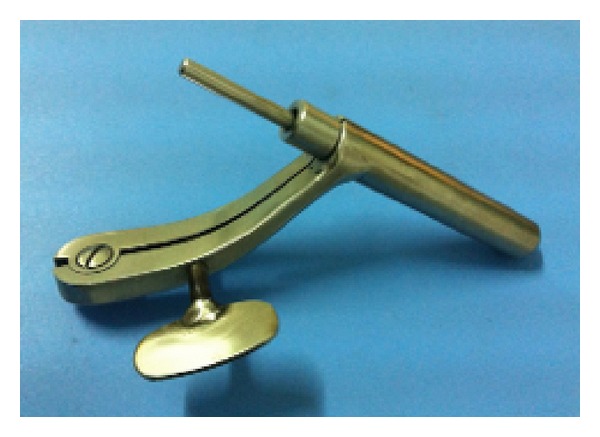
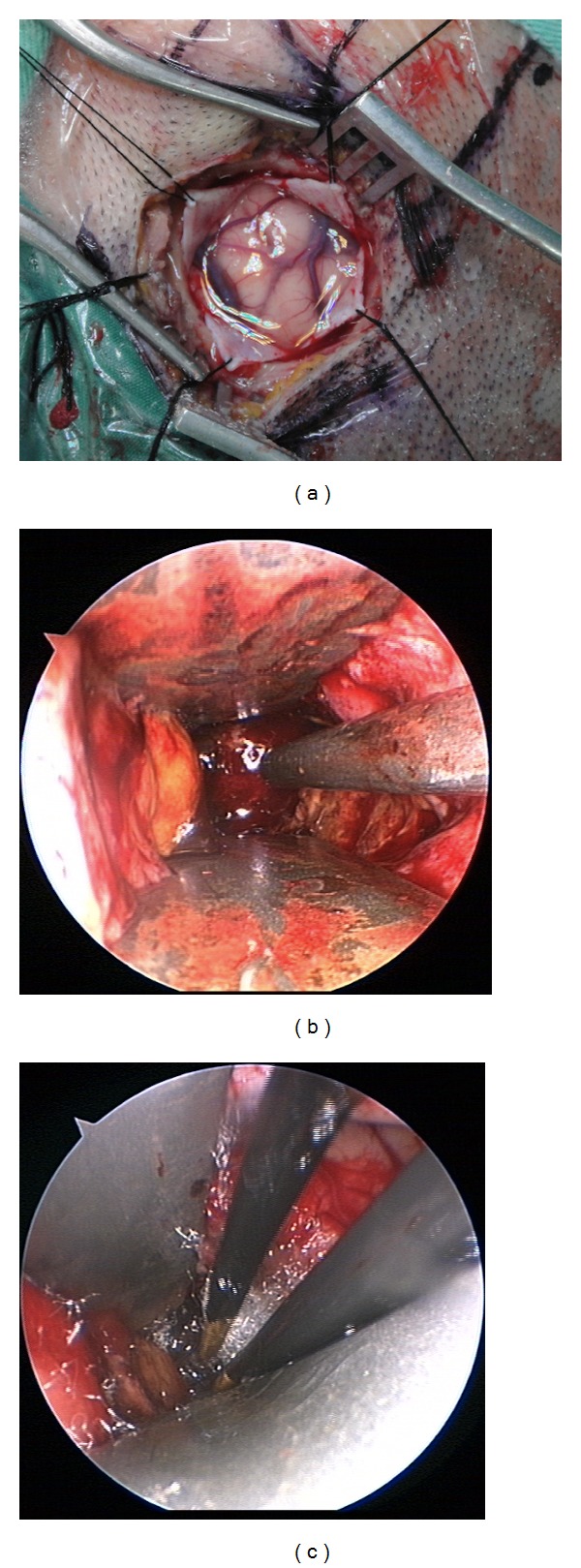
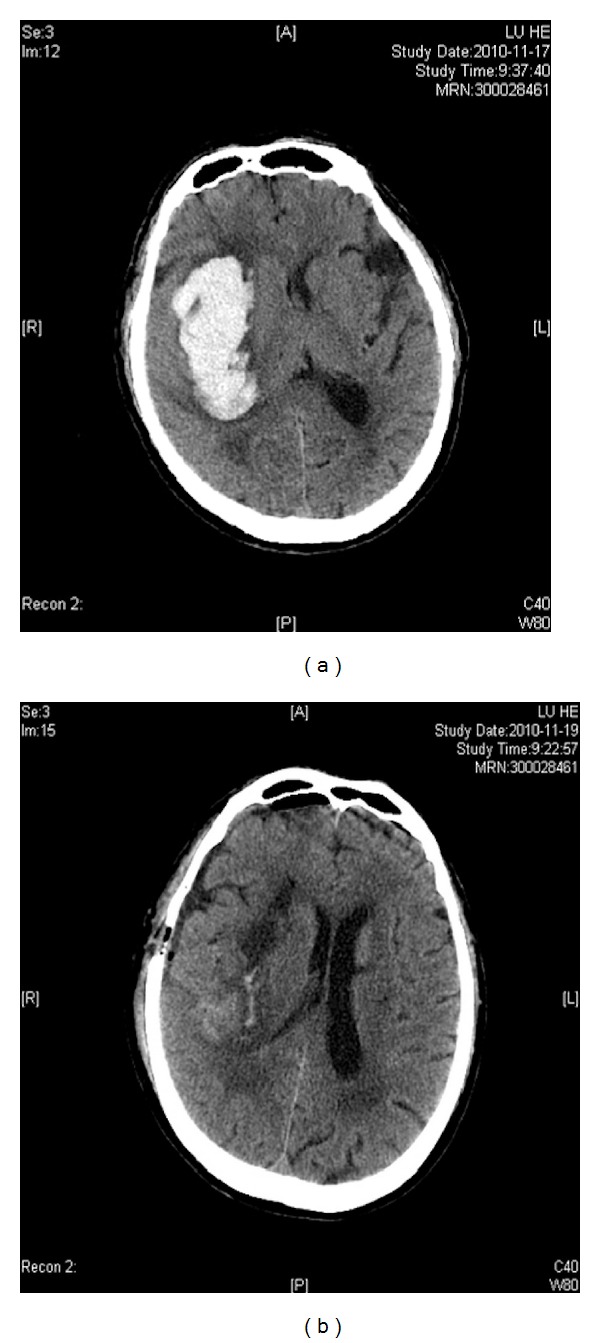
Neuroendoscopic (NE) surgery as a minimal invasive treatment for basal ganglia hemorrhage is a promising approach. The present study aims to evaluate the efficacy and safety of NE approach using an adjustable cannula to treat basal ganglia hemorrhage. In this study, we analysed the clinical and radiographic outcomes between NE group (21 cases) and craniotomy group (30 cases). The results indicated that NE surgery might be an effective and safe approach for basal ganglia haemorrhage, and it is also suggested that NE approach may improve good functional recovery. However, NE approach only suits the selected patient, and the usefulness of NE approach needs further randomized controlled trials (RCTs) to evaluate.
神经内镜(NE)手术作为基底节区出血的一种微创治疗方法,是一种很有前景的治疗方式。本研究旨在评估使用可调式套管的神经内镜手术方法治疗基底节区出血的疗效和安全性。在本研究中,我们分析了神经内镜组(21例)和开颅手术组(30例)的临床及影像学结果。结果表明,神经内镜手术可能是治疗基底节区出血的一种有效且安全的方法,同时也提示神经内镜手术方法可能改善良好的功能恢复。然而,神经内镜手术方法仅适用于选定的患者,神经内镜手术方法的有效性需要进一步的随机对照试验(RCT)来评估。