Metsna Vahur, Vorobjov Sigrid, Lepik Katrin, Märtson Aare
University of Tartu , Tartu.
Acta Orthop. 2014 Aug;85(4):427-32. doi: 10.3109/17453674.2014.931198. Epub 2014 Jun 23.
Attempts to relate patellar cartilage involvement to anterior knee pain (AKP) have yielded conflicting results. We determined whether the condition of the cartilage of the patella at the time of knee replacement, as assessed by the OARSI score, correlates with postsurgical AKP.
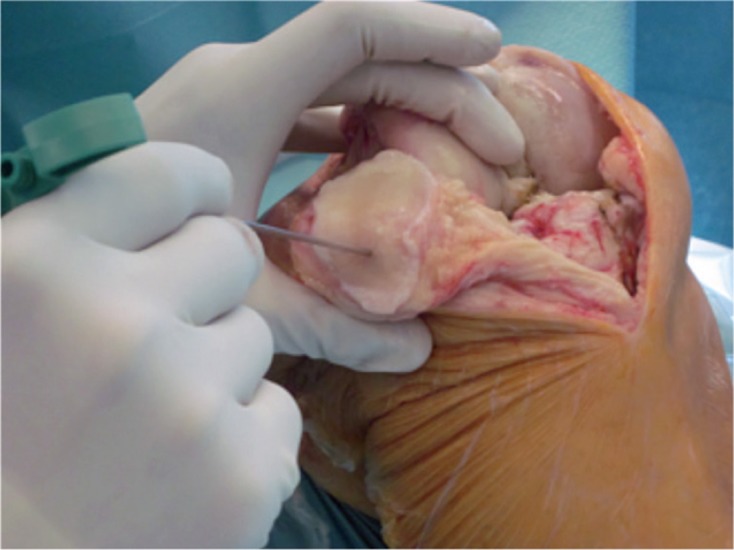
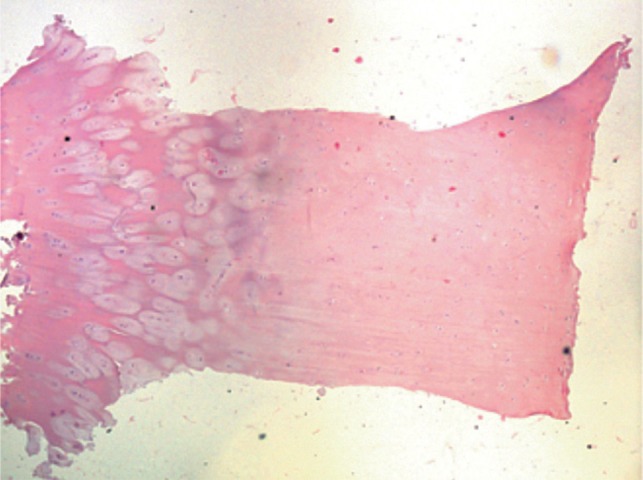
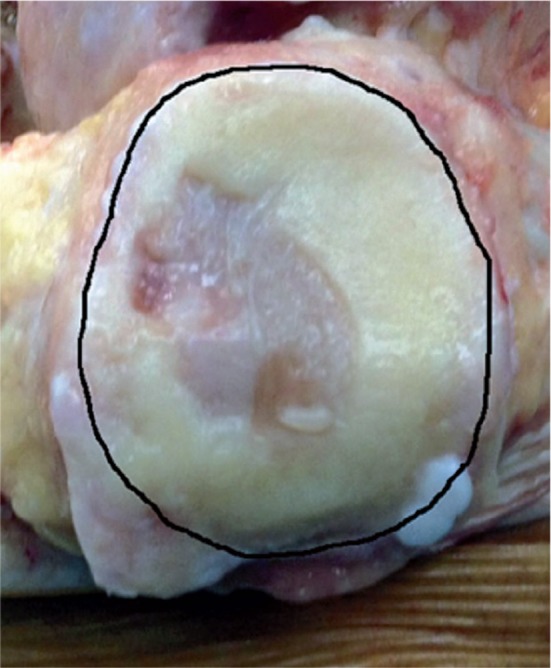
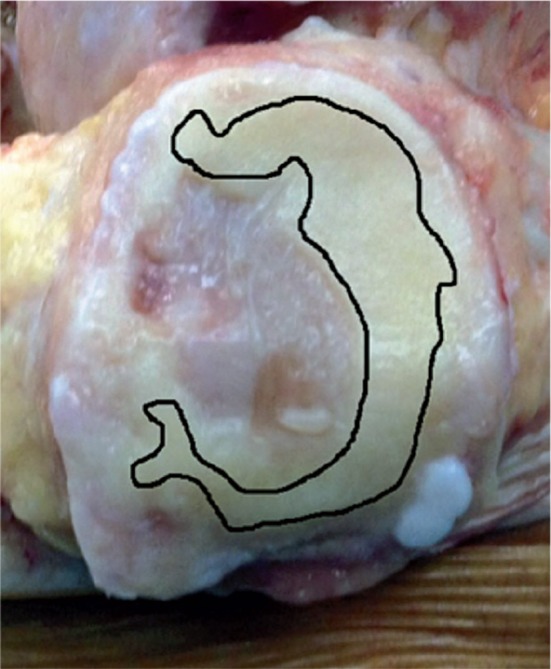
We prospectively studied 100 patients undergoing knee arthroplasty. At surgery, we photographed and biopsied the articular surface of the patella, leaving the patella unresurfaced. Following determination of the microscopic grade of the patellar cartilage lesion and the stage by analyzing the intraoperative photographs, we calculated the OARSI score. We interviewed the patients 1 year after knee arthroplasty using the HSS patella score for diagnosis of AKP.
57 of 95 patients examined had AKP. The average OARSI score of painless patients was 13 (6-20) and that of patients with AKP was 15 (6-20) (p = 0.04). Patients with OARSI scores of 13-24 had 50% higher risk of AKP (prevalence ratio = 1.5, 95% CI: 1.0-2.3) than patients with OARSI scores of 0-12.
The depth and extent of the cartilage lesion of the knee-cap should be considered when deciding between the various options for treatment of the patella during knee replacement.
将髌软骨受累与膝前痛(AKP)相关联的尝试产生了相互矛盾的结果。我们确定,通过OARSI评分评估的膝关节置换时髌骨软骨状况是否与术后AKP相关。
我们前瞻性研究了100例行膝关节置换术的患者。手术时,我们对髌骨的关节面进行拍照和活检,髌骨未进行表面置换。在通过分析术中照片确定髌软骨损伤的微观等级和阶段后,我们计算OARSI评分。膝关节置换术后1年,我们使用HSS髌骨评分对患者进行访谈以诊断AKP。
95例接受检查的患者中有57例患有AKP。无痛患者的平均OARSI评分为13(6 - 20),AKP患者的平均评分为15(6 - 20)(p = 0.04)。OARSI评分为13 - 24的患者发生AKP的风险比OARSI评分为0 - 12的患者高50%(患病率比 = 1.5,95% CI:1.0 - 2.3)。
在膝关节置换期间决定髌骨的各种治疗方案时,应考虑髌骨软骨损伤的深度和范围。