Bastianelli Daniela, Siciliano Camilla, Puca Rosa, Coccia Andrea, Murdoch Colin, Bordin Antonella, Mangino Giorgio, Pompilio Giulio, Calogero Antonella, De Falco Elena
Department of Medical-Surgical Sciences and Biotechnologies, Faculty of Pharmacy and Medicine, University "Sapienza", Corso della Repubblica 79, 04100 Latina, Italy.
Department of Medical-Surgical Sciences and Biotechnologies, Faculty of Pharmacy and Medicine, University "Sapienza", Corso della Repubblica 79, 04100 Latina, Italy ; Center for Life Nano Science@Sapienza, Istituto Italiano di Tecnologia, Viale Regina Elena 291, 00161 Rome, Italy.
Biomed Res Int. 2014;2014:254793. doi: 10.1155/2014/254793. Epub 2014 May 22.
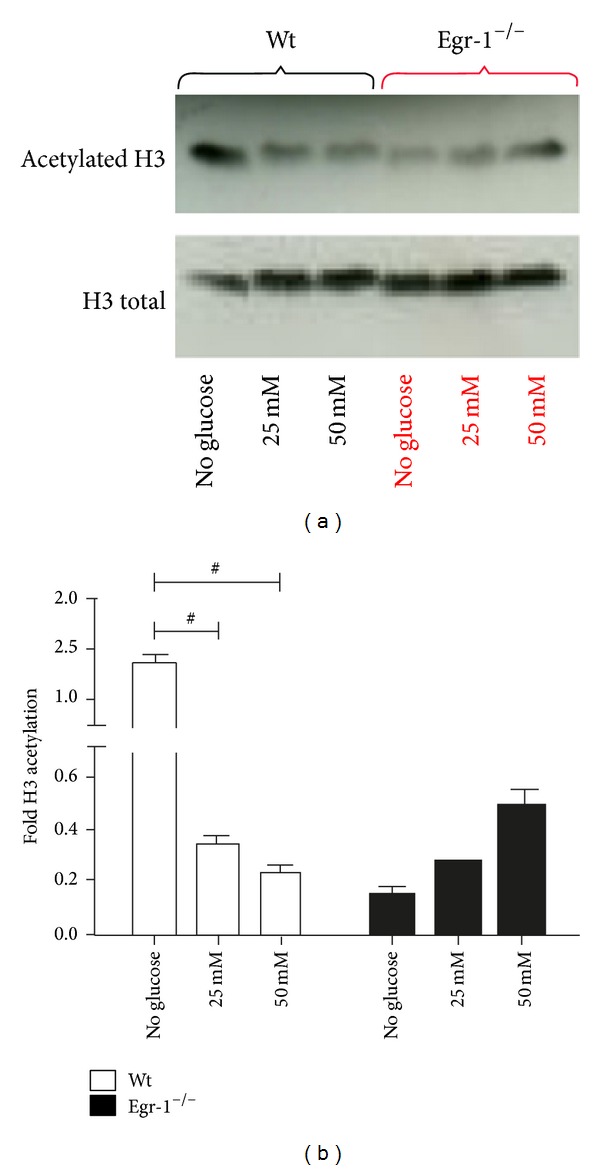
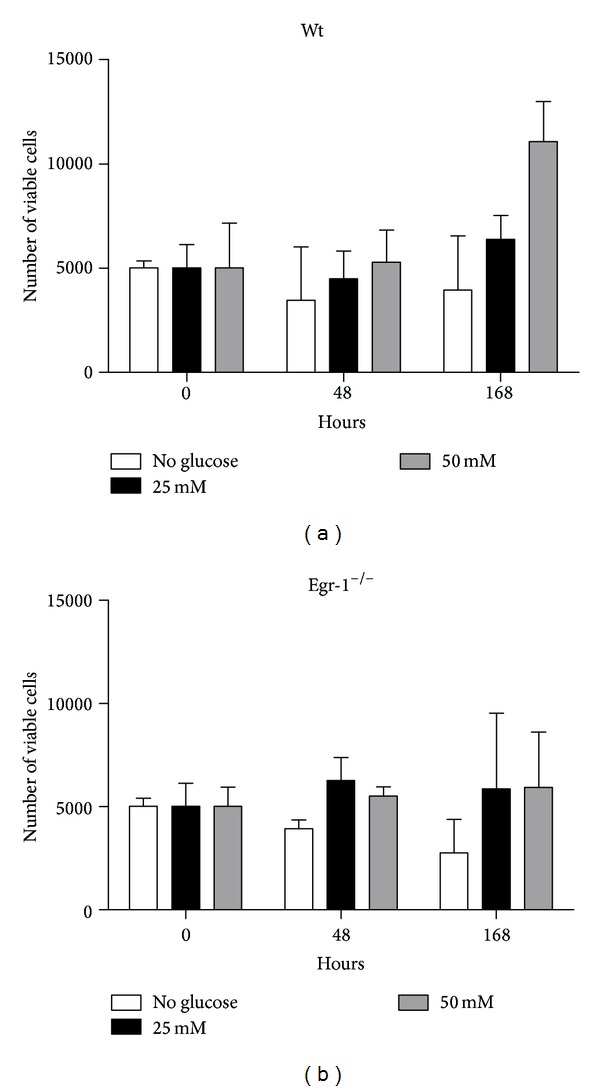
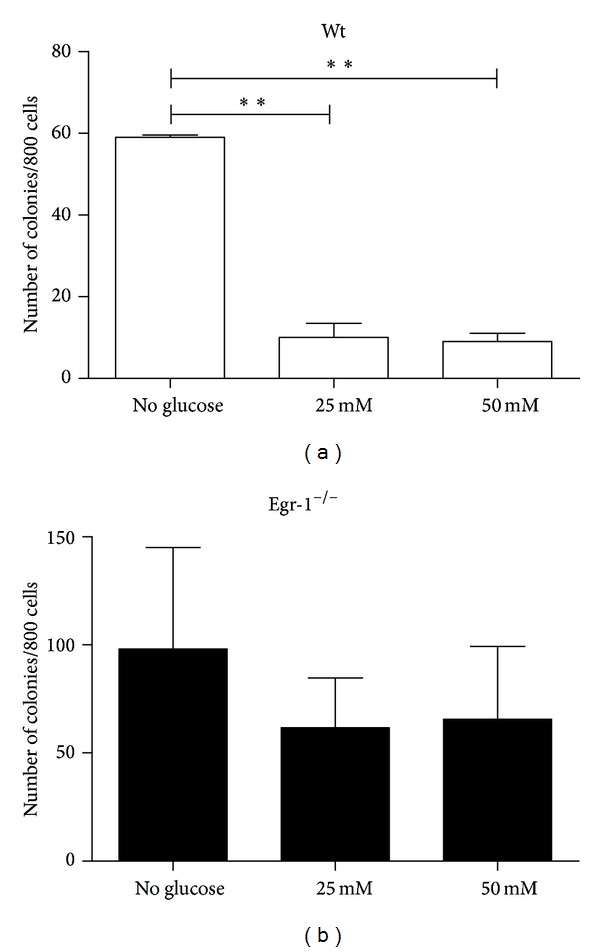
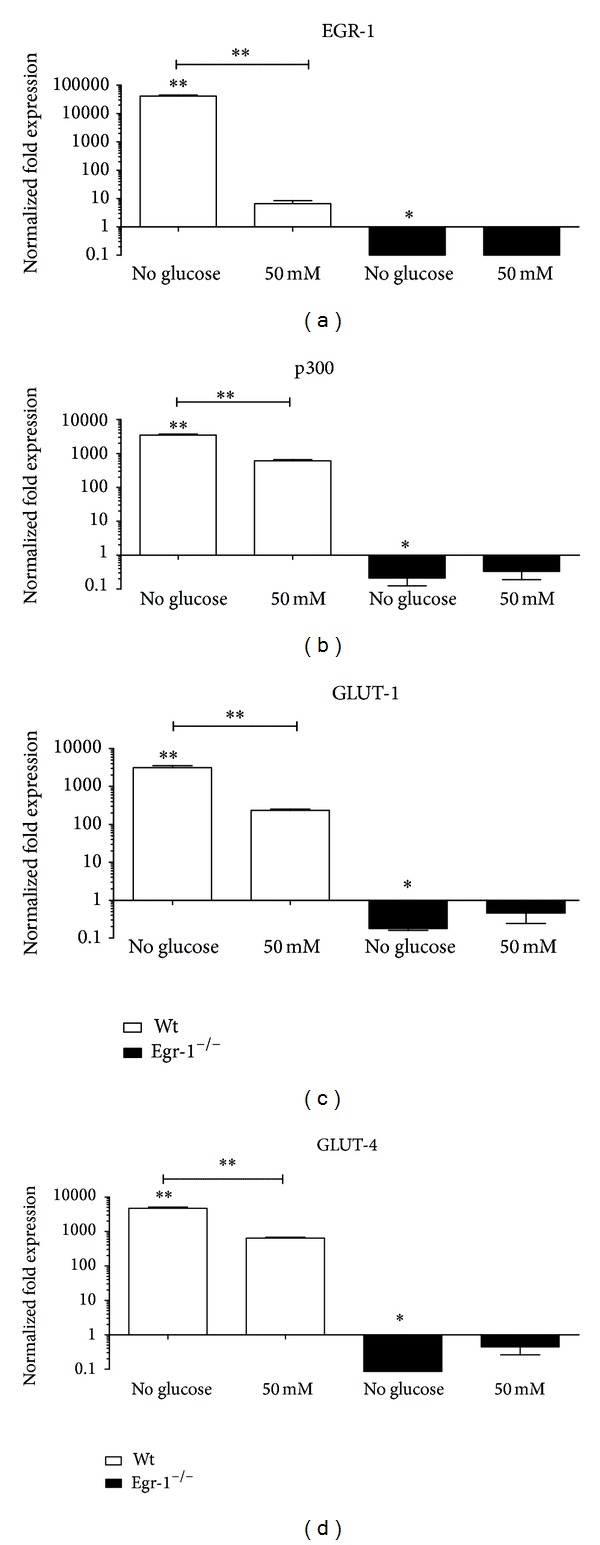
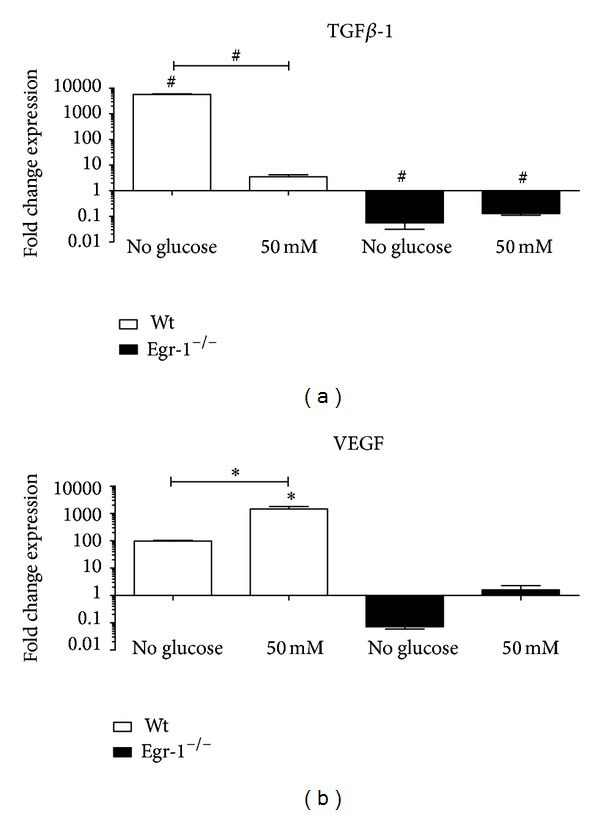
Mesenchymal stem cells (MSCs) represent a promising cell population for cell therapy and regenerative medicine applications. However, how variations in glucose are perceived by MSC pool is still unclear. Since, glucose metabolism is cell type and tissue dependent, this must be considered when MSCs are derived from alternative sources such as the heart. The zinc finger transcription factor Egr-1 is an important early response gene, likely to play a key role in the glucose-induced response. Our aim was to investigate how short-term changes in in vitro glucose concentrations affect multipotent cardiac tissue-derived MSCs (cMSCs) in a mouse model of Egr-1 KO (Egr-1(-/-)). Results showed that loss of Egr-1 does not significantly influence cMSC proliferation. In contrast, responses to glucose variations were observed in wt but not in Egr-1(-/-) cMSCs by clonogenic assay. Phenotype analysis by RT-PCR showed that cMSCs Egr-1(-/-) lost the ability to regulate the glucose transporters GLUT-1 and GLUT-4 and, as expected, the Egr-1 target genes VEGF, TGF β -1, and p300. Acetylated protein levels of H3 histone were impaired in Egr-1(-/-) compared to wt cMSCs. We propose that Egr-1 acts as immediate glucose biological sensor in cMSCs after a short period of stimuli, likely inducing epigenetic modifications.
间充质干细胞(MSCs)是细胞治疗和再生医学应用中一种很有前景的细胞群体。然而,间充质干细胞群体如何感知葡萄糖变化仍不清楚。由于葡萄糖代谢具有细胞类型和组织依赖性,当从心脏等替代来源获取间充质干细胞时,必须考虑这一点。锌指转录因子Egr-1是一种重要的早期反应基因,可能在葡萄糖诱导的反应中起关键作用。我们的目的是研究在Egr-1基因敲除(Egr-1(-/-))小鼠模型中,体外葡萄糖浓度的短期变化如何影响多能心脏组织来源的间充质干细胞(cMSCs)。结果表明,Egr-1的缺失不会显著影响cMSCs的增殖。相反,通过克隆形成试验在野生型cMSCs中观察到了对葡萄糖变化的反应,而在Egr-1(-/-) cMSCs中未观察到。通过RT-PCR进行的表型分析表明,Egr-1(-/-) cMSCs失去了调节葡萄糖转运蛋白GLUT-1和GLUT-4的能力,并且正如预期的那样,失去了Egr-1靶基因VEGF、TGFβ-1和p300。与野生型cMSCs相比,Egr-1(-/-)中H3组蛋白的乙酰化蛋白水平受损。我们提出,Egr-1在短时间刺激后作为cMSCs中即时的葡萄糖生物传感器,可能诱导表观遗传修饰。