Sun Hsiao-Lun, Chang Chih-Ju, Hsieh Cheng-Ta
Department of Anesthesiology, Sijhih Cathay General Hospital, Sijhih District, New Taipei City, Taiwan.
Neurosciences (Riyadh). 2014 Jul;19(3):229-32.
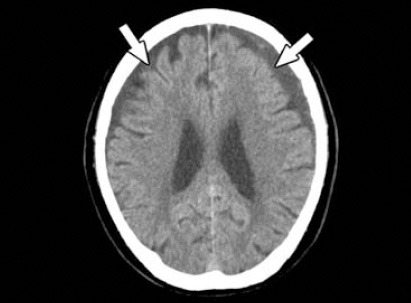
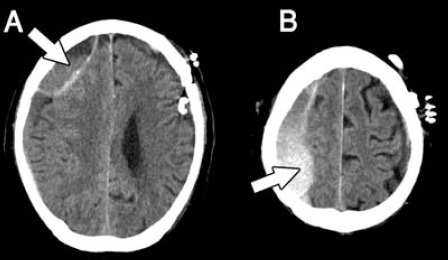
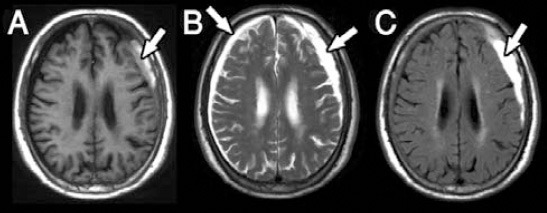
Burr-hole craniostomy with closed-system drainage is a safe and effective method for the management of chronic subdural hematoma. However, contralateral acute subdural hematoma has been reported to be a rare and devastating complication. Only 3 cases have been described in the literature. Herein, we reported an 80-year-old male with chronic subdural hematoma and contralateral subdural hygroma. The burr-hole craniostomy with closed-system drainage was initially performed to treat the chronic subdural hematoma. Three days after surgery, weakness of the extremities developed, and contralateral acute subdural bleeding within the previous subdural hygroma was diagnosed by CT scan of the brain. The pathophysiological mechanism of this rare complication was discussed, and the relevant literature was also reviewed.
闭式引流钻孔开颅术是治疗慢性硬膜下血肿的一种安全有效的方法。然而,据报道,对侧急性硬膜下血肿是一种罕见且严重的并发症。文献中仅描述了3例。在此,我们报告了一名80岁男性,患有慢性硬膜下血肿和对侧硬膜下积液。最初采用闭式引流钻孔开颅术治疗慢性硬膜下血肿。术后三天,患者出现肢体无力,脑部CT扫描诊断为既往硬膜下积液内对侧急性硬膜下出血。我们讨论了这种罕见并发症的病理生理机制,并对相关文献进行了回顾。