Sharker Ma Yushuf, Nasser Mohammed, Abedin Jaynal, Arnold Benjamin F, Luby Stephen P
icddr,b, 68 Shahid Tajuddin Ahamed Sarani, Mohakhali, 1212 Dhaka, Bangladesh.
Department of Statistics, University of Rajshahi, 6205 Rajshahi, Bangladesh.
Emerg Themes Epidemiol. 2014 Jun 18;11:6. doi: 10.1186/1742-7622-11-6. eCollection 2014.
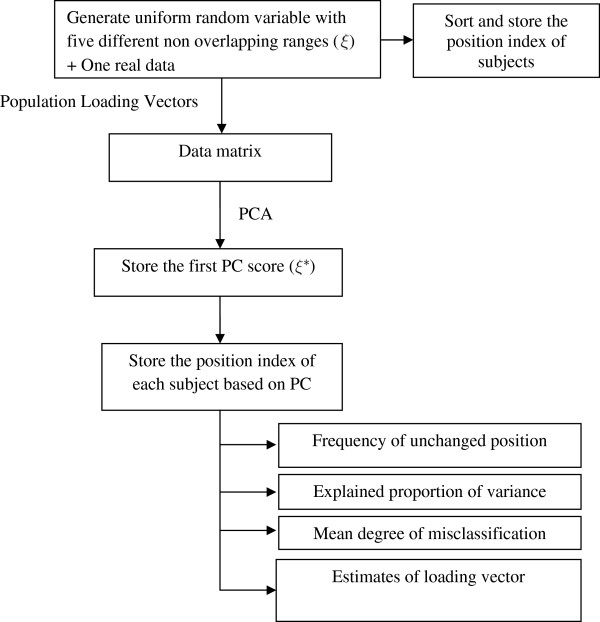
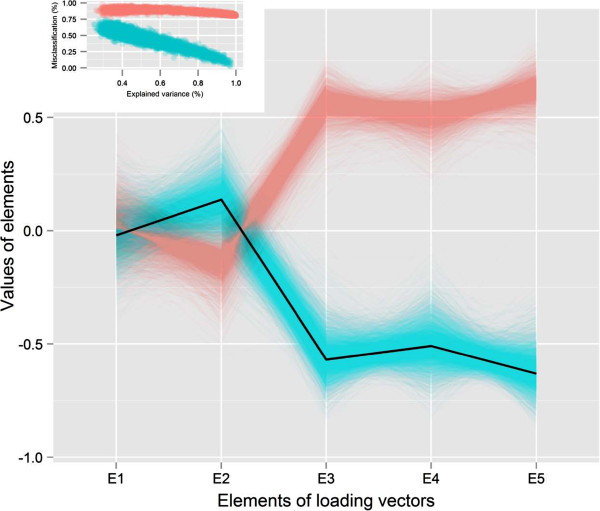
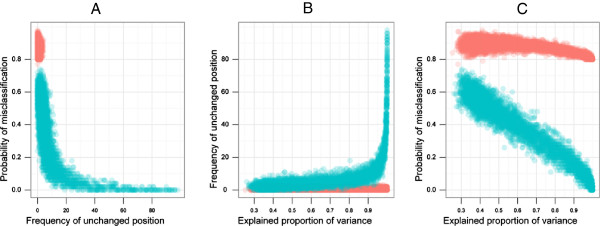
The asset index is often used as a measure of socioeconomic status in empirical research as an explanatory variable or to control confounding. Principal component analysis (PCA) is frequently used to create the asset index. We conducted a simulation study to explore how accurately the principal component based asset index reflects the study subjects' actual poverty level, when the actual poverty level is generated by a simple factor analytic model. In the simulation study using the PC-based asset index, only 1% to 4% of subjects preserved their real position in a quintile scale of assets; between 44% to 82% of subjects were misclassified into the wrong asset quintile. If the PC-based asset index explained less than 30% of the total variance in the component variables, then we consistently observed more than 50% misclassification across quintiles of the index. The frequency of misclassification suggests that the PC-based asset index may not provide a valid measure of poverty level and should be used cautiously as a measure of socioeconomic status.
在实证研究中,资产指数常被用作社会经济地位的一种衡量指标,作为解释变量或用于控制混杂因素。主成分分析(PCA)经常被用于创建资产指数。我们进行了一项模拟研究,以探究当实际贫困水平由一个简单的因素分析模型生成时,基于主成分的资产指数能多准确地反映研究对象的实际贫困水平。在使用基于主成分的资产指数的模拟研究中,只有1%至4%的研究对象在资产五分位数尺度上保持了其真实位置;44%至82%的研究对象被错误分类到错误的资产五分位数中。如果基于主成分的资产指数解释的成分变量总方差小于30%,那么我们始终观察到该指数各五分位数的错误分类率超过50%。错误分类的频率表明,基于主成分的资产指数可能无法有效衡量贫困水平,作为社会经济地位的一种衡量指标应谨慎使用。