Department of Molecular Evolution and Development, Centre for Organismal Biology, Faculty of Life Sciences, University of Vienna, Althanstrasse 14, 1090 Wien, Austria.
Department of Integrative Zoology, Centre for Organismal Biology, Faculty of Life Sciences, University of Vienna, Althanstrasse 14, 1090 Wien, Austria.
Front Zool. 2014 Jun 18;11:44. doi: 10.1186/1742-9994-11-44. eCollection 2014.
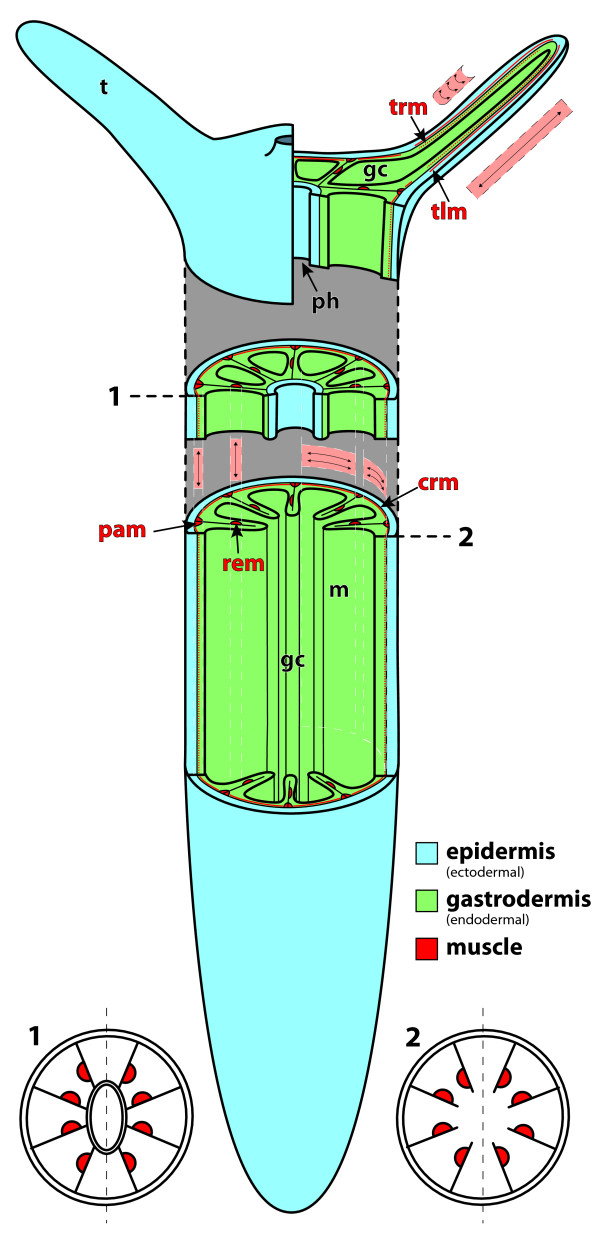
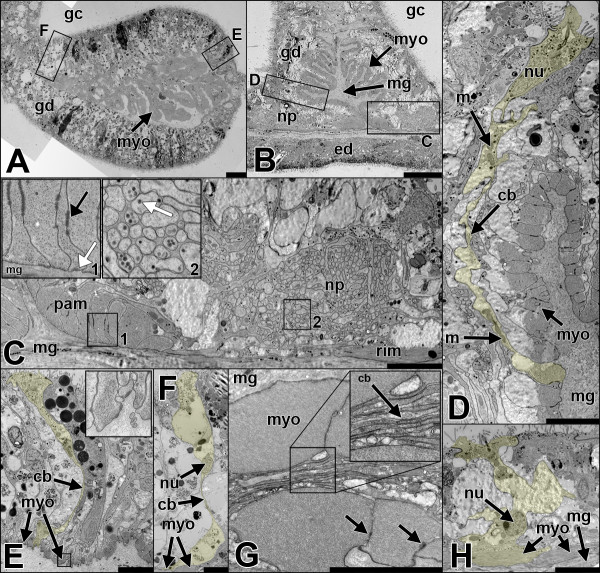
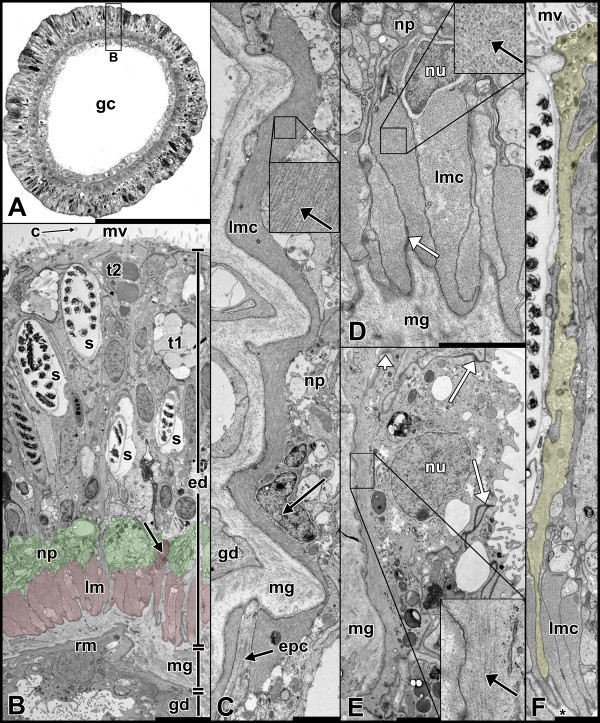
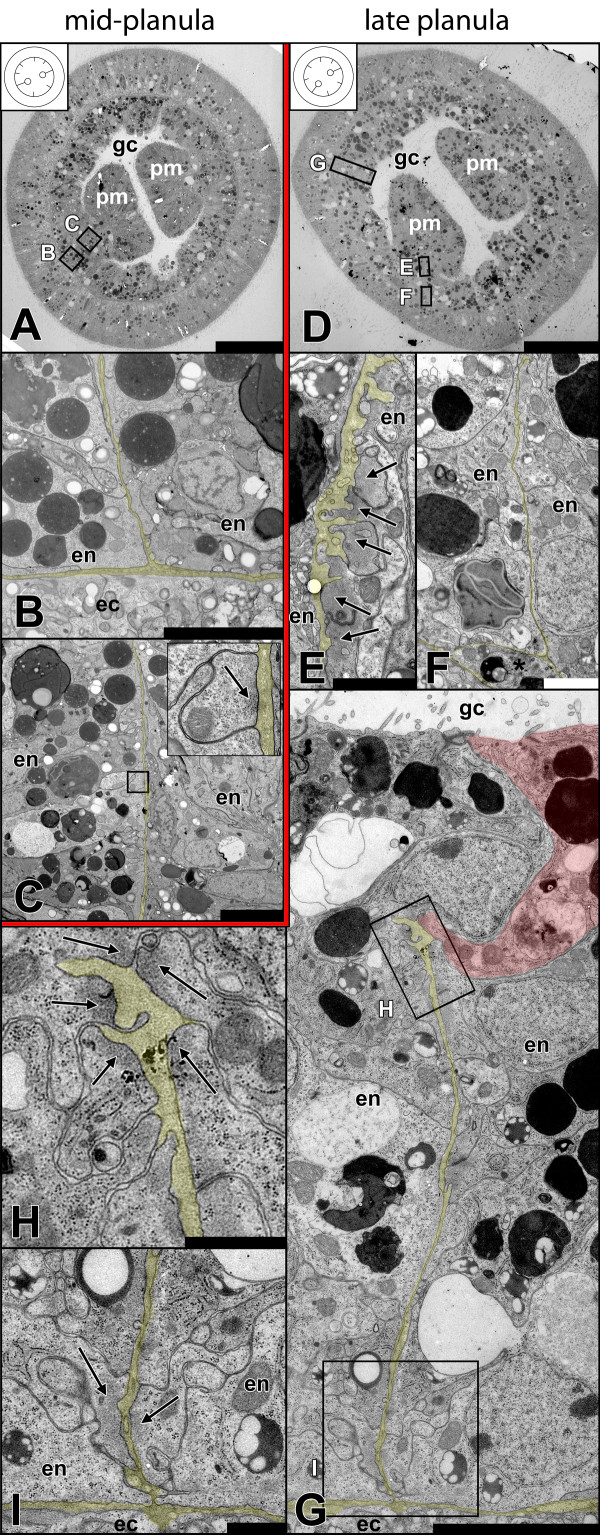
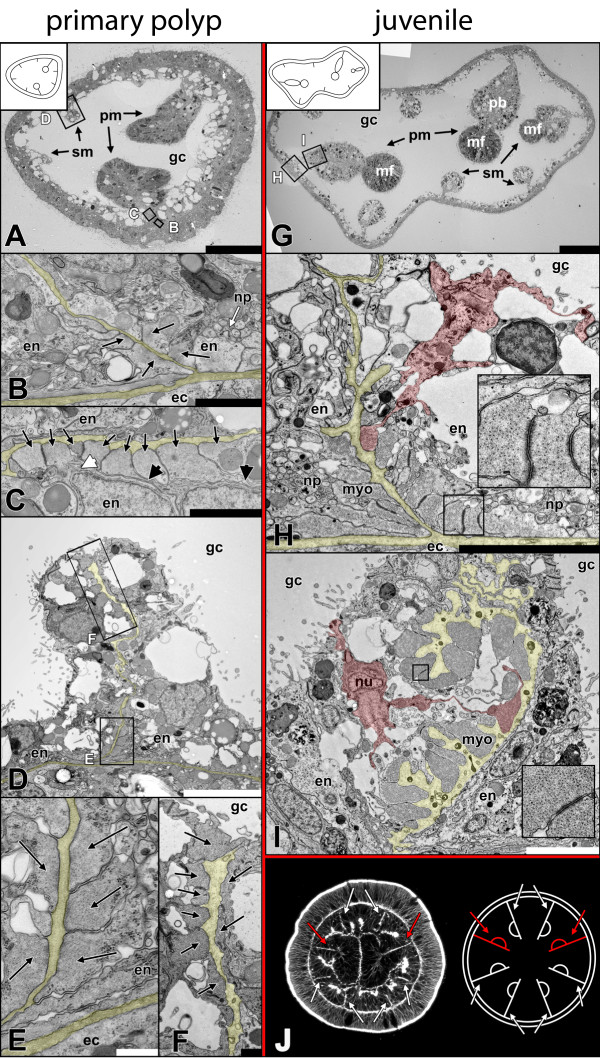
Nematostella vectensis, a member of the cnidarian class Anthozoa, has been established as a promising model system in developmental biology, but while information about the genetic regulation of embryonic development is rapidly increasing, little is known about the cellular organization of the various cell types in the adult. Here, we studied the anatomy and development of the muscular system of N. vectensis to obtain further insights into the evolution of muscle cells.
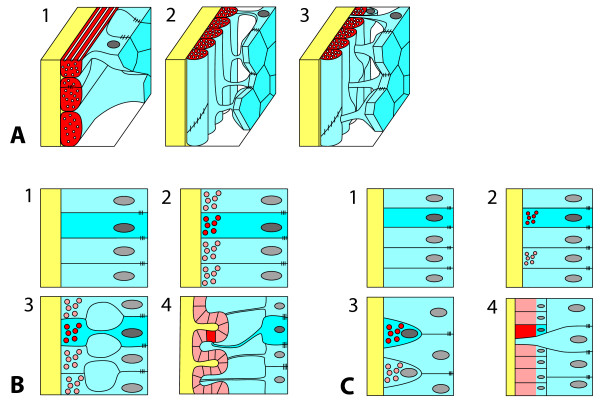
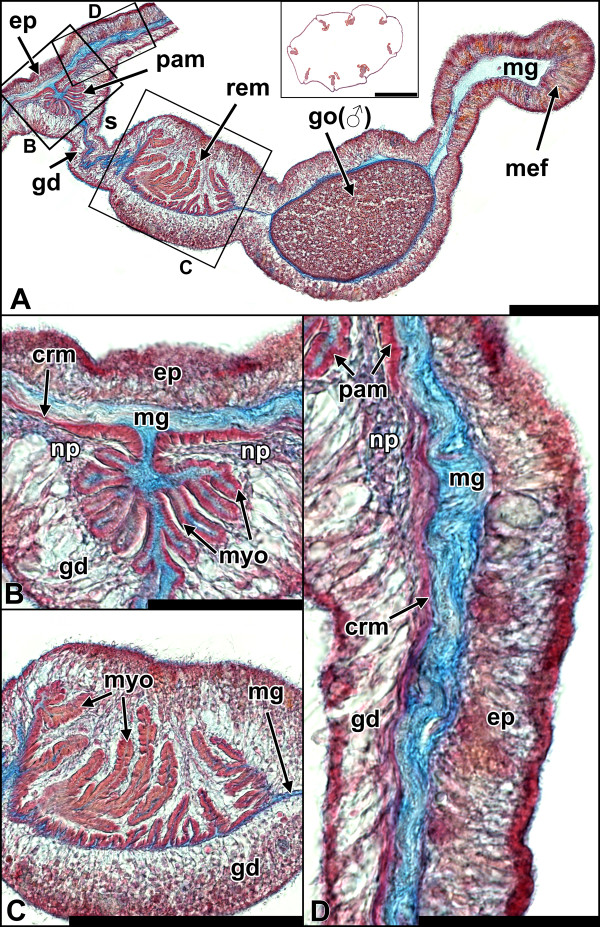
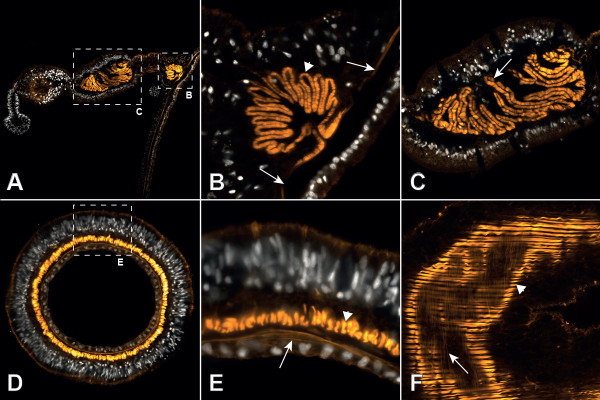
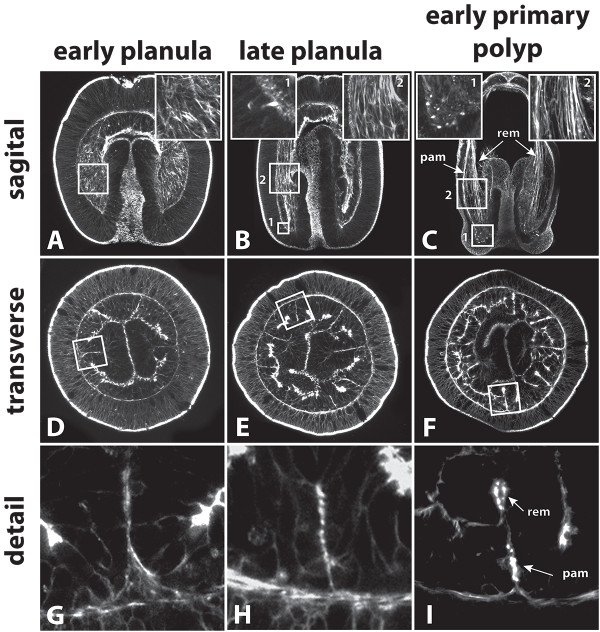
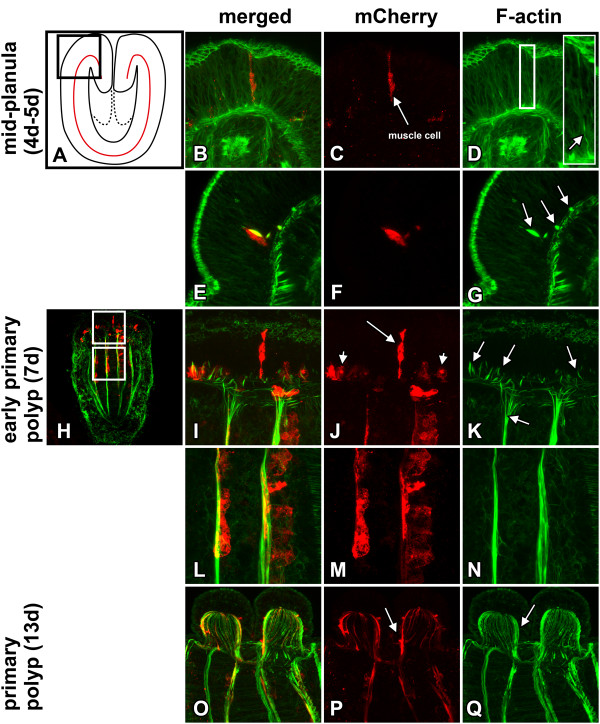
The muscular system of N. vectensis is comprised of five distinct muscle groups, which are differentiated into a tentacle and a body column system. Both systems house longitudinal as well as circular portions. With the exception of the ectodermal tentacle longitudinal muscle, all muscle groups are of endodermal origin. The shape and epithelial organization of muscle cells vary considerably between different muscle groups. Ring muscle cells are formed as epitheliomuscular cells in which the myofilaments are housed in the basal part of the cell, while the apical part is connected to neighboring cells by apical cell-cell junctions. In the longitudinal muscles of the column, the muscular part at the basal side is connected to the apical part by a long and narrow cytoplasmic bridge. The organization of these cells, however, remains epitheliomuscular. A third type of muscle cell is represented in the longitudinal muscle of the tentacle. Using transgenic animals we show that the apical cell-cell junctions are lost during differentiation, resulting in a detachment of the muscle cells to a basiepithelial position. These muscle cells are still located within the epithelium and outside of the basal matrix, therefore constituting basiepithelial myocytes. We demonstrate that all muscle cells, including the longitudinal basiepithelial muscle cells of the tentacle, initially differentiate from regular epithelial cells before they alter their epithelial organisation.
A wide range of different muscle cell morphologies can already be found in a single animal. This suggests how a transition from an epithelially organized muscle system to a mesenchymal could have occurred. Our study on N. vectensis provides new insights into the organisation of a muscle system in a non-bilaterian organism.
作为刺胞动物门的一员,海葵(Nematostella vectensis)已被确立为发育生物学中有前途的模式生物系统。尽管有关胚胎发育的遗传调控信息正在迅速增加,但对于成年生物体中各种细胞类型的细胞组织知之甚少。在这里,我们研究了海葵的肌肉系统解剖结构和发育,以进一步了解肌肉细胞的进化。
海葵的肌肉系统由五个不同的肌肉群组成,这些肌肉群分化为触手和体柱系统。这两个系统都有纵行和环形部分。除了外胚层触手纵行肌外,所有的肌肉群都起源于内胚层。不同肌肉群之间的肌肉细胞形状和上皮组织差异很大。环行肌细胞是上皮肌细胞,肌丝位于细胞的基底部分,而顶端部分通过顶端细胞-细胞连接与相邻细胞相连。在柱体的纵行肌中,基底侧的肌肉部分通过一个狭长的细胞质桥与顶端部分相连。然而,这些细胞的组织仍然是上皮肌细胞。第三种类型的肌肉细胞存在于触手的纵行肌中。通过使用转基因动物,我们表明在分化过程中顶端细胞-细胞连接丢失,导致肌肉细胞脱离上皮位置。这些肌肉细胞仍然位于上皮内和基底基质外,因此构成了基底上皮肌细胞。我们证明,所有的肌肉细胞,包括触手的纵行基底上皮肌肉细胞,最初都是从普通的上皮细胞分化而来,然后改变它们的上皮组织。
在单个动物中已经可以发现多种不同的肌肉细胞形态。这表明从上皮组织的肌肉系统向间质的转变是如何发生的。我们对海葵的研究为非双侧对称生物体的肌肉系统组织提供了新的见解。