Tang Yuyang, George Alvin, Nouvet Franklin, Sweet Stephanie, Emeagwali Nkiruka, Taylor Harry E, Simmons Glenn, Hildreth James E K
Department of Molecular and Cellular Biology, College of Biological Sciences, University of California Davis, Davis, California, United States of America.
Department of Obstetrics and Gynecology, University of California Davis, Davis, California, United States of America.
PLoS One. 2014 Jul 10;9(7):e101367. doi: 10.1371/journal.pone.0101367. eCollection 2014.
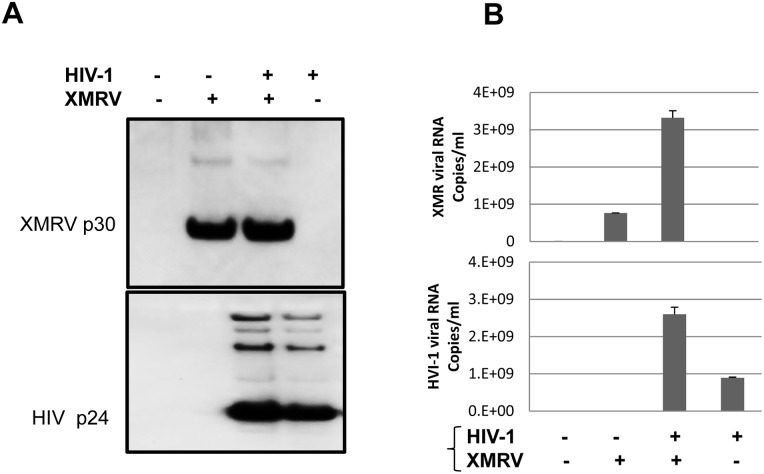
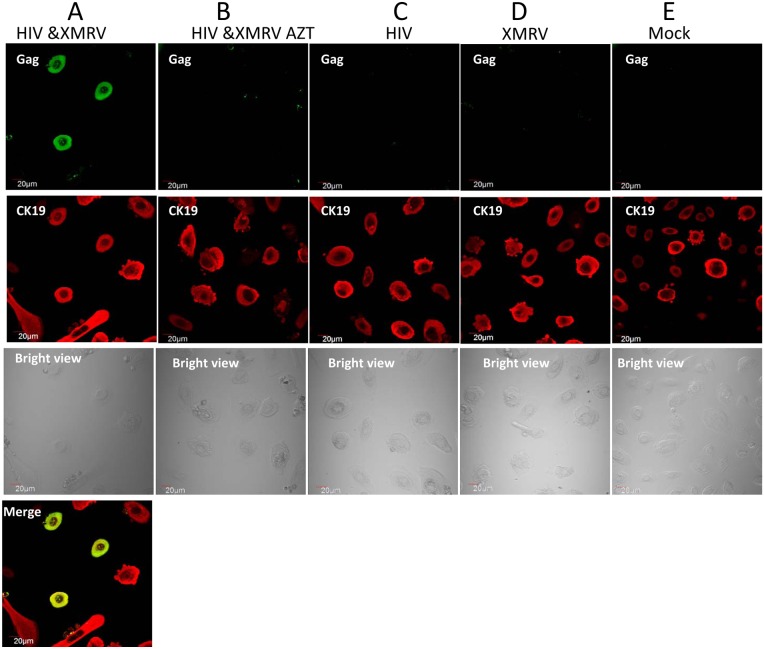
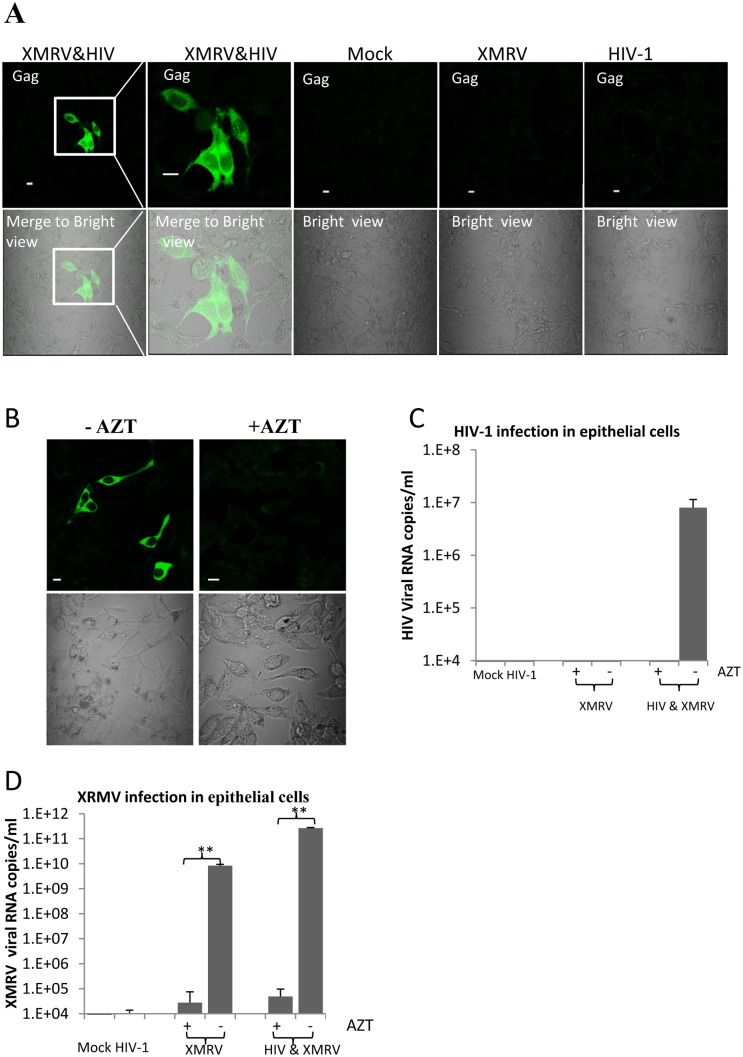
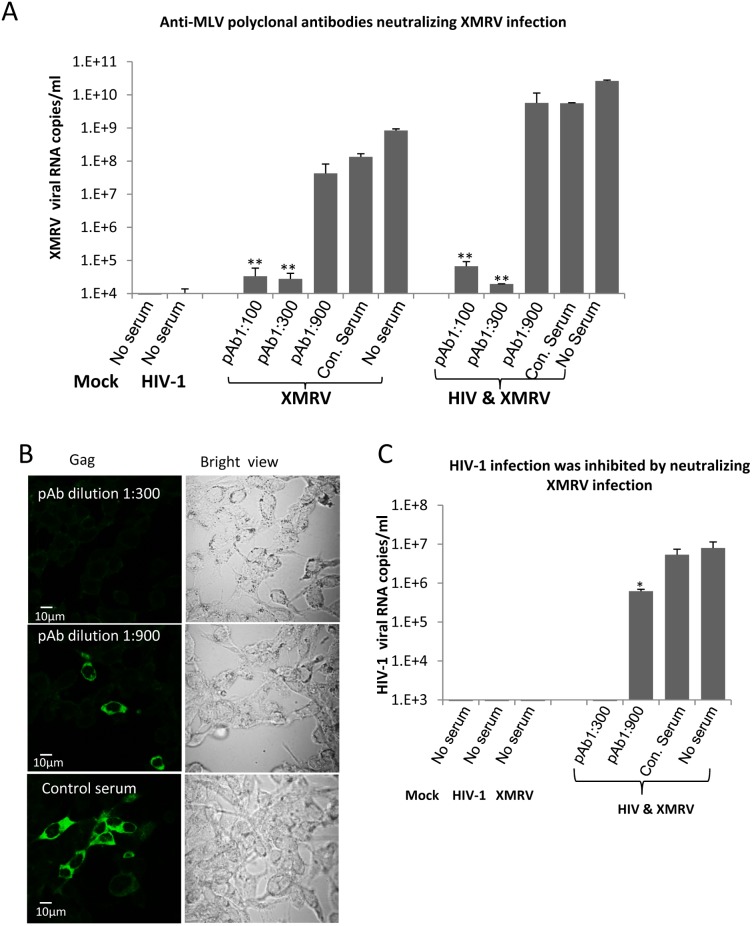
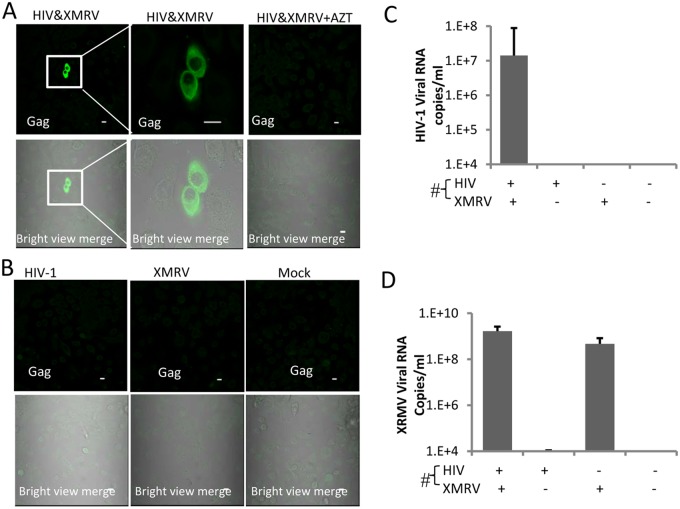
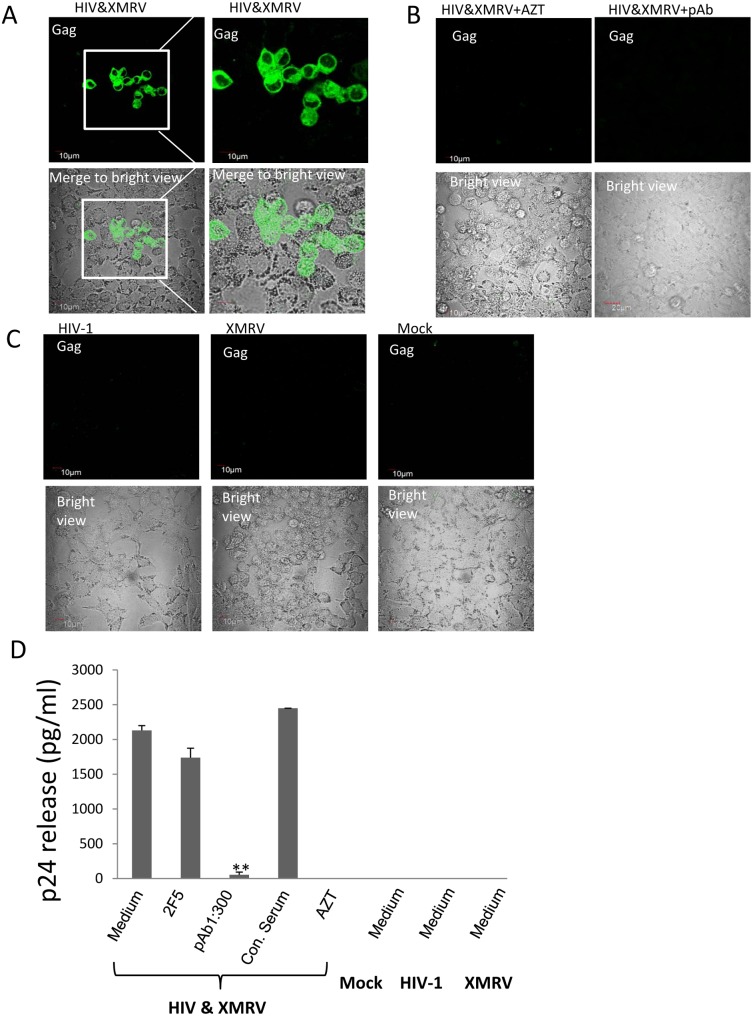
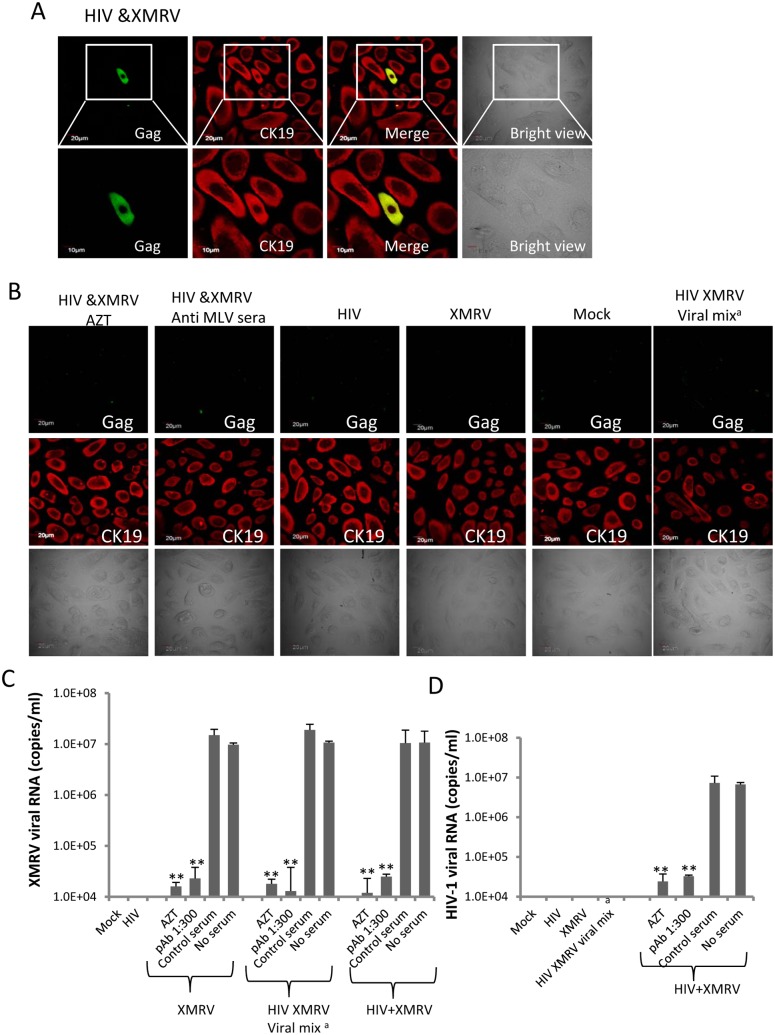
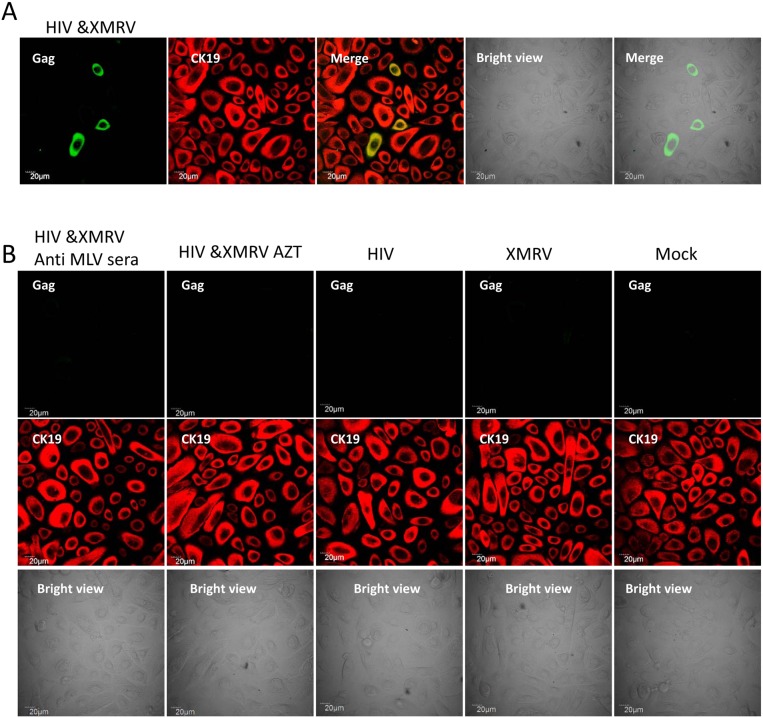
The global AIDS pandemic continues to expand and in some regions of the world, such as southern Africa, the prevalence of HIV-1 infection exceeds 20%. The devastating spread of the virus in young women in these countries appears disproportional to overall risk of infection. Regions with high prevalence of HIV-1 are often also highly endemic for other pathogenic viruses including HSV, CMV and HTLV. We propose that acquisition by HIV-1 of the envelope glycoproteins of other viruses, in a process we call "natural pseudotyping," expands the cellular tropism of HIV-1, enabling it to infect female genital epithelial cells directly and thereby dramatically increasing risk of infection during sexual intercourse. In this proof-of-concept study, we demonstrate that when HIV-1 co-infects T cells along with the gammaretrovirus xenotropic murine leukemia virus-related virus (XMRV), progeny HIV-1 particles are produced capable of infecting primary vaginal, ectocervical and endocervical epithelial cells. These cell types are normally resistant to HIV-1 infection. Infection of primary genital cells was neutralized by antisera against the XMRV glycoprotein, confirming that infection was mediated by the XMRV glycoprotein acquired through pseudotyping of HIV. Inhibition by AZT showed that active replication of HIV-1 occurred in these cells and ruled out non-specific endocytic uptake of the virus. These results demonstrate that natural pseudotyping can expand the tropism of HIV-1 to include genital epithelial cells and have potential implications for sexual transmission of the virus.
全球艾滋病大流行仍在继续蔓延,在世界上的一些地区,如南部非洲,HIV-1感染率超过20%。在这些国家,该病毒在年轻女性中的毁灭性传播似乎与总体感染风险不成比例。HIV-1高流行地区往往也是包括单纯疱疹病毒(HSV)、巨细胞病毒(CMV)和人类嗜T淋巴细胞病毒(HTLV)在内的其他致病病毒的高流行地区。我们提出,HIV-1通过一个我们称为“自然假型化”的过程获得其他病毒的包膜糖蛋白,从而扩大了HIV-1的细胞嗜性,使其能够直接感染女性生殖上皮细胞,进而显著增加性交期间的感染风险。在这项概念验证研究中,我们证明,当HIV-1与γ逆转录病毒嗜异性小鼠白血病病毒相关病毒(XMRV)共同感染T细胞时,产生的子代HIV-1颗粒能够感染原代阴道、宫颈外口和宫颈内口上皮细胞。这些细胞类型通常对HIV-1感染具有抗性。针对XMRV糖蛋白的抗血清可中和原代生殖细胞的感染,这证实感染是由通过HIV假型化获得的XMRV糖蛋白介导的。齐多夫定(AZT)的抑制作用表明HIV-1在这些细胞中发生了活跃复制,并排除了病毒的非特异性内吞摄取。这些结果表明,自然假型化可扩大HIV-1的嗜性,使其包括生殖上皮细胞,并对该病毒的性传播具有潜在影响。