Fakhri Maryam, Imani Elham Faghih, Khalili Noushin
Medical Students' Research Center, Isfahan University of Medical Sciences, Isfahan, India.
Department of Internal Medicine, Isfahan Endocrine and Metabolism Research Center, Isfahan University of Medical Sciences, Isfahan, India.
J Res Med Sci. 2014 Apr;19(4):287-92.
The beneficial effect of using nonacetylated salicylates such as salsalate on decreasing the speed of diabetes progression is a controversial issue. The aim of this study was to evaluate the effect of salsalate on metabolic-syndrome-associated parameters as well as the endothelial function of diabetic and impaired glucose tolerance patients.
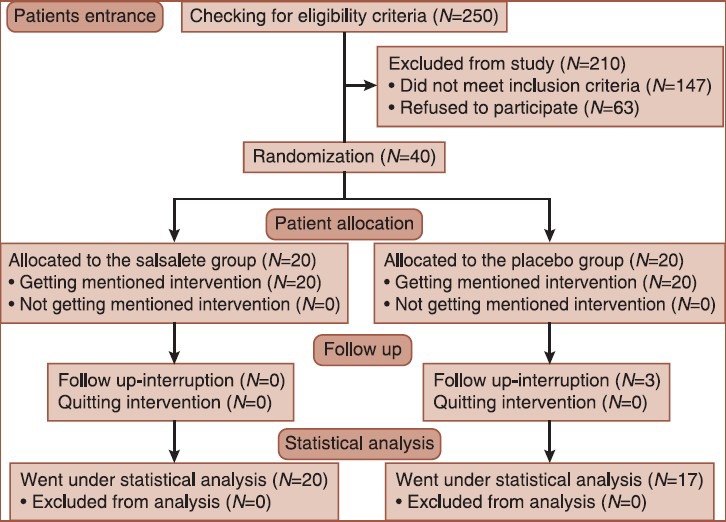
Patients were collected from Isfahan endocrinology research center referrals. Patients with impaired glucose tolerance diagnosis or newly diagnosed diabetes were enrolled in the study. Patients were randomized to receive 1.5 g salsalate (2 × 750 mg) BID or placebo twice a day for 3 months. After the mentioned period, all patients were recalled and complete examination was done; blood samples for biochemistry measurements were drawn (for measuring FBS, post prandial glucose, HbA1C, Total cholesterol, HDL, TG, LDL) and forearm flow-mediated dilation (FMD) was performed.
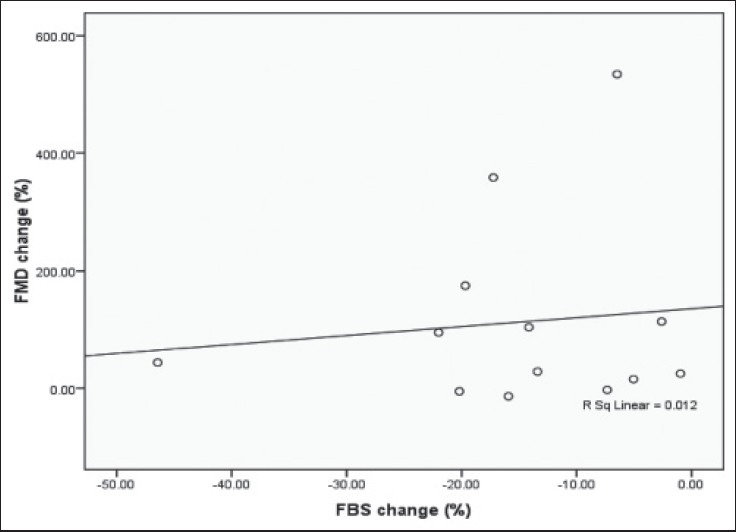
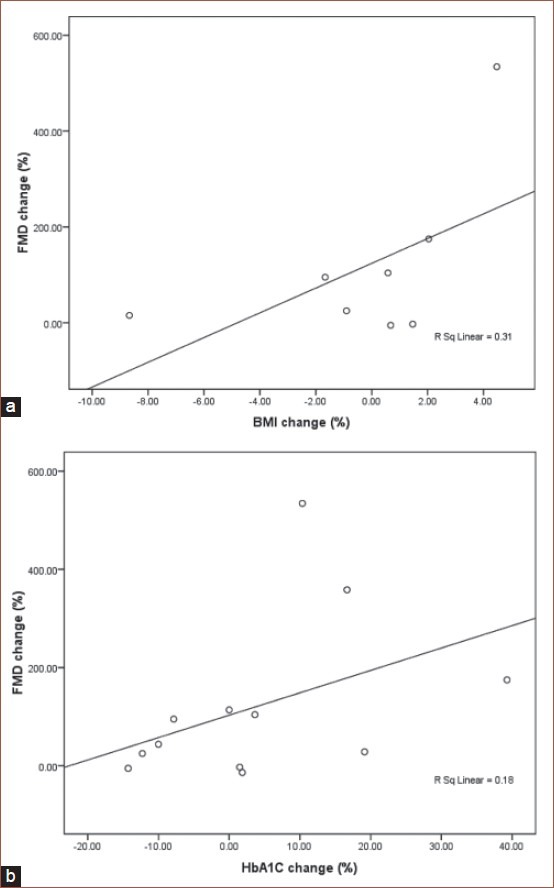
Forty patients were enrolled, 32 patients (80%) were female. Mean age of patients was 47.15 ± 6.67 years. FBS (fasting blood sugar) was shown to be significantly different between intervention and control subjects before or after treatment. FMD increased significantly in the intervention group (P = 0.004).
The study showed that salsalate decreased FBS levels of patients. It may also improve endothelial function as FMD increased significantly in the intervention group.