Wang Lifen, Zeng Xiankun, Ryoo Hyung Don, Jasper Heinrich
Buck Institute for Research on Aging, Novato, California, United States of America.
Basic Research Laboratory, Center for Cancer Research, National Cancer Institute, Frederick, Maryland, United States of America.
PLoS Genet. 2014 Aug 28;10(8):e1004568. doi: 10.1371/journal.pgen.1004568. eCollection 2014 Aug.
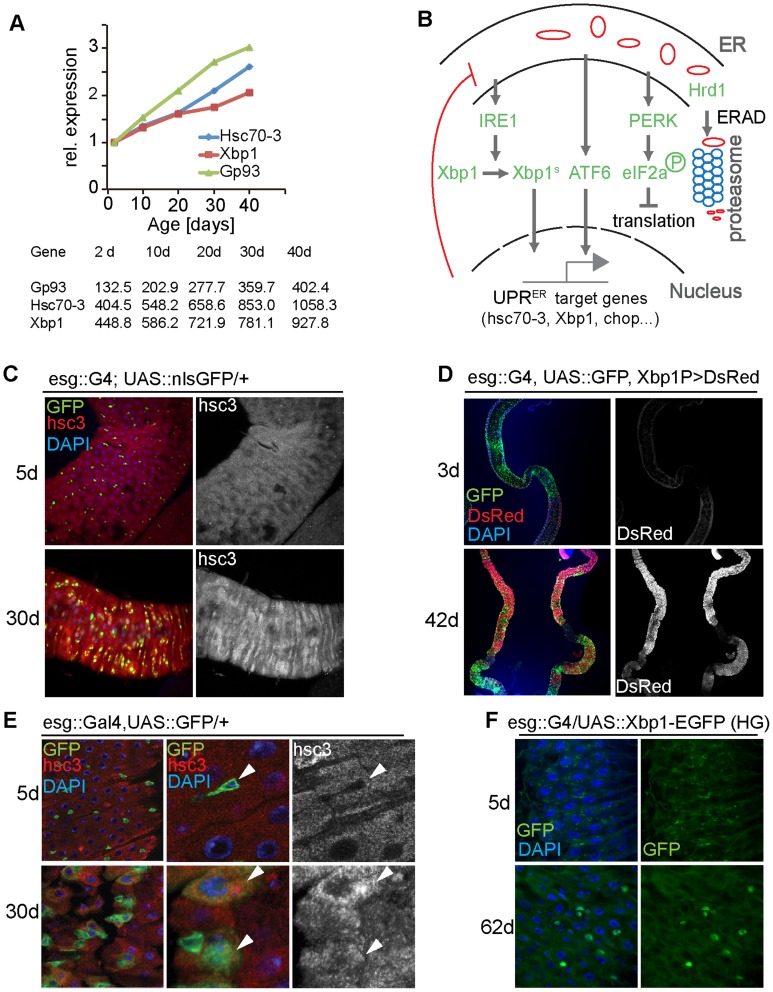
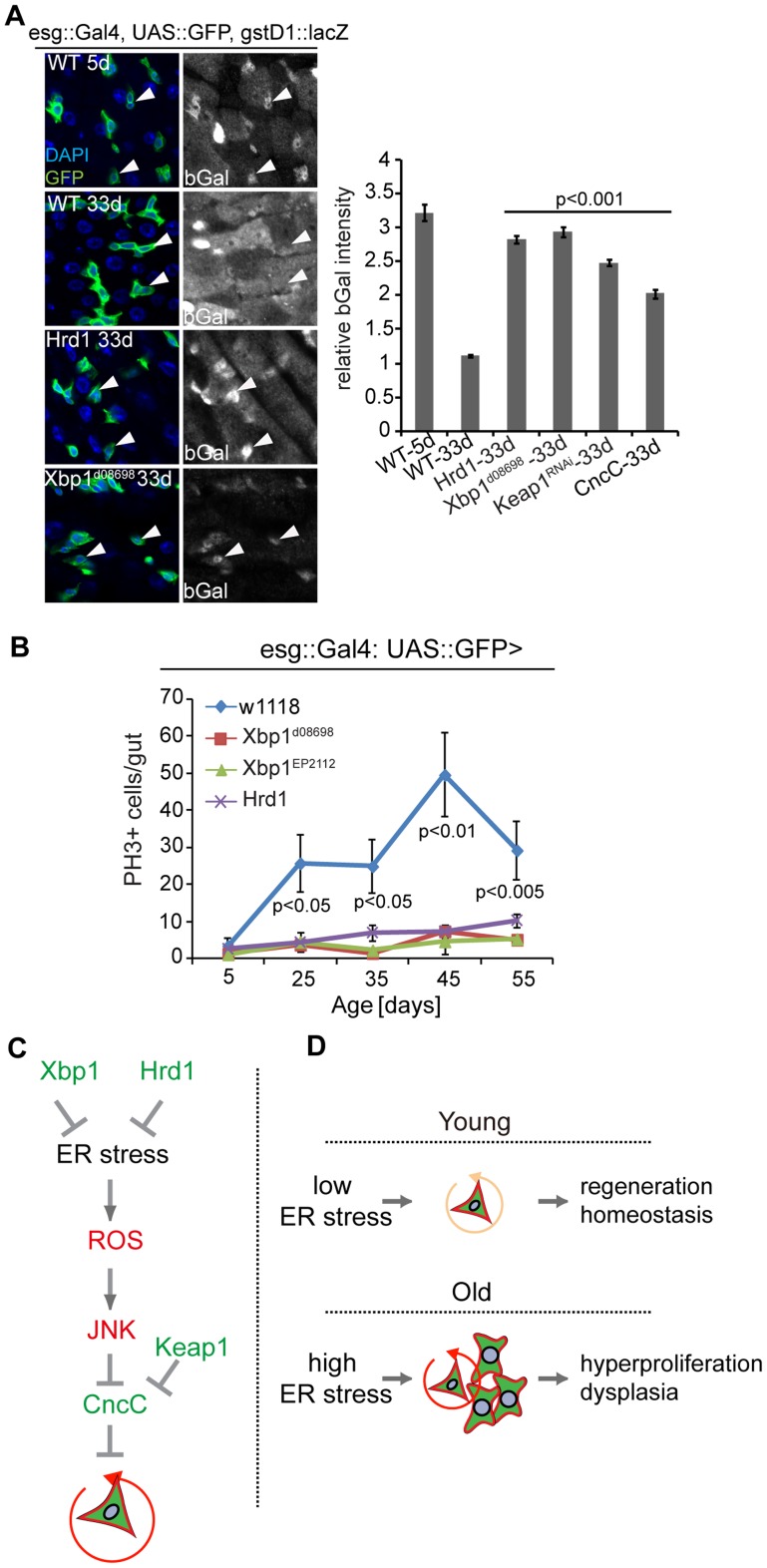
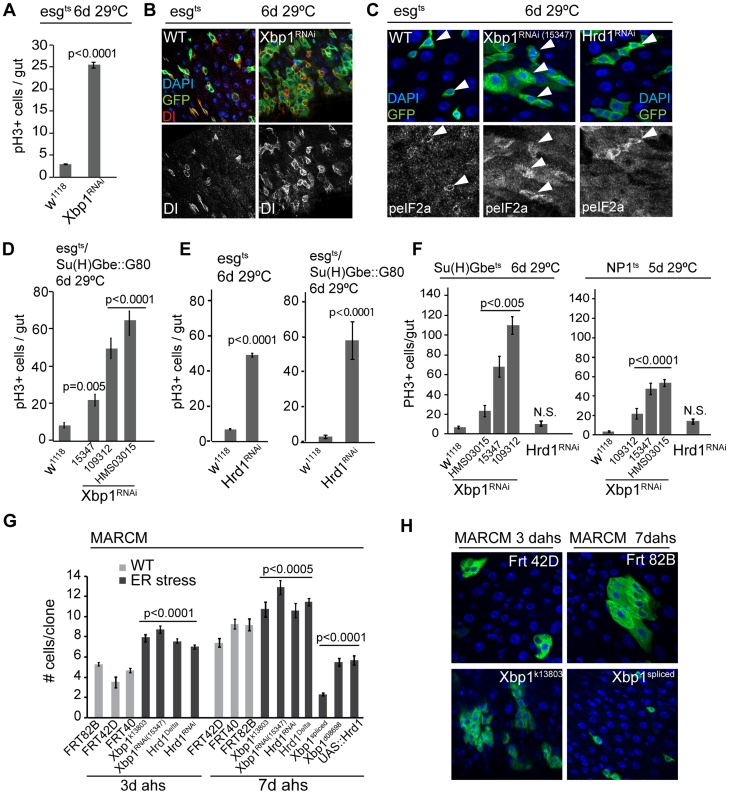
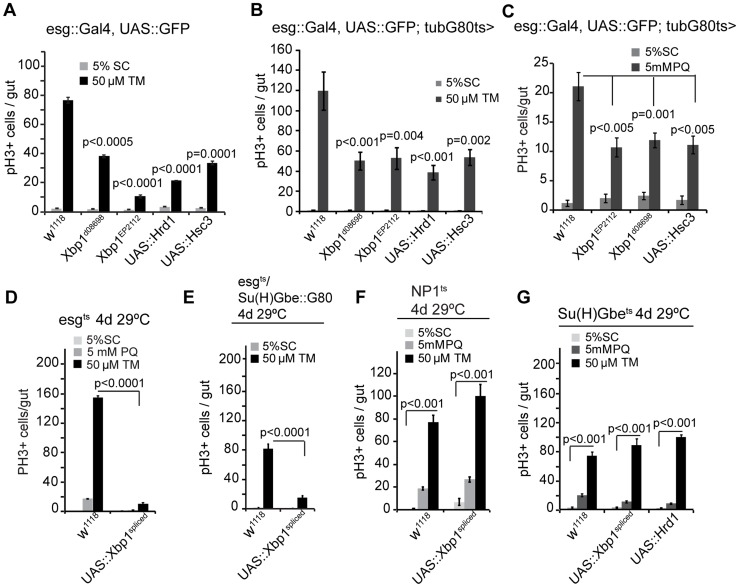
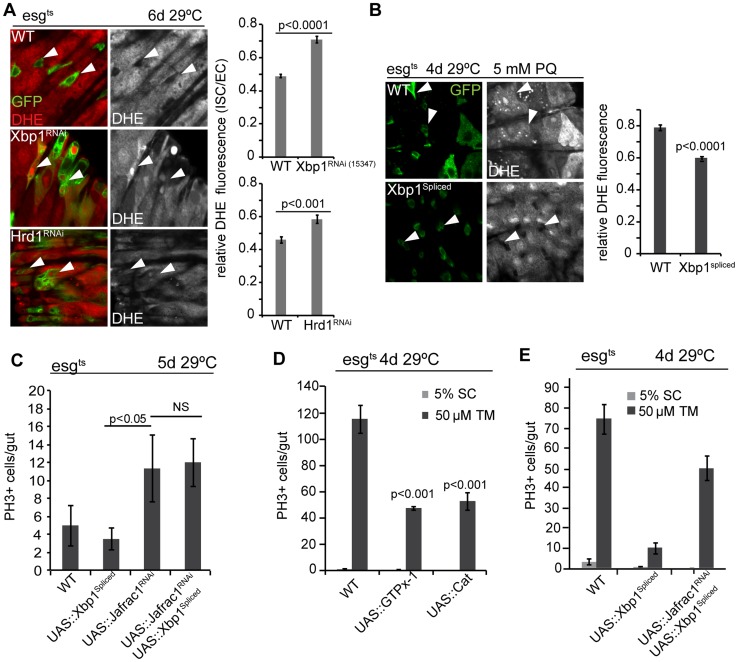
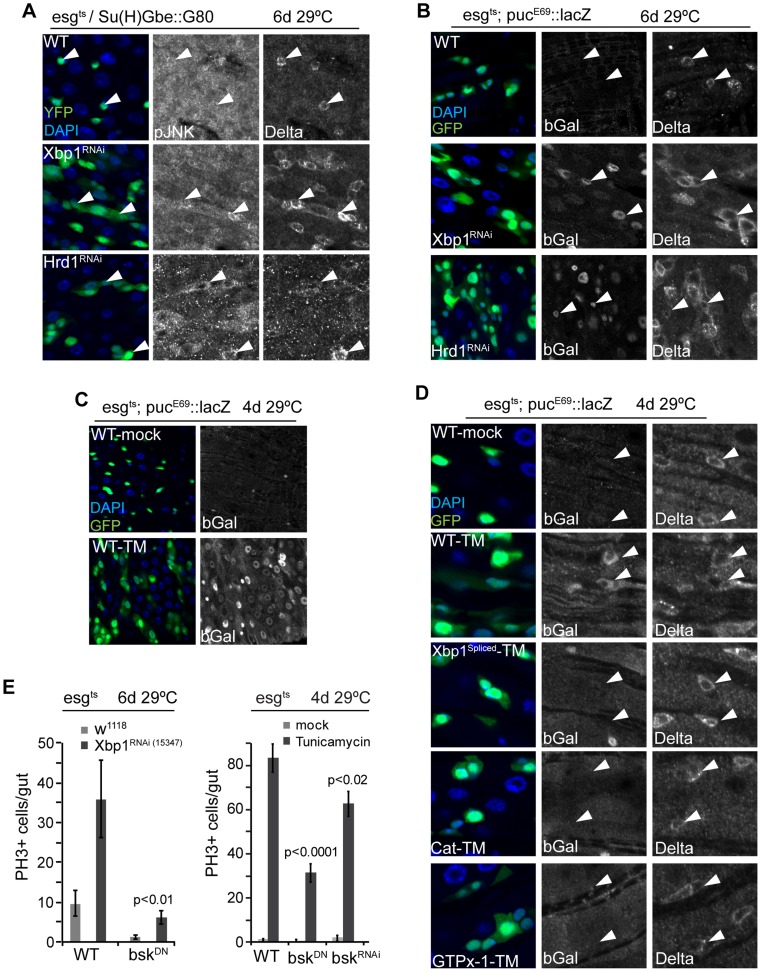
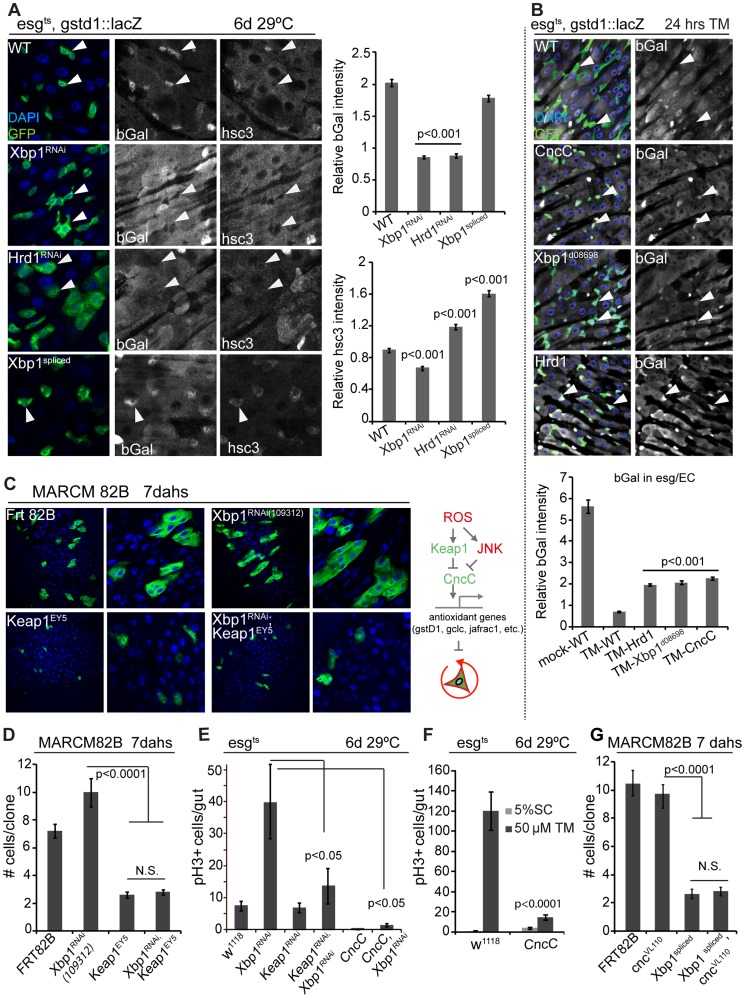
The Unfolded Protein Response of the endoplasmic reticulum (UPRER) controls proteostasis by adjusting the protein folding capacity of the ER to environmental and cell-intrinsic conditions. In metazoans, loss of proteostasis results in degenerative and proliferative diseases and cancers. The cellular and molecular mechanisms causing these phenotypes remain poorly understood. Here we show that the UPRER is a critical regulator of intestinal stem cell (ISC) quiescence in Drosophila melanogaster. We find that ISCs require activation of the UPRER for regenerative responses, but that a tissue-wide increase in ER stress triggers ISC hyperproliferation and epithelial dysplasia in aging animals. These effects are mediated by ISC-specific redox signaling through Jun-N-terminal Kinase (JNK) and the transcription factor CncC. Our results identify a signaling network of proteostatic and oxidative stress responses that regulates ISC function and regenerative homeostasis in the intestinal epithelium.
内质网未折叠蛋白反应(UPRER)通过根据环境和细胞内在条件调节内质网的蛋白质折叠能力来控制蛋白质稳态。在多细胞动物中,蛋白质稳态的丧失会导致退行性、增殖性疾病及癌症。导致这些表型的细胞和分子机制仍知之甚少。在此,我们表明UPRER是果蝇肠道干细胞(ISC)静止状态的关键调节因子。我们发现ISC需要激活UPRER才能产生再生反应,但内质网应激在全组织范围内的增加会引发衰老动物的ISC过度增殖和上皮发育异常。这些效应是由通过Jun-N端激酶(JNK)和转录因子CncC的ISC特异性氧化还原信号介导的。我们的研究结果确定了一个蛋白质稳态和氧化应激反应的信号网络,该网络调节肠道上皮中的ISC功能和再生稳态。