
巴基斯坦丙型肝炎病毒NS3解旋酶的对接研究:一个可能的抗病毒药物靶点。
Docking studies of Pakistani HCV NS3 helicase: a possible antiviral drug target.
作者信息
Fatima Kaneez, Mathew Shilu, Suhail Mohd, Ali Ashraf, Damanhouri Ghazi, Azhar Esam, Qadri Ishtiaq
机构信息
IQ Institute of Infection and Immunity, Lahore, Punjab, Pakistan.
Center of Excellence in Genomic Medicine Research, King Abdul Aziz University, Jeddah, Saudi Arabia.
出版信息
PLoS One. 2014 Sep 4;9(9):e106339. doi: 10.1371/journal.pone.0106339. eCollection 2014.
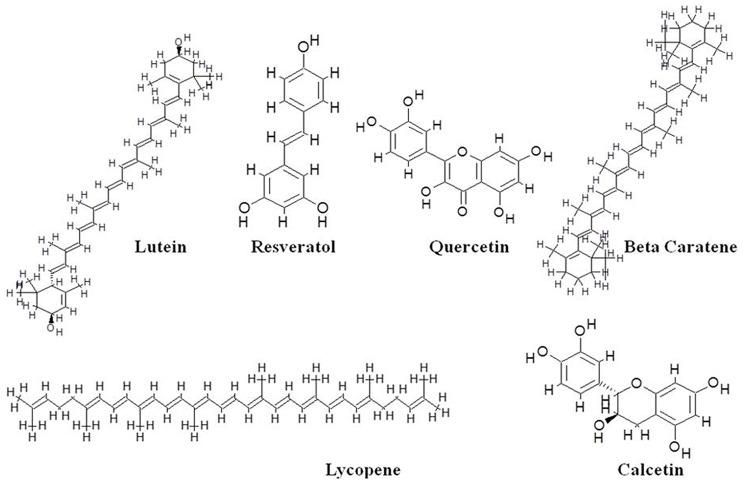
The nonstructural protein 3 (NS3) of hepatitis C virus (HCV) helicase is believed to be essential for viral replication and has become an attractive target for the development of antiviral drugs. The study of helicase is useful for elucidating its involvement in positive sense single-stranded RNA virus replication and to serve as templates for the design of novel antiviral drugs. In recent years, several models have been proposed on the conformational change leading to protein movement and RNA unwinding. Some compounds have been recently reported to inhibit the helicase and these include small molecules, RNA aptamers and antibodies. The current study is designed to help gain insights for the consideration of potential inhibitors for Pakistani HCV NS3 helicase protein. We have cloned, expressed and purified HCV NS3 helicase from Pakistani HCV serum samples and determined its 3D structure and employed it further in computational docking analysis to identify inhibitors against HCV genotype 3a (GT3a),including six antiviral key molecules such as quercetin, beta-carotene, resveratrol, catechins, lycopene and lutein. The conformation obtained after docking showed good hydrogen bond (HBond) interactions with best docking energy for quercetin and catechins followed by resveratrol and lutein. These anti-helicase key molecules will offer an alternative attraction to target the viral helicase, due to the current limitation with the interferon resistance treatment and presences of high rate of resistance in anti-protease inhibitor classes.
丙型肝炎病毒(HCV)解旋酶的非结构蛋白3(NS3)被认为对病毒复制至关重要,已成为抗病毒药物开发的一个有吸引力的靶点。对解旋酶的研究有助于阐明其在正链单链RNA病毒复制中的作用,并为新型抗病毒药物的设计提供模板。近年来,已经提出了几种关于导致蛋白质移动和RNA解旋的构象变化的模型。最近有报道称一些化合物可抑制解旋酶,这些化合物包括小分子、RNA适体和抗体。当前的研究旨在帮助深入了解巴基斯坦HCV NS3解旋酶蛋白潜在抑制剂的相关情况。我们从巴基斯坦HCV血清样本中克隆、表达并纯化了HCV NS3解旋酶,确定了其三维结构,并进一步将其用于计算对接分析,以鉴定针对丙型肝炎病毒3a基因型(GT3a)的抑制剂,包括槲皮素、β-胡萝卜素、白藜芦醇、儿茶素、番茄红素和叶黄素这六种抗病毒关键分子。对接后获得的构象显示,槲皮素和儿茶素与最佳对接能量具有良好的氢键(HBond)相互作用,其次是白藜芦醇和叶黄素。由于目前干扰素耐药治疗存在局限性以及抗蛋白酶抑制剂类药物耐药率较高,这些抗解旋酶关键分子将为靶向病毒解旋酶提供另一种有吸引力的选择。




 Zotero 插件