Department of Brain Science, Graduate School, Daegu Gyeungbuk Institute of Science and Technology (DGIST), Daegu, Korea.
Department of Neuroscience, The Johns Hopkins University School of Medicine, Baltimore, MD, USA.
Endocrinol Metab (Seoul). 2014 Sep;29(3):356-62. doi: 10.3803/EnM.2014.29.3.356. Epub 2014 Sep 25.
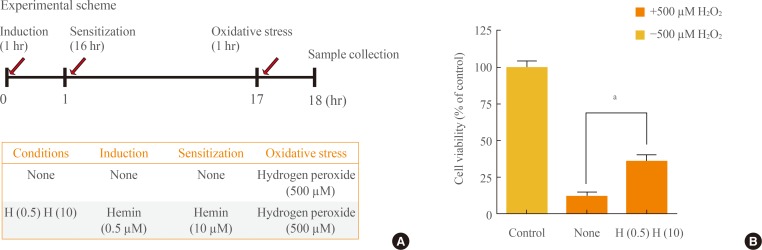
Reperfusion in ischemia is believed to generate cytotoxic oxidative stress, which mediates reperfusion injury. These stress conditions can initiate lipid peroxidation and damage to proteins, as well as promote DNA strand breaks. As biliverdin and bilirubin produced by heme oxygenase isoform 1 (HO-1) have antioxidant properties, the production of both antioxidants by HO-1 may help increase the resistance of the ischemic brain to oxidative stress. In the present study, the survival effect of HO-1 was confirmed using hemin.
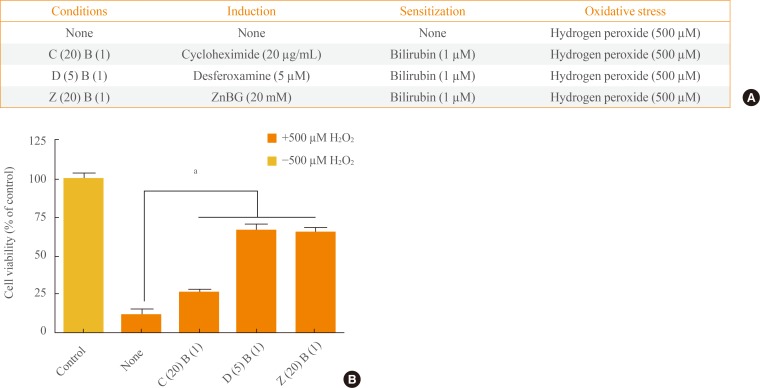
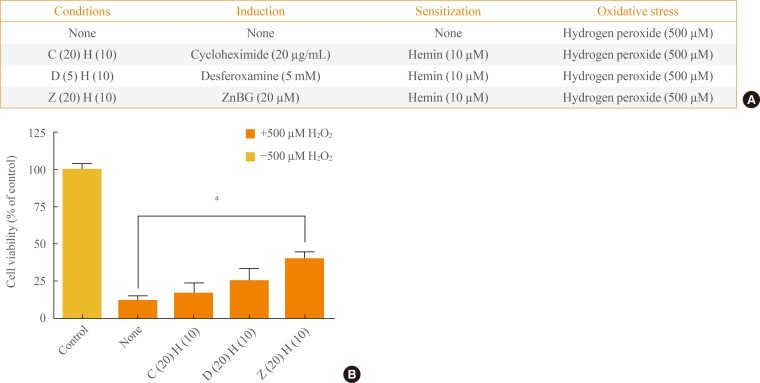
To confirm the roles of HO-1, carbon monoxide, and cyclic guanosine monophosphate further in the antioxidant effect of HO-1 and bilirubin, cells were treated with cycloheximide, desferoxamine, and zinc deuteroporphyrin IX 2,4 bis glycol, respectively.
HO-1 itself acted as an antioxidant. Furthermore, iron, rather than carbon monoxide, was involved in the HO-1-mediated survival effect. HO-1 activity was also important in providing bilirubin as an antioxidant.
Our results suggested that HO-1 helped to increase the resistance of the ischemic brain to oxidative stress.
再灌注缺血被认为会产生细胞毒性氧化应激,从而介导再灌注损伤。这些应激条件会引发脂质过氧化和蛋白质损伤,并促进 DNA 链断裂。由于血红素加氧酶同工酶 1(HO-1)产生的胆红素和胆红素具有抗氧化特性,因此 HO-1 产生的这两种抗氧化剂可能有助于增加缺血性大脑对氧化应激的抵抗力。在本研究中,使用血红素证实了 HO-1 的存活效应。
为了进一步确认 HO-1、一氧化碳和环鸟苷酸在 HO-1 和胆红素的抗氧化作用中的作用,分别用环己酰亚胺、去铁胺和锌原卟啉 IX 2,4 双乙二醇处理细胞。
HO-1 本身就是一种抗氧化剂。此外,参与 HO-1 介导的存活效应的是铁,而不是一氧化碳。HO-1 活性对于提供胆红素作为抗氧化剂也很重要。
我们的结果表明,HO-1 有助于增加缺血性大脑对氧化应激的抵抗力。