Acebes-Huerta Andrea, Huergo-Zapico Leticia, Gonzalez-Rodriguez Ana Pilar, Fernandez-Guizan Azahara, Payer Angel R, López-Soto Alejandro, Gonzalez Segundo
Department of Functional Biology, IUOPA, University of Oviedo, Facultad de Medicina, Julian Claveria sn, 33006 Oviedo, Spain.
Department of Hematology, Hospital Universitario Central de Asturias, C/Celestino Villamil s/n, 33006 Oviedo, Spain.
Biomed Res Int. 2014;2014:265840. doi: 10.1155/2014/265840. Epub 2014 Sep 17.
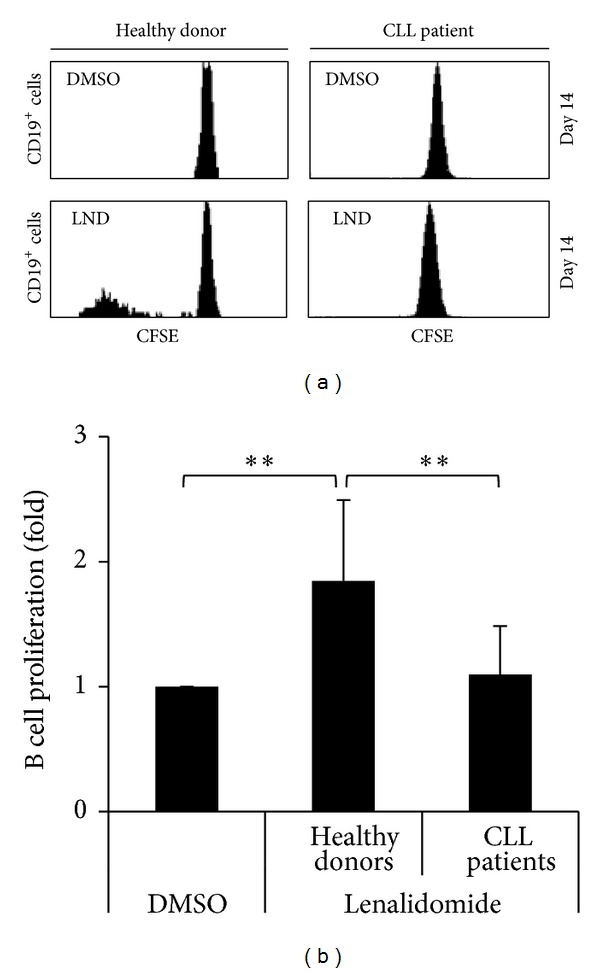
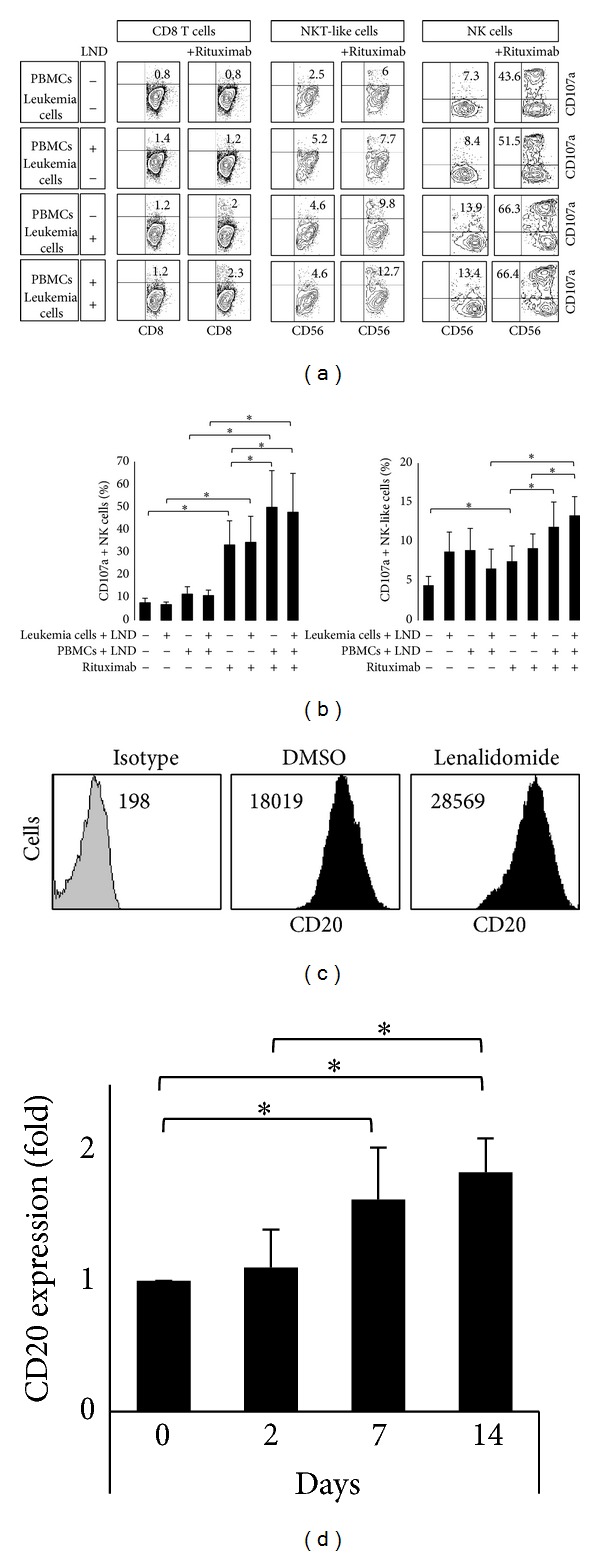
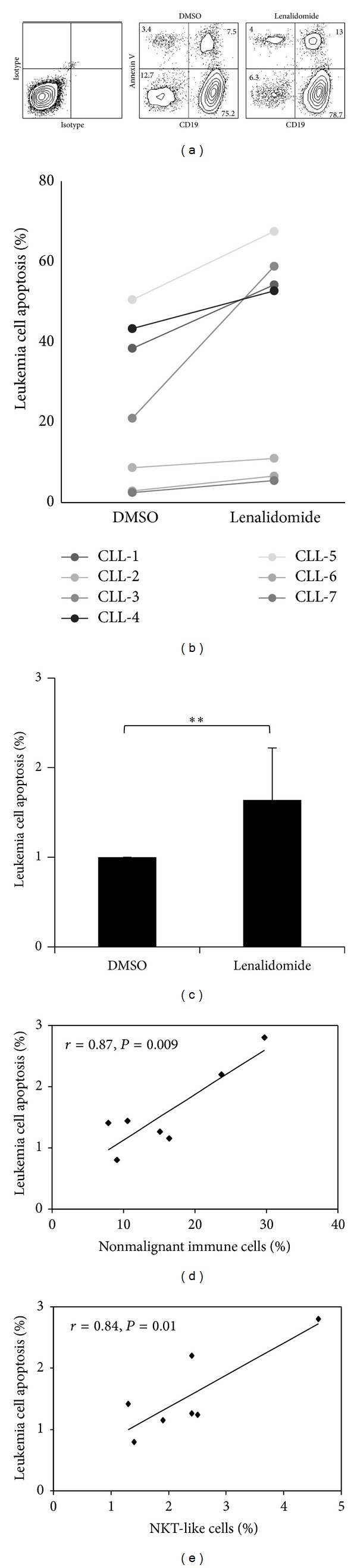
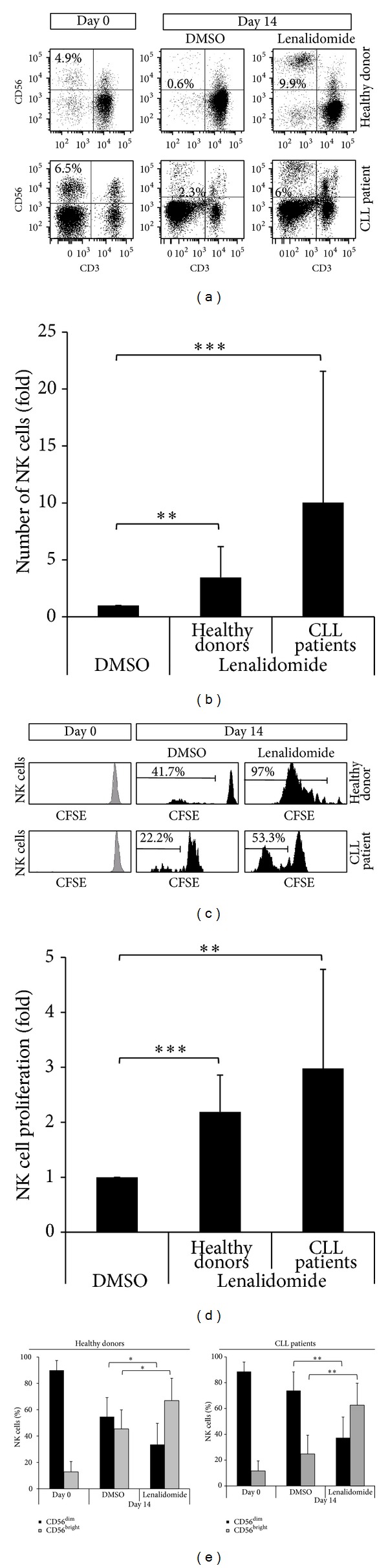
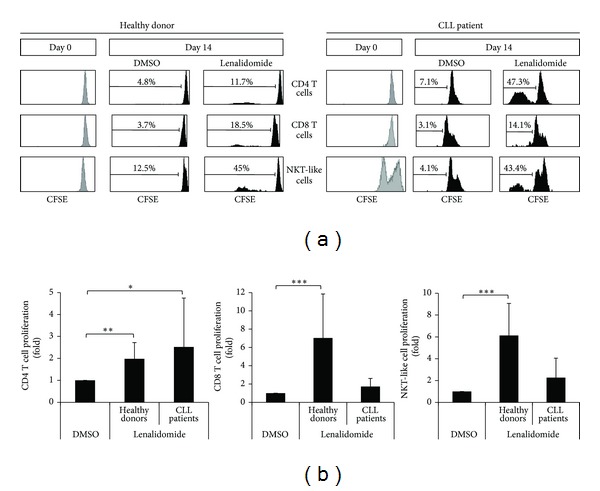
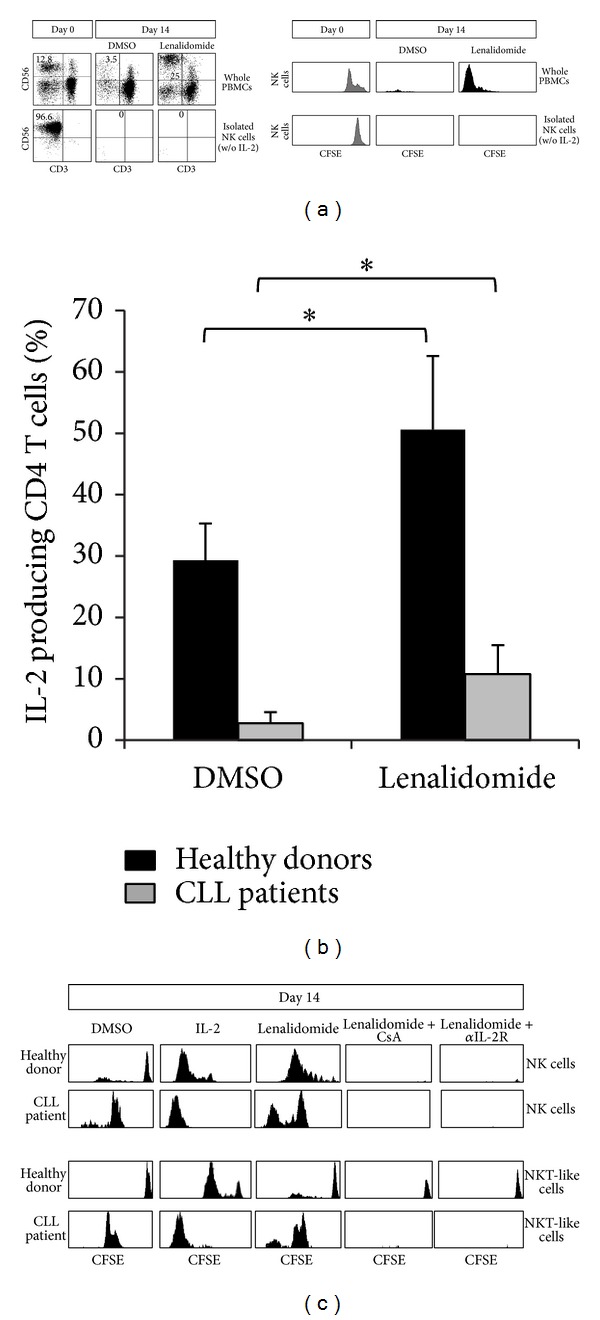
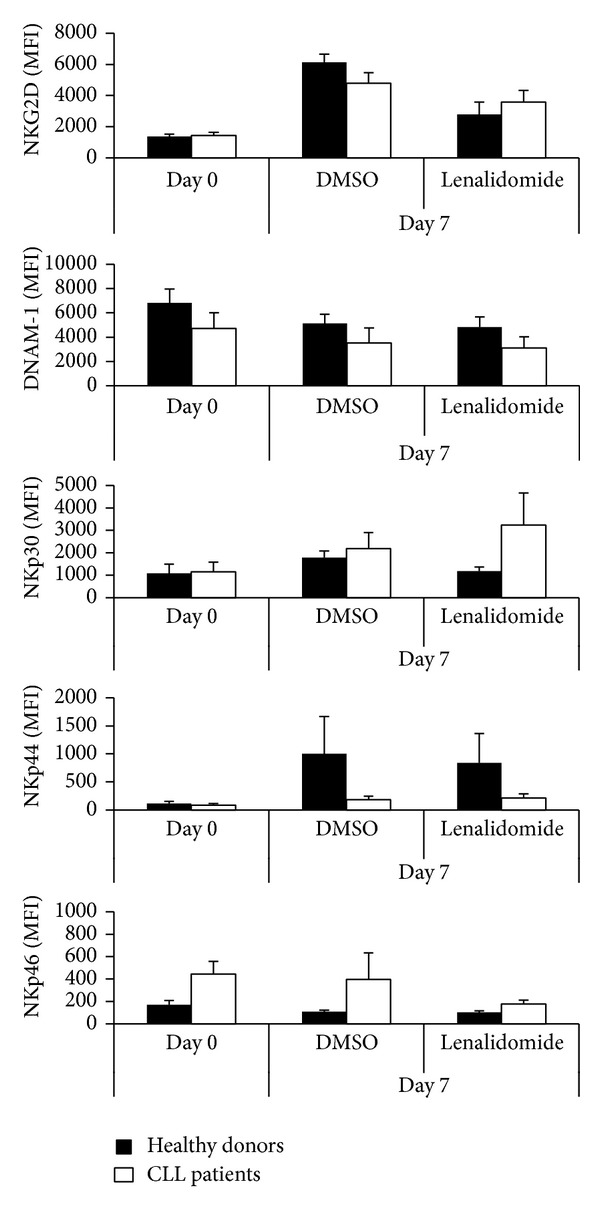
Lenalidomide is an immunomodulatory drug with therapeutic activity in chronic lymphocytic leukemia (CLL). However, it has pleiotropic effects, and the mechanism of action responsible for its therapeutic activity has not been well defined yet. Herein, we show that lenalidomide treatment does not have an effect on the proliferation of leukemia cells, but it increases the proliferation of B cells from healthy donors. Lenalidomide did not exert a direct effect on the apoptosis of leukemia cells obtained from CLL patients, although it indirectly induced their apoptosis through the activation of nonmalignant immune cells. Thus, lenalidomide markedly increased the proliferation of NK and CD4 T cells. The effect of lenalidomide on NK cells was secondary to the induction of IL-2 production by CD4 T cells. Accordingly, depletion of T cells or blockade of IL-2 activity completely abrogated the proliferation of NK cells. Additionally, lenalidomide enhanced NK and NKT-like cell-mediated natural cytotoxicity against leukemia cells from CLL patients. Lenalidomide also upregulated CD20 expression on leukemia cells and, accordingly, it had a synergistic effect with rituximab on promoting antibody-dependent cell-mediated cytotoxicity against primary leukemia cells. Overall, these observations provide a support for combining lenalidomide with rituximab as a treatment in CLL.
来那度胺是一种免疫调节药物,对慢性淋巴细胞白血病(CLL)具有治疗活性。然而,它具有多效性,其治疗活性的作用机制尚未完全明确。在此,我们表明来那度胺治疗对白血病细胞的增殖没有影响,但它能增加健康供体B细胞的增殖。来那度胺对CLL患者白血病细胞的凋亡没有直接作用,尽管它通过激活非恶性免疫细胞间接诱导其凋亡。因此,来那度胺显著增加了NK细胞和CD4 T细胞的增殖。来那度胺对NK细胞的作用继发于CD4 T细胞诱导的IL-2产生。相应地,T细胞耗竭或IL-2活性阻断完全消除了NK细胞的增殖。此外,来那度胺增强了NK细胞和NKT样细胞介导的对CLL患者白血病细胞的天然细胞毒性。来那度胺还上调了白血病细胞上CD20的表达,因此,它与利妥昔单抗在促进对原发性白血病细胞的抗体依赖性细胞介导的细胞毒性方面具有协同作用。总体而言,这些观察结果为来那度胺与利妥昔单抗联合用于CLL治疗提供了支持。