Gonzalez-Vicente Agustin, Cabral Pablo D, Garvin Jeffrey L
Department of Physiology and Biophysics, Case Western Reserve University, School of Medicine, Cleveland, Ohio, United States of America; Universidad de Buenos Aires, Facultad de Farmacia y Bioquímica, Ciudad Autónoma de Buenos Aires, Buenos Aires, Argentina.
Department of Physiology and Biophysics, Case Western Reserve University, School of Medicine, Cleveland, Ohio, United States of America; Universidad de Buenos Aires, Facultad de Medicina, Ciudad Autónoma de Buenos Aires, Buenos Aires, Argentina.
PLoS One. 2014 Oct 14;9(10):e110487. doi: 10.1371/journal.pone.0110487. eCollection 2014.
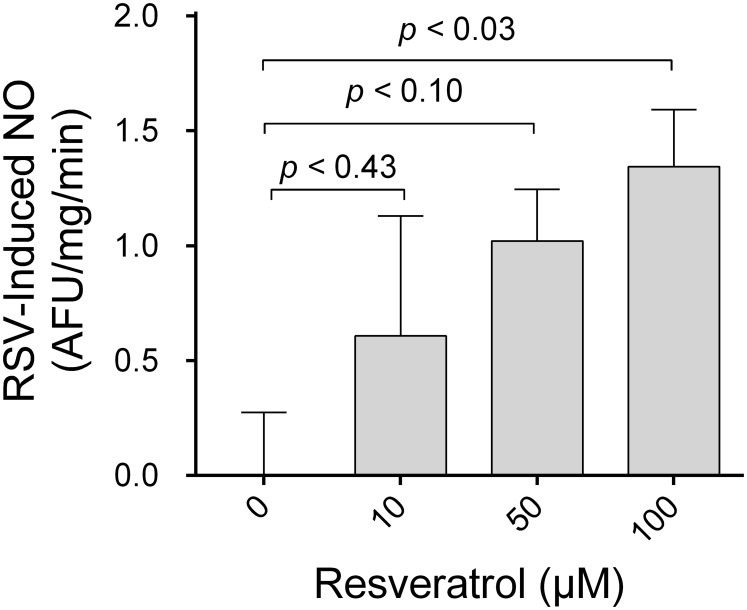
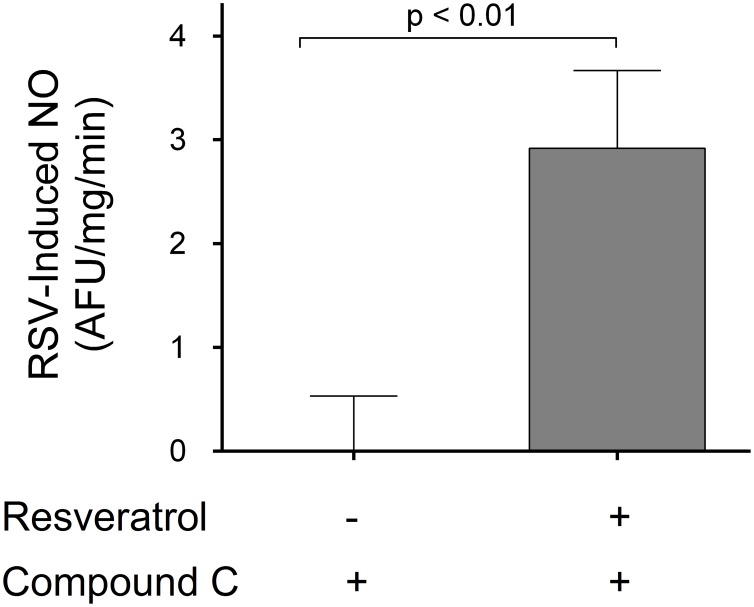
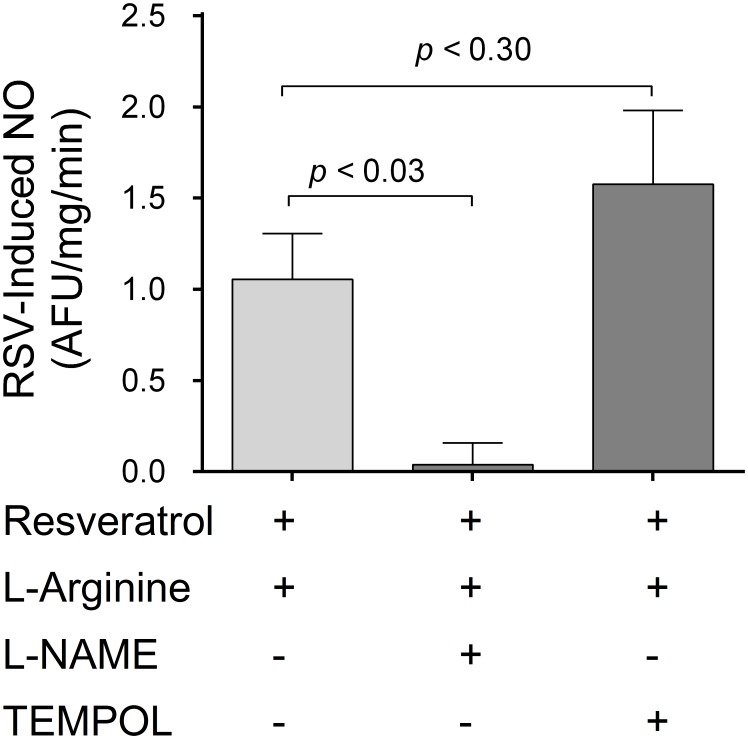
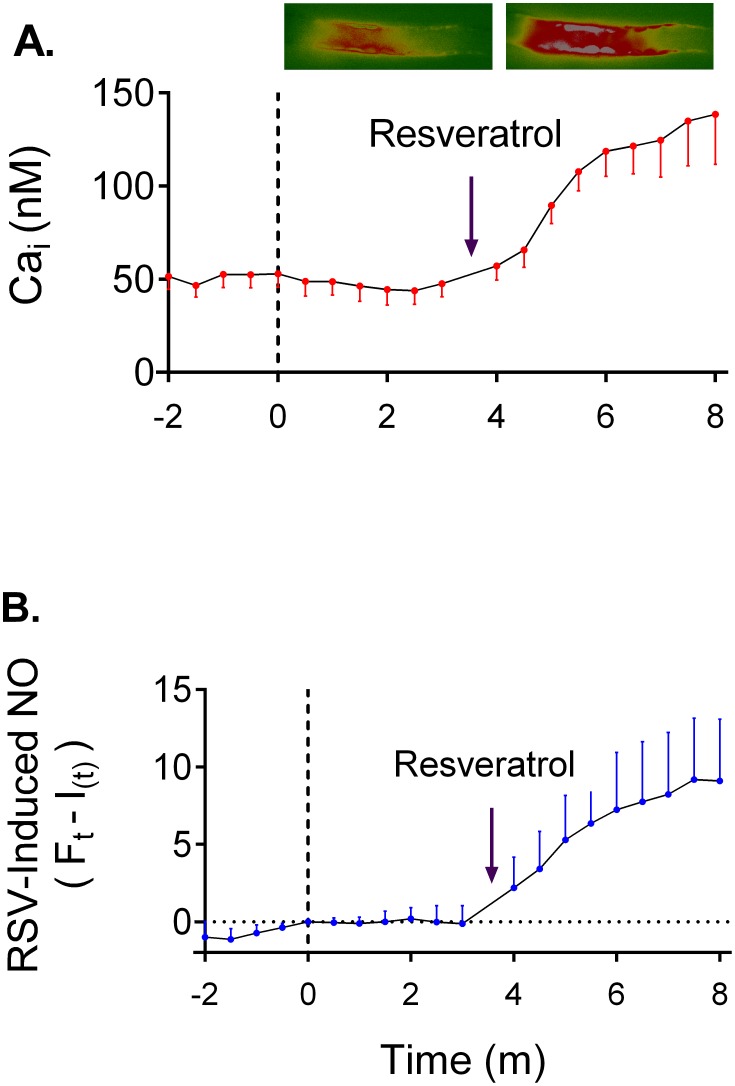
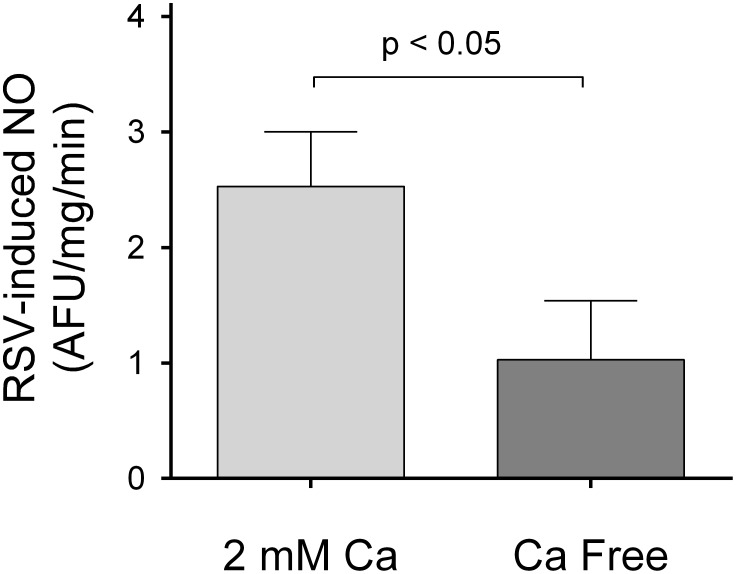
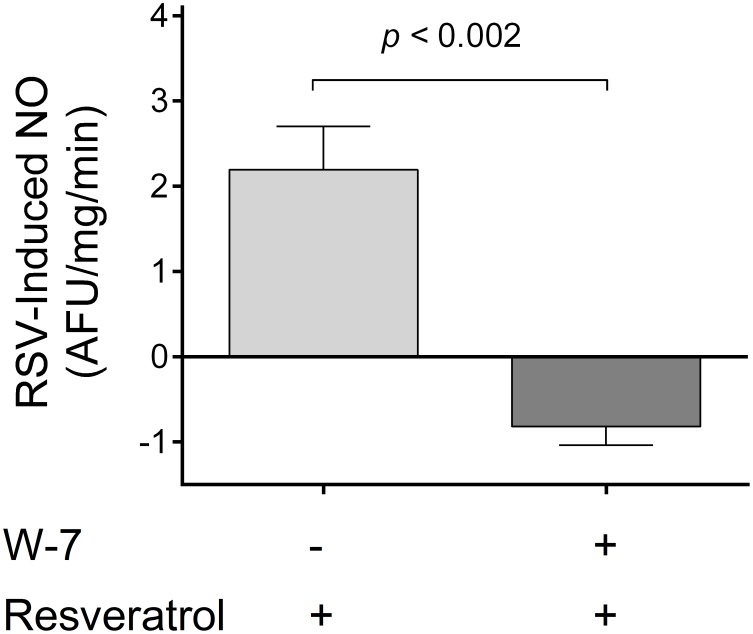
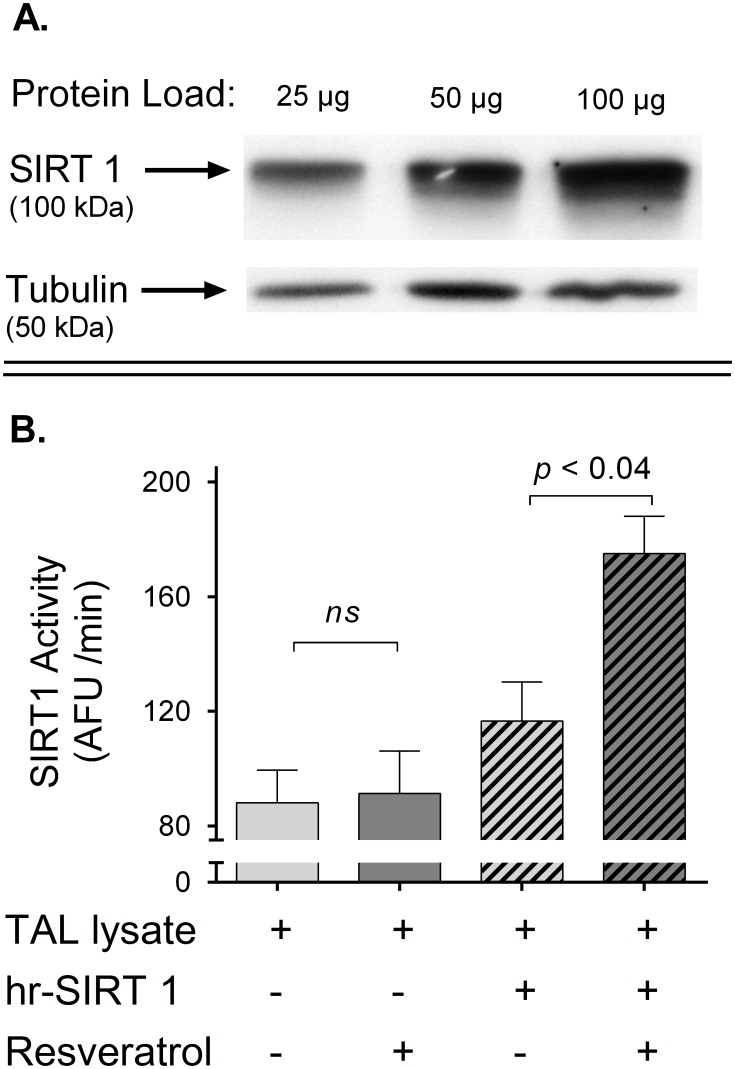
The thick ascending limb of the loop of Henle reabsorbs 30% of the NaCl filtered through the glomerulus. Nitric oxide (NO) produced by NO synthase 3 (NOS3) inhibits NaCl absorption by this segment. Resveratrol, a polyphenol, has beneficial cardiovascular and renal effects, many of which are mediated by NO. Resveratrol increases intracellular Ca2+ (Cai) and AMP kinase (AMPK) and NAD-dependent deacetylase sirtuin1 (SIRT1) activities, all of which could activate NO production. We hypothesized that resveratrol stimulates NO production by thick ascending limbs via a Ca2+/calmodulin-dependent mechanism. To test this, the effect of resveratrol on NO bioavailability was measured in thick ascending limb suspensions. Cai was measured in single perfused thick ascending limbs. SIRT1 activity and expression were measured in thick ascending limb lysates. Resveratrol (100 µM) increased NO bioavailability in thick ascending limb suspensions by 1.3±0.2 AFU/mg/min (p<0.03). The NOS inhibitor L-NAME blunted resveratrol-stimulated NO bioavailability by 96±11% (p<0.03). The superoxide scavenger tempol had no effect. Resveratrol elevated Cai from 48±7 to 135±24 nM (p<0.01) in single tubules. In Ca2+-free media, the resveratrol-induced increase in NO was blunted by 60±20% (p<0.05) and the rise in Cai reduced by 80%. Calmodulin inhibition prevented the resveratrol-induced increase in NO (p<0.002). AMPK inhibition had no effect. Resveratrol did not increase SIRT1 activity. We conclude that resveratrol increases NO production in thick ascending limbs via a Ca2+/calmodulin dependent mechanism, and SIRT1 and AMPK do not participate. Resveratrol-stimulated NO production in thick ascending limbs may account for part of its beneficial effects.
亨氏袢升支粗段重吸收经肾小球滤过的30%的氯化钠。由一氧化氮合酶3(NOS3)产生的一氧化氮(NO)抑制该节段对氯化钠的吸收。白藜芦醇是一种多酚,具有有益的心血管和肾脏作用,其中许多作用是由NO介导的。白藜芦醇可增加细胞内Ca2+(Cai)、AMP激酶(AMPK)和NAD依赖性脱乙酰酶sirtuin1(SIRT1)的活性,所有这些都可能激活NO的产生。我们推测白藜芦醇通过Ca2+/钙调蛋白依赖性机制刺激升支粗段产生NO。为了验证这一点,我们在升支粗段悬浮液中测量了白藜芦醇对NO生物利用度的影响。在单个灌注的升支粗段中测量Cai。在升支粗段裂解物中测量SIRT1的活性和表达。白藜芦醇(100µM)使升支粗段悬浮液中的NO生物利用度增加了1.3±0.2 AFU/毫克/分钟(p<0.03)。NOS抑制剂L-NAME使白藜芦醇刺激的NO生物利用度降低了96±11%(p<0.03)。超氧化物清除剂tempol没有影响。白藜芦醇使单个肾小管中的Cai从48±7升高至135±24 nM(p<0.01)。在无Ca2+的培养基中,白藜芦醇诱导的NO增加被减弱了60±20%(p<0.05),Cai的升高降低了80%。钙调蛋白抑制可阻止白藜芦醇诱导的NO增加(p<0.002)。AMPK抑制没有影响。白藜芦醇没有增加SIRT1的活性。我们得出结论,白藜芦醇通过Ca2+/钙调蛋白依赖性机制增加升支粗段中NO的产生,并且SIRT1和AMPK不参与其中。白藜芦醇刺激升支粗段产生NO可能是其有益作用的部分原因。