Di Ran, He Jianning, Song Shuhui, Tian Dongmei, Liu Qiuyue, Liang Xiaojun, Ma Qing, Sun Min, Wang Jiandong, Zhao Wenming, Cao Guiling, Wang Jinxin, Yang Zhimin, Ge Ying, Chu Mingxing
Key Laboratory of Farm Animal Genetic Resources and Germplasm Innovation of Ministry of Agriculture, Institute of Animal Science, Chinese Academy of Agricultural Sciences, No, 2, Yuanmingyuan West Rd, Beijing, China.
BMC Genomics. 2014 Oct 15;15(1):899. doi: 10.1186/1471-2164-15-899.
Seasonal estrus is a critical limiting factor of animal fecundity, and it involves changes in both ovarian biology and hormone secretion in different seasons. Previous studies indicate that two classes of small RNAs (miRNAs and piRNAs) play important regulatory roles in ovarian biology. To understand the roles of small RNA-mediated post-transcriptional regulation in ovine seasonal estrus, the variation in expression patterns of ovarian small RNAs during anestrus and the breeding season were analyzed using Solexa sequencing technology. In addition, reproductive hormone levels were determined during ovine anestrus and the breeding season.
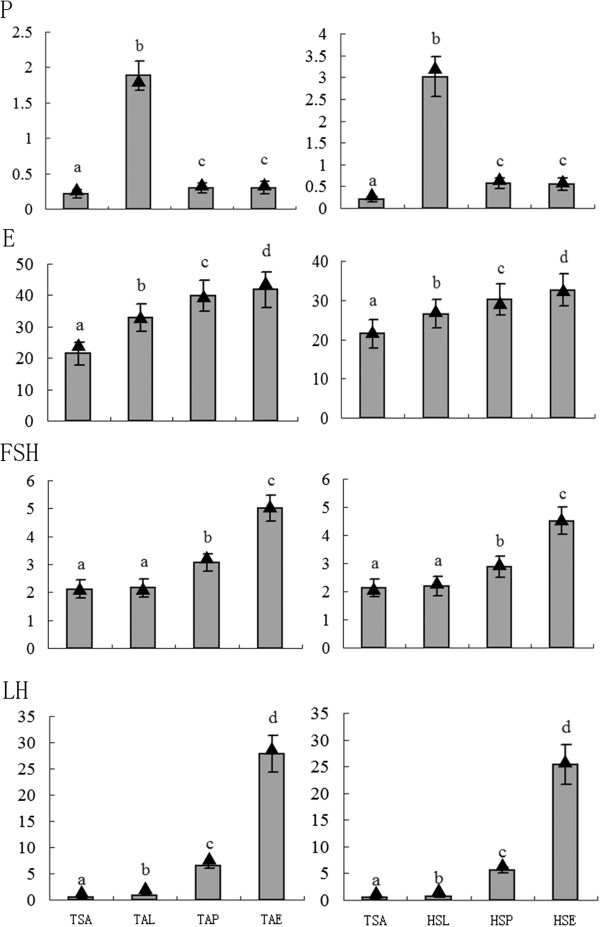
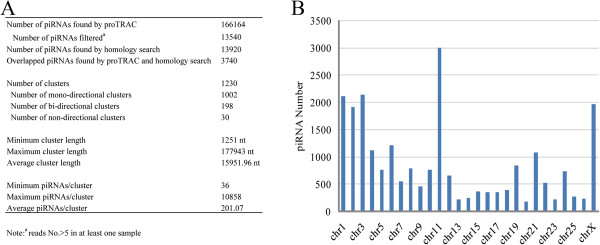
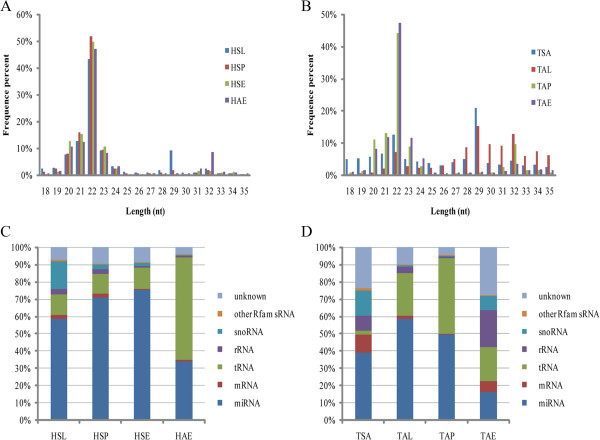
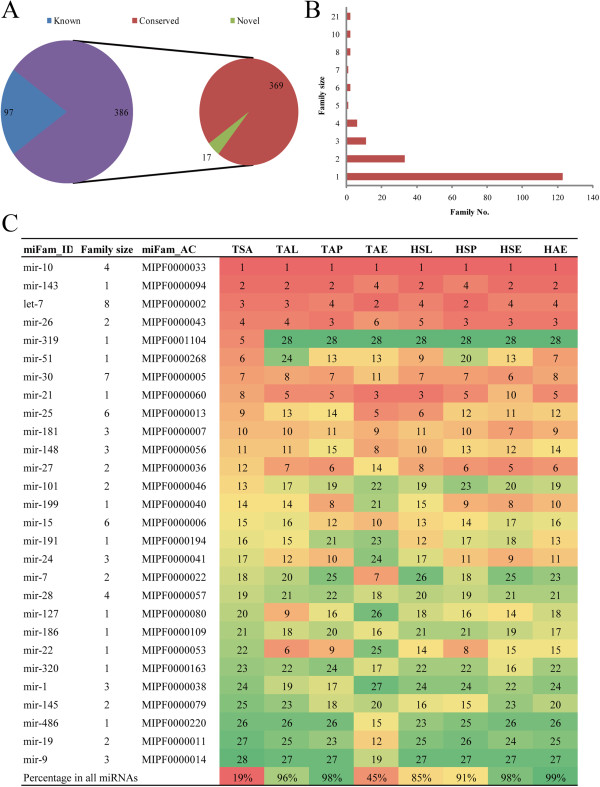
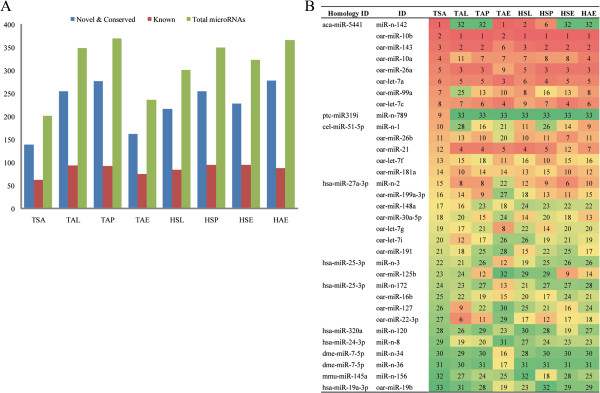
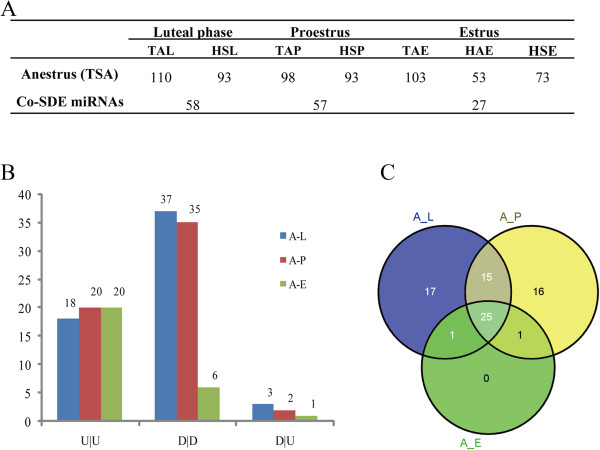
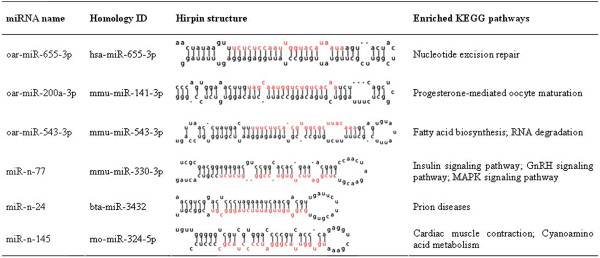
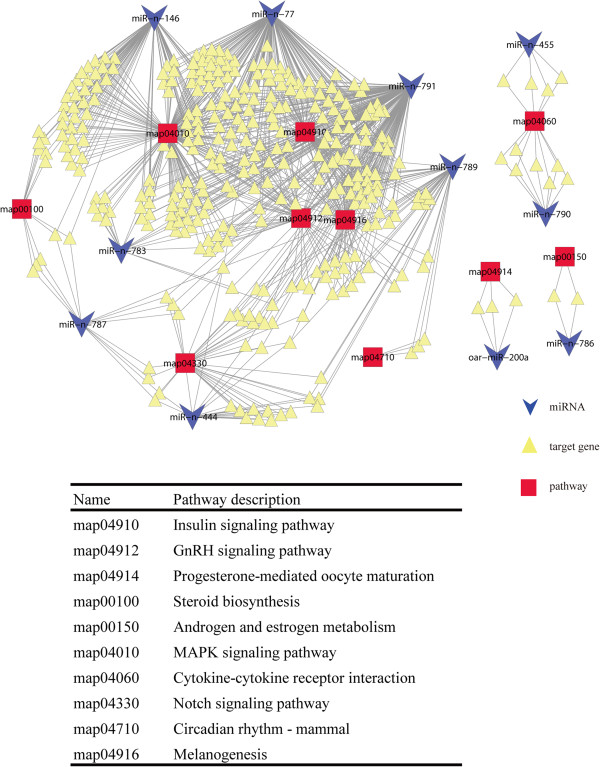
A total of 483 miRNAs (including 97 known, 369 conserved and 17 predicated novel miRNAs), which belong to 183 different miRNA families, were identified in ovaries of Tan sheep and Small Tail Han (STH) sheep. Compared with the three stages of the breeding season, 25 shared significantly differentially expressed (including 19 up- and six down-regulated) miRNAs were identified in ovine anestrus. KEGG Pathway analysis revealed that the target genes for some of the differentially expressed miRNAs were involved in reproductive hormone related pathways (e.g. steroid biosynthesis, androgen and estrogen metabolism and GnRH signaling pathway) as well as follicular/luteal development related pathways. Moreover, the expression of the differentially expressed miRNAs and most of their target genes were negatively correlated in the above pathways. Furthermore, the levels of estrogen, progesterone and LH in ovine anestrus were significantly lower than those in the breeding season. Combining the results of pathway enrichment analysis, expression of target genes and hormone measurement, we suggest that these differentially expressed miRNAs in anestrus might participate in attenuation of ovarian activity by regulating the above pathways. Besides miRNAs, a large and unexpectedly diverse set of piRNAs were also identified.
The miRNA profiles of ovine ovaries in anestrus were presented for the first time. The identification and characterization of miRNAs that are differentially expressed between ovine anestrus and the breeding season will help understanding of the role of miRNAs in the regulation of seasonal estrus, and provides candidates for determining miRNAs which could be potentially used to regulate ovine seasonal estrus.
季节性发情是动物繁殖力的关键限制因素,它涉及不同季节卵巢生物学和激素分泌的变化。先前的研究表明,两类小RNA(miRNA和piRNA)在卵巢生物学中发挥重要的调节作用。为了解小RNA介导的转录后调控在绵羊季节性发情中的作用,利用Solexa测序技术分析了发情间期和繁殖季节卵巢小RNA表达模式的变化。此外,还测定了绵羊发情间期和繁殖季节的生殖激素水平。
在滩羊和小尾寒羊(STH)卵巢中鉴定出483个miRNA(包括97个已知的、369个保守的和17个预测的新miRNA),它们属于183个不同的miRNA家族。与繁殖季节的三个阶段相比,在绵羊发情间期鉴定出25个共有的显著差异表达的miRNA(包括19个上调和6个下调)。KEGG通路分析表明,一些差异表达miRNA的靶基因参与生殖激素相关通路(如类固醇生物合成、雄激素和雌激素代谢以及GnRH信号通路)以及卵泡/黄体发育相关通路。此外,差异表达miRNA与其大多数靶基因在上述通路中的表达呈负相关。此外,绵羊发情间期的雌激素、孕酮和LH水平显著低于繁殖季节。结合通路富集分析、靶基因表达和激素测定结果,我们认为发情间期这些差异表达的miRNA可能通过调节上述通路参与卵巢活动的减弱。除了miRNA,还鉴定出了大量且出人意料的多样化piRNA。
首次展示了绵羊发情间期卵巢的miRNA图谱。鉴定和表征绵羊发情间期与繁殖季节之间差异表达的miRNA将有助于理解miRNA在季节性发情调控中的作用,并为确定可能用于调节绵羊季节性发情的miRNA提供候选物。