Chang Zhengqi, Hou Tianyong, Xing Junchao, Wu Xuehui, Jin Huiyong, Li Zhiqiang, Deng Moyuan, Xie Zhao, Xu Jianzhong
National & Regional United Engineering Lab of Tissue Engineering, Department of Orthopaedics, Southwest Hospital, the Third Military Medical University, Chongqing, China; Center of Tissue Engineering Research and Application, the Third Military Medical University, Chongqing, China; Laboratory of Tissue Engineering, Chongqing City, Chongqing, China; Department of Orthopedics, General Hospital of Jinan Military Commanding Region, Jinan, China.
National & Regional United Engineering Lab of Tissue Engineering, Department of Orthopaedics, Southwest Hospital, the Third Military Medical University, Chongqing, China; Center of Tissue Engineering Research and Application, the Third Military Medical University, Chongqing, China; Laboratory of Tissue Engineering, Chongqing City, Chongqing, China.
PLoS One. 2014 Oct 20;9(10):e110764. doi: 10.1371/journal.pone.0110764. eCollection 2014.
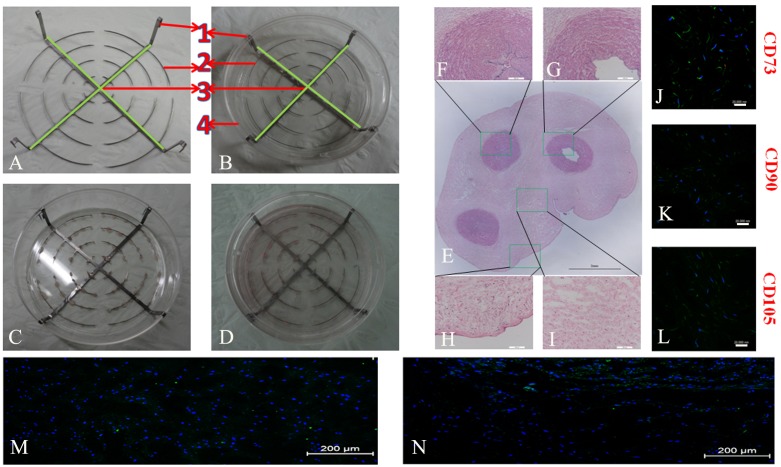
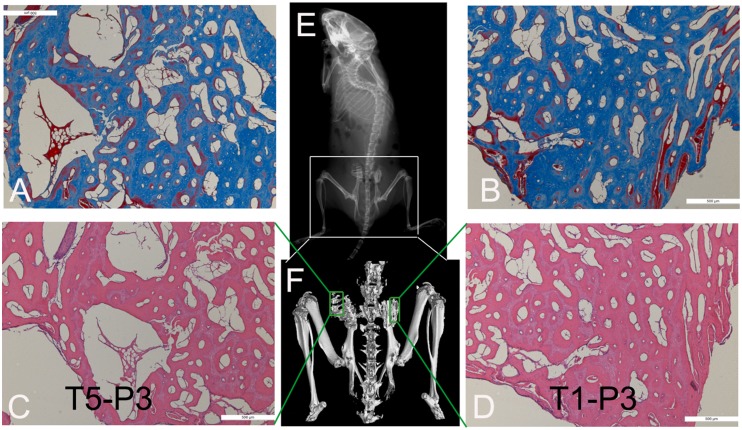
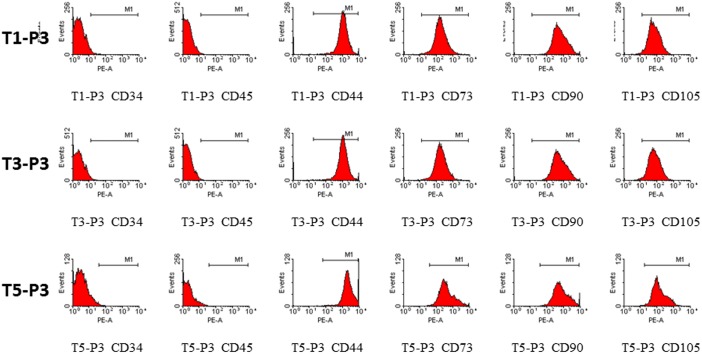
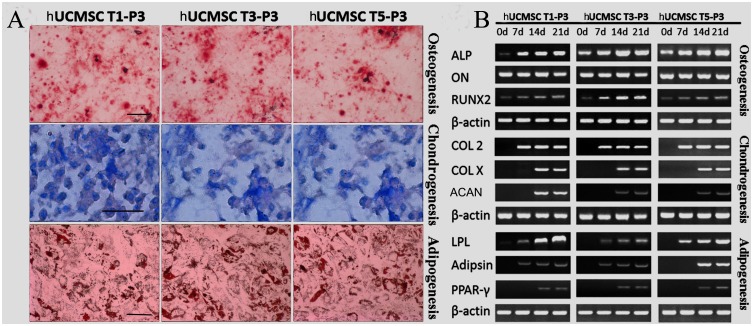
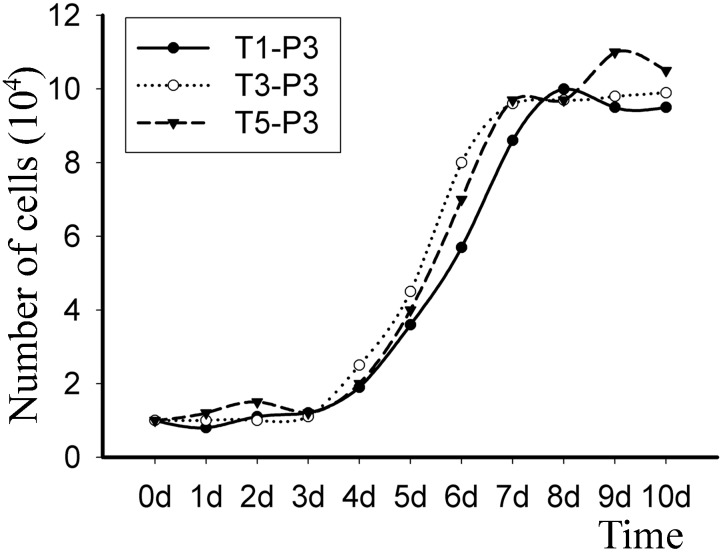
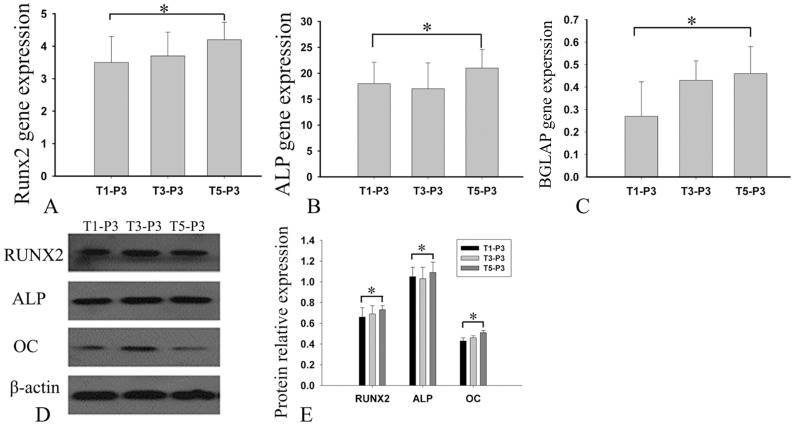
To date, various types of cells for seeding regenerative scaffolds have been used for bone tissue engineering. Among seed cells, the mesenchymal stem cells derived from human umbilical cord Wharton's jelly (hUCMSCs) represent a promising candidate and hold potential for bone tissue engineering due to the the lack of ethical controversies, accessibility, sourced by non-invasive procedures for donors, a reduced risk of contamination, osteogenic differentiation capacities, and higher immunomodulatory capacity. However, the current culture methods are somewhat complicated and inefficient and often fail to make the best use of the umbilical cord (UC) tissues. Moreover, these culture processes cannot be performed on a large scale and under strict quality control. As a result, only a small quantity of cells can be harvested using the current culture methods. To solve these problems, we designed and evaluated an UC Wharton's jelly repeated culture device. Using this device, hUCMSCs were obtained from the repeated cultures and their quantities and biological characteristics were compared. We found that using our culture device, which retained all tissue blocks on the bottom of the dish, the total number of obtained cells increased 15-20 times, and the time required for the primary passage was reduced. Moreover, cells harvested from the repeated cultures exhibited no significant difference in their immunophenotype, potential for multilineage differentiation, or proliferative, osteoinductive capacities, and final osteogenesis. The application of the repeated culture frame (RCF) not only made full use of the Wharton's jelly but also simplified and specified the culture process, and thus, the culture efficiency was significantly improved. In summary, abundant hUCMSCs of dependable quality can be acquired using the RCF.
迄今为止,用于再生支架接种的各种类型细胞已被用于骨组织工程。在种子细胞中,源自人脐带华通氏胶的间充质干细胞(hUCMSCs)是一个有前景的候选者,由于缺乏伦理争议、易于获取、供体的采集过程无创、污染风险降低、具有成骨分化能力以及更高的免疫调节能力,在骨组织工程中具有潜力。然而,目前的培养方法有些复杂且效率低下,常常无法充分利用脐带(UC)组织。此外,这些培养过程无法大规模进行且缺乏严格的质量控制。因此,使用当前的培养方法只能收获少量细胞。为了解决这些问题,我们设计并评估了一种脐带华通氏胶重复培养装置。利用该装置,通过重复培养获得了hUCMSCs,并比较了它们的数量和生物学特性。我们发现,使用我们的培养装置(该装置将所有组织块保留在培养皿底部),获得的细胞总数增加了15 - 20倍,且原代传代所需时间减少。此外,从重复培养中收获的细胞在免疫表型、多谱系分化潜力、增殖、骨诱导能力或最终成骨方面没有显著差异。重复培养框架(RCF)的应用不仅充分利用了华通氏胶,还简化并规范了培养过程,从而显著提高了培养效率。总之,使用RCF可以获得大量质量可靠的hUCMSCs。