Al-Safadi Sherin, Al-Safadi Aya, Branchaud Marie, Rutherford Spencer, Dayanandan Arun, Robinson Barry, Amir Shimon
Department of Biology, Concordia University, Montréal, Quebéc, Canada; Department of Psychology, Center for Studies in Behavioral Neurobiology, Concordia University, Montréal, Quebéc, Canada.
Department of Psychology, Center for Studies in Behavioral Neurobiology, Concordia University, Montréal, Quebéc, Canada.
PLoS One. 2014 Oct 22;9(10):e111166. doi: 10.1371/journal.pone.0111166. eCollection 2014.
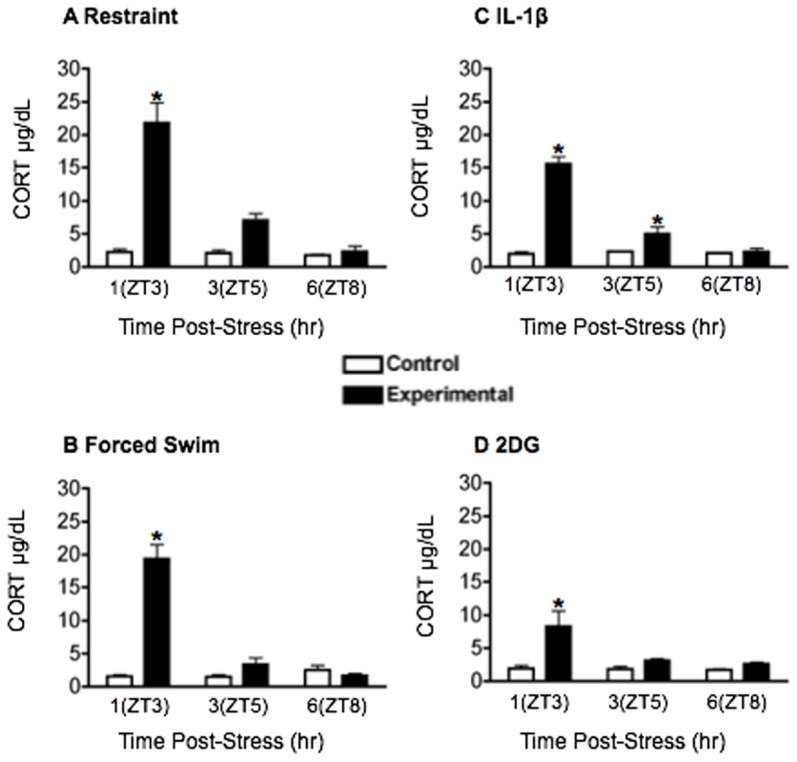
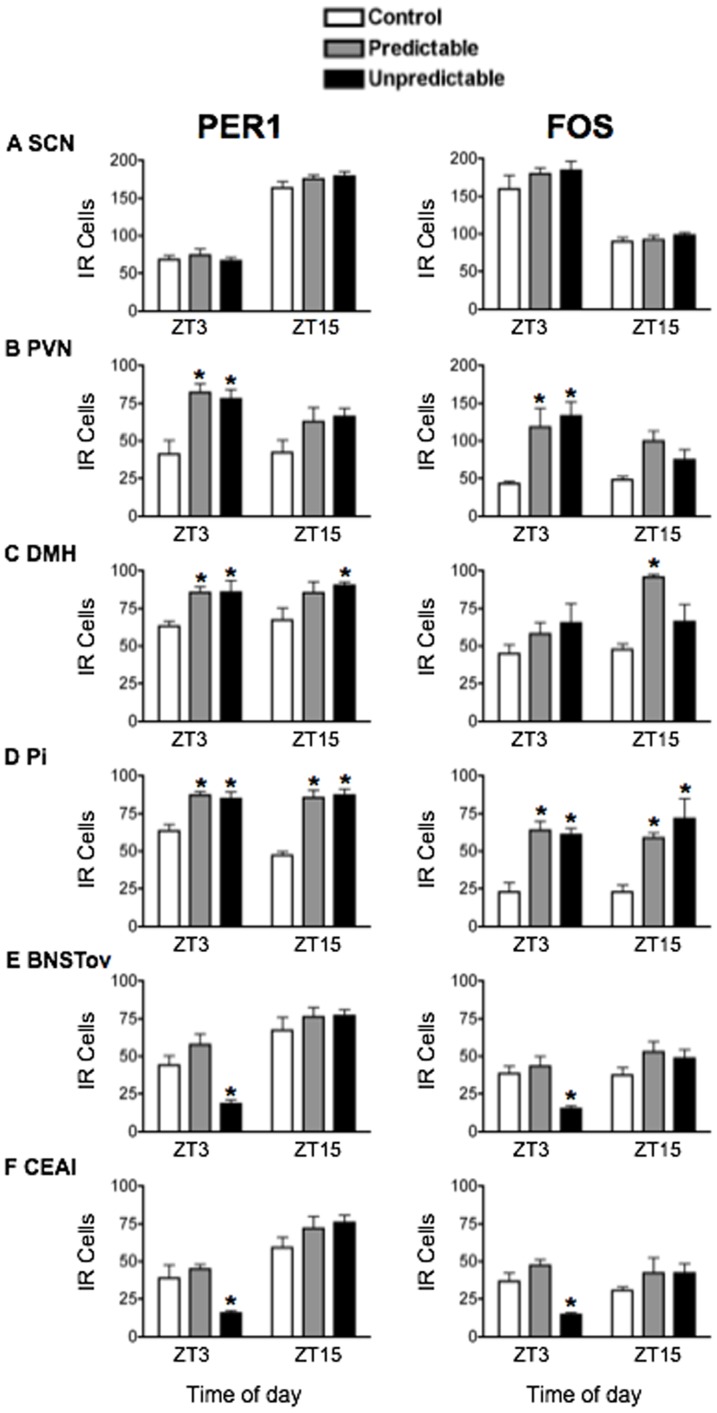
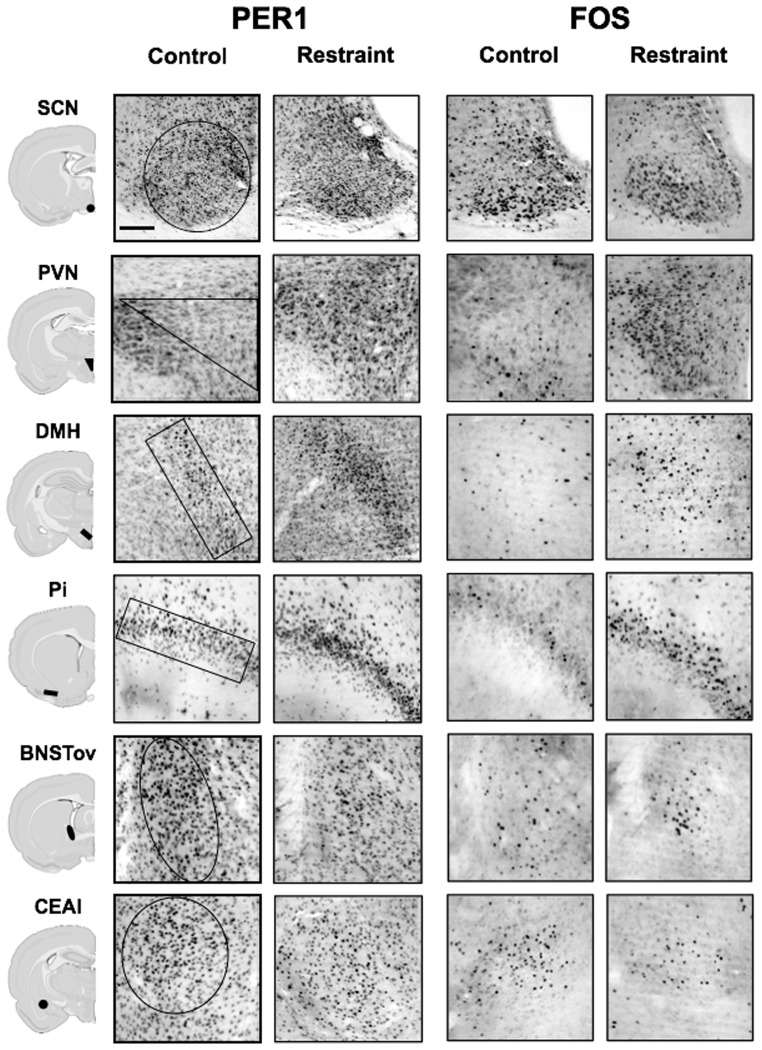
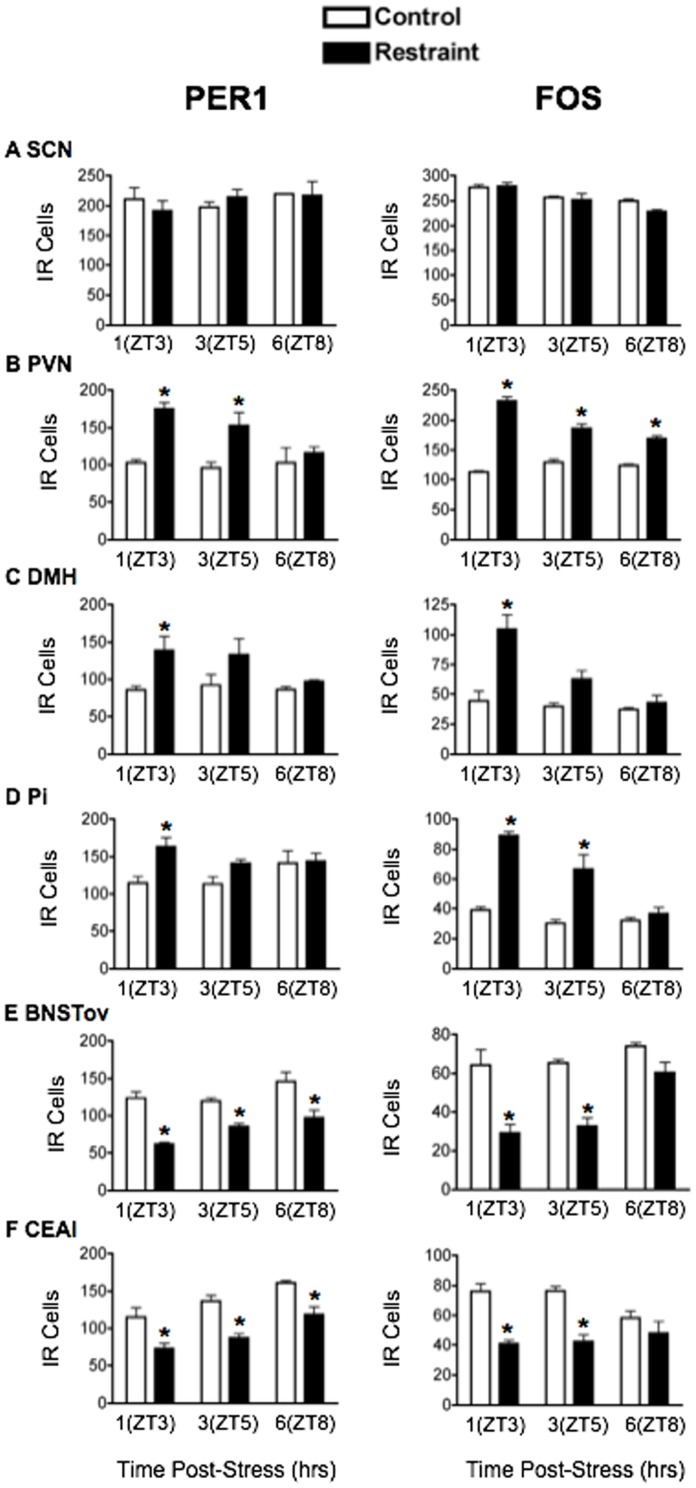
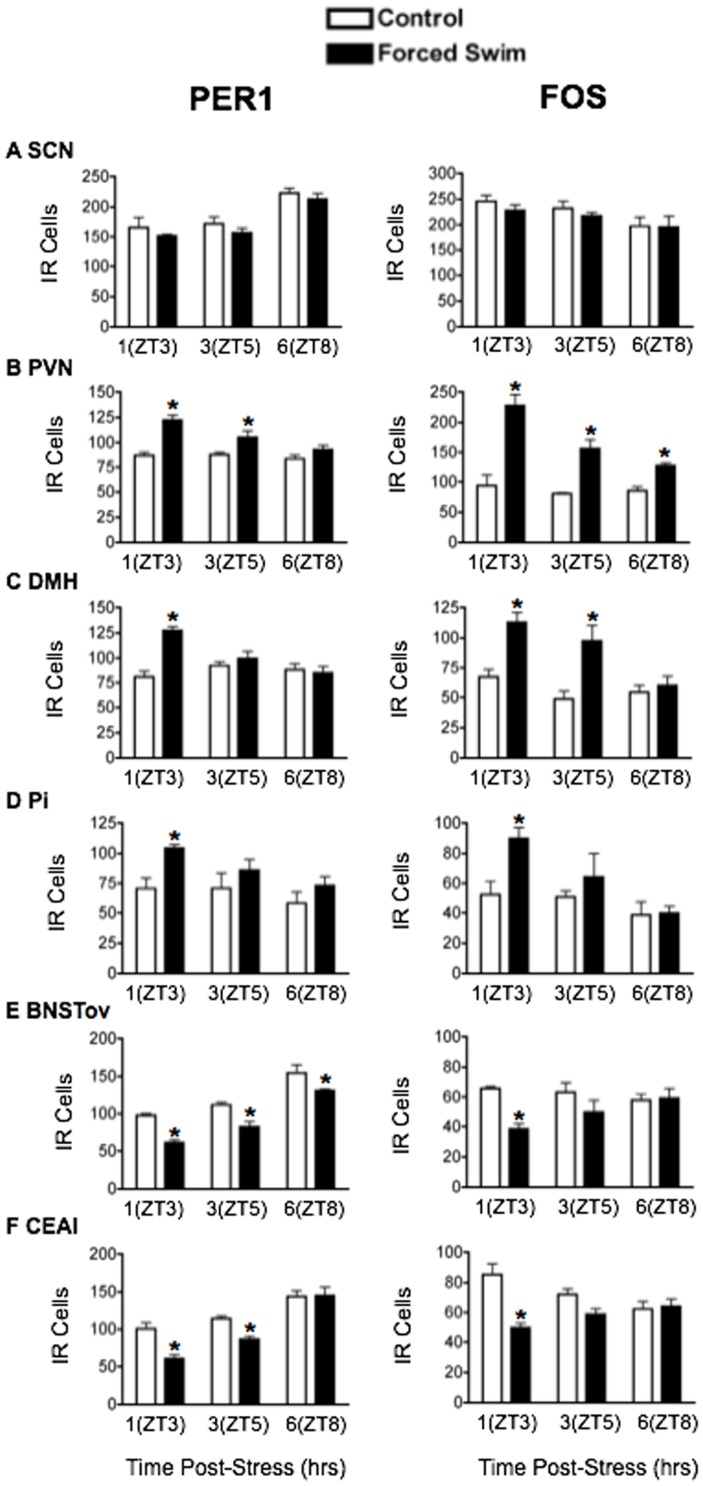
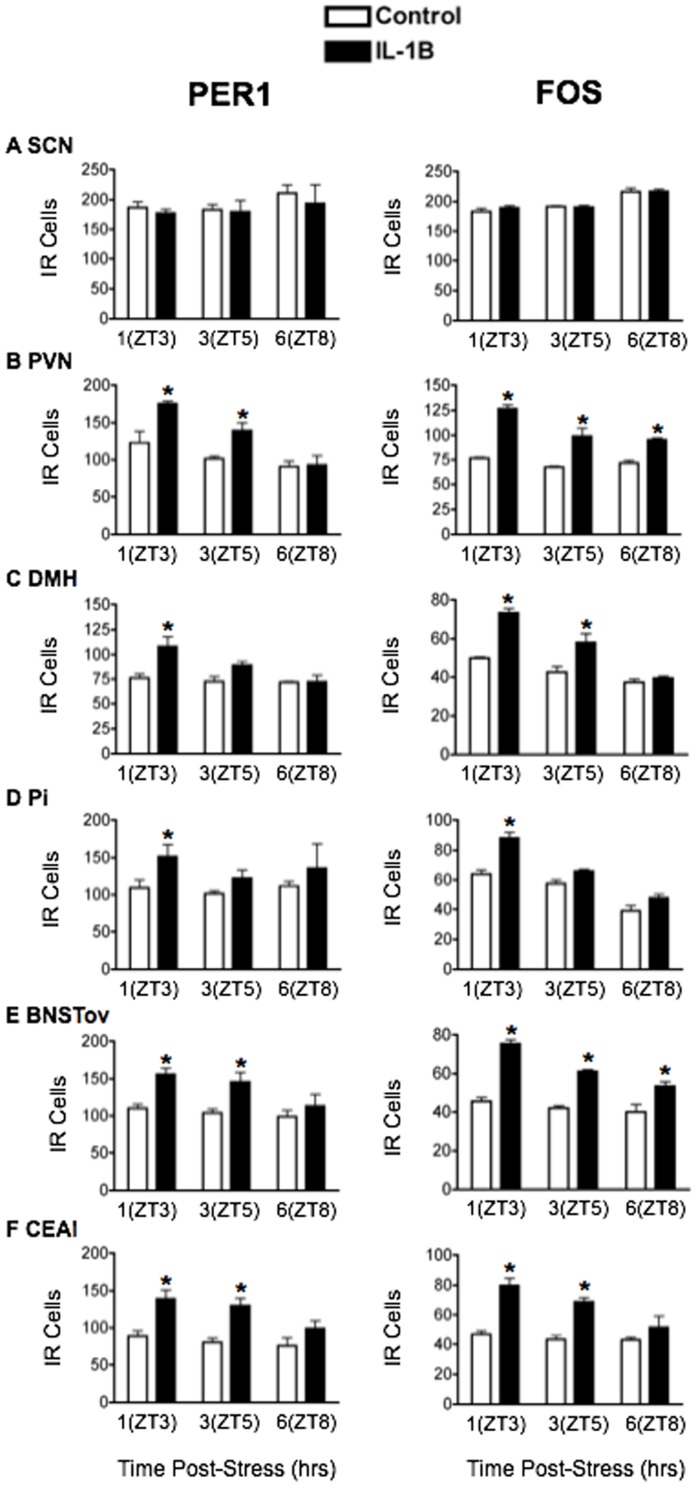
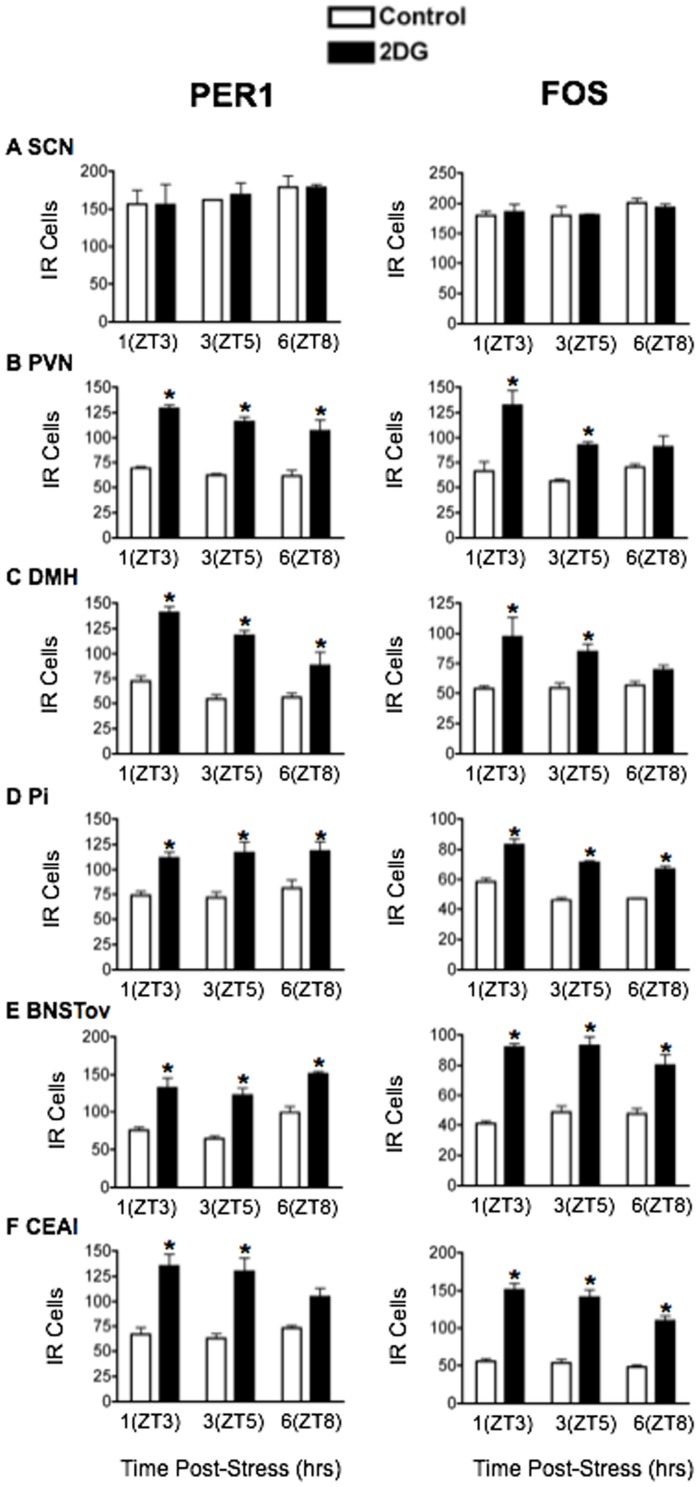
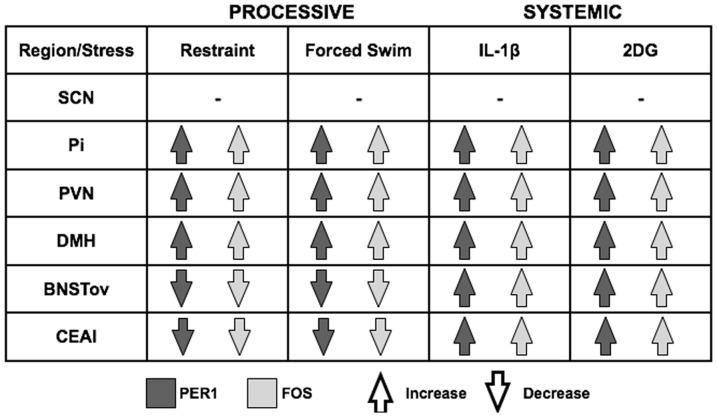
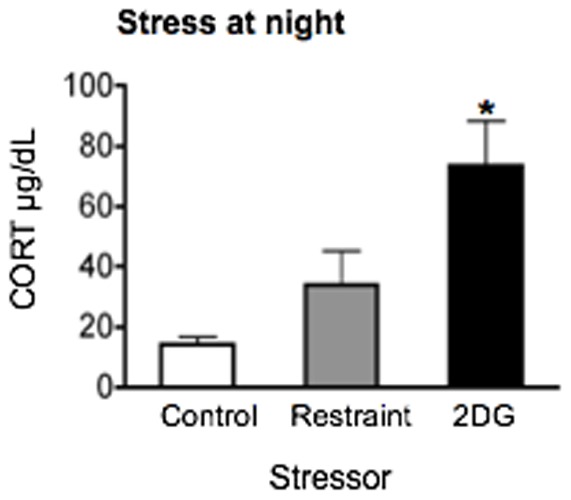
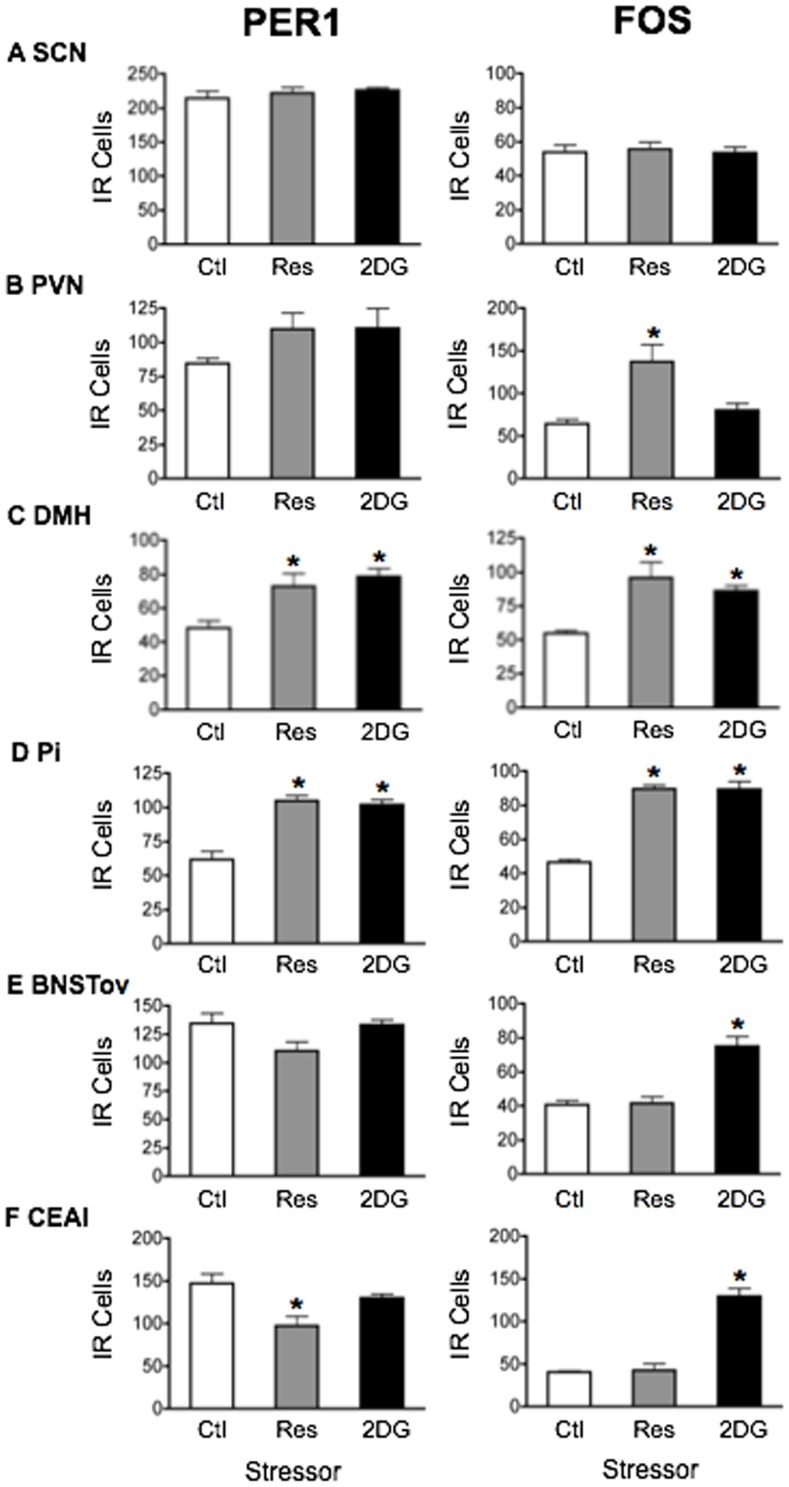
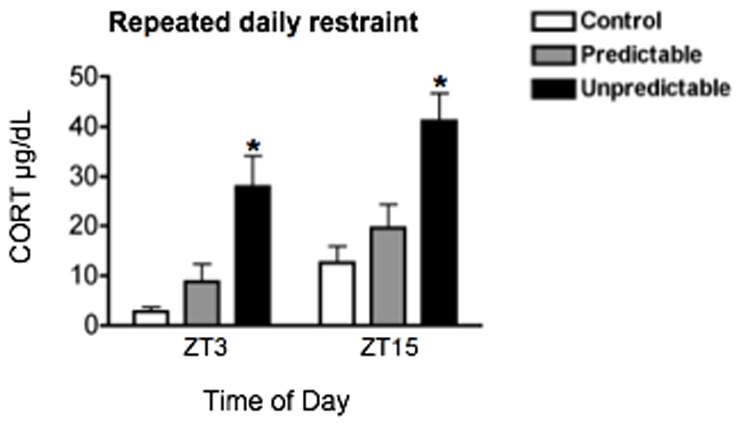
Stressful events can disrupt circadian rhythms in mammals but mechanisms underlying this disruption remain largely unknown. One hypothesis is that stress alters circadian protein expression in the forebrain, leading to functional dysregulation of the brain circadian network and consequent disruption of circadian physiological and behavioral rhythms. Here we characterized the effects of several different stressors on the expression of the core clock protein, PER1 and the activity marker, FOS in select forebrain and hypothalamic nuclei in rats. We found that acute exposure to processive stressors, restraint and forced swim, elevated PER1 and FOS expression in the paraventricular and dorsomedial hypothalamic nuclei and piriform cortex but suppressed PER1 and FOS levels exclusively in the central nucleus of the amygdala (CEAl) and oval nucleus of the bed nucleus of the stria terminalis (BNSTov). Conversely, systemic stressors, interleukin-1β and 2-Deoxy-D-glucose, increased PER1 and FOS levels in all regions studied, including the CEAl and BNSTov. PER1 levels in the suprachiasmatic nucleus (SCN), the master pacemaker, were unaffected by any of the stress manipulations. The effect of stress on PER1 and FOS was modulated by time of day and, in the case of daily restraint, by predictability. These results demonstrate that the expression of PER1 in the forebrain is modulated by stress, consistent with the hypothesis that PER1 serves as a link between stress and the brain circadian network. Furthermore, the results show that the mechanisms that control PER1 and FOS expression in CEAl and BNSTov are uniquely sensitive to differences in the type of stressor. Finally, the finding that the effect of stress on PER1 parallels its effect on FOS supports the idea that Per1 functions as an immediate-early gene. Our observations point to a novel role for PER1 as a key player in the interface between stress and circadian rhythms.
应激事件会扰乱哺乳动物的昼夜节律,但这种扰乱背后的机制在很大程度上仍不为人知。一种假说认为,应激会改变前脑的昼夜节律蛋白表达,导致脑昼夜节律网络功能失调,进而扰乱昼夜生理和行为节律。在此,我们研究了几种不同应激源对大鼠特定前脑和下丘脑核团中核心生物钟蛋白PER1以及活性标记物FOS表达的影响。我们发现,急性暴露于持续性应激源(束缚和强迫游泳)会使室旁核、背内侧下丘脑核和梨状皮质中的PER1和FOS表达升高,但仅会抑制杏仁核中央核(CEAl)和终纹床核椭圆形核(BNSTov)中的PER1和FOS水平。相反,全身性应激源白细胞介素-1β和2-脱氧-D-葡萄糖会使包括CEAl和BNSTov在内的所有研究区域中的PER1和FOS水平升高。主生物钟视交叉上核(SCN)中的PER1水平不受任何应激处理的影响。应激对PER1和FOS的影响受一天中的时间调节,对于每日束缚应激而言,还受可预测性的影响。这些结果表明,前脑中PER1的表达受应激调节,这与PER1作为应激与脑昼夜节律网络之间联系的假说一致。此外,结果表明,控制CEAl和BNSTov中PER1和FOS表达的机制对应激源类型的差异具有独特的敏感性。最后,应激对PER1的影响与其对FOS的影响相似这一发现支持了Per1作为即刻早期基因发挥作用的观点。我们的观察结果表明,PER1在应激与昼夜节律之间的界面中作为关键参与者具有新的作用。