Pappas Jane J, Petropoulos Sophie, Suderman Matthew, Iqbal Majid, Moisiadis Vasilis, Turecki Gustavo, Matthews Stephen G, Szyf Moshe
Department of Pharmacology and Therapeutics, McGill University, Montreal, Canada; Department of Physiology, University of Toronto, Toronto, Canada.
Department of Pharmacology and Therapeutics, McGill University, Montreal, Canada.
PLoS One. 2014 Oct 29;9(10):e111135. doi: 10.1371/journal.pone.0111135. eCollection 2014.
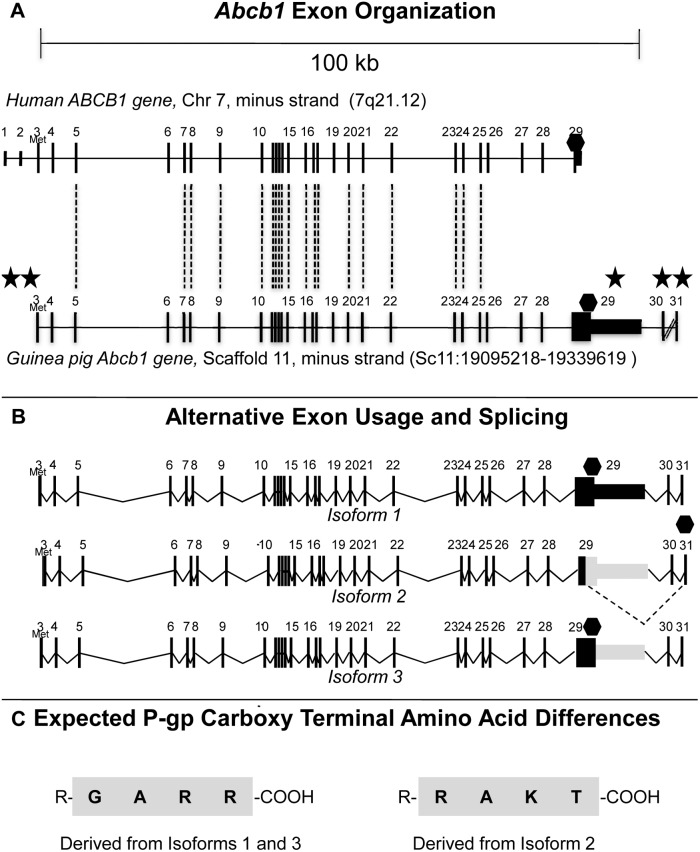
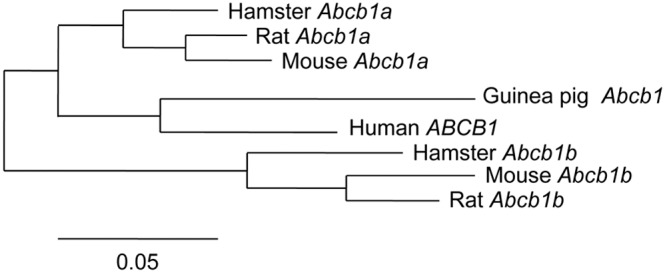
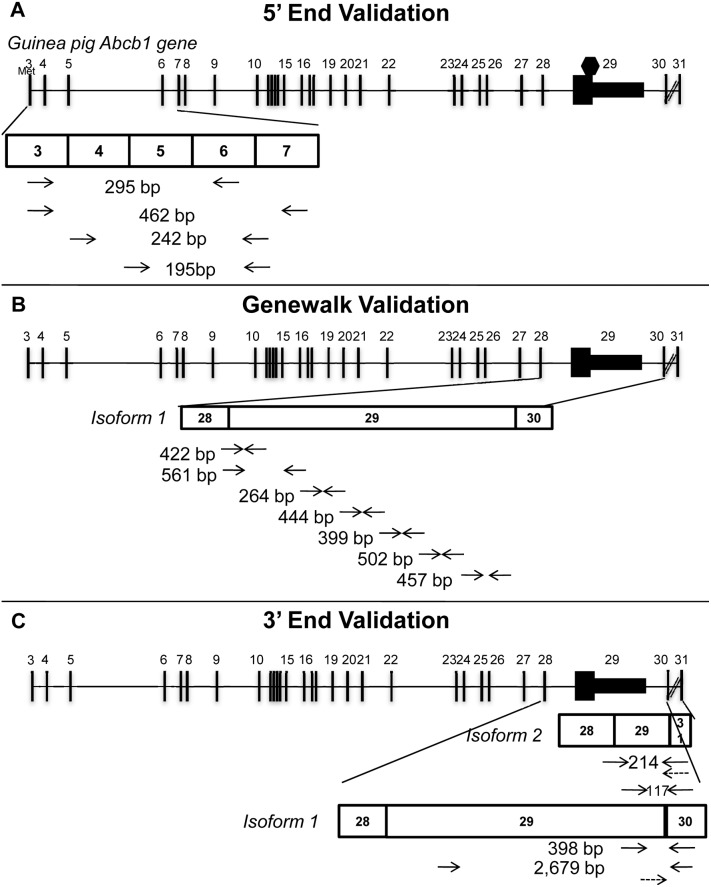
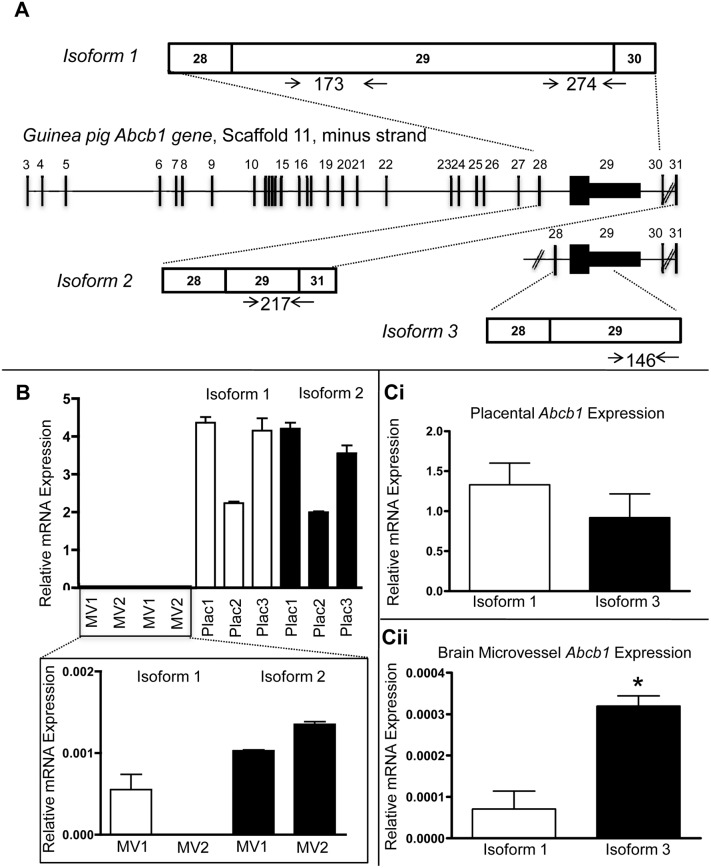
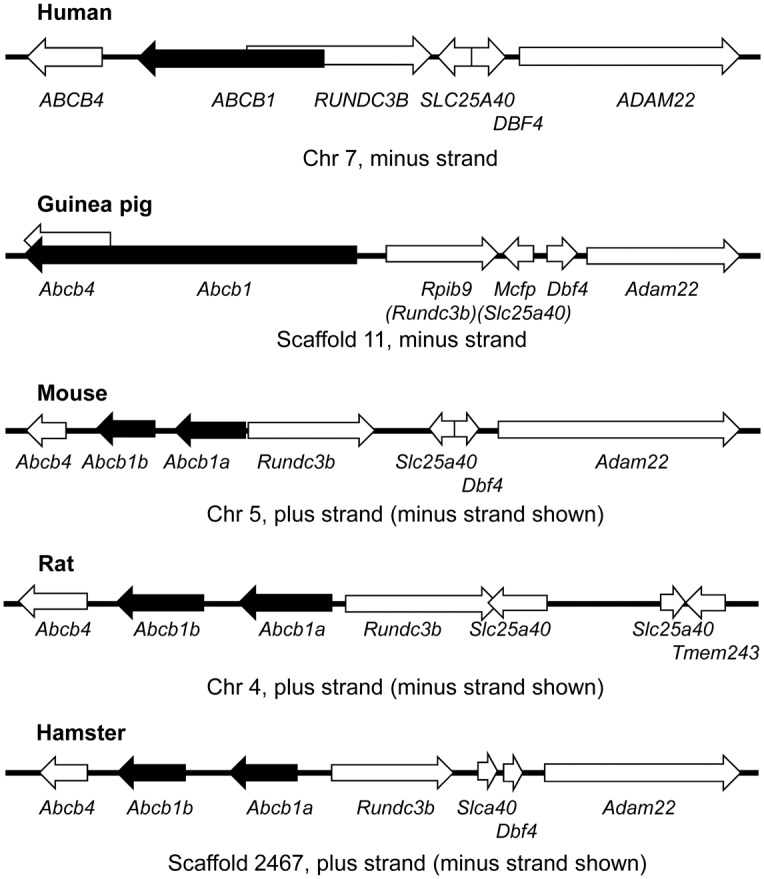
The Multidrug Resistance 1 (MDR1; alternatively ABCB1) gene product P-glycoprotein (P-gp), an ATP binding cassette transporter, extrudes multiple endogenous and exogenous substrates from the cell, playing an important role in normal physiology and xenobiotic distribution and bioavailability. To date, the predominant animal models used to investigate the role of P-gp have been the mouse and rat, which have two distinct genes, Abcb1a and Abcb1b. In contrast, the human has a single gene, ABCB1, for which only a single isoform has been validated. We and others have previously shown important differences between Abcb1a and Abcb1b, limiting the extrapolation from rodent findings to the human. Since the guinea pig has a relatively long gestation, hemomonochorial placentation and neuroanatomically mature offspring, it is more similar to the human, and may provide a more comparable model for investigating the regulation of P-gp in the brain and placenta, however, to date, the Abcb1 gene in the guinea pig remains to be characterized. The placenta and fetal brain are barrier sites that express P-gp and that play a critical role of protection of the fetus and the fetal brain from maternally administered drugs and other xenobiotics. Using RNA sequencing (RNA-seq), reverse transcription-polymerase chain reaction (RT-PCR) and quantitative PCR (QPCR) to sequence the expressed isoforms of guinea pig Abcb1, we demonstrate that like the human, the guinea pig genome contains one gene for Abcb1 but that it is expressed as at least three different isoforms via alternative splicing and alternate exon usage. Further, we demonstrate that these isoforms are more closely related to human than to rat or mouse isoforms. This striking, overall similarity and evolutionary relatedness between guinea pig Abcb1 and human ABCB1 indicate that the guinea pig represents a relevant animal model for investigating the function and regulation of P-gp in the placenta and brain.
多药耐药蛋白1(MDR1;又称ABCB1)基因产物P-糖蛋白(P-gp)是一种ATP结合盒转运蛋白,可将多种内源性和外源性底物排出细胞,在正常生理以及外源性物质的分布和生物利用度方面发挥重要作用。迄今为止,用于研究P-gp作用的主要动物模型是小鼠和大鼠,它们有两个不同的基因,即Abcb1a和Abcb1b。相比之下,人类只有一个ABCB1基因,且只有一种异构体得到验证。我们和其他人之前已经表明Abcb1a和Abcb1b之间存在重要差异,这限制了从啮齿动物研究结果推断到人类的可能性。由于豚鼠妊娠期相对较长,胎盘为血窦绒毛型,且后代神经解剖学上成熟,它与人类更为相似,可能为研究P-gp在脑和胎盘中的调节提供更具可比性的模型,然而,迄今为止,豚鼠的Abcb1基因仍有待表征。胎盘和胎儿脑是表达P-gp的屏障部位,在保护胎儿和胎儿脑免受母体给药的药物及其他外源性物质影响方面发挥关键作用。我们使用RNA测序(RNA-seq)、逆转录聚合酶链反应(RT-PCR)和定量PCR(QPCR)对豚鼠Abcb1的表达异构体进行测序,结果表明,与人类一样,豚鼠基因组包含一个Abcb1基因,但它通过可变剪接和外显子选择性使用至少表达为三种不同的异构体。此外,我们证明这些异构体与人类异构体的关系比与大鼠或小鼠异构体的关系更为密切。豚鼠Abcb1与人类ABCB1之间这种显著的总体相似性和进化相关性表明,豚鼠是研究P-gp在胎盘和脑中的功能及调节的相关动物模型。