Leem Young-Eun, Ha Hye-Lim, Bae Ju-Hyeon, Baek Kwan-Hyuck, Kang Jong-Sun
Department of Molecular Cell Biology, Sungkyunkwan University School of Medicine, Samsung Biomedical Research Institute, Suwon, 440-746, Republic of Korea.
PLoS One. 2014 Nov 4;9(11):e111701. doi: 10.1371/journal.pone.0111701. eCollection 2014.
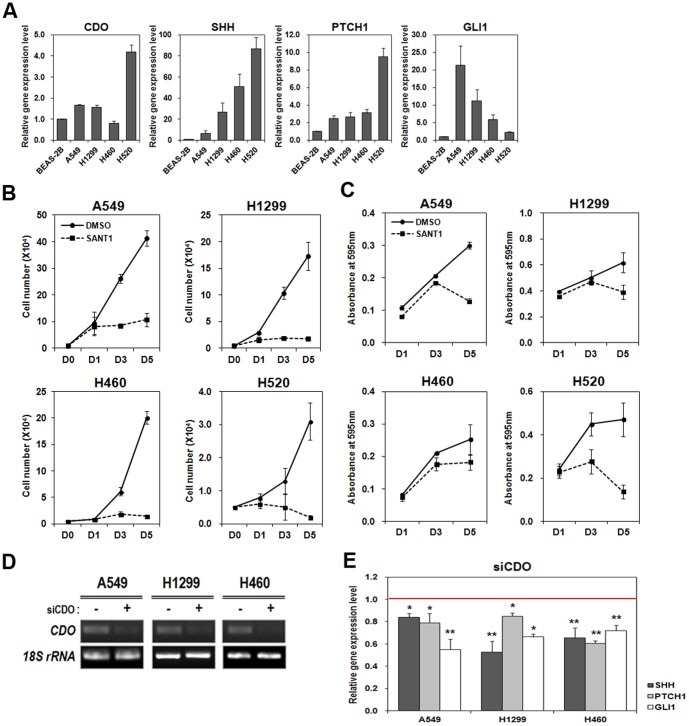
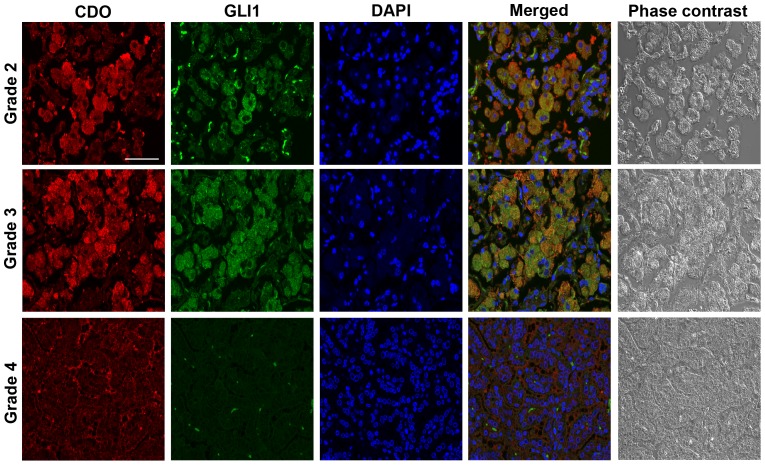
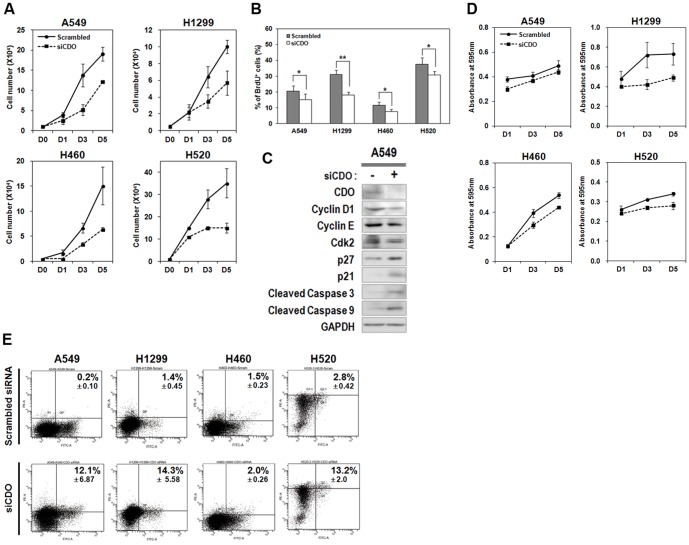
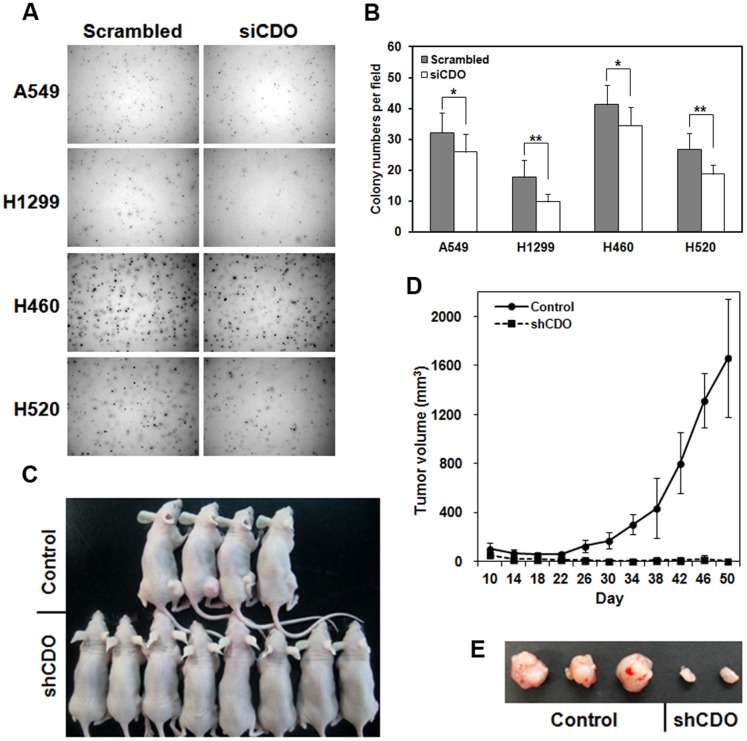
Hedgehog (Hh) signaling plays essential roles in various developmental processes, and its aberrant regulation results in genetic disorders or malignancies in various tissues. Hyperactivation of Hh signaling is associated with lung cancer development, and there have been extensive efforts to investigate how to control Hh signaling pathway and regulate cancer cell proliferation. In this study we investigated a role of CDO, an Hh co-receptor, in non-small cell lung cancer (NSCLC). Inhibition of Hh signaling by SANT-1 or siCDO in lung cancer cells reduced proliferation and tumorigenicity, along with the decrease in the expression of the Hh components. Histological analysis with NSCLC mouse tissue demonstrated that CDO was expressed in advanced grade of the cancer, and precisely co-localized with GLI1. These data suggest that CDO is required for proliferation and survival of lung cancer cells via Hh signaling.
刺猬信号通路(Hh)在多种发育过程中发挥着至关重要的作用,其调控异常会导致各种组织出现遗传性疾病或恶性肿瘤。Hh信号通路的过度激活与肺癌的发生发展相关,人们已进行了广泛研究以探寻如何控制Hh信号通路并调节癌细胞增殖。在本研究中,我们调查了Hh共受体CDO在非小细胞肺癌(NSCLC)中的作用。用SANT-1或siCDO抑制肺癌细胞中的Hh信号通路可降低细胞增殖和致瘤性,同时Hh信号通路相关成分的表达也会减少。对NSCLC小鼠组织进行的组织学分析表明,CDO在癌症的高级别阶段表达,并与GLI1精确共定位。这些数据表明,CDO通过Hh信号通路对肺癌细胞的增殖和存活是必需的。