Dhankani Varsha, Kutz J Nathan, Schiffer Joshua T
Department of Applied Mathematics, University of Washington, Seattle, Washington, United States of America.
Department of Medicine, University of Washington, Seattle, Washington, United States of America; Vaccine and Infectious Diseases Division, Fred Hutchinson Cancer Research Center, Seattle, Washington, United States of America; Clinical Research Division, Fred Hutchinson Cancer Research Center, Seattle, Washington, United States of America.
PLoS Comput Biol. 2014 Nov 6;10(11):e1003922. doi: 10.1371/journal.pcbi.1003922. eCollection 2014 Nov.
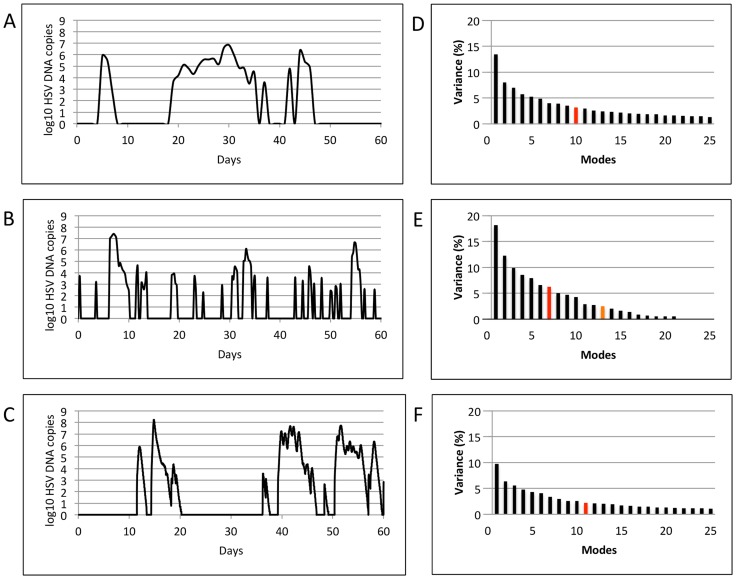
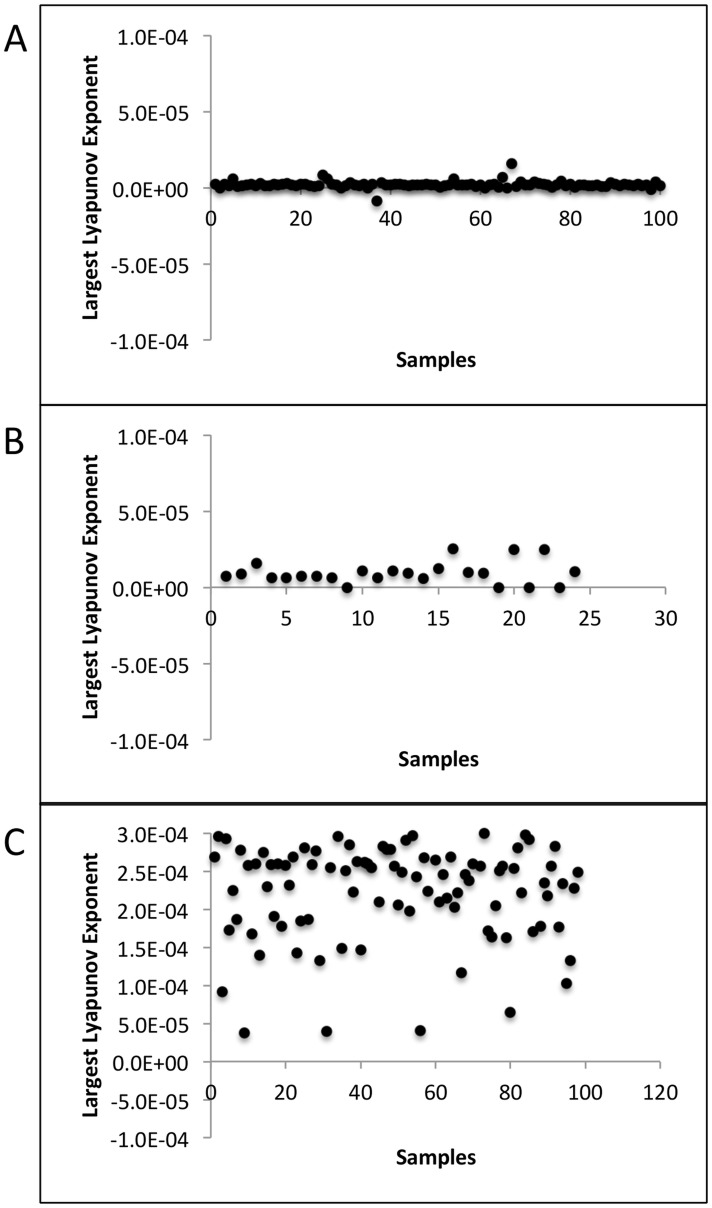
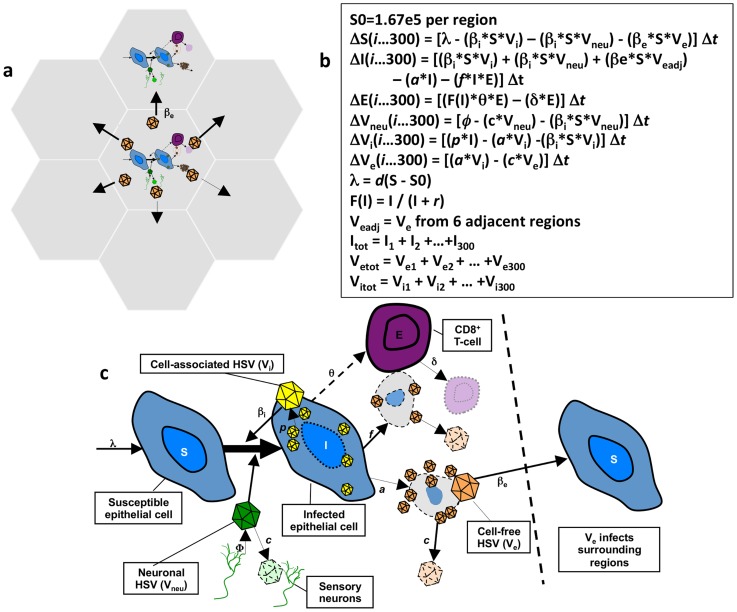
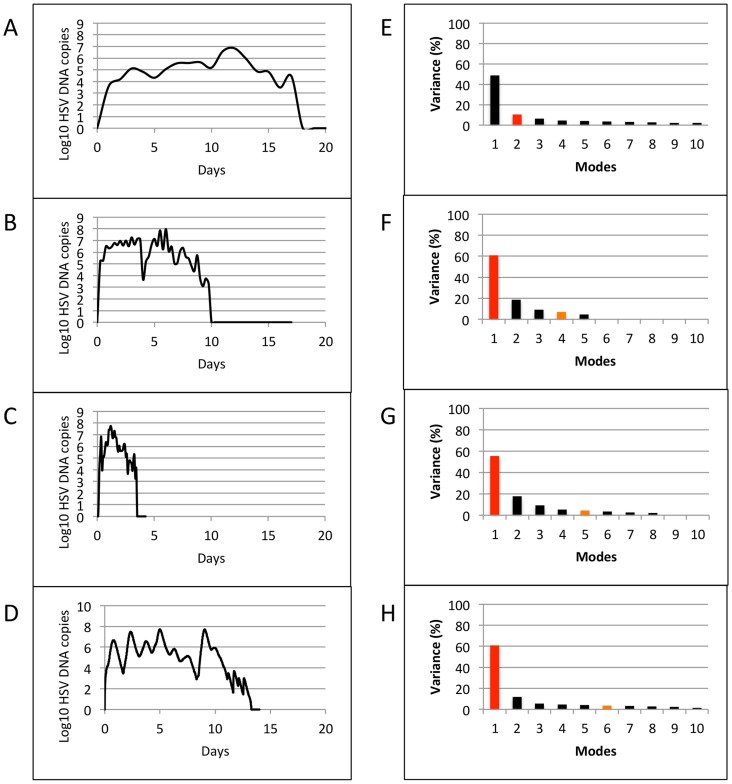
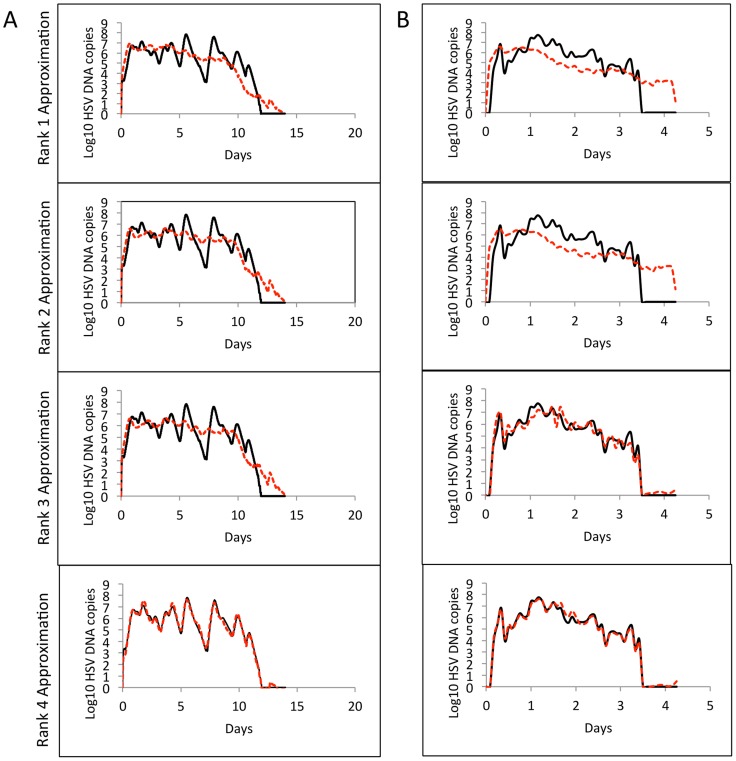
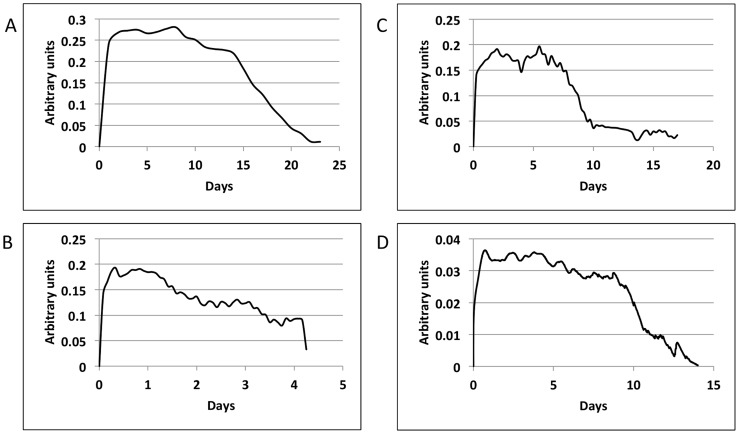
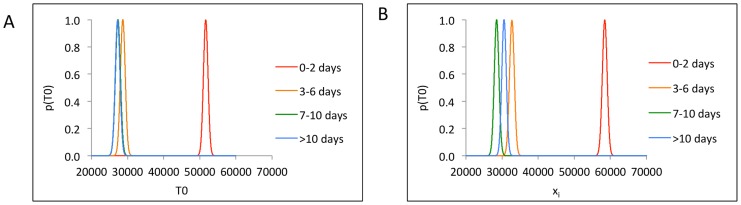
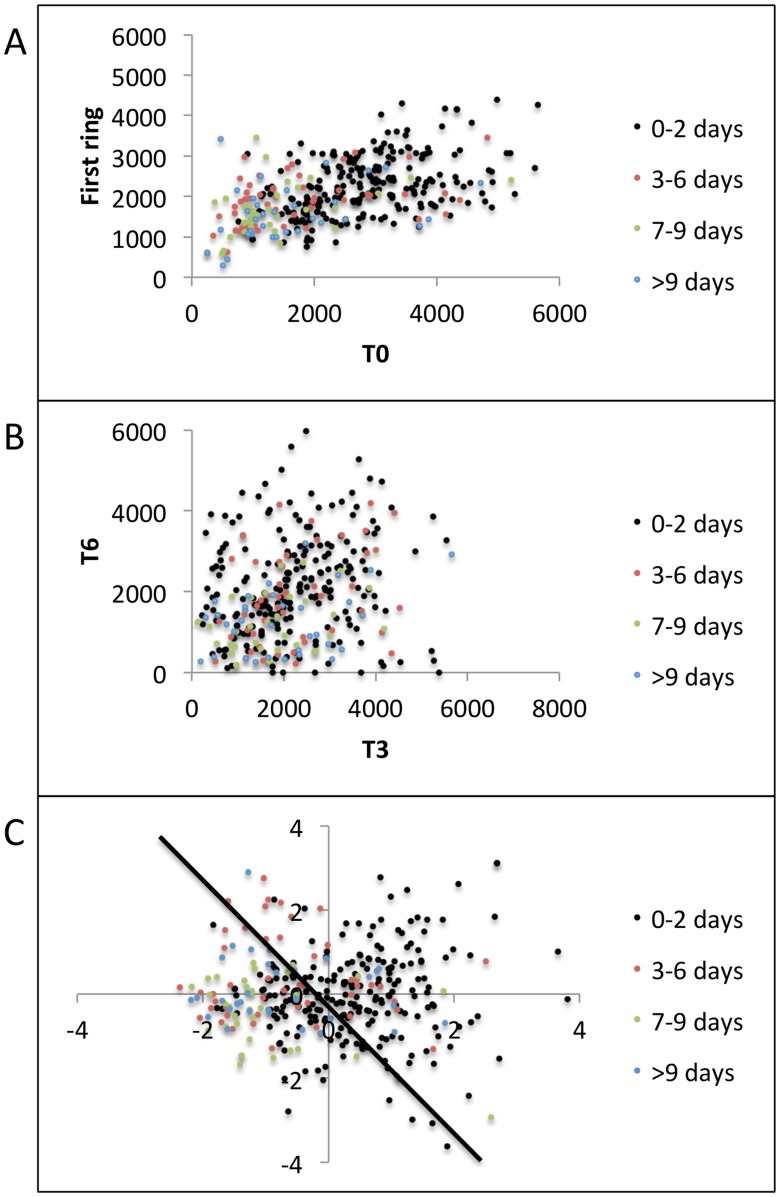
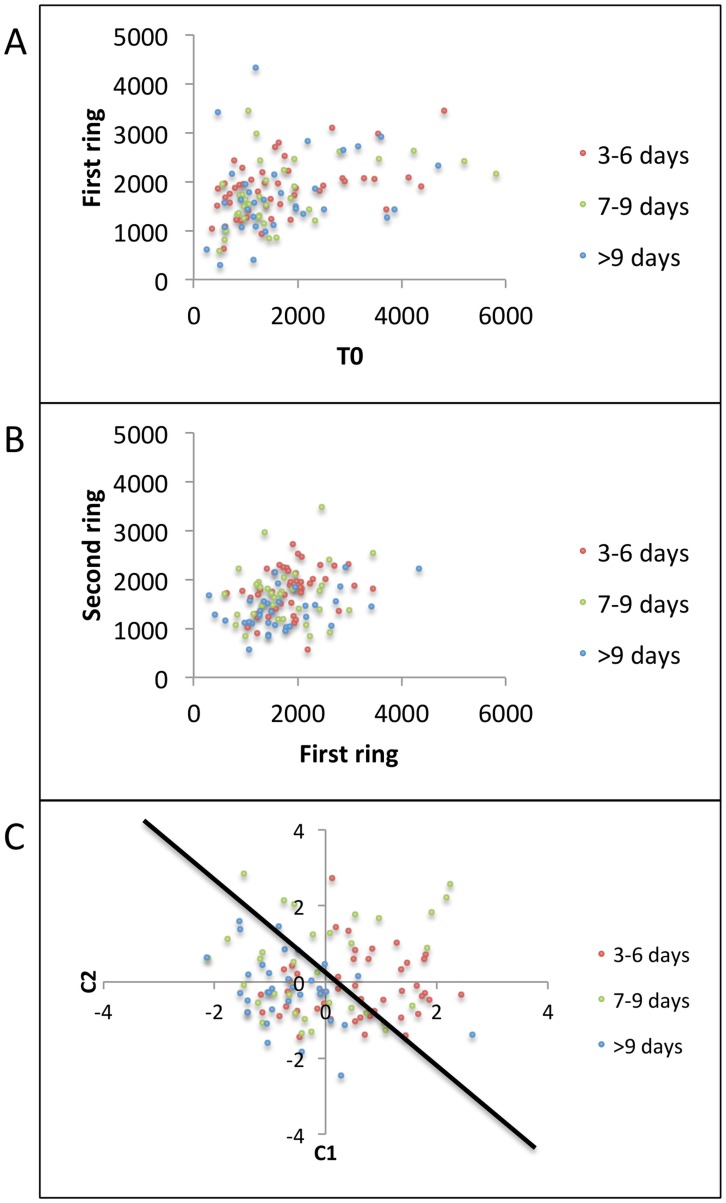
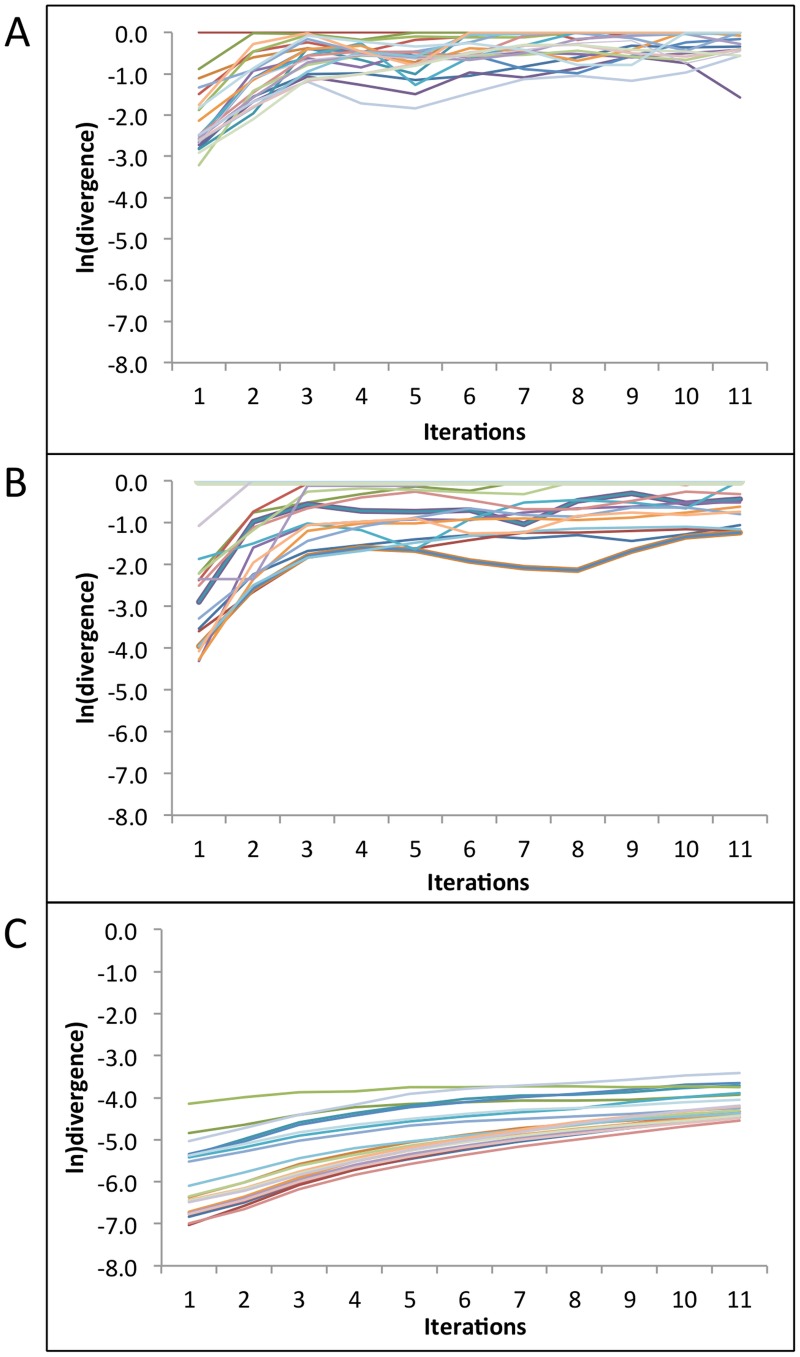
Herpes simplex virus-2 (HSV-2) is a chronic reactivating infection that leads to recurrent shedding episodes in the genital tract. A minority of episodes are prolonged, and associated with development of painful ulcers. However, currently, available tools poorly predict viral trajectories and timing of reactivations in infected individuals. We employed principal components analysis (PCA) and singular value decomposition (SVD) to interpret HSV-2 genital tract shedding time series data, as well as simulation output from a stochastic spatial mathematical model. Empirical and model-derived, time-series data gathered over >30 days consists of multiple complex episodes that could not be reduced to a manageable number of descriptive features with PCA and SVD. However, single HSV-2 shedding episodes, even those with prolonged duration and complex morphologies consisting of multiple erratic peaks, were consistently described using a maximum of four dominant features. Modeled and clinical episodes had equivalent distributions of dominant features, implying similar dynamics in real and simulated episodes. We applied linear discriminant analysis (LDA) to simulation output and identified that local immune cell density at the viral reactivation site had a predictive effect on episode duration, though longer term shedding suggested chaotic dynamics and could not be predicted based on spatial patterns of immune cell density. These findings suggest that HSV-2 shedding patterns within an individual are impossible to predict over weeks or months, and that even highly complex single HSV-2 episodes can only be partially predicted based on spatial distribution of immune cell density.
单纯疱疹病毒2型(HSV - 2)是一种慢性复发性感染,可导致生殖道反复出现病毒脱落发作。少数发作会持续较长时间,并伴有疼痛性溃疡的形成。然而,目前现有的工具很难预测受感染个体的病毒轨迹和再激活时间。我们采用主成分分析(PCA)和奇异值分解(SVD)来解释HSV - 2生殖道脱落时间序列数据,以及一个随机空间数学模型的模拟输出。超过30天收集的经验性和模型衍生的时间序列数据由多个复杂发作组成,无法通过PCA和SVD简化为可管理数量的描述性特征。然而,即使是持续时间长且形态复杂、由多个不规则峰值组成的单个HSV - 2脱落发作,最多用四个主要特征就能一致地描述。建模发作和临床发作的主要特征分布相当,这意味着真实发作和模拟发作具有相似的动态变化。我们将线性判别分析(LDA)应用于模拟输出,发现病毒再激活部位的局部免疫细胞密度对发作持续时间有预测作用,不过长期脱落提示存在混沌动态,无法基于免疫细胞密度的空间模式进行预测。这些发现表明,个体内HSV - 2的脱落模式在数周或数月内无法预测,而且即使是高度复杂的单个HSV - 2发作,也只能基于免疫细胞密度的空间分布进行部分预测。