Eiseman Julie L, Beumer Jan H, Rigatti Lora H, Strychor Sandra, Meyers Kelly, Dienel Samuel, Horn Charles C
Cancer Therapeutics Program, University of Pittsburgh Cancer Institute, Pittsburgh, PA, USA.
Cancer Chemother Pharmacol. 2015 Jan;75(1):143-52. doi: 10.1007/s00280-014-2623-5. Epub 2014 Nov 15.
Cisplatin induces nausea and emesis, even with antiemetic supportive care. To assess platinum exposure, which could activate nausea and emesis, we quantitated platinum in the brain and various organs, and hindbrain and spinal cord substance P, a key neuropeptide for the neuronal signaling of nausea and emesis.
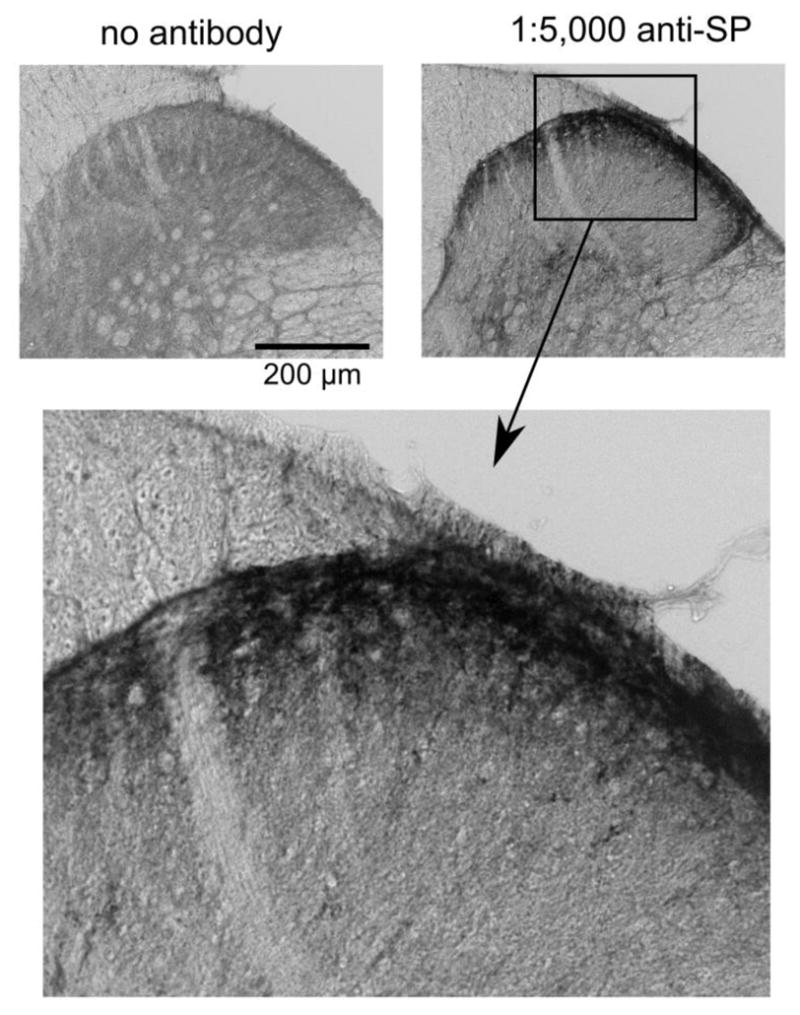
Musk shrews, a model species for nausea and emesis research, were dosed intraperitoneally with 20 mg/kg cisplatin and euthanized at up to 72 h after injection. Concentrations of platinum were quantitated in plasma ultrafiltrate, plasma, lung, kidney, combined forebrain and midbrain, hindbrain, and spinal cord by flameless atomic absorption spectrometry. Hindbrains and spinal cords were analyzed for substance P by immunohistochemistry after injection of 20 or 30 mg/kg.
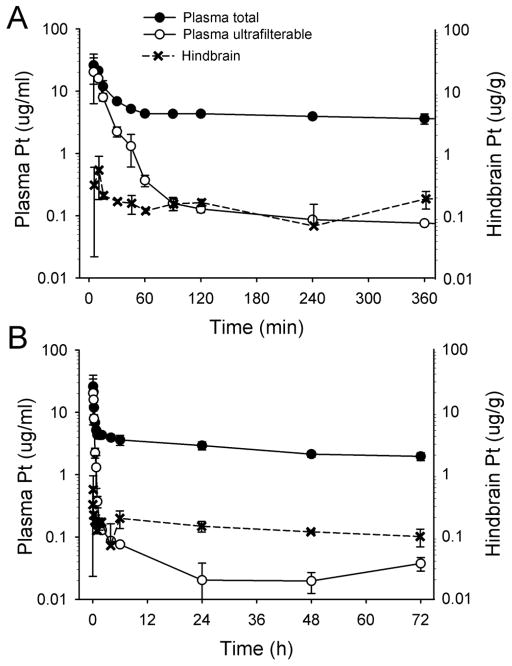
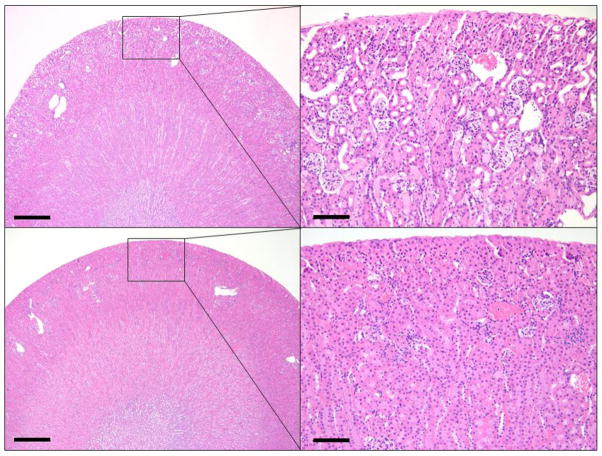
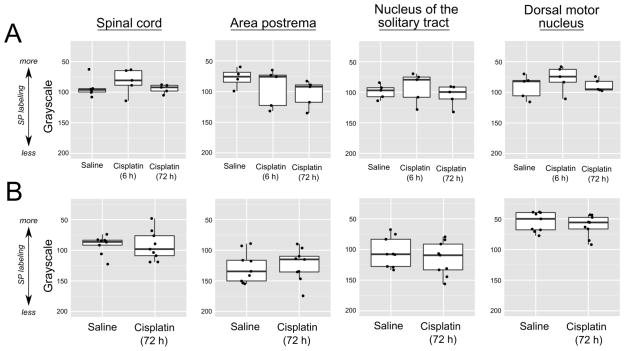
Plasma ultrafilterable platinum concentrations decreased rapidly till 60 min after dosing and then more slowly by 24 h. The concentrations of total platinum in both the fore- and midbrain and the hindbrain were similar at all time points and were at least 20-fold lower than plasma total platinum concentrations. There were no significant changes in substance P immunoreactivity after cisplatin dosing. Histology revealed damage to the renal cortex by 72 h after injection of cisplatin.
This is the first study to examine platinum concentrations in musk shrews after administration of cisplatin and delineate substance P immunohistochemical staining in the hindbrain and spinal cord of this species. The platinum concentrations detected in the brain could potentially contribute to the neurological side effects of cisplatin, such as nausea and emesis.
即使采用止吐支持治疗,顺铂仍会引发恶心和呕吐。为评估可能激活恶心和呕吐的铂暴露情况,我们对大脑及各器官中的铂进行了定量分析,并检测了后脑和脊髓中的P物质,这是一种在恶心和呕吐的神经元信号传导中起关键作用的神经肽。
将麝鼩作为恶心和呕吐研究的模型物种,腹腔注射20mg/kg顺铂,并在注射后长达72小时实施安乐死。通过无火焰原子吸收光谱法对血浆超滤液、血浆、肺、肾、前脑和中脑联合体、后脑及脊髓中的铂浓度进行定量分析。在注射20或30mg/kg后,通过免疫组织化学法对后脑和脊髓进行P物质分析。
给药后60分钟内,血浆中可超滤铂浓度迅速下降,随后至24小时下降更为缓慢。在前脑和中脑以及后脑的所有时间点,总铂浓度相似,且至少比血浆总铂浓度低20倍。顺铂给药后,P物质免疫反应性无显著变化。组织学检查显示,注射顺铂后72小时,肾皮质出现损伤。
这是第一项研究顺铂给药后麝鼩体内铂浓度,并描绘该物种后脑和脊髓中P物质免疫组化染色情况的研究。在大脑中检测到的铂浓度可能会导致顺铂的神经副作用,如恶心和呕吐。