Massachusetts General Hospital Cancer Center, 55 Fruit Street, Boston, Massachusetts 02114, USA.
Human Oncology and Pathogenesis Program (HOPP), Memorial Sloan Kettering Cancer Center, 1275 York Avenue, Box 20, New York, New York 10065, USA.
Nature. 2015 Feb 12;518(7538):240-4. doi: 10.1038/nature13948. Epub 2014 Nov 17.
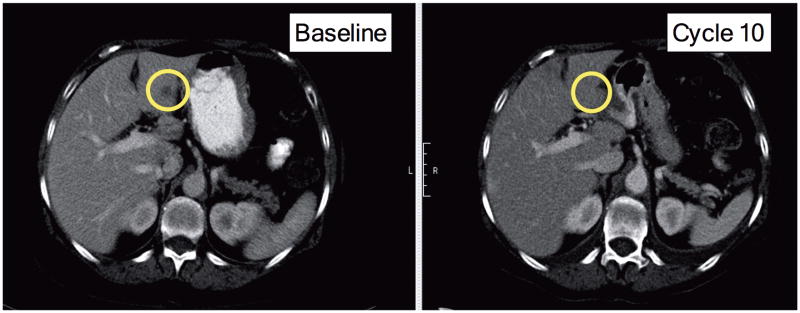
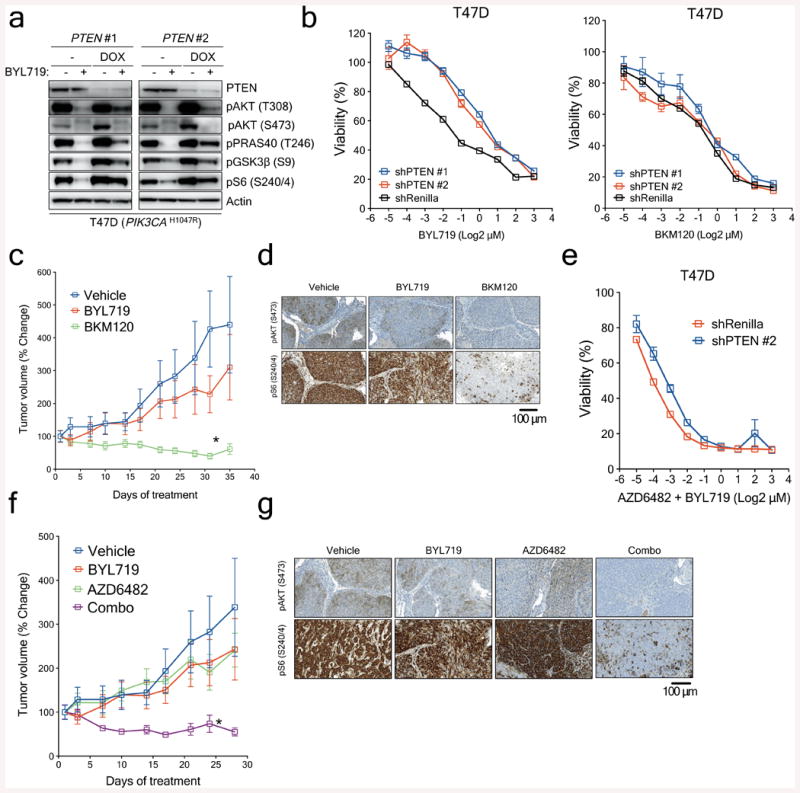
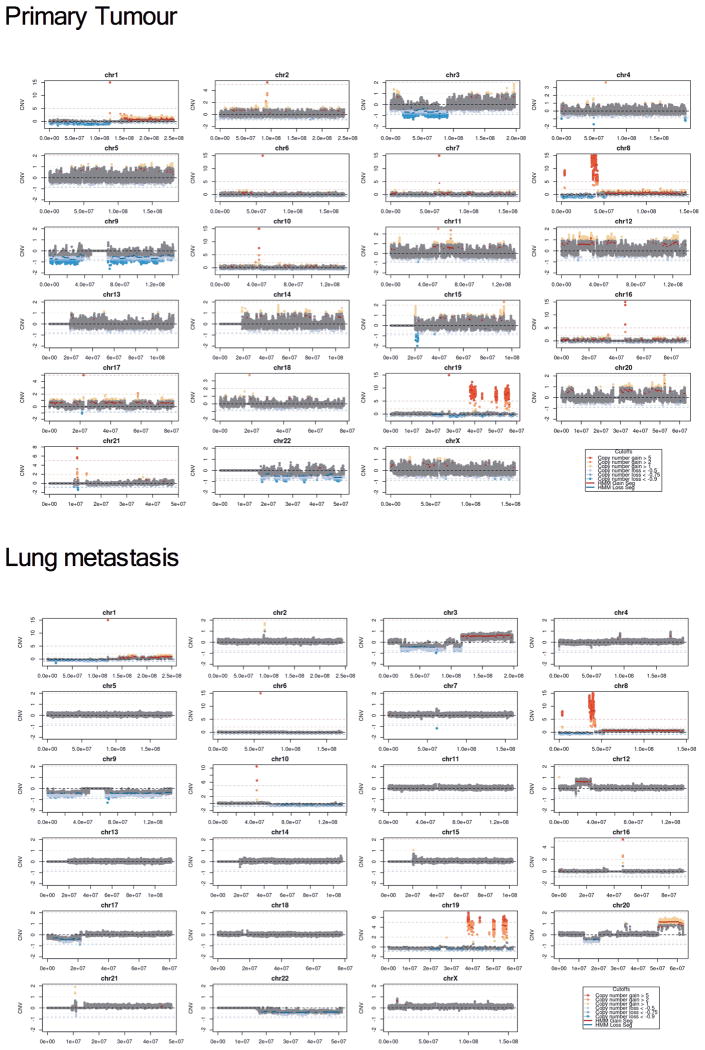
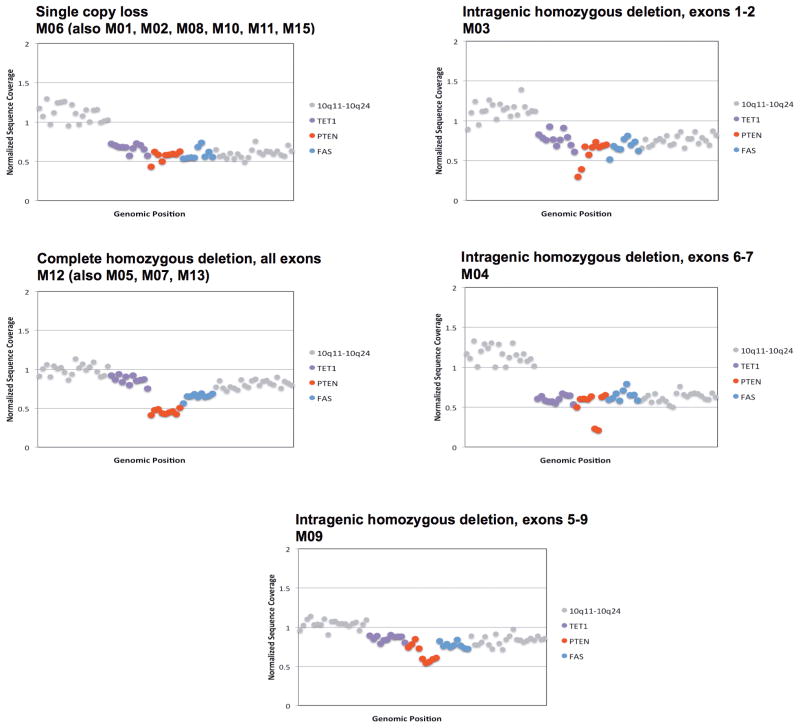
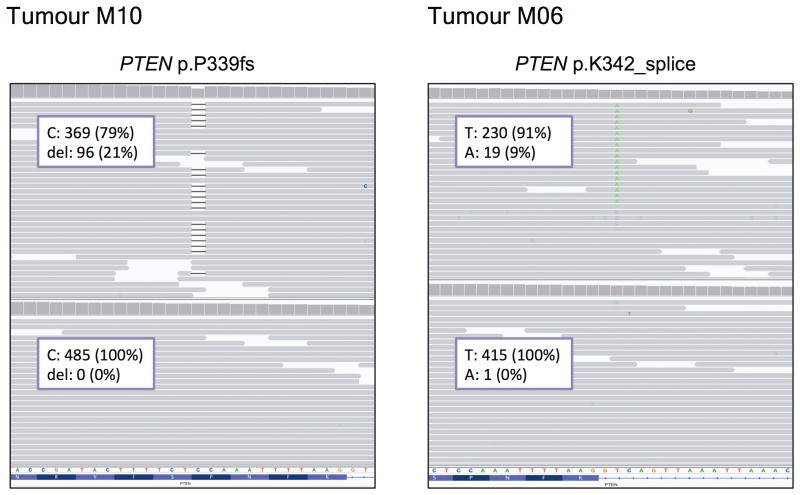
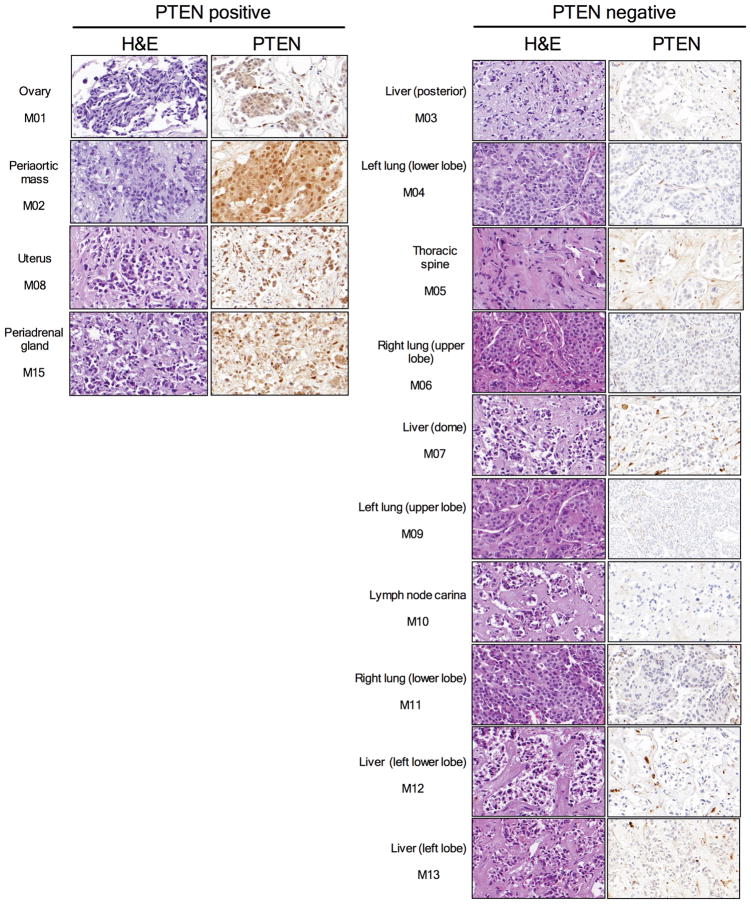
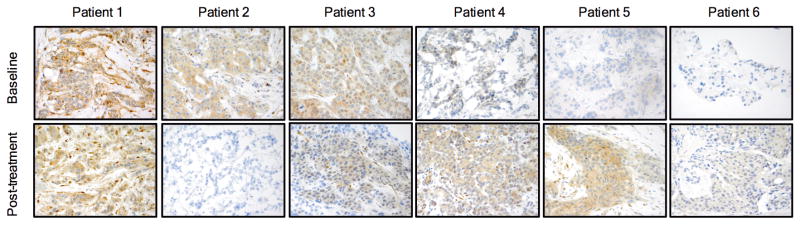
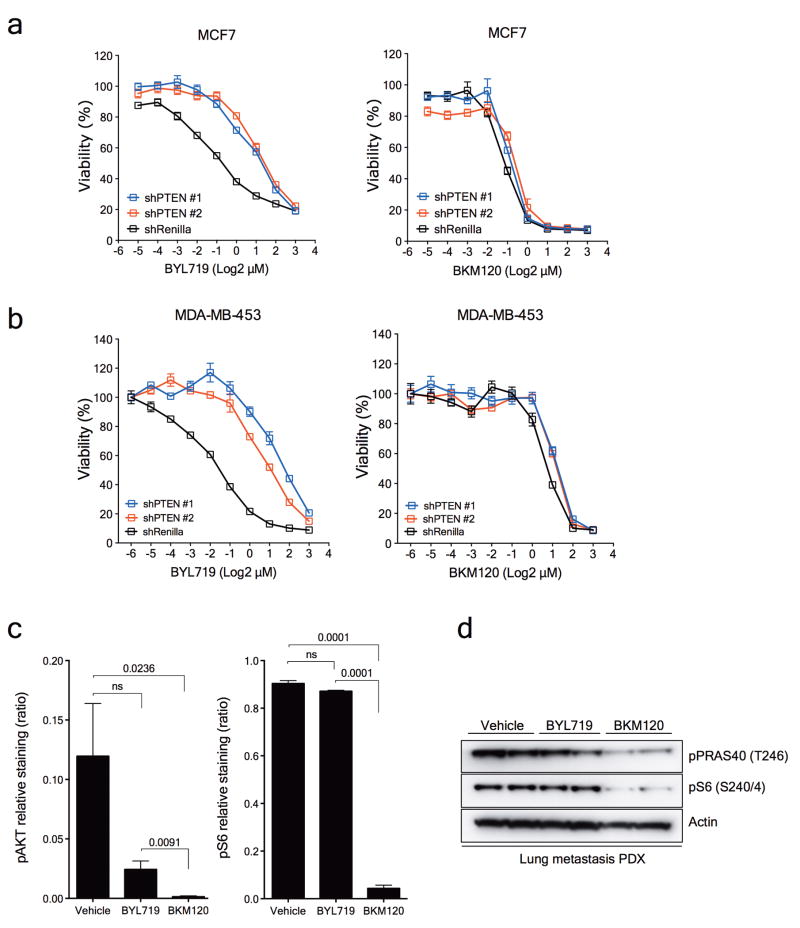
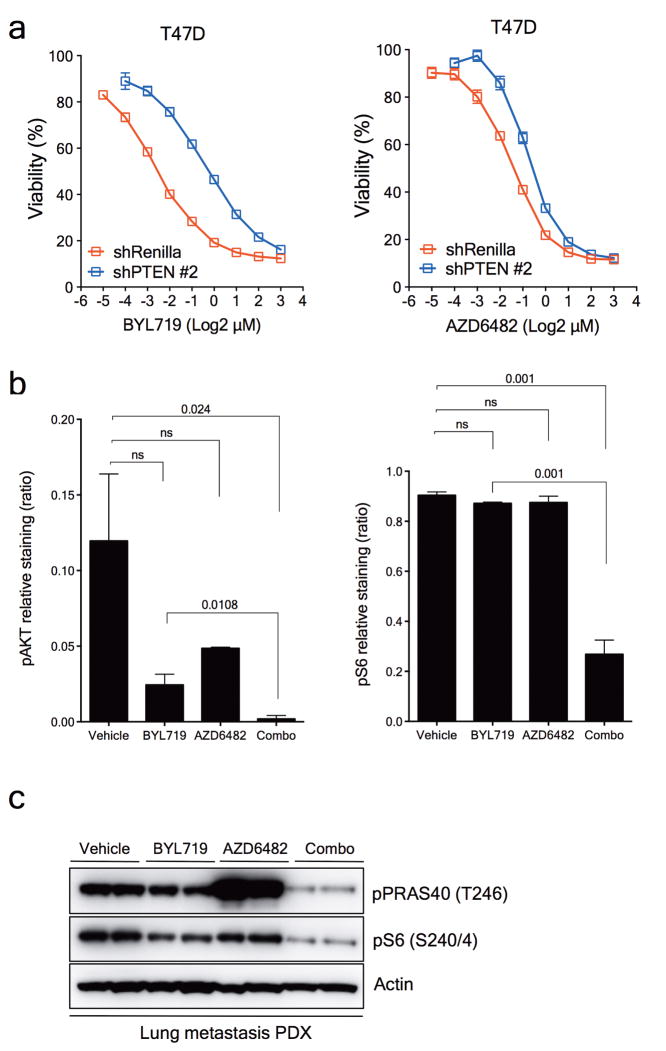
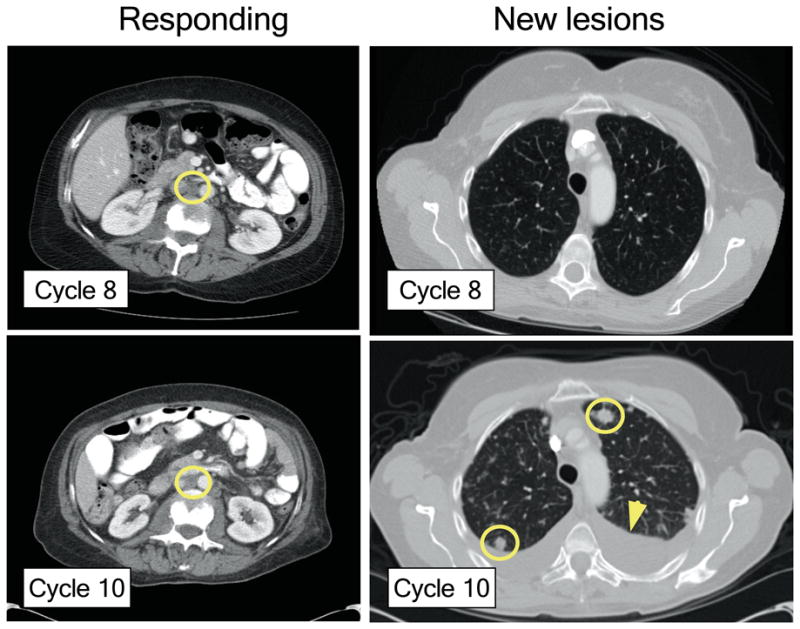
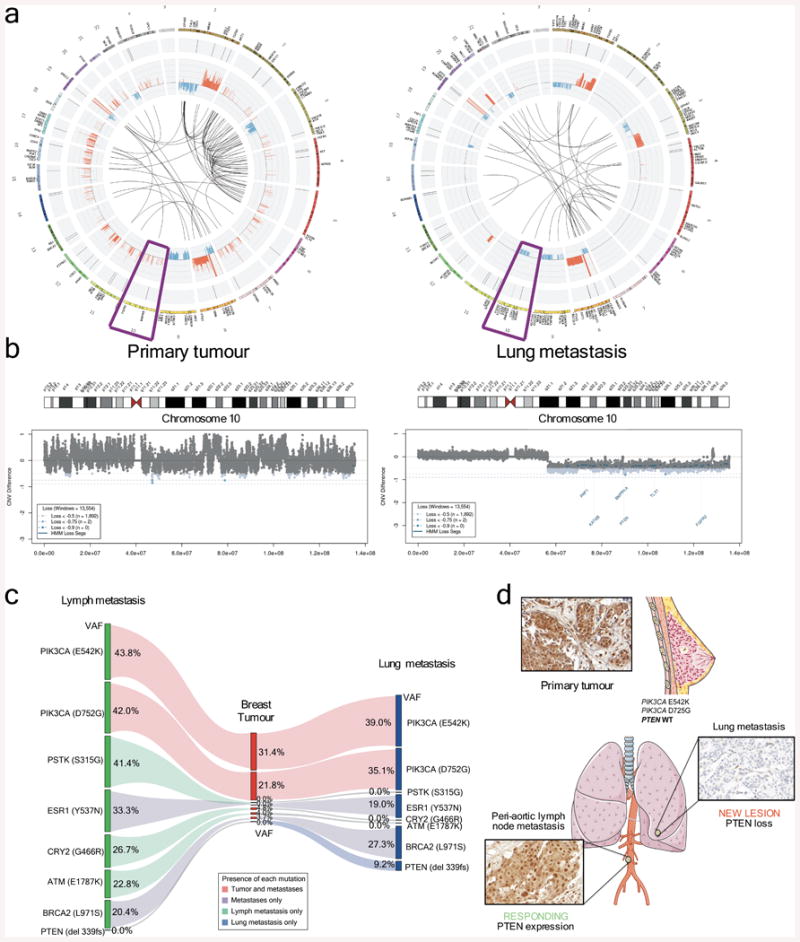
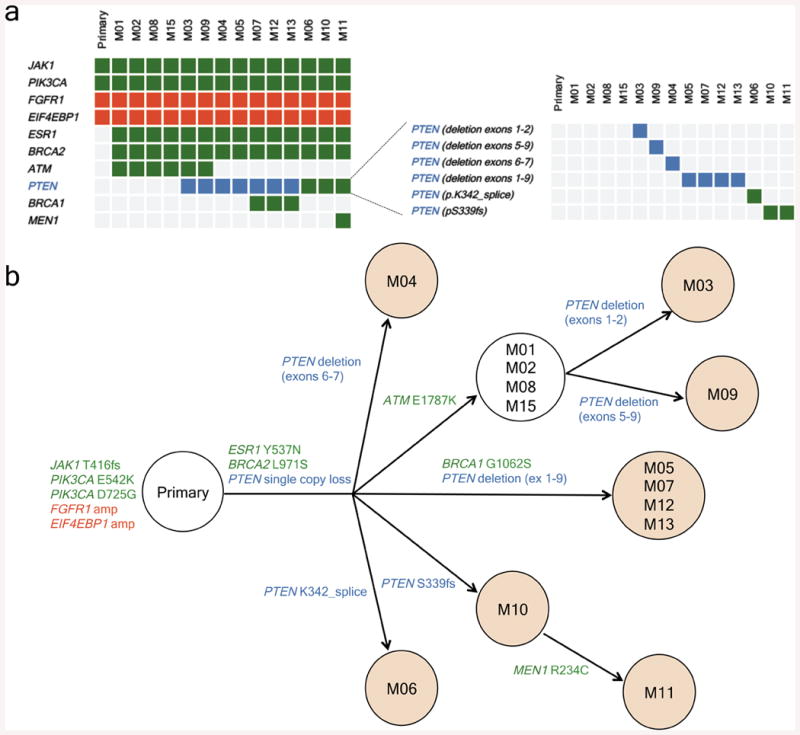
Broad and deep tumour genome sequencing has shed new light on tumour heterogeneity and provided important insights into the evolution of metastases arising from different clones. There is an additional layer of complexity, in that tumour evolution may be influenced by selective pressure provided by therapy, in a similar fashion to that occurring in infectious diseases. Here we studied tumour genomic evolution in a patient (index patient) with metastatic breast cancer bearing an activating PIK3CA (phosphatidylinositol-4,5-bisphosphate 3-kinase, catalytic subunit alpha, PI(3)Kα) mutation. The patient was treated with the PI(3)Kα inhibitor BYL719, which achieved a lasting clinical response, but the patient eventually became resistant to this drug (emergence of lung metastases) and died shortly thereafter. A rapid autopsy was performed and material from a total of 14 metastatic sites was collected and sequenced. All metastatic lesions, when compared to the pre-treatment tumour, had a copy loss of PTEN (phosphatase and tensin homolog) and those lesions that became refractory to BYL719 had additional and different PTEN genetic alterations, resulting in the loss of PTEN expression. To put these results in context, we examined six other patients also treated with BYL719. Acquired bi-allelic loss of PTEN was found in one of these patients, whereas in two others PIK3CA mutations present in the primary tumour were no longer detected at the time of progression. To characterize our findings functionally, we examined the effects of PTEN knockdown in several preclinical models (both in cell lines intrinsically sensitive to BYL719 and in PTEN-null xenografts derived from our index patient), which we found resulted in resistance to BYL719, whereas simultaneous PI(3)K p110β blockade reverted this resistance phenotype. We conclude that parallel genetic evolution of separate metastatic sites with different PTEN genomic alterations leads to a convergent PTEN-null phenotype resistant to PI(3)Kα inhibition.
广泛而深入的肿瘤基因组测序为肿瘤异质性提供了新的线索,并深入了解了不同克隆起源的转移瘤的进化过程。此外,肿瘤进化可能受到治疗选择性压力的影响,这与传染病中的情况类似。在这里,我们研究了一名携带激活型 PIK3CA(磷脂酰肌醇-4,5-二磷酸 3-激酶,催化亚单位 α,PI(3)Kα)突变的转移性乳腺癌患者(索引患者)的肿瘤基因组进化。该患者接受了 PI(3)Kα 抑制剂 BYL719 的治疗,该药物实现了持久的临床缓解,但患者最终对该药物产生耐药性(出现肺转移),并在不久后死亡。快速进行了尸检,并采集和测序了总共 14 个转移部位的组织。与治疗前肿瘤相比,所有转移病灶均出现 PTEN(磷酸酶和张力蛋白同源物)的拷贝缺失,而对 BYL719 产生耐药性的病灶则出现了额外的不同的 PTEN 基因改变,导致 PTEN 表达缺失。为了将这些结果置于上下文中,我们检查了另外 6 名也接受 BYL719 治疗的患者。在其中一名患者中发现了获得性双等位基因缺失的 PTEN,而在另外两名患者中,原发性肿瘤中存在的 PIK3CA 突变在进展时不再检测到。为了从功能上描述我们的发现,我们在几种临床前模型(包括对 BYL719 固有敏感的细胞系和源自我们索引患者的 PTEN 缺失异种移植物)中检查了 PTEN 敲低的效果,我们发现这导致了对 BYL719 的耐药性,而同时抑制 PI(3)K p110β 则逆转了这种耐药表型。我们得出结论,不同转移部位的平行遗传进化导致了具有不同 PTEN 基因组改变的趋同 PTEN 缺失表型,对 PI(3)Kα 抑制产生耐药性。