Abashidze Anastasia, Gold Veronica, Anavi Yaron, Greenspan Hayit, Weil Miguel
Laboratory for Neurodegenerative Diseases and Personalized Medicine, Department of Cell Research and Immunology, The Sagol School of Neurosciences, The George S. Wise Faculty of Life Sciences, Tel Aviv University, Tel Aviv, Israel.
Department of Applied Mathematics, School of Mathematical Sciences, Tel Aviv University, Tel Aviv, Israel.
PLoS One. 2014 Nov 19;9(11):e113428. doi: 10.1371/journal.pone.0113428. eCollection 2014.
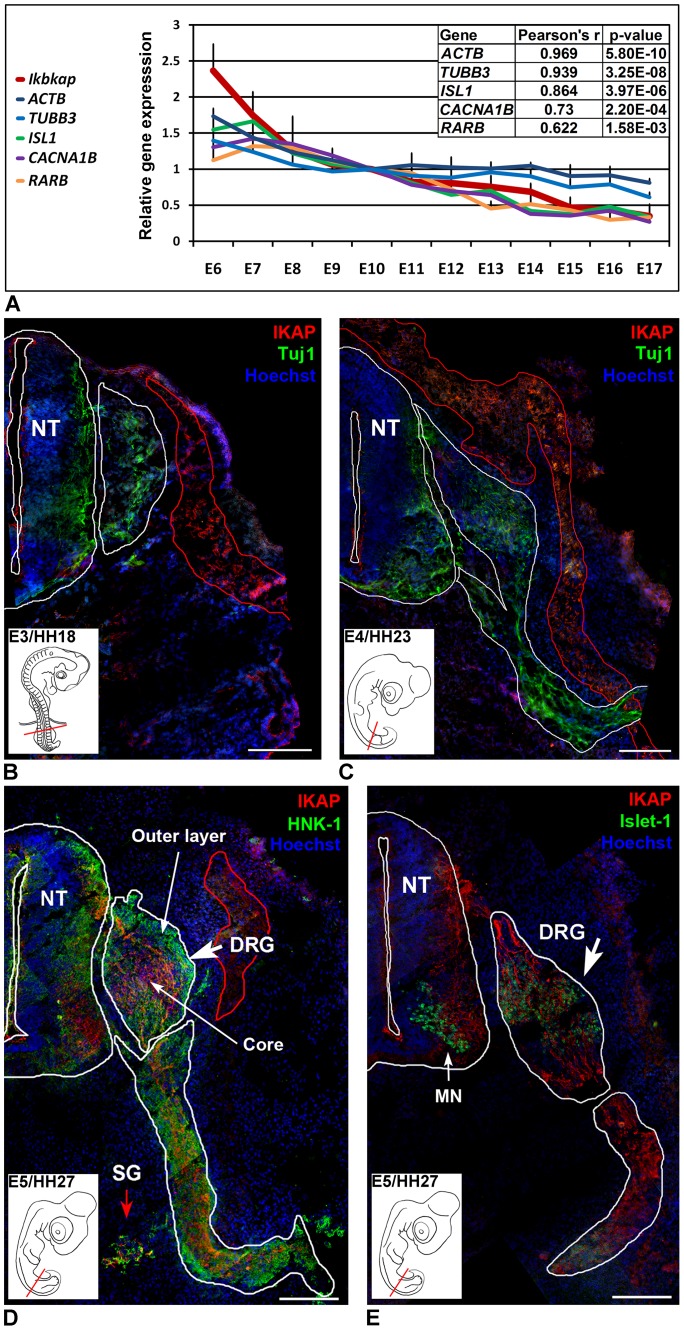
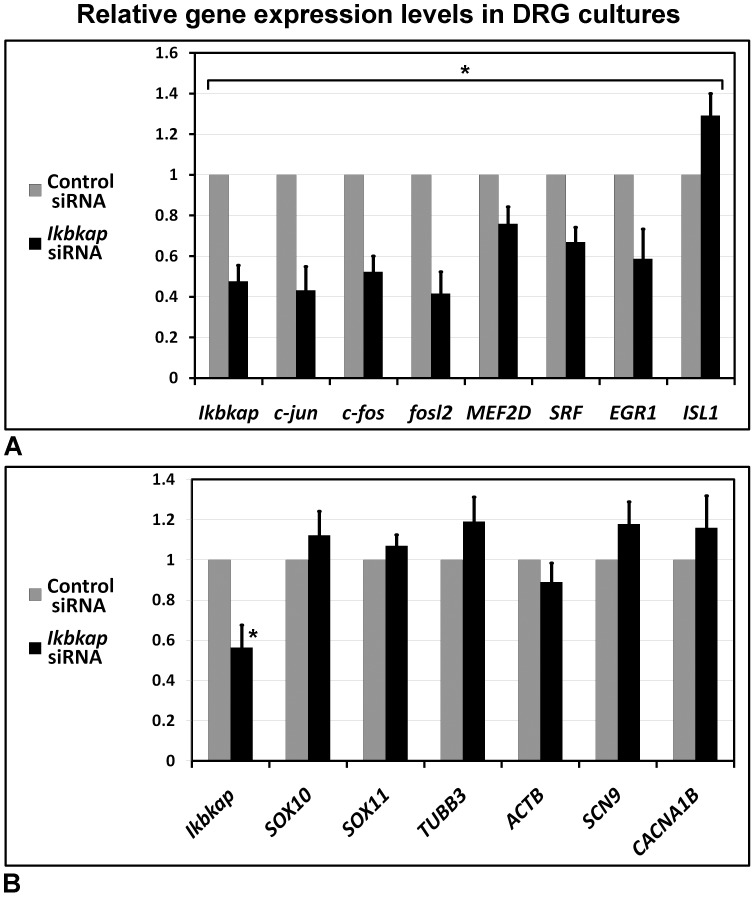
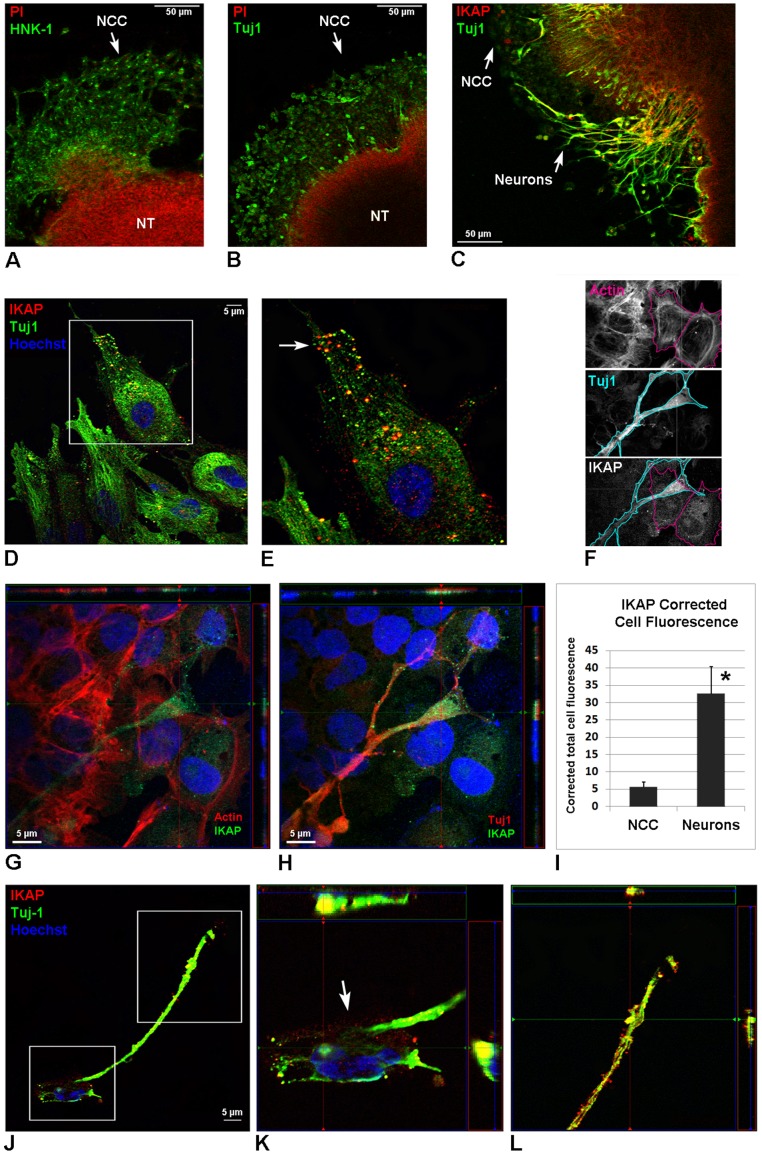
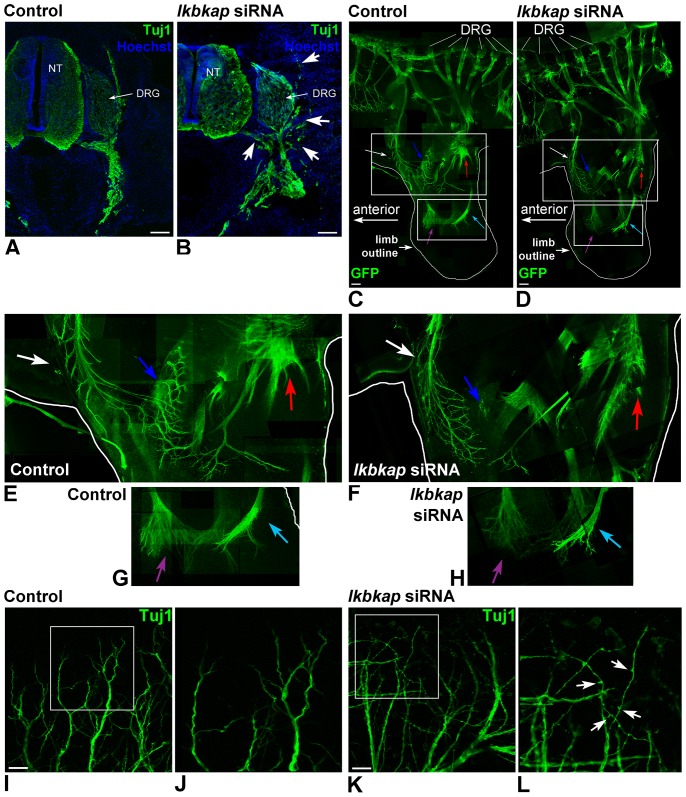
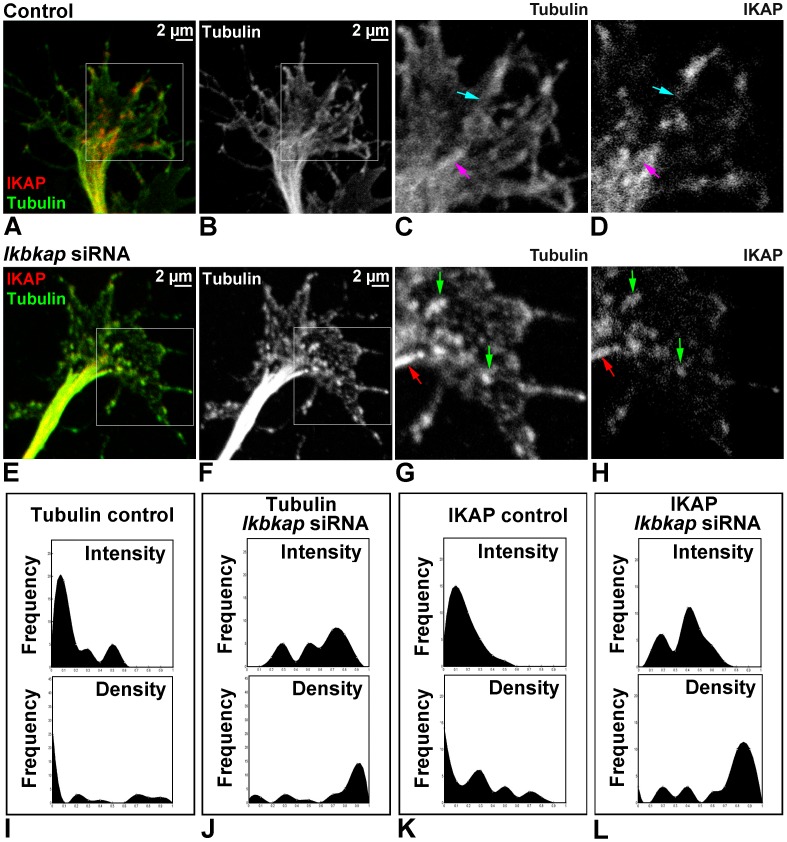
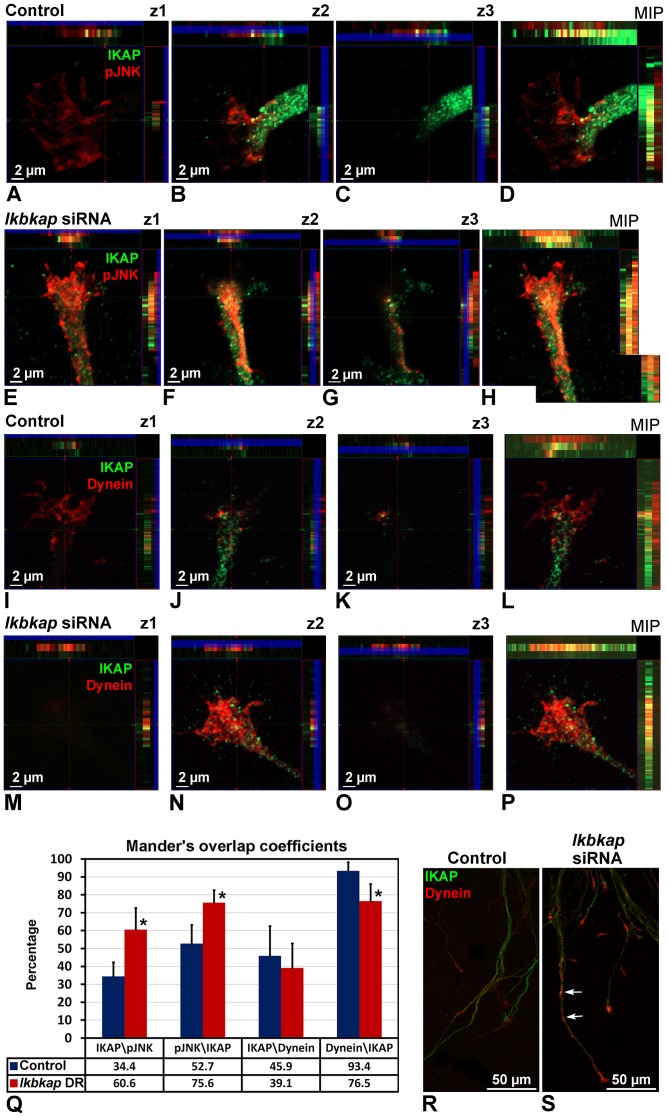
A splicing mutation in the ikbkap gene causes Familial Dysautonomia (FD), affecting the IKAP protein expression levels and proper development and function of the peripheral nervous system (PNS). Here we attempted to elucidate the role of IKAP in PNS development in the chick embryo and found that IKAP is required for proper axonal outgrowth, branching, and peripheral target innervation. Moreover, we demonstrate that IKAP colocalizes with activated JNK (pJNK), dynein, and β-tubulin at the axon terminals of dorsal root ganglia (DRG) neurons, and may be involved in transport of specific target derived signals required for transcription of JNK and NGF responsive genes in the nucleus. These results suggest the novel role of IKAP in neuronal transport and specific signaling mediated transcription, and provide, for the first time, the basis for a molecular mechanism behind the FD phenotype.
ikbkap基因中的剪接突变导致家族性自主神经功能障碍(FD),影响IKAP蛋白表达水平以及外周神经系统(PNS)的正常发育和功能。在此,我们试图阐明IKAP在鸡胚PNS发育中的作用,发现IKAP是轴突正常生长、分支以及外周靶标神经支配所必需的。此外,我们证明IKAP与背根神经节(DRG)神经元轴突末端的活化JNK(pJNK)、动力蛋白和β-微管蛋白共定位,并且可能参与细胞核中JNK和NGF反应基因转录所需的特定靶标衍生信号的运输。这些结果表明IKAP在神经元运输和特定信号介导的转录中具有新作用,并首次为FD表型背后的分子机制提供了依据。