Daniele S, Zappelli E, Natali L, Martini C, Trincavelli M L
Department of Pharmacy, University of Pisa, Pisa, Italy.
Cell Death Dis. 2014 Nov 27;5(11):e1539. doi: 10.1038/cddis.2014.487.
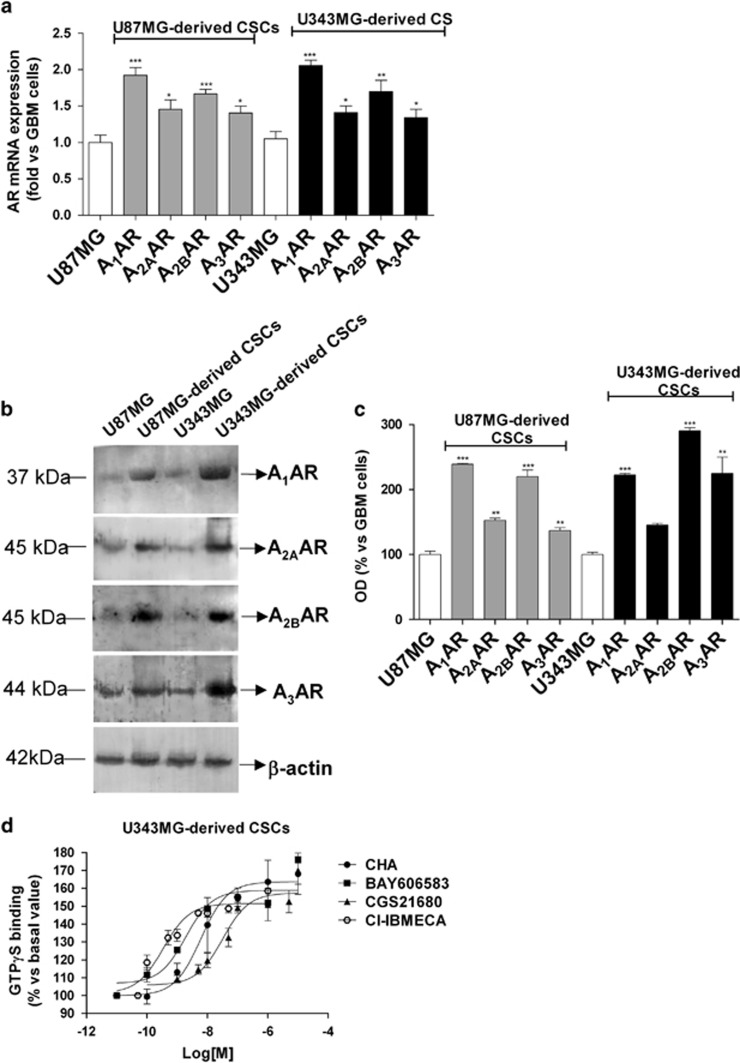
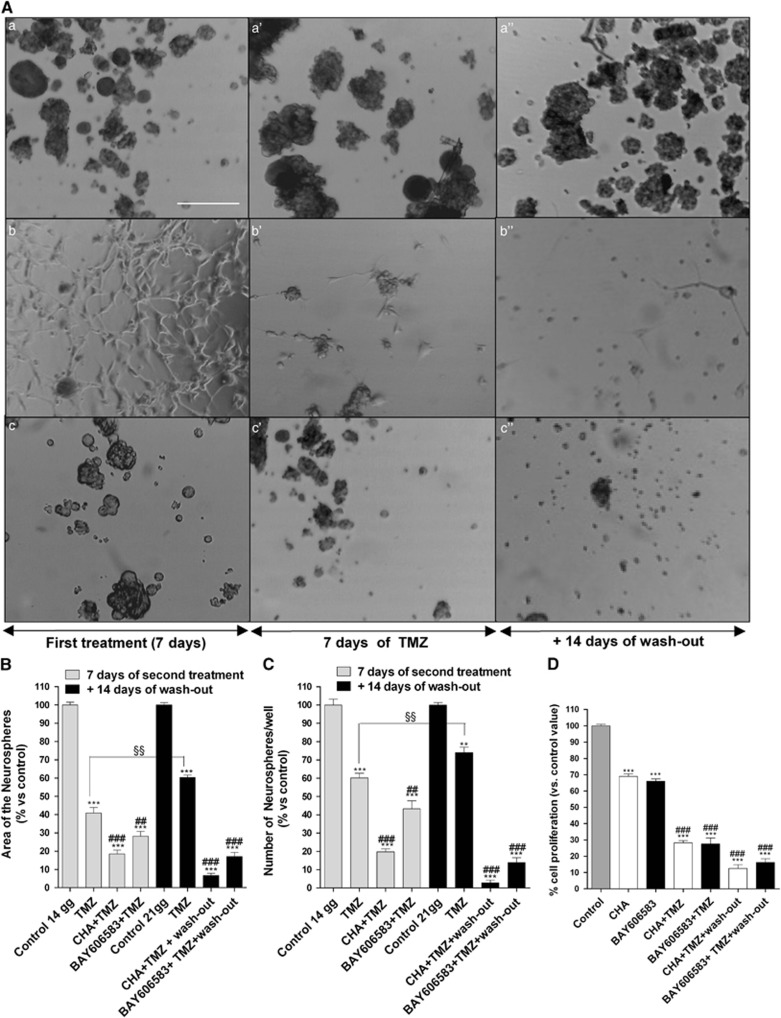
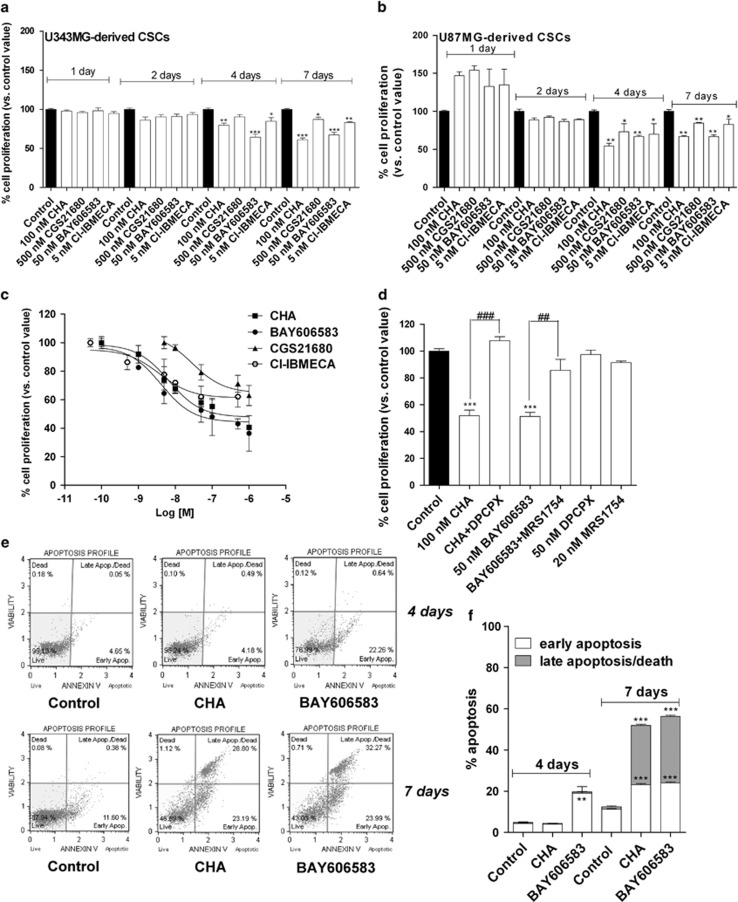
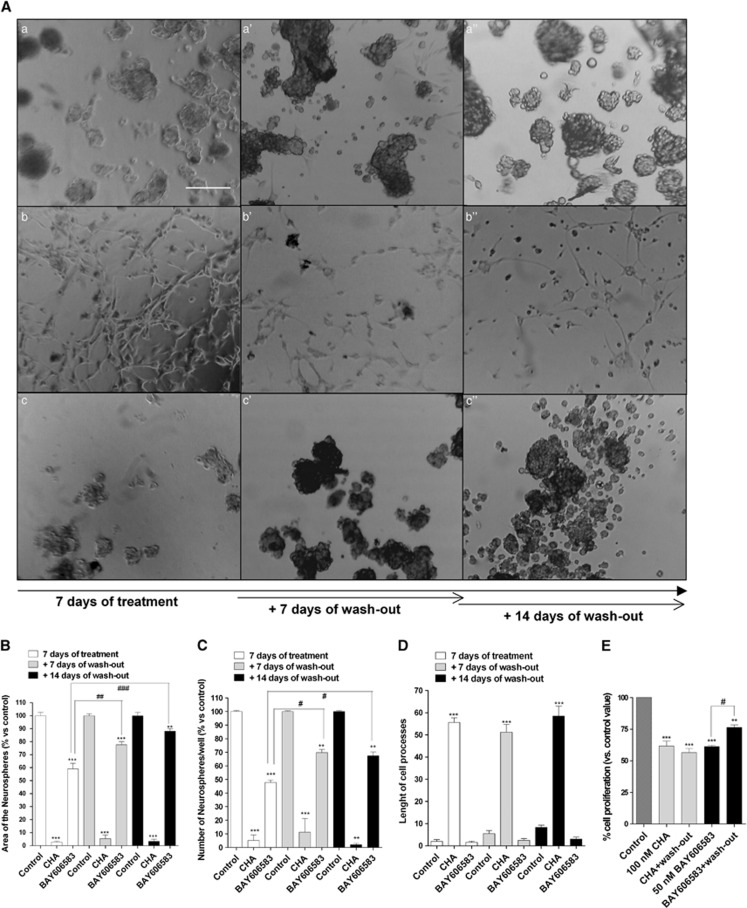
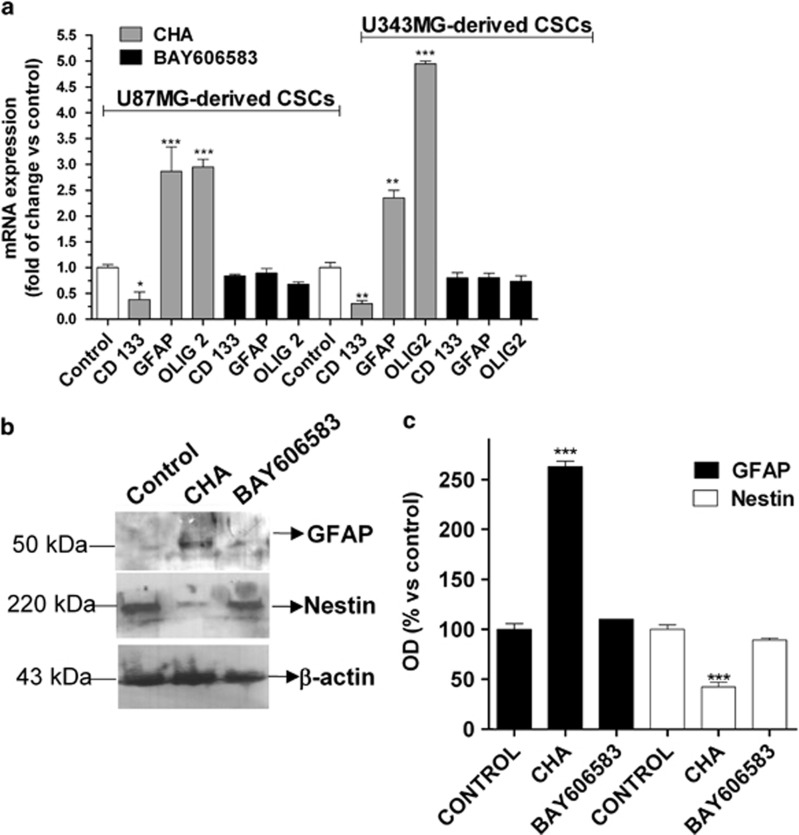
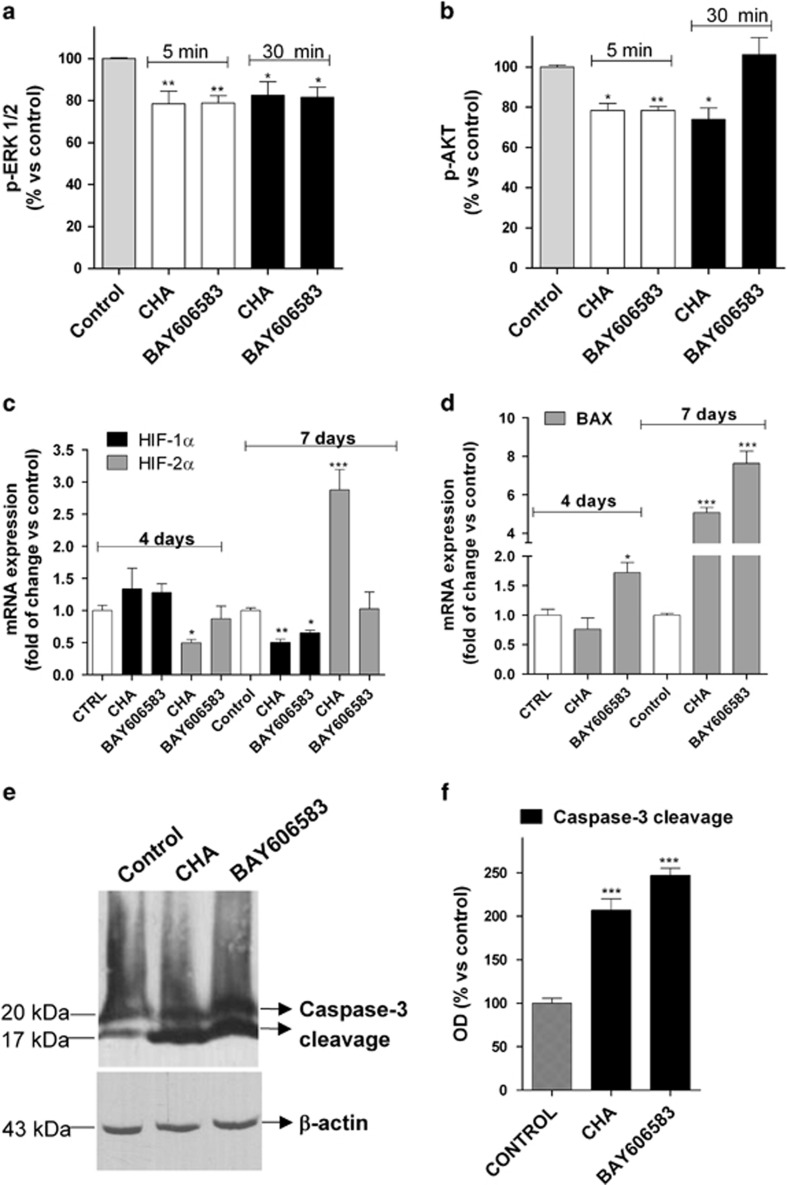
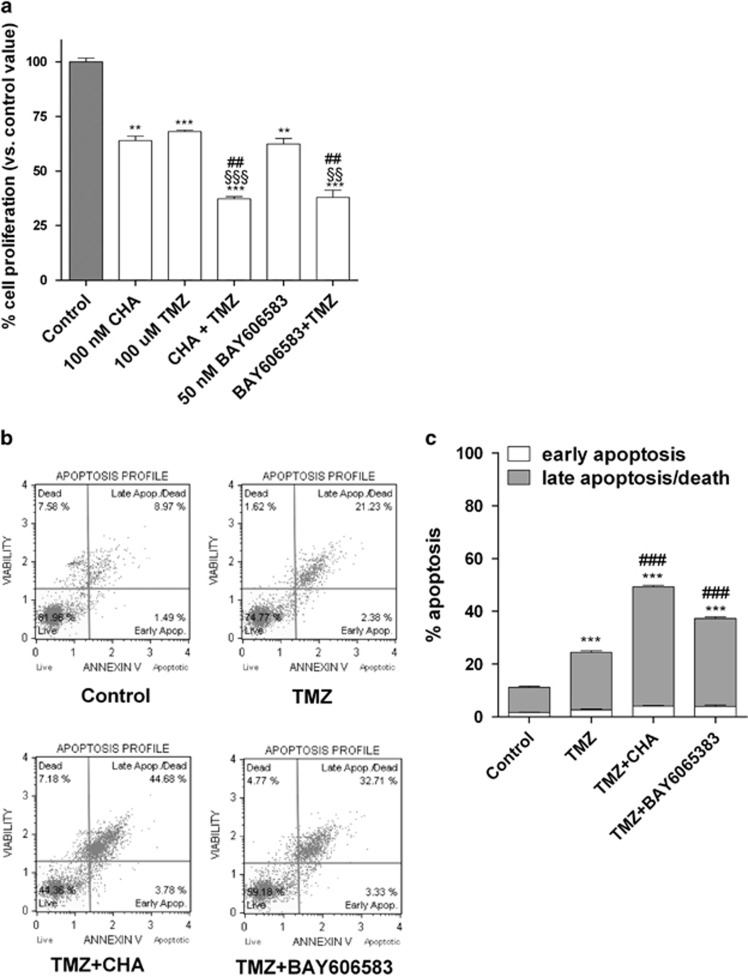
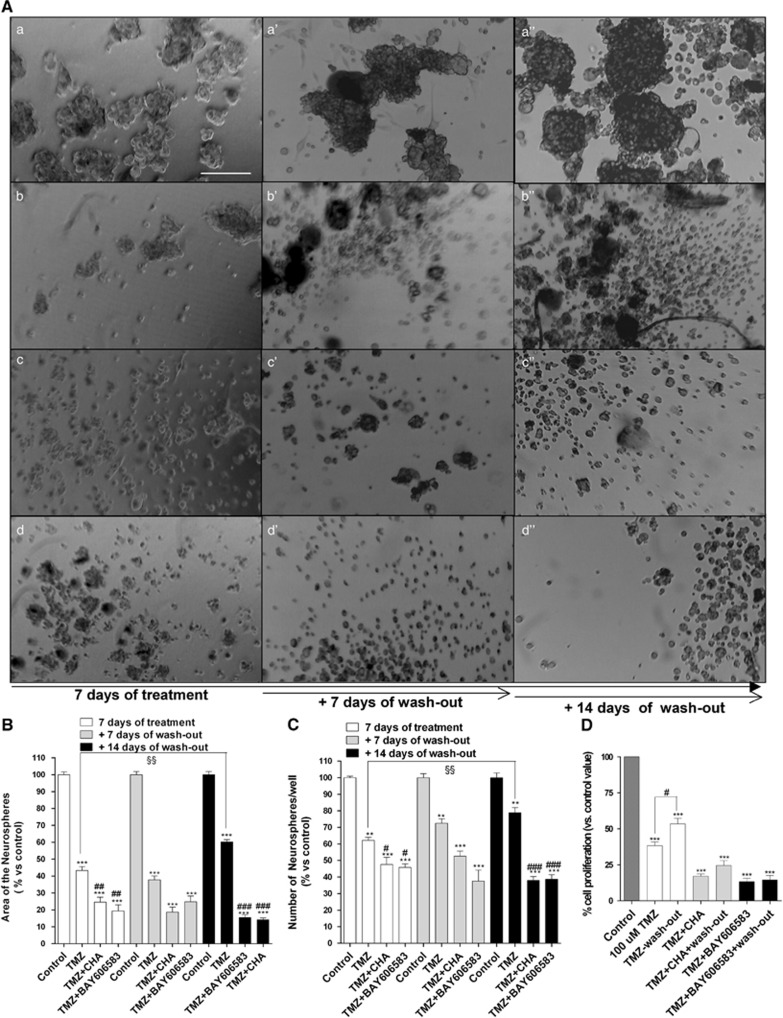
Therapies that target the signal transduction and biological characteristics of cancer stem cells (CSCs) are innovative strategies that are used in combination with conventional chemotherapy and radiotherapy to effectively reduce the recurrence and significantly improve the treatment of glioblastoma multiforme (GBM). The two main strategies that are currently being exploited to eradicate CSCs are (a) chemotherapeutic regimens that specifically drive CSCs toward cell death and (b) those that promote the differentiation of CSCs, thereby depleting the tumour reservoir. Extracellular purines, particularly adenosine triphosphate, have been implicated in the regulation of CSC formation, but currently, no data on the role of adenosine and its receptors in the biological processes of CSCs are available. In this study, we investigated the role of adenosine receptor (AR) subtypes in the survival and differentiation of CSCs isolated from human GBM cells. Stimulation of A1AR and A2BAR had a prominent anti-proliferative/pro-apoptotic effect on the CSCs. Notably, an A1AR agonist also promoted the differentiation of CSCs toward a glial phenotype. The differential effects of the two AR agonists on the survival and/or differentiation of CSCs may be ascribed to their distinct regulation of the kinetics of ERK/AKT phosphorylation and the expression of hypoxia-inducible factors. Most importantly, the AR agonists sensitised CSCs to the genotoxic activity of temozolomide (TMZ) and prolonged its effects, most likely through different mechanisms, are as follows: (i) by A2BAR potentiating the pro-apoptotic effects of TMZ and (ii) by A1AR driving cells toward a differentiated phenotype that is more sensitive to TMZ. Taken together, the results of this study suggested that the purinergic system is a novel target for a stem cell-oriented therapy that could reduce the recurrence of GBM and improve the survival rate of GBM patients.
针对癌症干细胞(CSCs)信号转导和生物学特性的疗法是创新策略,与传统化疗和放疗联合使用,可有效降低复发率并显著改善多形性胶质母细胞瘤(GBM)的治疗效果。目前用于根除CSCs的两种主要策略是:(a)特异性促使CSCs走向细胞死亡的化疗方案,以及(b)促进CSCs分化从而耗尽肿瘤储备的方案。细胞外嘌呤,特别是三磷酸腺苷,已被认为参与CSC形成的调节,但目前尚无关于腺苷及其受体在CSCs生物学过程中作用的数据。在本研究中,我们调查了腺苷受体(AR)亚型在从人GBM细胞分离出的CSCs存活和分化中的作用。刺激A1AR和A2BAR对CSCs具有显著的抗增殖/促凋亡作用。值得注意的是,A1AR激动剂还促进CSCs向神经胶质细胞表型分化。两种AR激动剂对CSCs存活和/或分化的不同作用可能归因于它们对ERK/AKT磷酸化动力学和缺氧诱导因子表达的不同调节。最重要的是,AR激动剂使CSCs对替莫唑胺(TMZ)的基因毒性作用敏感并延长其作用,最可能通过不同机制,如下:(i)A2BAR增强TMZ的促凋亡作用,以及(ii)A1AR使细胞向对TMZ更敏感的分化表型转变。综上所述,本研究结果表明嘌呤能系统是一种新型的以干细胞为导向的治疗靶点,可降低GBM的复发率并提高GBM患者的生存率。