Tait Leigh W, Hawes Ian, Schiel David R
Marine Ecology Research Group, School of Biological Sciences, University of Canterbury, Christchurch, New Zealand; National Institute of Water & Atmosphere, Riccarton, Christchurch, New Zealand.
Gateway Antarctica, University of Canterbury, Christchurch, New Zealand.
PLoS One. 2014 Dec 1;9(12):e114146. doi: 10.1371/journal.pone.0114146. eCollection 2014.
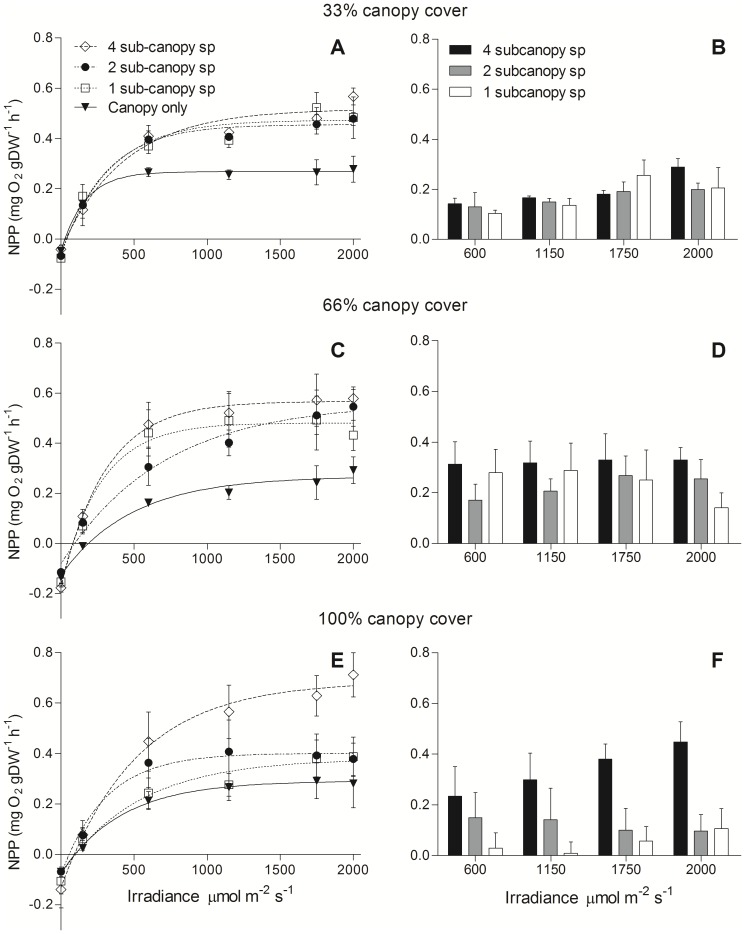
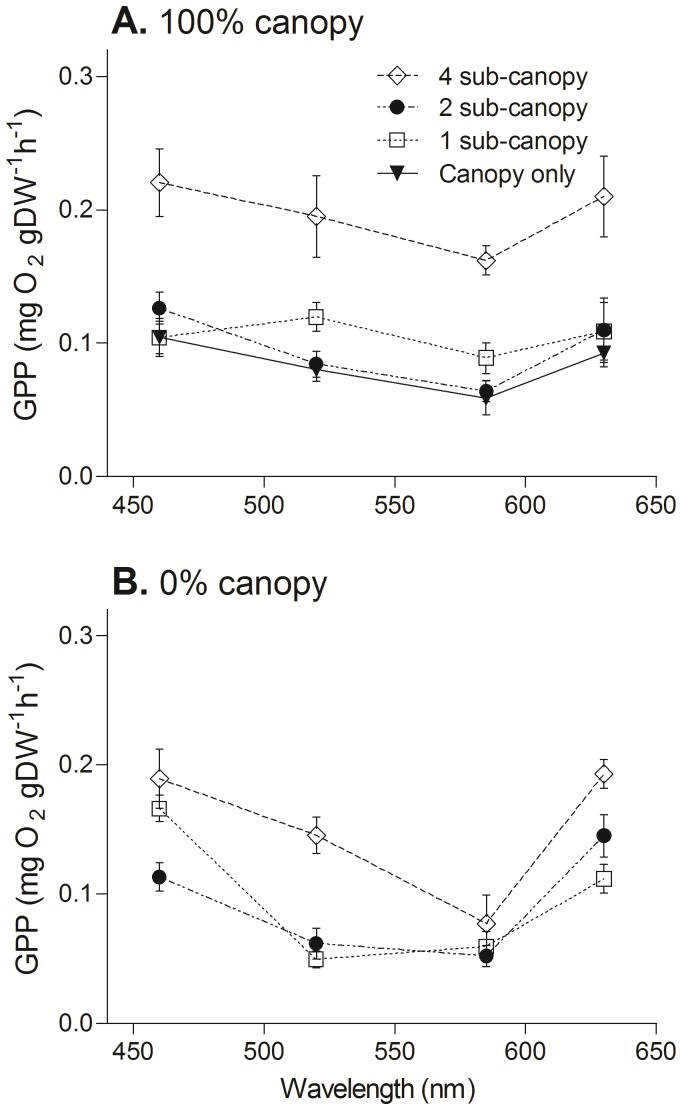
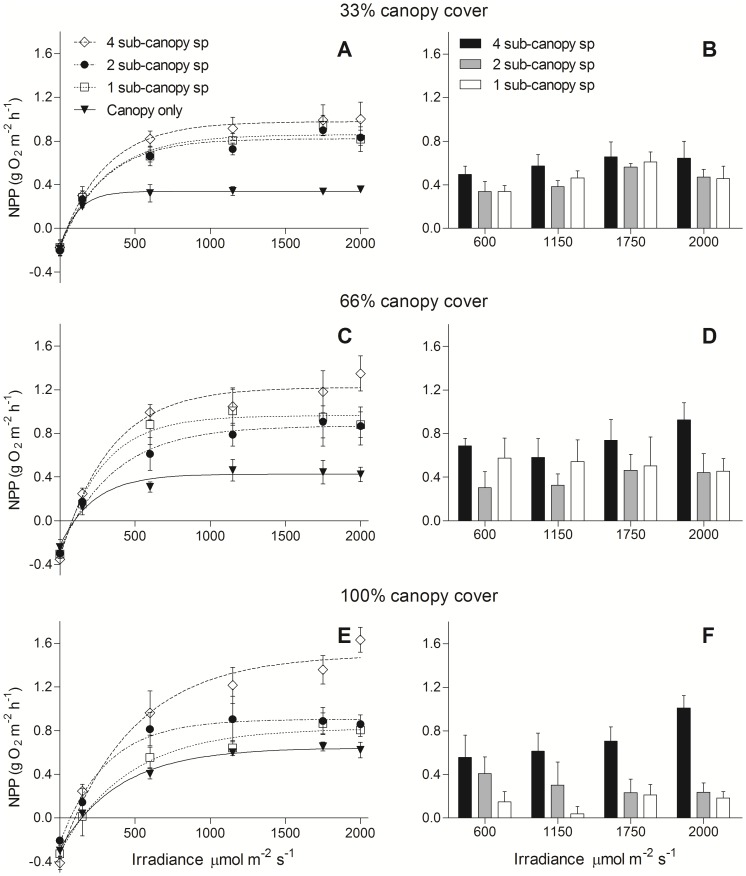
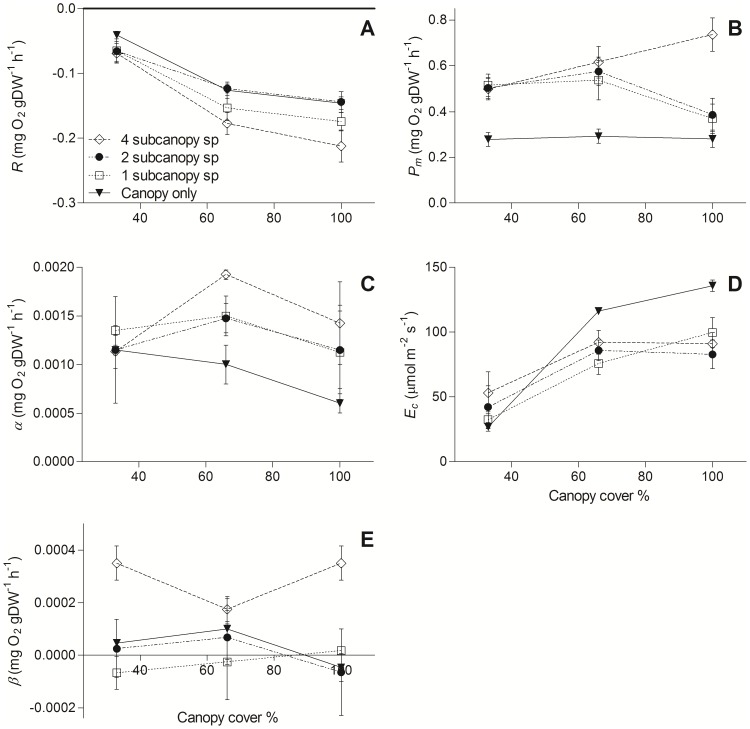
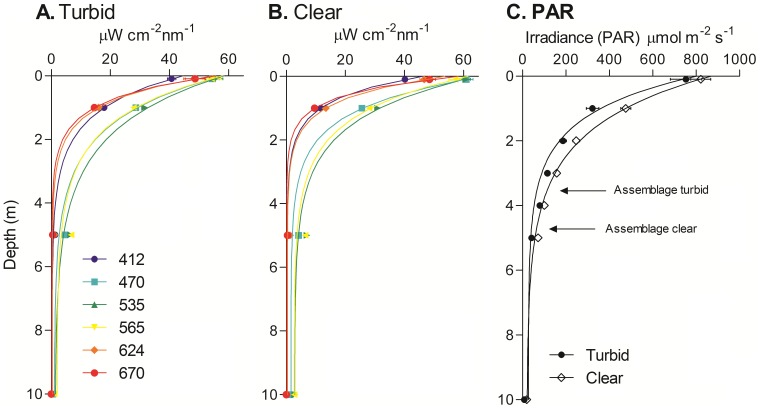
Phototrophs underpin most ecosystem processes, but to do this they need sufficient light. This critical resource, however, is compromised along many marine shores by increased loads of sediments and nutrients from degraded inland habitats. Increased attenuation of total irradiance within coastal water columns due to turbidity is known to reduce species' depth limits and affect the taxonomic structure and architecture of algal-dominated assemblages, but virtually no attention has been paid to the potential for changes in spectral quality of light energy to impact production dynamics. Pioneering studies over 70 years ago showed how different pigmentation of red, green and brown algae affected absorption spectra, action spectra, and photosynthetic efficiency across the PAR (photosynthetically active radiation) spectrum. Little of this, however, has found its way into ecological syntheses of the impacts of optically active contaminants on coastal macroalgal communities. Here we test the ability of macroalgal assemblages composed of multiple functional groups (including representatives from the chlorophyta, rhodophyta and phaeophyta) to use the total light resource, including different light wavelengths and examine the effects of suspended sediments on the penetration and spectral quality of light in coastal waters. We show that assemblages composed of multiple functional groups are better able to use light throughout the PAR spectrum. Macroalgal assemblages with four sub-canopy species were between 50-75% more productive than assemblages with only one or two sub-canopy species. Furthermore, attenuation of the PAR spectrum showed both a loss of quanta and a shift in spectral distribution with depth across coastal waters of different clarity, with consequences to productivity dynamics of diverse layered assemblages. The processes of light complementarity may help provide a mechanistic understanding of how altered turbidity affects macroalgal assemblages in coastal waters, which are increasingly threatened by diminishing light quantity and altered spectral distributions through sedimentation and eutrophication.
光合生物支撑着大多数生态系统过程,但要做到这一点,它们需要充足的光照。然而,这种关键资源在许多海岸沿线因内陆栖息地退化导致的沉积物和养分负荷增加而受到损害。由于水体浑浊,沿海水柱内总辐照度的衰减增加,已知这会降低物种的深度限制,并影响以藻类为主的群落的分类结构和架构,但几乎没有人关注光能光谱质量变化对生产动态的潜在影响。70多年前的开创性研究表明,红藻、绿藻和褐藻的不同色素沉着如何影响整个光合有效辐射(PAR)光谱的吸收光谱、作用光谱和光合效率。然而,其中很少有内容进入到关于光学活性污染物对沿海大型藻类群落影响的生态综合研究中。在这里,我们测试了由多个功能组(包括绿藻门、红藻门和褐藻门的代表)组成的大型藻类群落利用总光资源(包括不同光波长)的能力,并研究了悬浮沉积物对沿海水体中光的穿透和光谱质量的影响。我们表明,由多个功能组组成的群落能够更好地利用整个PAR光谱中的光。具有四个亚冠层物种的大型藻类群落的生产力比只有一两个亚冠层物种的群落高50%-75%。此外,PAR光谱的衰减显示,在不同清澈度的沿海水域中,随着深度的增加,量子损失和光谱分布都会发生变化,这对不同分层群落的生产力动态产生影响。光互补过程可能有助于提供一个机制性的理解,即浑浊度改变如何影响沿海水域中的大型藻类群落,这些群落正日益受到沉积和富营养化导致的光量减少和光谱分布改变的威胁。