Yesudian Charles A K, Grepstad Mari, Visintin Erica, Ferrario Alessandra
School of Health Systems Studies, Tata Institute of Social Sciences, Mumbai, India.
LSE Health, London School of Economics and Political Science, Houghton Street, London, WC2A 2AE, UK.
Global Health. 2014 Dec 2;10:80. doi: 10.1186/s12992-014-0080-x.
Diabetes and its complications are a major cause of morbidity and mortality in India, and the prevalence of type 2 diabetes is on the rise. This calls for an assessment of the economic burden of the disease.
To conduct a critical review of the literature on cost of illness studies of diabetes and its complications in India.
A comprehensive literature review addressing the study objective was conducted. An extraction table and a scoring system to assess the quality of the studies reviewed were developed.
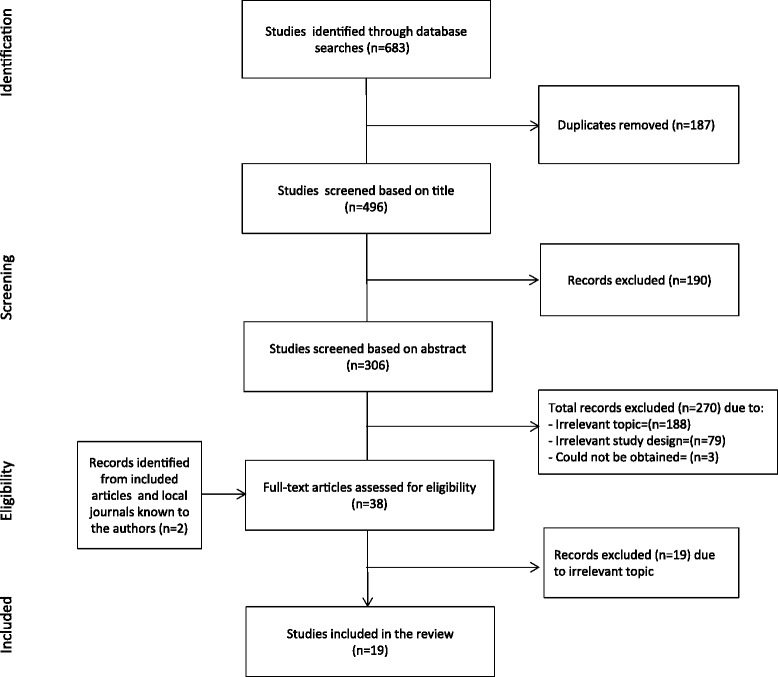
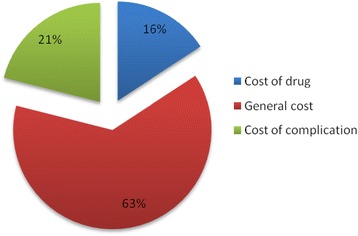
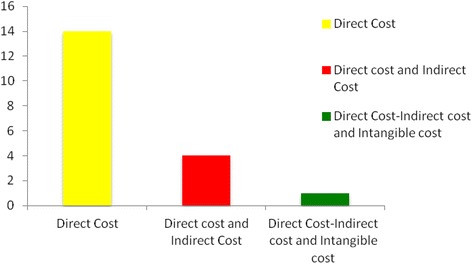
A total of nineteen articles from different regions of India met the study inclusion criteria. The third party payer perspective was the most common study design (17 articles) while fewer articles (n =2) reported on costs from a health system or societal perspective. All the articles included direct costs and only a few (n =4) provided estimates for indirect costs based on income loss for patients and carers. Drug costs proved to be a significant cost component in several studies (n =12). While middle and high-income groups had higher expenditure in absolute terms, costs constituted a higher proportion of income for the poor. The economic burden was highest among urban groups. The overall quality of the studies is low due to a number of methodological weaknesses. The most frequent epidemiological approach employed was the prevalence-based one (n =18) while costs were mainly estimated using a bottom up approach (n =15).
The body of literature on the costs of diabetes and its complications in India provides a fragmented picture that has mostly concentrated on the direct costs borne by individuals rather than the healthcare system. There is a need to develop a robust methodology to perform methodologically rigorous and transparent cost of illness studies to inform policy decisions.
糖尿病及其并发症是印度发病和死亡的主要原因,2型糖尿病的患病率正在上升。这就需要对该疾病的经济负担进行评估。
对印度糖尿病及其并发症疾病成本研究的文献进行批判性综述。
针对研究目的进行了全面的文献综述。制定了一个提取表和一个评分系统来评估所综述研究的质量。
来自印度不同地区的19篇文章符合研究纳入标准。第三方支付者视角是最常见的研究设计(17篇文章),而从卫生系统或社会视角报告成本的文章较少(n = 2)。所有文章都包括直接成本,只有少数几篇(n = 4)根据患者和护理人员的收入损失提供了间接成本估计。在几项研究中(n = 12),药物成本被证明是一个重要的成本组成部分。虽然中高收入群体的绝对支出较高,但成本在贫困人口收入中所占比例更高。城市群体的经济负担最高。由于一些方法学上的弱点,这些研究的总体质量较低。最常用的流行病学方法是基于患病率的方法(n = 18),而成本主要采用自下而上的方法进行估计(n = 15)。
关于印度糖尿病及其并发症成本的文献提供了一幅支离破碎的图景,主要集中在个人承担的直接成本而非医疗保健系统的成本上。需要开发一种稳健的方法来进行方法学上严谨且透明的疾病成本研究,以为政策决策提供信息。