Niyogi Ritwik K, Shizgal Peter, Dayan Peter
Gatsby Computational Neuroscience Unit, University College London, London, United Kingdom.
Center for Studies in Behavioral Neurobiology, Concordia University, Montreal, Quebec, Canada.
PLoS Comput Biol. 2014 Dec 4;10(12):e1003894. doi: 10.1371/journal.pcbi.1003894. eCollection 2014 Dec.
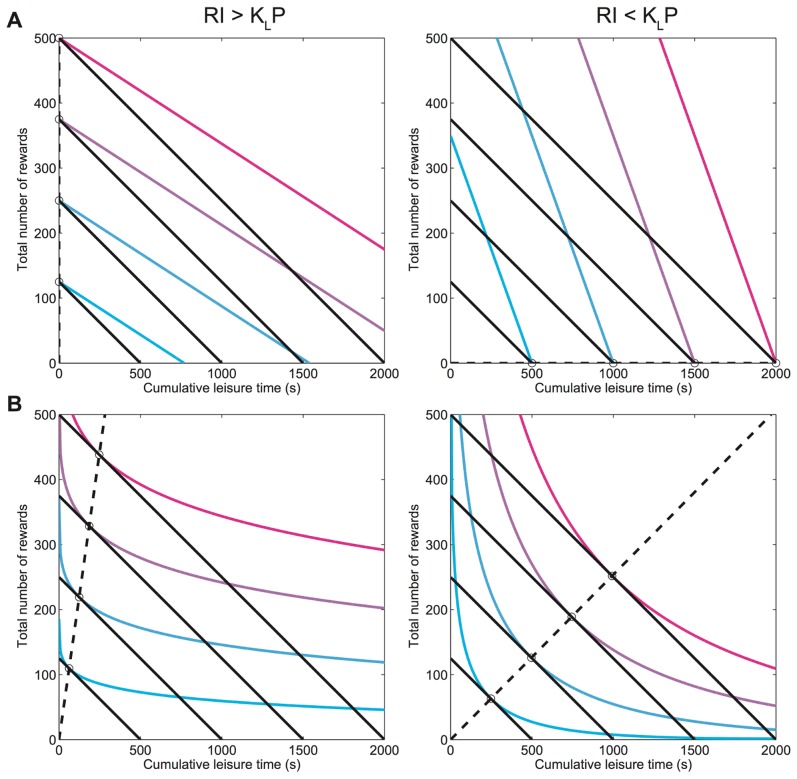
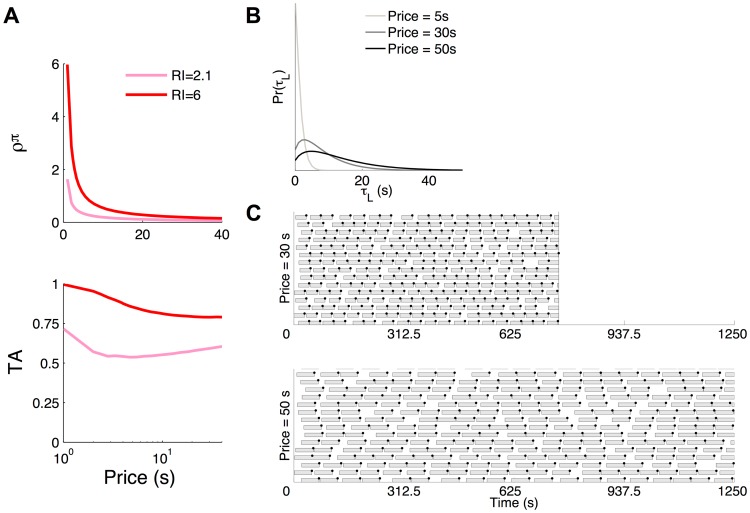
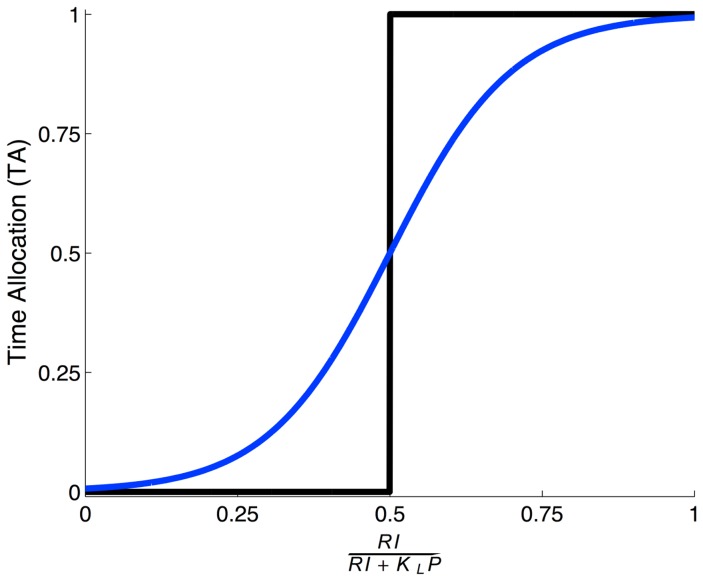
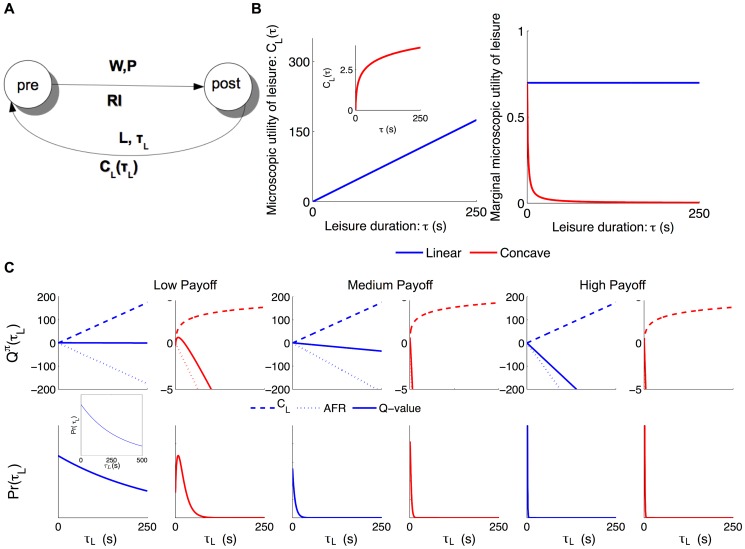
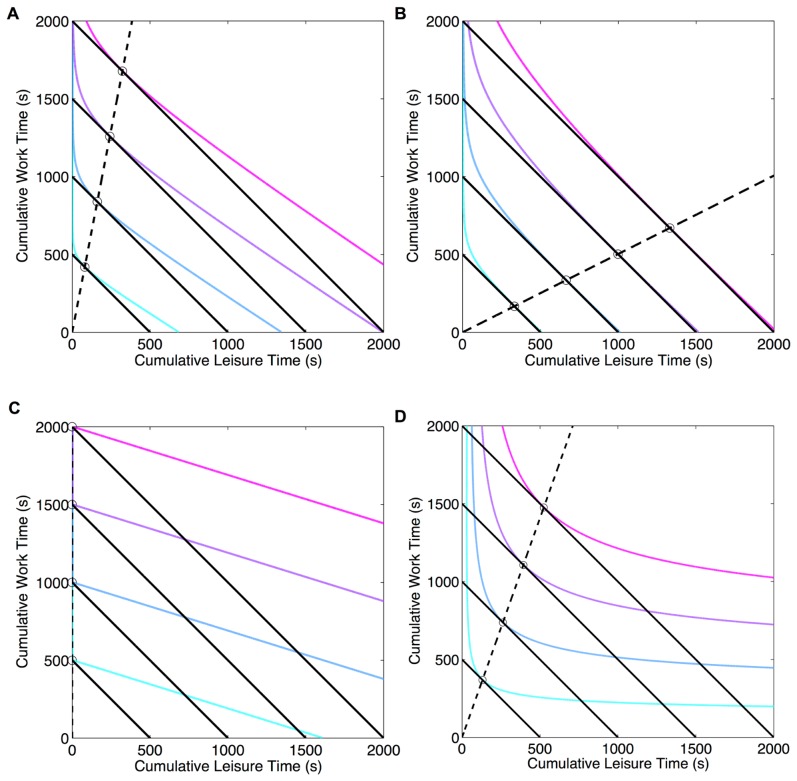
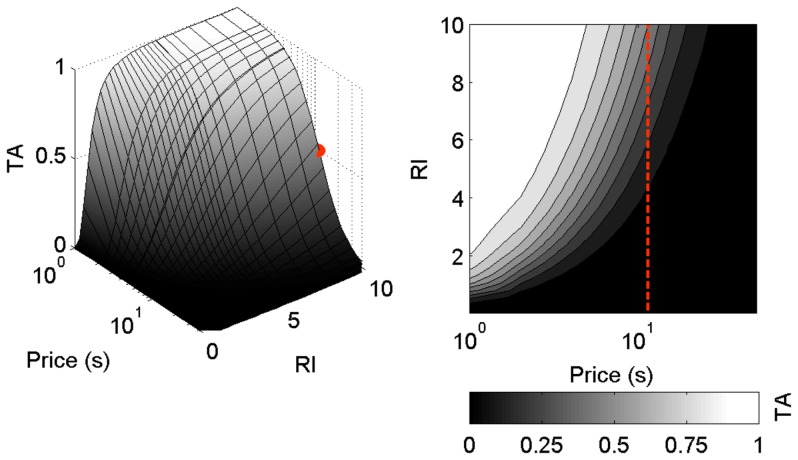
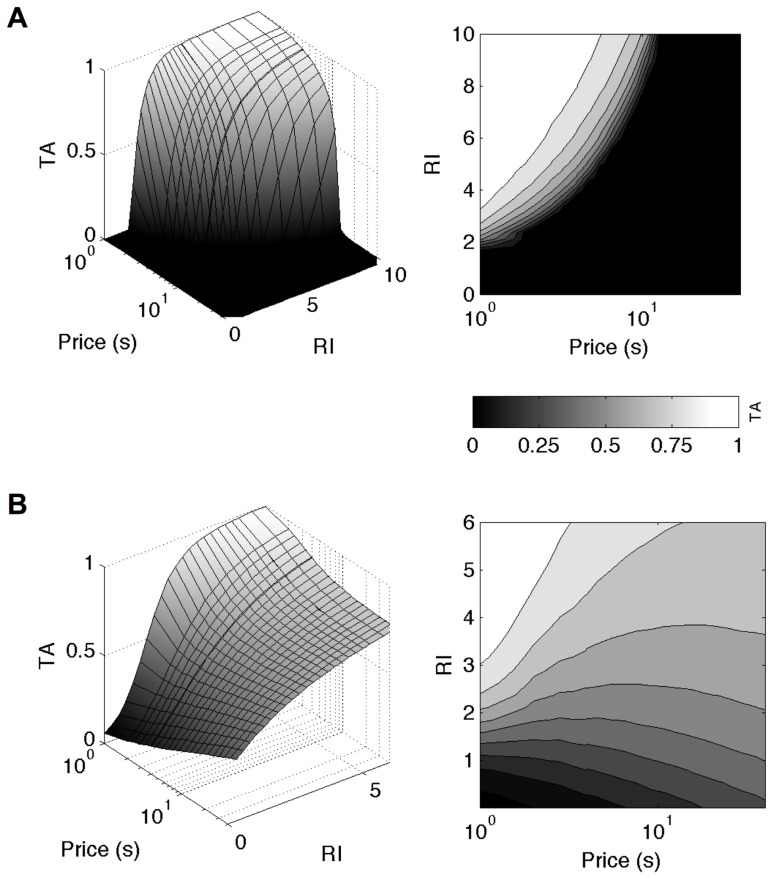
Given the option, humans and other animals elect to distribute their time between work and leisure, rather than choosing all of one and none of the other. Traditional accounts of partial allocation have characterised behavior on a macroscopic timescale, reporting and studying the mean times spent in work or leisure. However, averaging over the more microscopic processes that govern choices is known to pose tricky theoretical problems, and also eschews any possibility of direct contact with the neural computations involved. We develop a microscopic framework, formalized as a semi-Markov decision process with possibly stochastic choices, in which subjects approximately maximise their expected returns by making momentary commitments to one or other activity. We show macroscopic utilities that arise from microscopic ones, and demonstrate how facets such as imperfect substitutability can arise in a more straightforward microscopic manner.
如果有选择的话,人类和其他动物会选择在工作和休闲之间分配时间,而不是只选择其中一种而完全不选另一种。传统的部分分配理论是在宏观时间尺度上描述行为的,报告并研究在工作或休闲中花费的平均时间。然而,对支配选择的更微观过程进行平均会带来棘手的理论问题,并且也排除了直接接触所涉及的神经计算的任何可能性。我们开发了一个微观框架,将其形式化为一个可能具有随机选择的半马尔可夫决策过程,在这个框架中,主体通过对一种或另一种活动做出瞬时承诺来近似地最大化其预期回报。我们展示了从微观效用中产生的宏观效用,并证明了诸如不完全可替代性等方面是如何以更直接的微观方式出现的。