Division of Transplant Infectious Diseases, Multi-Organ Transplant Program, Toronto General Hospital, University Health Network, University of Toronto , Toronto, Ontario, Canada.
Clin Transl Immunology. 2014 Feb 28;3(2):e12. doi: 10.1038/cti.2014.3. eCollection 2014 Feb.
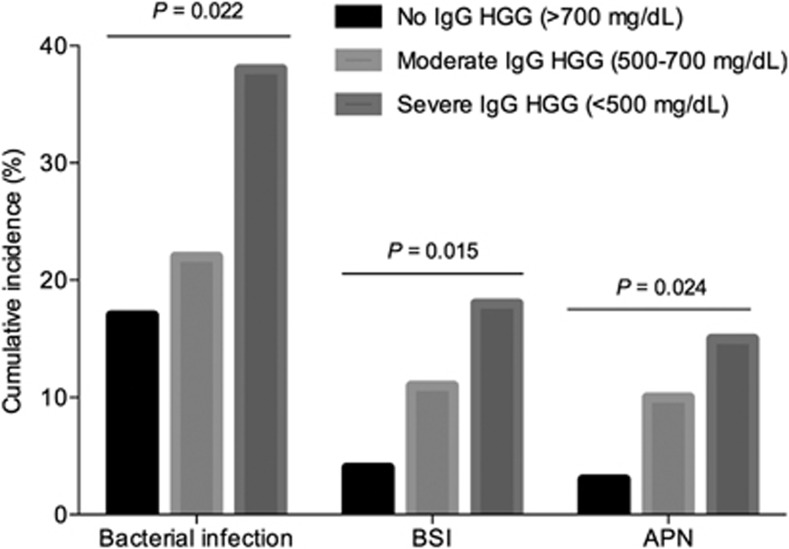
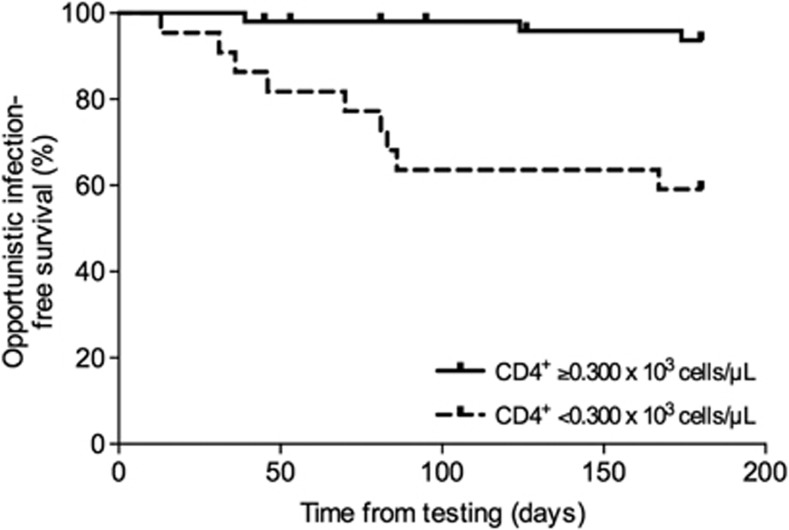
Infectious complications remain a leading cause of morbidity and mortality after solid organ transplantation (SOT), and largely depend on the net state of immunosuppression achieved with current regimens. Cytomegalovirus (CMV) is a major opportunistic viral pathogen in this setting. The application of strategies of immunological monitoring in SOT recipients would allow tailoring of immunosuppression and prophylaxis practices according to the individual's actual risk of infection. Immune monitoring may be pathogen-specific or nonspecific. Nonspecific immune monitoring may rely on either the quantification of peripheral blood biomarkers that reflect the status of a given arm of the immune response (serum immunoglobulins and complement factors, lymphocyte sub-populations, soluble form of CD30), or on the functional assessment of T-cell responsiveness (release of intracellular adenosine triphosphate following a mitogenic stimulus). In addition, various methods are currently available for monitoring pathogen-specific responses, such as CMV-specific T-cell-mediated immune response, based on interferon-γ release assays, intracellular cytokine staining or main histocompatibility complex-tetramer technology. This review summarizes the clinical evidence to date supporting the use of these approaches to the post-transplant immune status, as well as their potential limitations. Intervention studies based on validated strategies for immune monitoring still need to be performed.
感染性并发症仍然是实体器官移植 (SOT) 后发病率和死亡率的主要原因,并且在很大程度上取决于当前方案实现的免疫抑制的净状态。巨细胞病毒 (CMV) 是该环境中的主要机会性病毒病原体。在 SOT 受者中应用免疫监测策略可以根据个体感染的实际风险来调整免疫抑制和预防措施。免疫监测可以是针对病原体的,也可以是非特异性的。非特异性免疫监测可以依赖于定量测定反映特定免疫反应途径状态的外周血生物标志物(血清免疫球蛋白和补体因子、淋巴细胞亚群、CD30 可溶性形式),或者依赖于 T 细胞反应性的功能评估(在有丝分裂刺激后释放细胞内三磷酸腺苷)。此外,目前有多种方法可用于监测基于干扰素-γ释放试验、细胞内细胞因子染色或主要组织相容性复合物四聚体技术的 CMV 特异性 T 细胞介导的免疫反应等病原体特异性反应。这篇综述总结了迄今为止支持使用这些方法来评估移植后免疫状态的临床证据,以及它们的潜在局限性。仍需要开展基于经过验证的免疫监测策略的干预研究。