Huang Keven, Kiefer Christine, Kamal Adeela
Department of Oncology Research, MedImmune, Gaithersburg, Maryland, United States of America.
Department of Antibody Discovery and Protein Engineering, MedImmune, Gaithersburg, Maryland, United States of America.
PLoS One. 2014 Dec 16;9(12):e115249. doi: 10.1371/journal.pone.0115249. eCollection 2014.
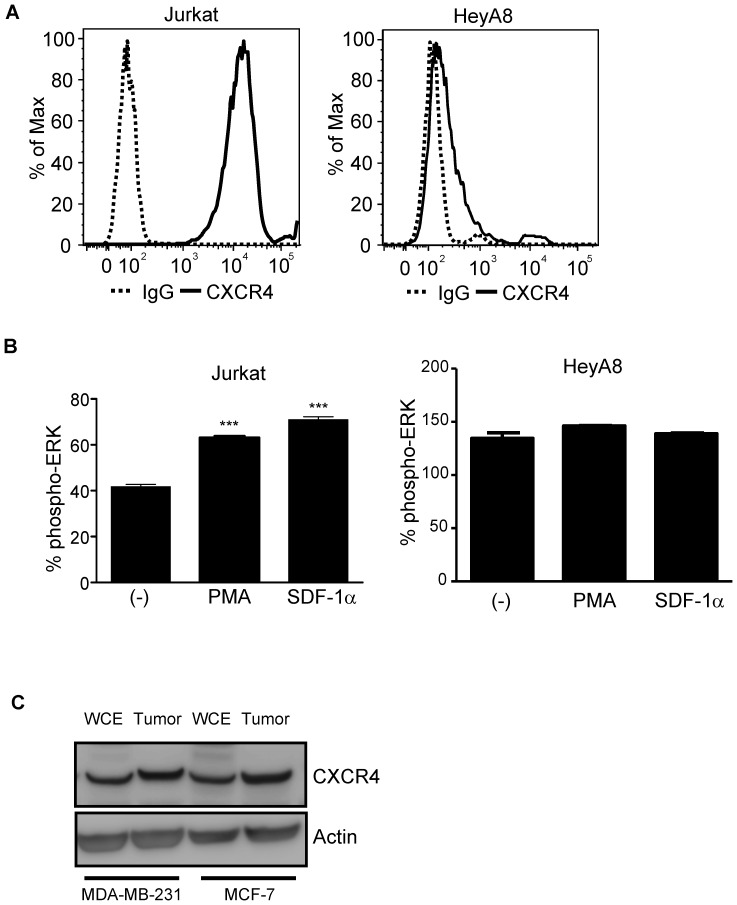
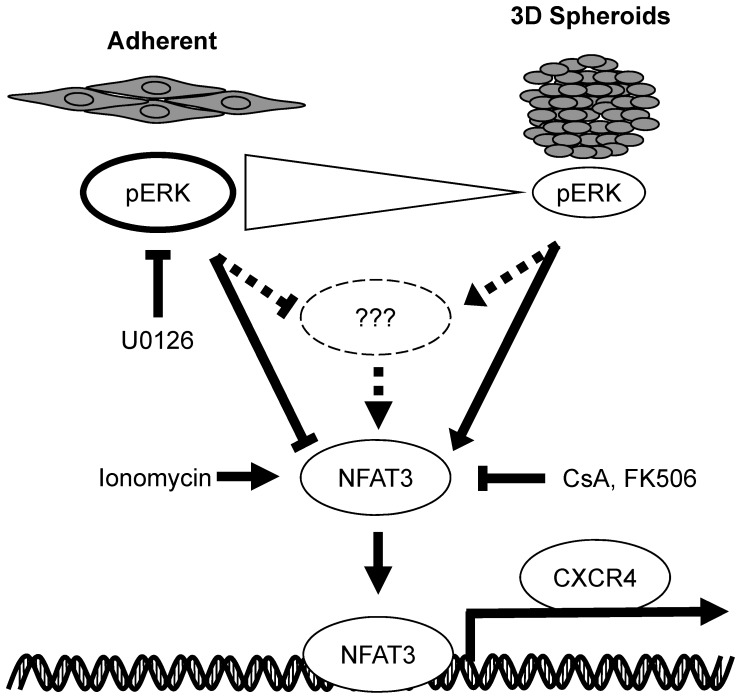
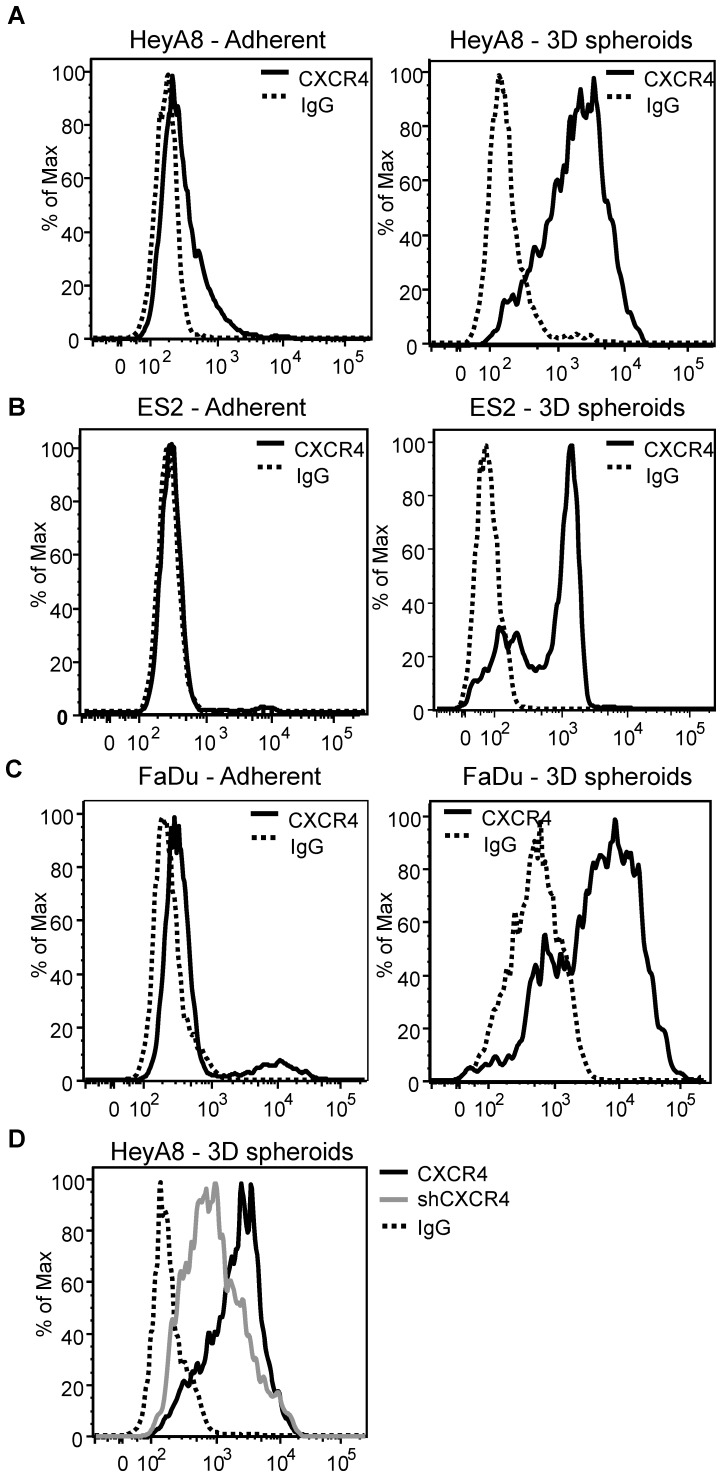
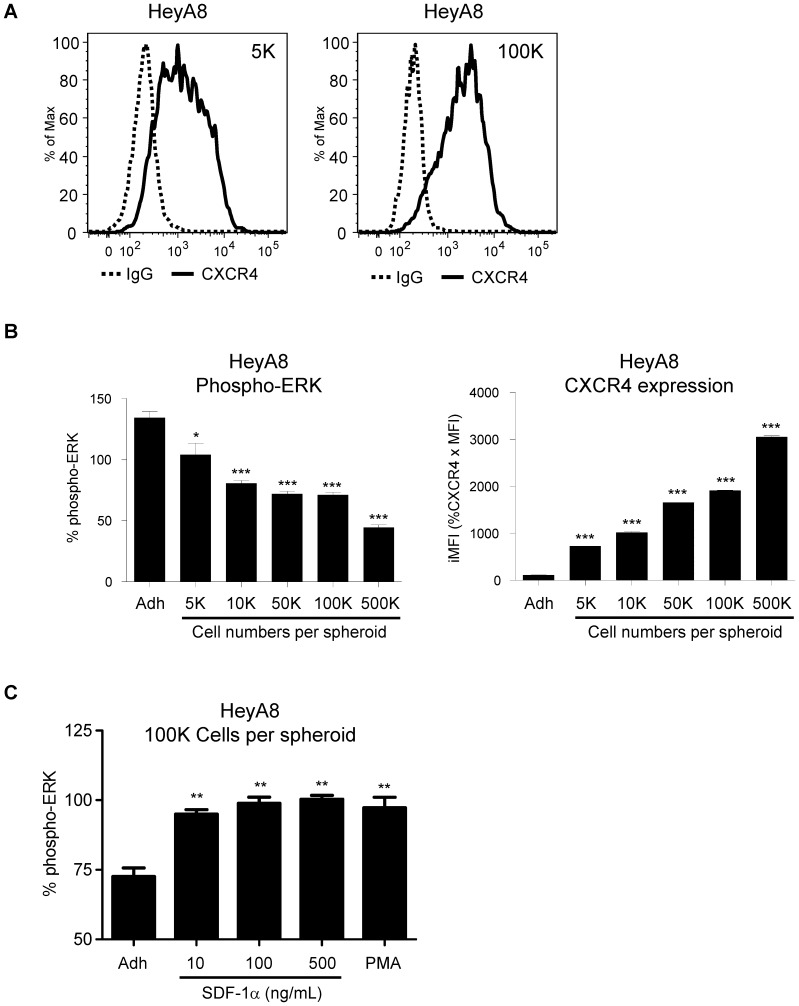
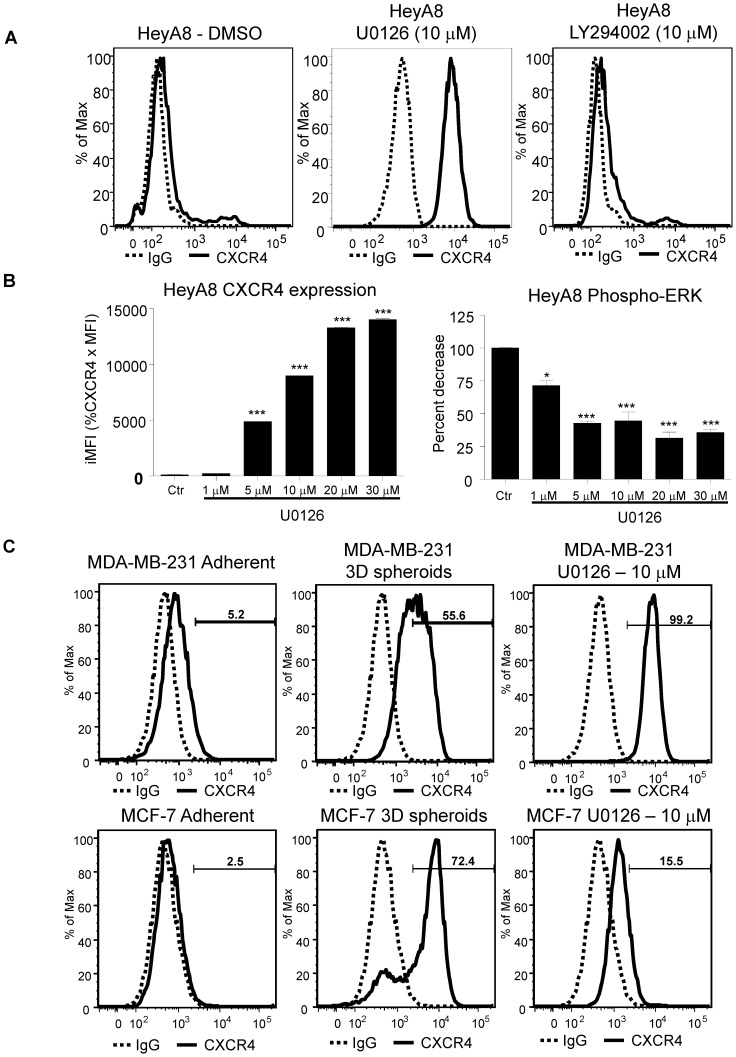
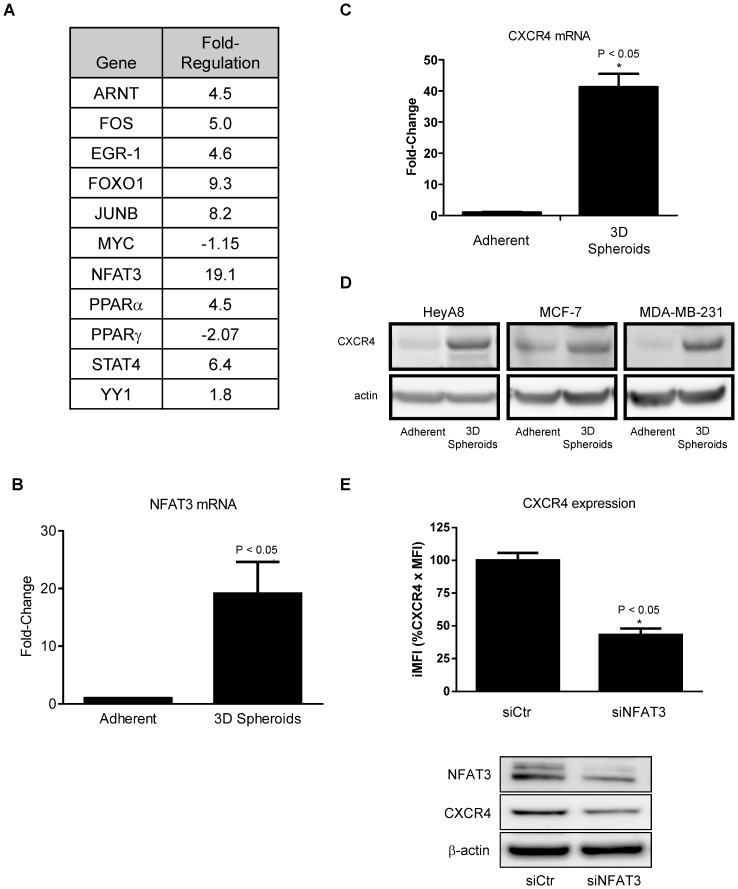
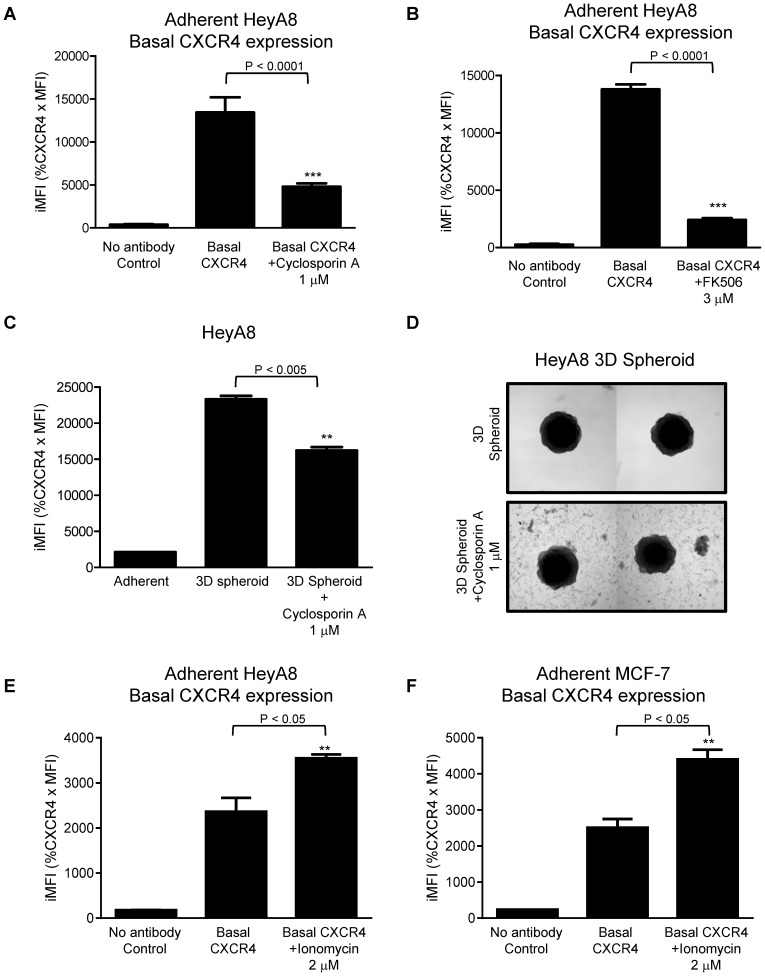
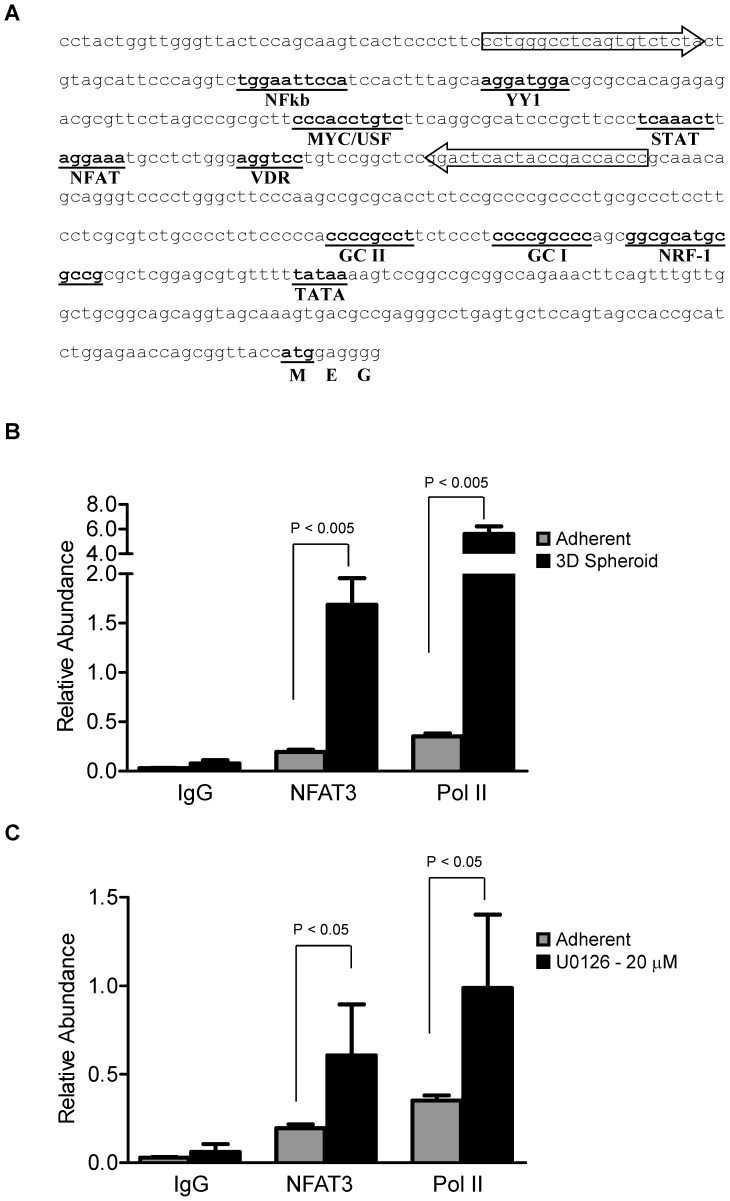
The G-protein coupled chemokine (C-X-C motif) receptor CXCR4 is linked to cancer, HIV, and WHIM (Warts, Hypogammaglobulinemia, Infections, and Myelokathexis) syndrome. While CXCR4 is reported to be overexpressed in multiple human cancer types and many hematological cancer cell lines, we have observed poor in vitro cell surface expression of CXCR4 in many solid tumor cell lines. We explore further the possible factors and pathways involved in regulating CXCR4 expression. Here, we showed that MEK-ERK signaling pathway and NFAT3 transcriptional factor plays a novel role in regulating CXCR4 expression. When cultured as 3D spheroids, HeyA8 ovarian tumor cells showed a dramatic increase in surface CXCR4 protein levels as well as mRNA transcripts. Furthermore, HeyA8 3D spheroids showed a decrease in phospho-ERK levels when compared to adherent cells. The treatment of adherent HeyA8 cells with an inhibitor of the MEK-ERK pathway, U0126, resulted in a significant increase in surface CXCR4 expression. Additional investigation using the PCR array assay comparing adherent to 3D spheroid showed a wide range of transcription factors being up-regulated, most notably a > 20 fold increase in NFAT3 transcription factor mRNA. Finally, chromatin immunoprecipitation (ChIP) analysis showed that direct binding of NFAT3 on the CXCR4 promoter corresponds to increased CXCR4 expression in HeyA8 ovarian cell line. Taken together, our results suggest that high phospho-ERK levels and NFAT3 expression plays a novel role in regulating CXCR4 expression.
G蛋白偶联趋化因子(C-X-C基序)受体CXCR4与癌症、HIV以及WHIM(疣、低丙种球蛋白血症、感染和粒细胞减少症)综合征相关。虽然据报道CXCR4在多种人类癌症类型和许多血液系统癌细胞系中过表达,但我们观察到在许多实体瘤细胞系中CXCR4的体外细胞表面表达较差。我们进一步探索了参与调节CXCR4表达的可能因素和途径。在此,我们表明MEK-ERK信号通路和NFAT3转录因子在调节CXCR4表达中发挥了新作用。当作为三维球体培养时,HeyA8卵巢肿瘤细胞表面CXCR4蛋白水平以及mRNA转录物显著增加。此外,与贴壁细胞相比,HeyA8三维球体中磷酸化ERK水平降低。用MEK-ERK通路抑制剂U0126处理贴壁的HeyA8细胞,导致表面CXCR4表达显著增加。使用PCR阵列分析比较贴壁细胞和三维球体的进一步研究表明,多种转录因子上调,最显著的是NFAT3转录因子mRNA增加了20倍以上。最后,染色质免疫沉淀(ChIP)分析表明,NFAT3直接结合在CXCR4启动子上与HeyA8卵巢细胞系中CXCR4表达增加相对应。综上所述,我们的结果表明高磷酸化ERK水平和NFAT3表达在调节CXCR4表达中发挥了新作用。