Cunningham Miles, Cho Jun-Hyeong, Leung Amanda, Savvidis George, Ahn Sandra, Moon Minho, Lee Paula K J, Han Jason J, Azimi Nima, Kim Kwang-Soo, Bolshakov Vadim Y, Chung Sangmi
Laboratory for Neural Reconstruction, Department of Psychiatry, McLean Hospital/Harvard Medical School, Belmont, MA 02478, USA.
Cellular Neurobiology Laboratory, Department of Psychiatry, McLean Hospital/Harvard Medical School, Belmont, MA 02478, USA.
Cell Stem Cell. 2014 Nov 6;15(5):559-73. doi: 10.1016/j.stem.2014.10.006.
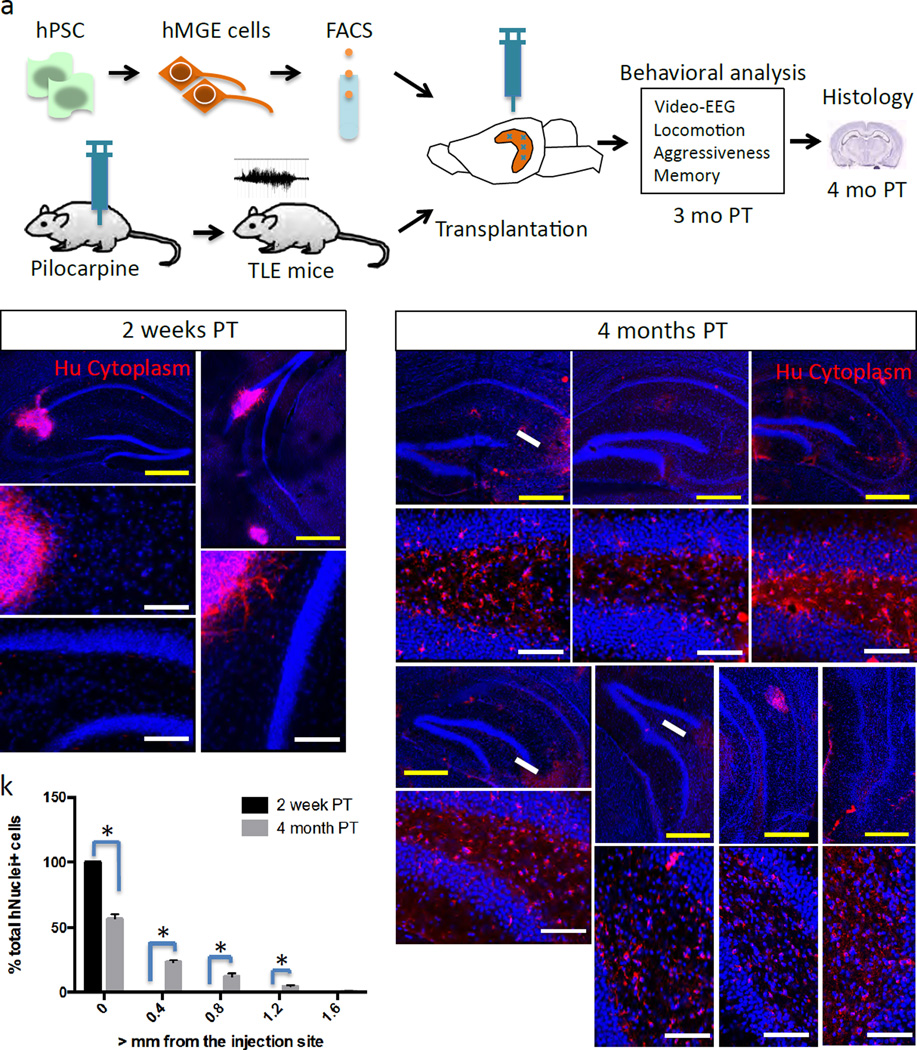
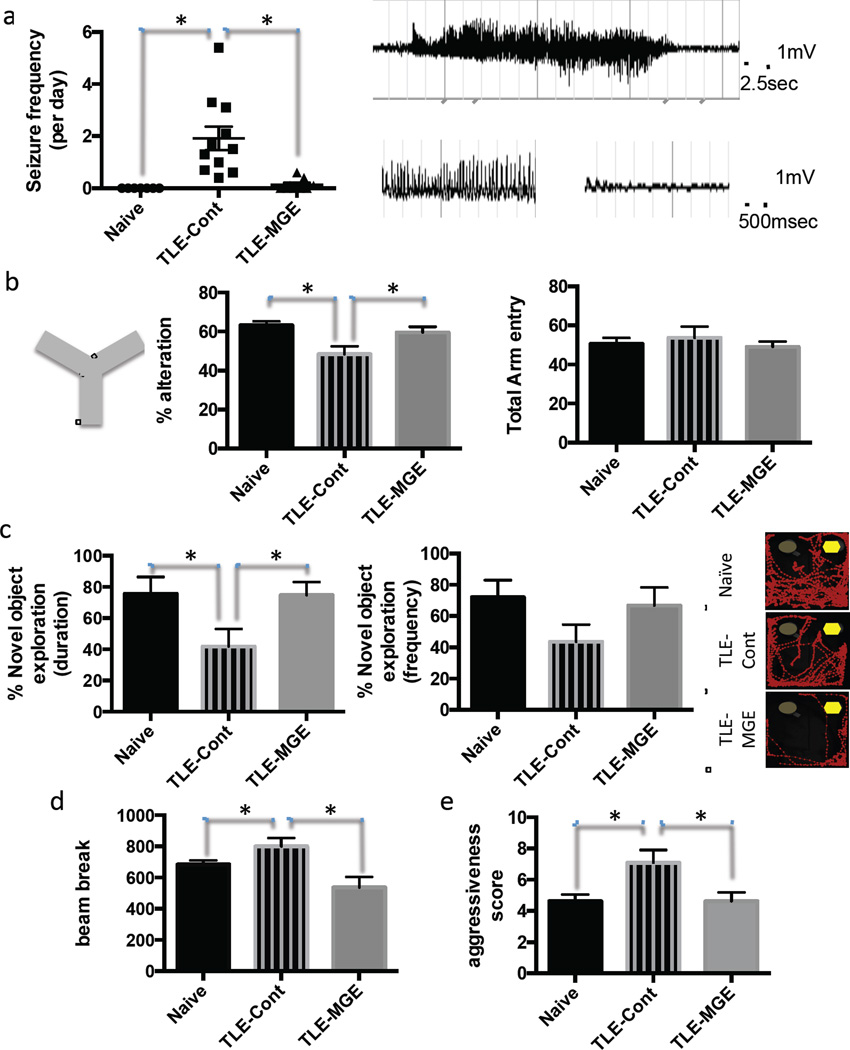
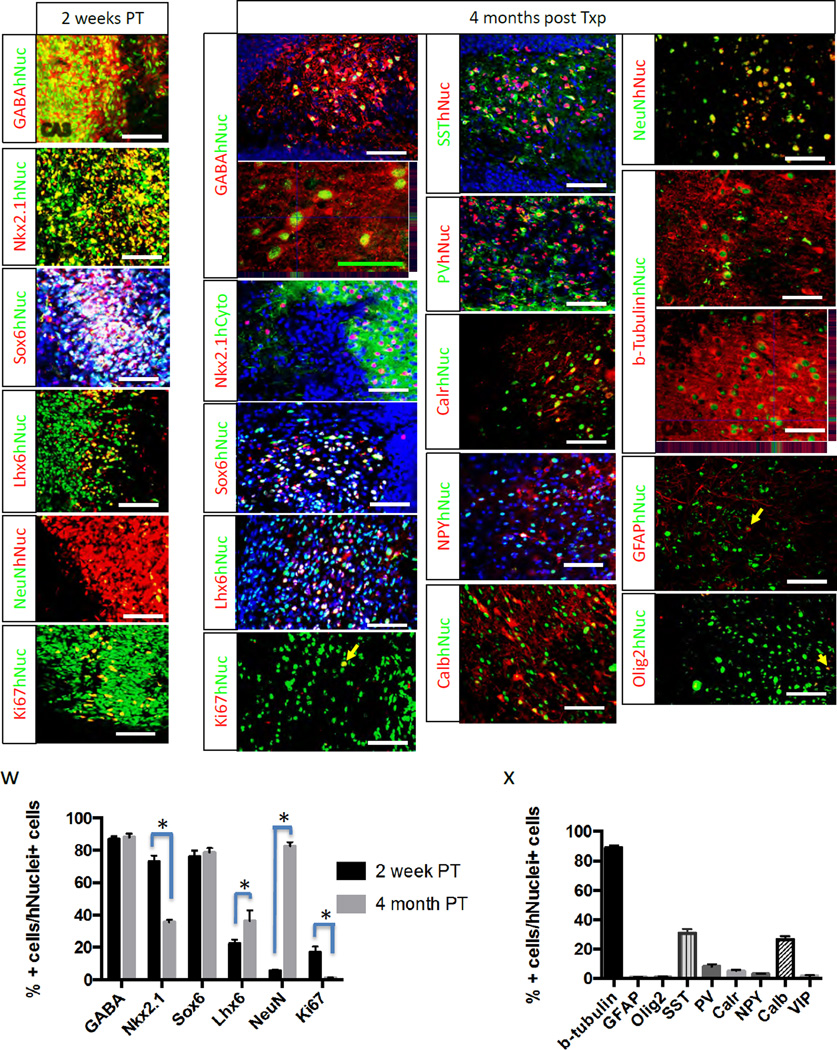
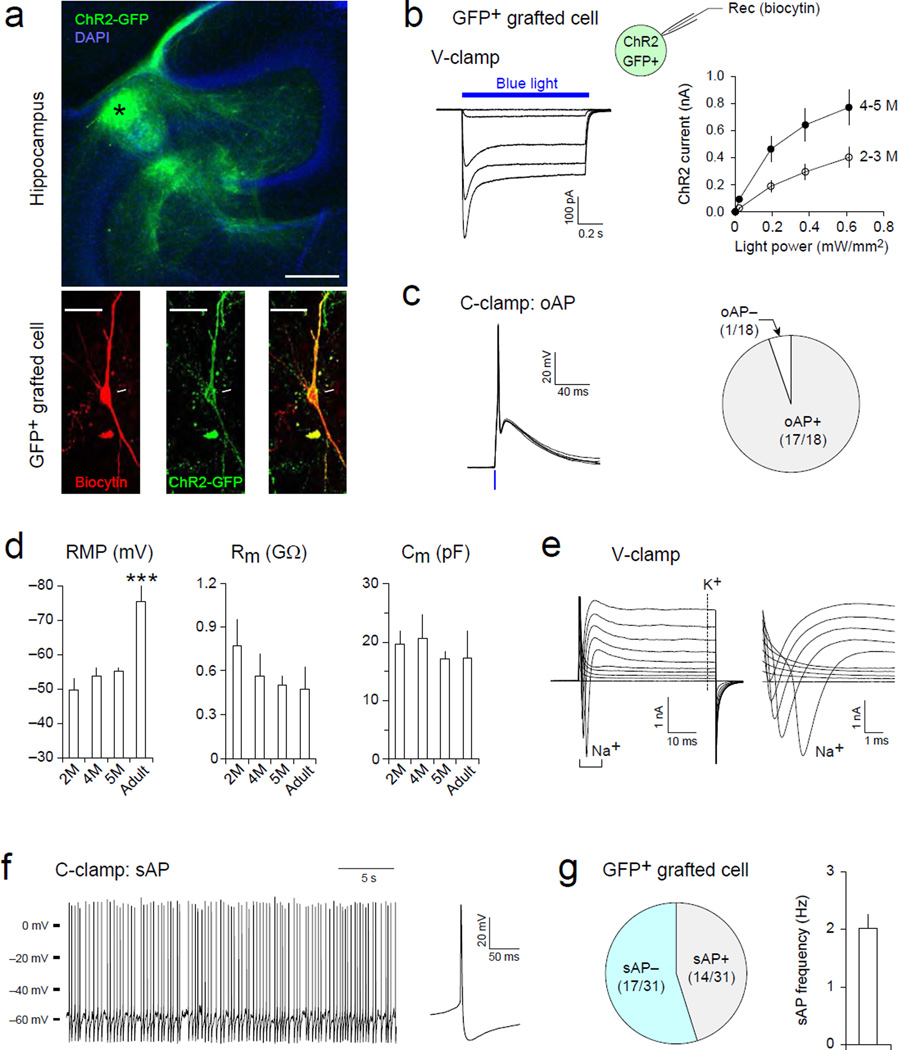
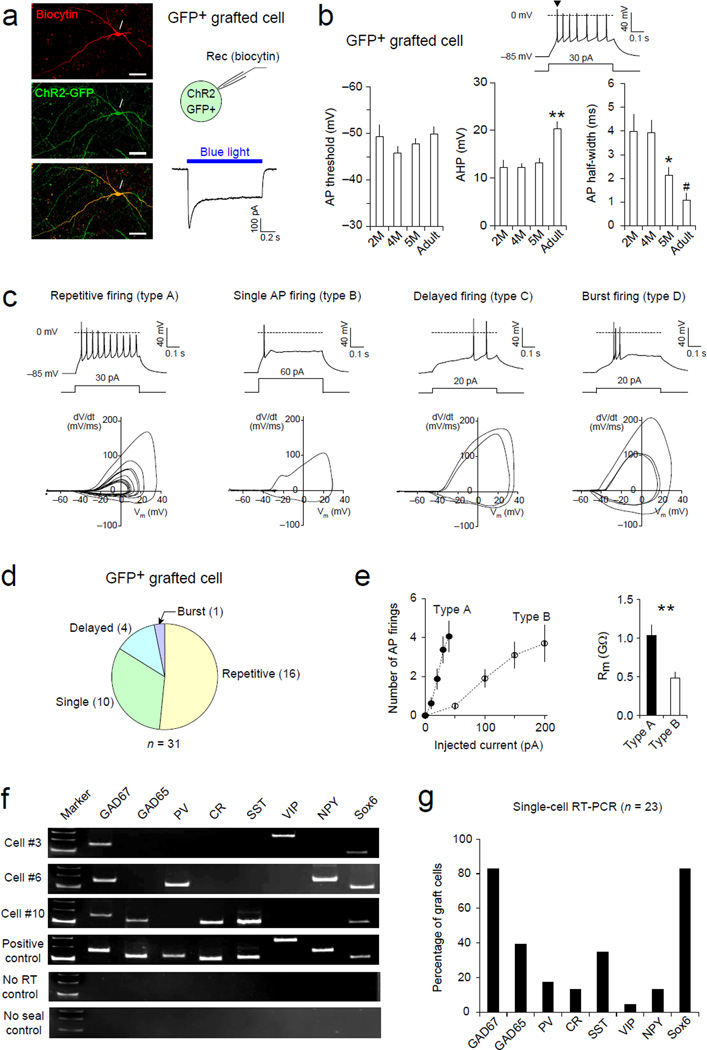
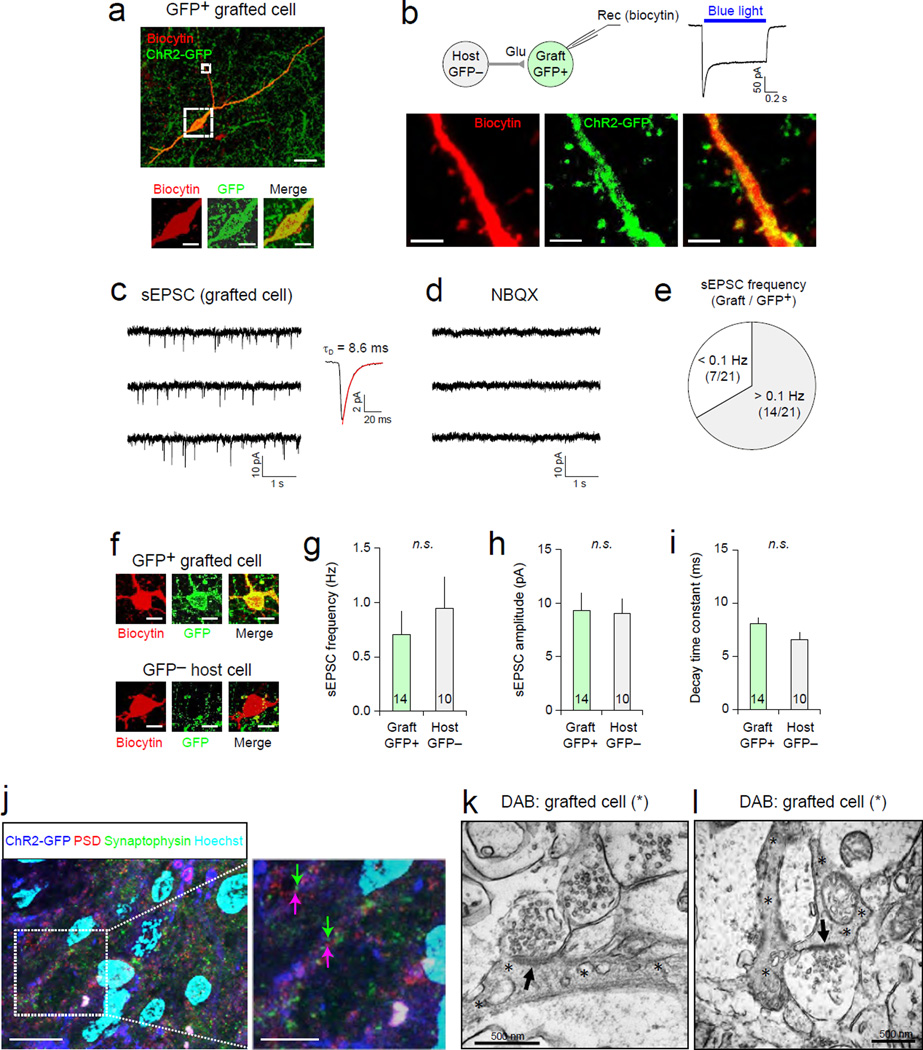
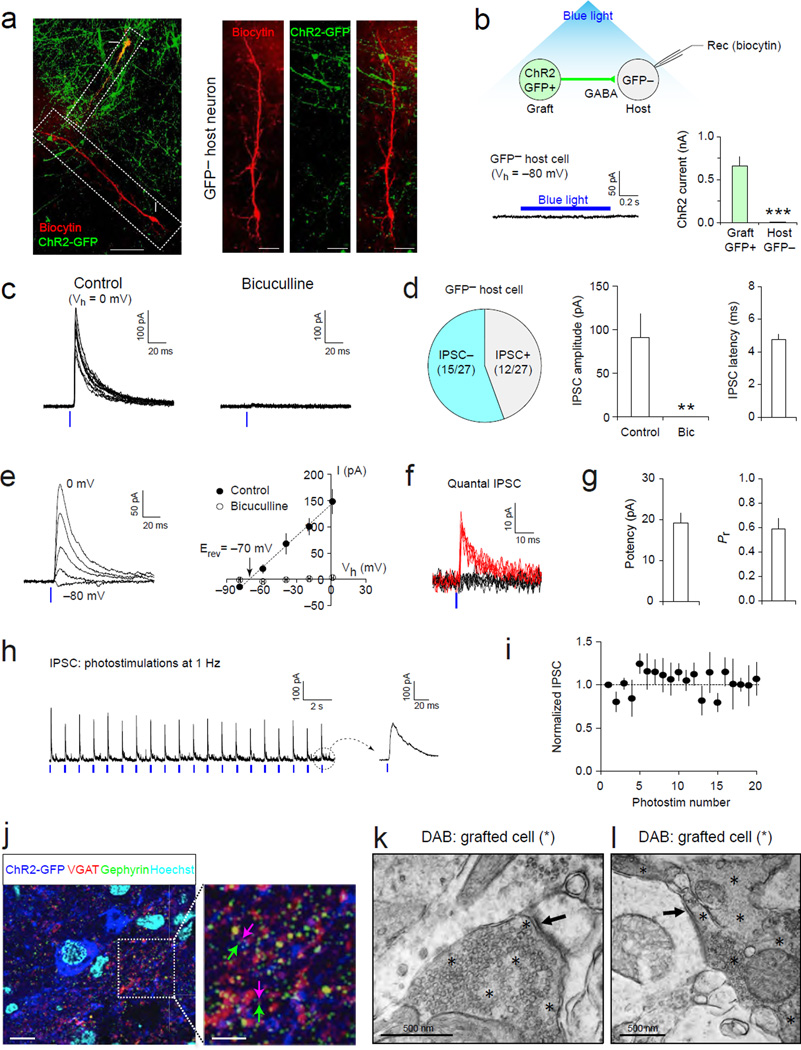
Seizure disorders debilitate more than 65,000,000 people worldwide, with temporal lobe epilepsy (TLE) being the most common form. Previous studies have shown that transplantation of GABA-releasing cells results in suppression of seizures in epileptic mice. Derivation of interneurons from human pluripotent stem cells (hPSCs) has been reported, pointing to clinical translation of quality-controlled human cell sources that can enhance inhibitory drive and restore host circuitry. In this study, we demonstrate that hPSC-derived maturing GABAergic interneurons (mGINs) migrate extensively and integrate into dysfunctional circuitry of the epileptic mouse brain. Using optogenetic approaches, we find that grafted mGINs generate inhibitory postsynaptic responses in host hippocampal neurons. Importantly, even before acquiring full electrophysiological maturation, grafted neurons were capable of suppressing seizures and ameliorating behavioral abnormalities such as cognitive deficits, aggressiveness, and hyperactivity. These results provide support for the potential of hPSC-derived mGIN for restorative cell therapy for epilepsy.
癫痫疾病使全球超过6500万人身体衰弱,其中颞叶癫痫(TLE)是最常见的形式。先前的研究表明,移植释放γ-氨基丁酸(GABA)的细胞可抑制癫痫小鼠的癫痫发作。已有报道称可从人多能干细胞(hPSC)中获得中间神经元,这为可增强抑制性驱动并恢复宿主神经回路的高质量人类细胞来源的临床转化指明了方向。在本研究中,我们证明了hPSC来源的成熟GABA能中间神经元(mGIN)广泛迁移并整合到癫痫小鼠大脑的功能失调神经回路中。使用光遗传学方法,我们发现移植的mGIN在宿主海马神经元中产生抑制性突触后反应。重要的是,即使在获得完全的电生理成熟之前,移植的神经元也能够抑制癫痫发作并改善行为异常,如认知缺陷、攻击性和多动。这些结果为hPSC来源的mGIN用于癫痫恢复性细胞治疗的潜力提供了支持。