Rao Katiboina Srinivasa, Paul Abialbon, Kumar Annan Sudarsan Arun, Umamaheswaran Gurusamy, Dubashi Biswajit, Gunaseelan Karunanithi, Dkhar Steven Aibor
Department of Pharmacology, Jawaharlal Institute of Postgraduate Medical Education and Research (JIPMER), Pondicherry, India.
Department of Medical Oncology, Jawaharlal Institute of Postgraduate Medical Education and Research (JIPMER), Pondicherry, India.
Biomark Cancer. 2014 Dec 7;6:29-35. doi: 10.4137/BIC.S19681. eCollection 2014.
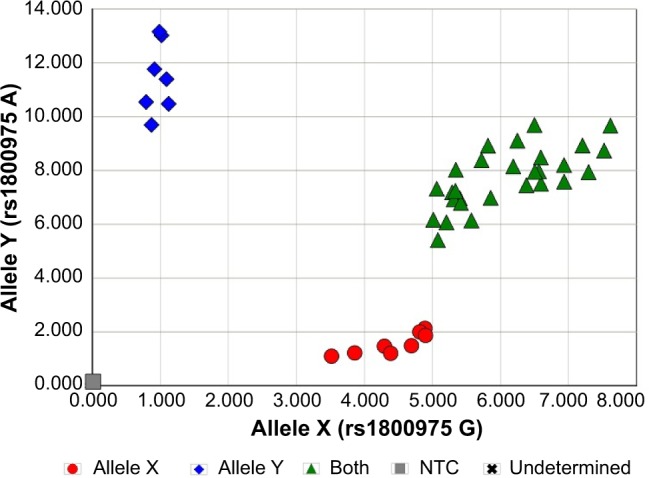
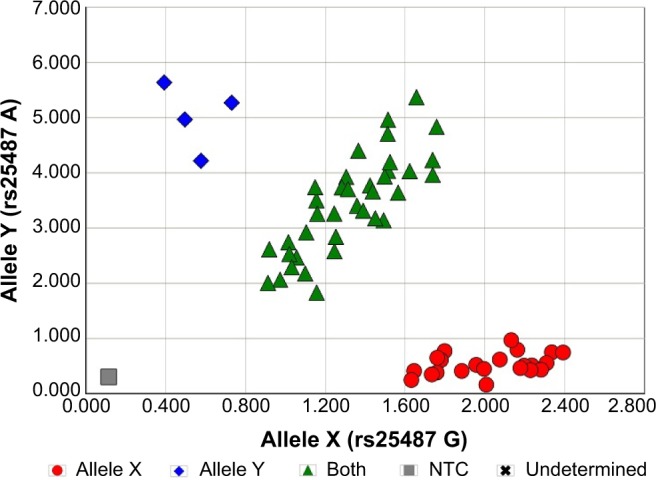
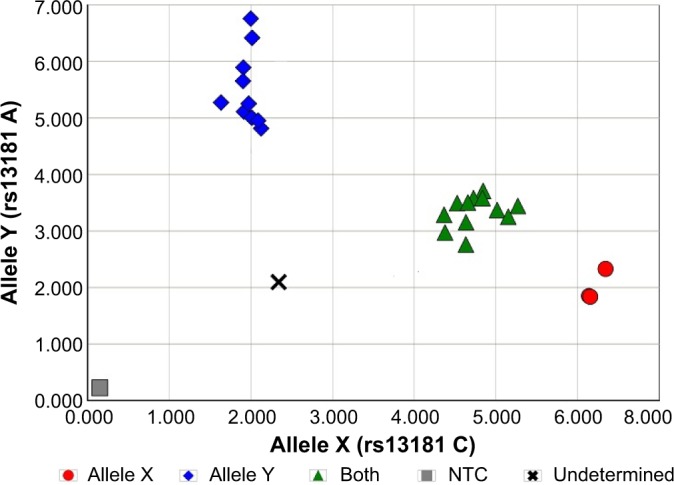
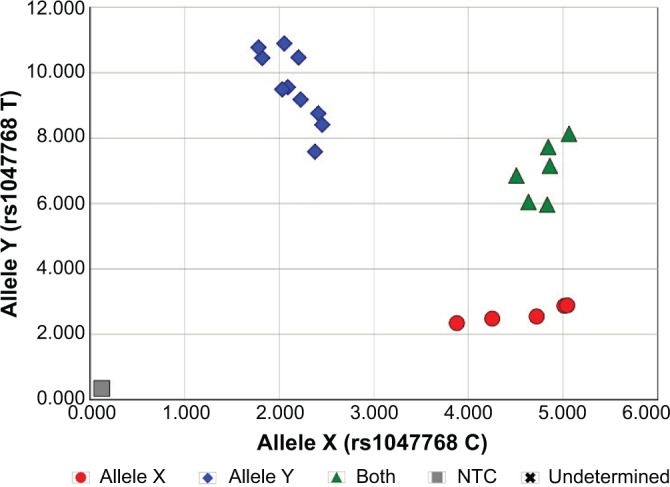
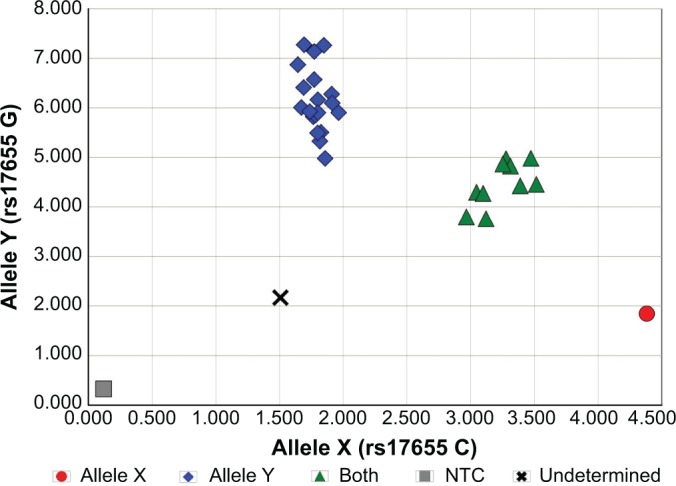
Various DNA repair pathways protect the structural and chemical integrity of the human genome from environmental and endogenous threats. Polymorphisms of genes encoding the proteins involved in DNA repair have been found to be associated with cancer risk and chemotherapeutic response. In this study, we aim to establish the normative frequencies of DNA repair genes in South Indian healthy population and compare with HapMap populations. Genotyping was done on 128 healthy volunteers from South India, and the allele and genotype distributions were established. The minor allele frequency of Xeroderma pigmentosum group A (XPA) G23A, Excision repair cross-complementing 2 (ERCC2)/Xeroderma pigmentosum group D (XPD) Lys751Gln, Xeroderma pigmentosum group G (XPG) His46His, XPG Asp1104His, and X-ray repair cross-complementing group 1 (XRCC1) Arg399Gln polymorphisms were 49.2%, 36.3%, 48.0%, 23.0%, and 34.0% respectively. Ethnic variations were observed in the frequency distribution of these polymorphisms between the South Indians and other HapMap populations. The present work forms the groundwork for cancer association studies and biomarker identification for treatment response and prognosis.
多种DNA修复途径可保护人类基因组的结构和化学完整性免受环境和内源性威胁。已发现参与DNA修复的蛋白质编码基因的多态性与癌症风险和化疗反应相关。在本研究中,我们旨在确定南印度健康人群中DNA修复基因的正常频率,并与国际人类基因组单体型图计划(HapMap)人群进行比较。对128名来自南印度的健康志愿者进行基因分型,并确定等位基因和基因型分布。着色性干皮病A组(XPA)G23A、切除修复交叉互补2(ERCC2)/着色性干皮病D组(XPD)Lys751Gln、着色性干皮病G组(XPG)His46His、XPG Asp1104His以及X射线修复交叉互补组1(XRCC1)Arg399Gln多态性的次要等位基因频率分别为49.2%、36.3%、48.0%、23.0%和34.0%。在南印度人与其他HapMap人群之间,观察到这些多态性频率分布的种族差异。本研究为癌症关联研究以及治疗反应和预后的生物标志物鉴定奠定了基础。