Ferrari Roberto, Gou Dawei, Jawdekar Gauri, Johnson Sarah A, Nava Miguel, Su Trent, Yousef Ahmed F, Zemke Nathan R, Pellegrini Matteo, Kurdistani Siavash K, Berk Arnold J
Eli and Edythe Broad Center of Regenerative Medicine and Stem Cell Research, UCLA David Geffen School of Medicine, Los Angeles, CA 90095-1570, USA.
Molecular Biology Institute, UCLA David Geffen School of Medicine, Los Angeles, CA 90095-1570, USA; Department of Microbiology, Immunology and Molecular Genetics, UCLA David Geffen School of Medicine, Los Angeles, CA 90095-1570, USA.
Cell Host Microbe. 2014 Nov 12;16(5):663-76. doi: 10.1016/j.chom.2014.10.004.
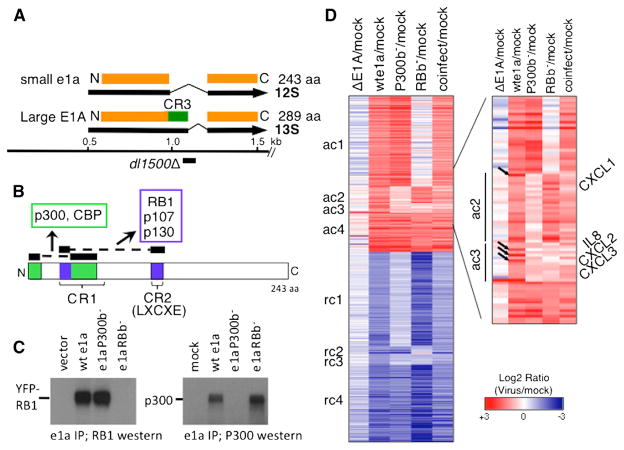
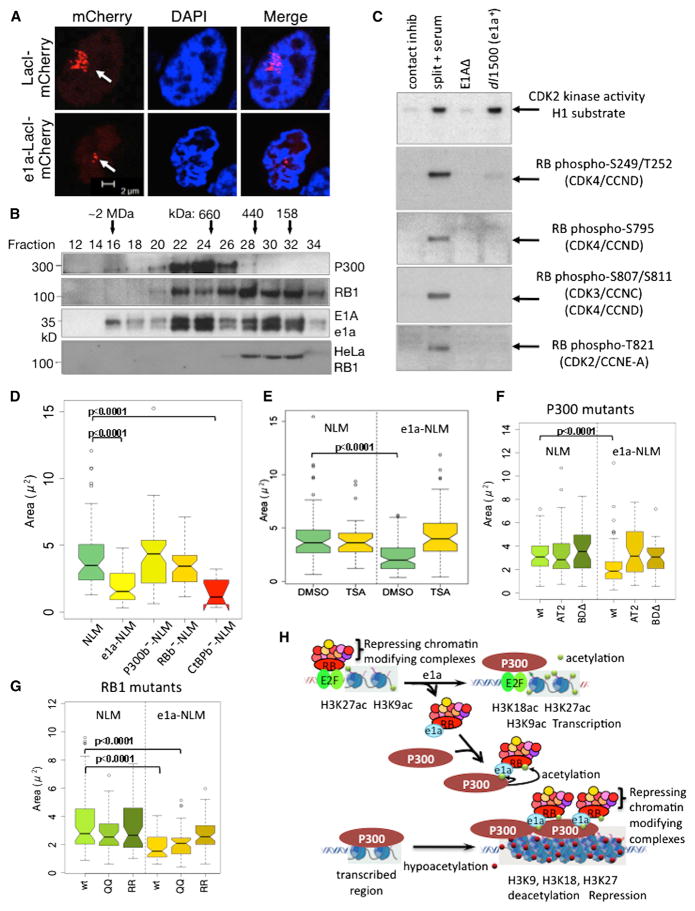
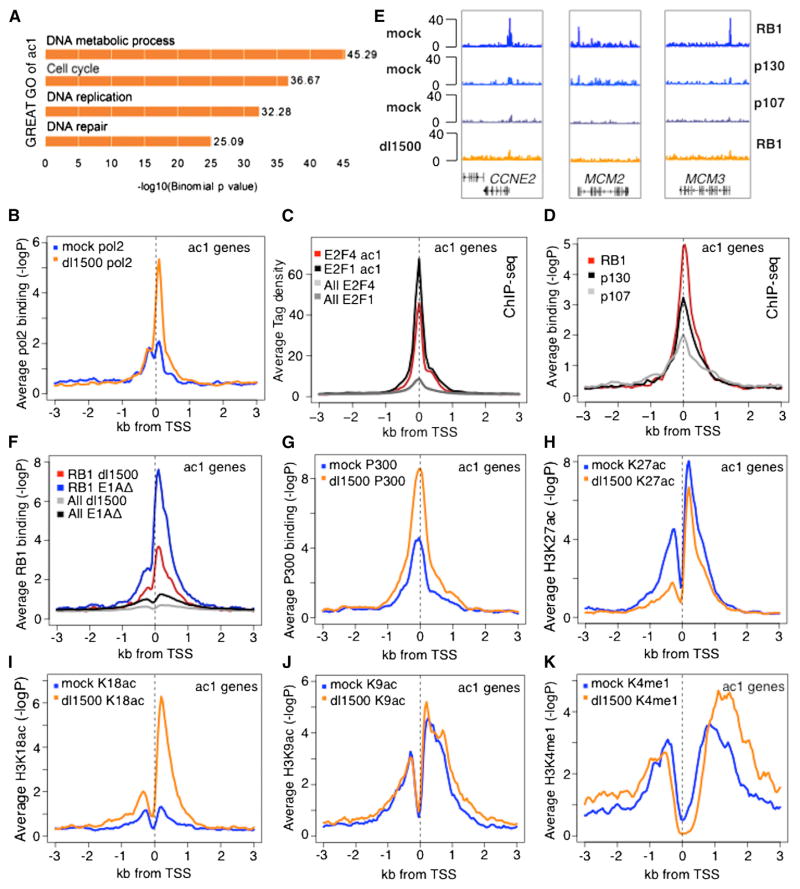
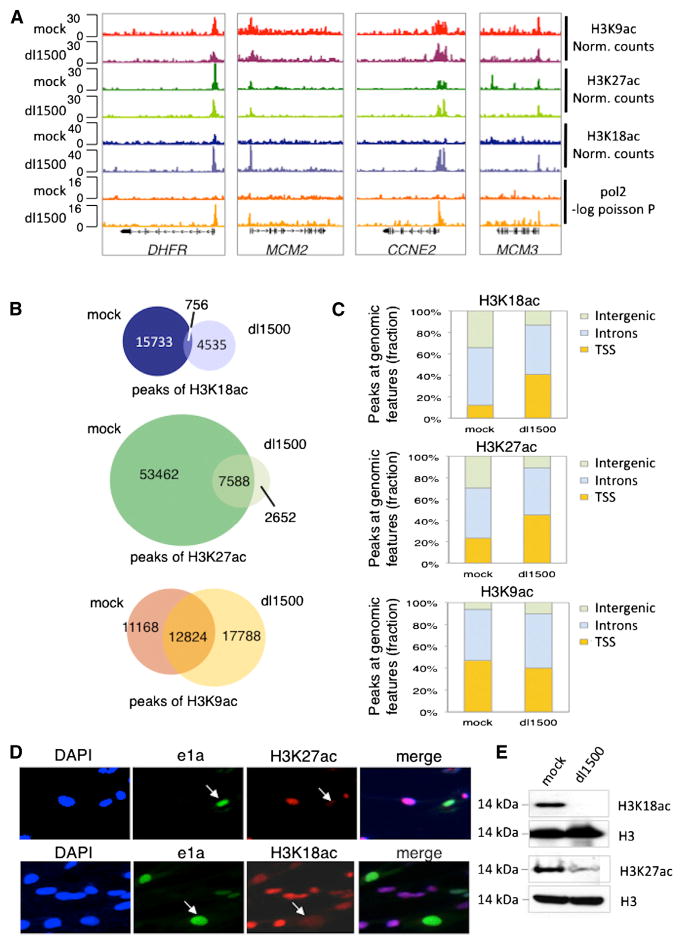
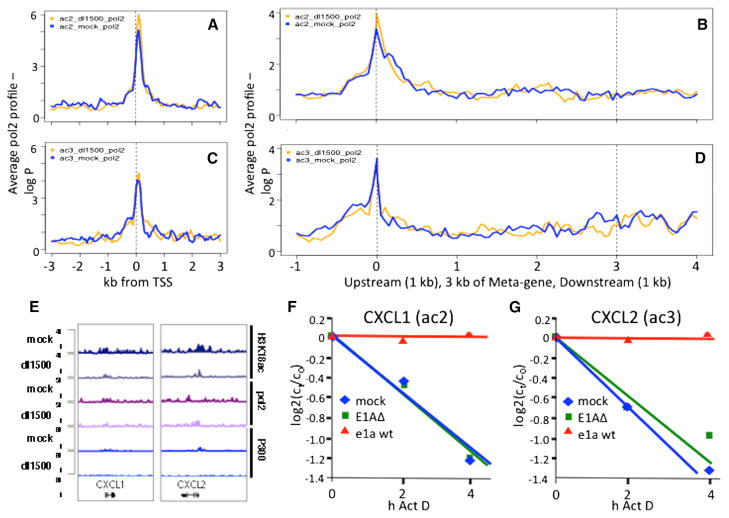
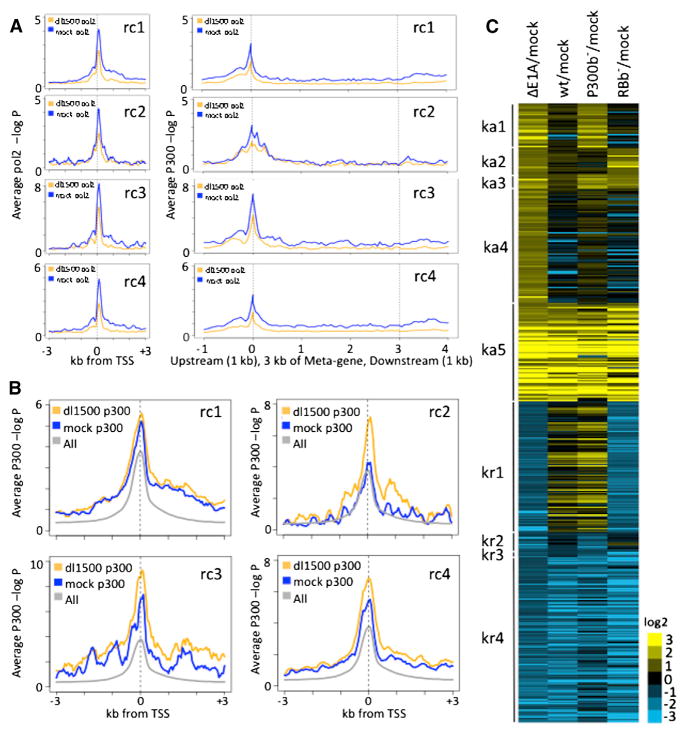
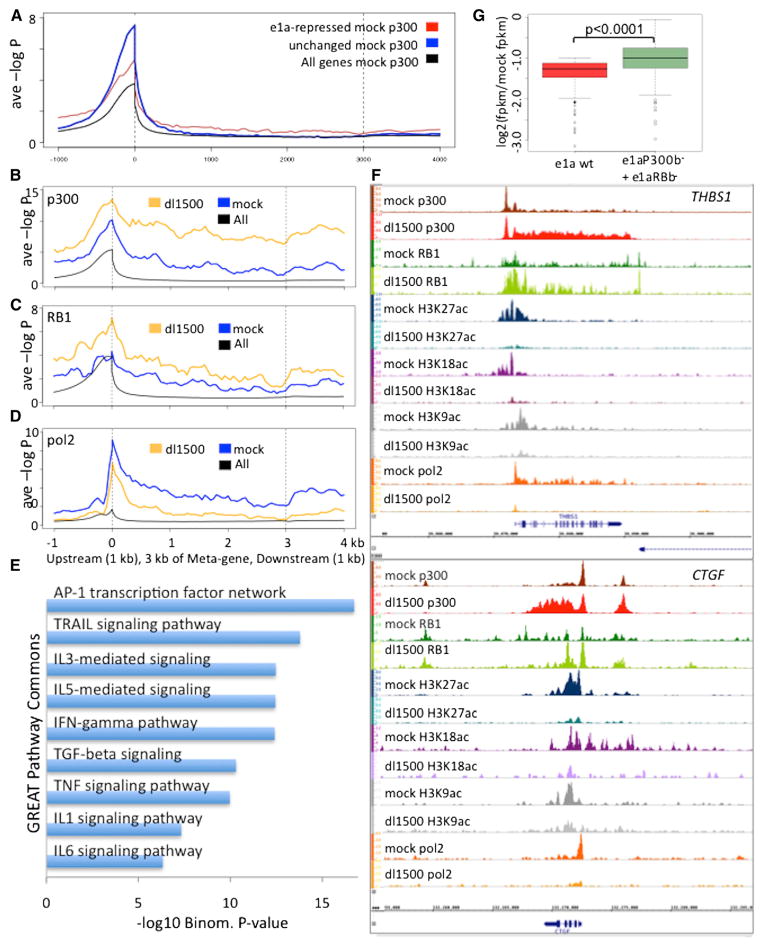
Oncogenic transformation by adenovirus small e1a depends on simultaneous interactions with the host lysine acetylases p300/CBP and the tumor suppressor RB. How these interactions influence cellular gene expression remains unclear. We find that e1a displaces RBs from E2F transcription factors and promotes p300 acetylation of RB1 K873/K874 to lock it into a repressing conformation that interacts with repressive chromatin-modifying enzymes. These repressing p300-e1a-RB1 complexes specifically interact with host genes that have unusually high p300 association within the gene body. The TGF-β, TNF-, and interleukin-signaling pathway components are enriched among such p300-targeted genes. The p300-e1a-RB1 complex condenses chromatin in a manner dependent on HDAC activity, p300 lysine acetylase activity, the p300 bromodomain, and RB K873/K874 and e1a K239 acetylation to repress host genes that would otherwise inhibit productive virus infection. Thus, adenovirus employs e1a to repress host genes that interfere with viral replication.
腺病毒小E1A的致癌转化依赖于与宿主赖氨酸乙酰转移酶p300/CBP以及肿瘤抑制因子RB的同时相互作用。这些相互作用如何影响细胞基因表达仍不清楚。我们发现E1A将RB从E2F转录因子中置换出来,并促进RB1 K873/K874的p300乙酰化,使其锁定在一种与抑制性染色质修饰酶相互作用的抑制构象中。这些抑制性的p300-E1A-RB1复合物特异性地与基因体内p300结合异常高的宿主基因相互作用。TGF-β、TNF-和白细胞介素信号通路成分在这类p300靶向基因中富集。p300-E1A-RB1复合物以一种依赖于HDAC活性、p300赖氨酸乙酰转移酶活性、p300溴结构域以及RB K873/K874和E1A K239乙酰化的方式浓缩染色质,以抑制那些否则会抑制有效病毒感染的宿主基因。因此,腺病毒利用E1A来抑制干扰病毒复制的宿主基因。