Cuervo-Escobar Sergio, Losada-Barragán Monica, Umaña-Pérez Adriana, Porrozzi Renato, Saboia-Vahia Leonardo, Miranda Luisa H M, Morgado Fernanda N, Menezes Rodrigo C, Sánchez-Gómez Myriam, Cuervo Patricia
Laboratorio de Hormonas, Departamento de Química, Universidad Nacional de Colombia, Bogotá, Colombia.
Laboratorio de Pesquisa em Leishmaniose, Instituto Oswaldo Cruz, Fiocruz, Rio de Janeiro, Rio de Janeiro, Brasil.
PLoS One. 2014 Dec 23;9(12):e114584. doi: 10.1371/journal.pone.0114584. eCollection 2014.
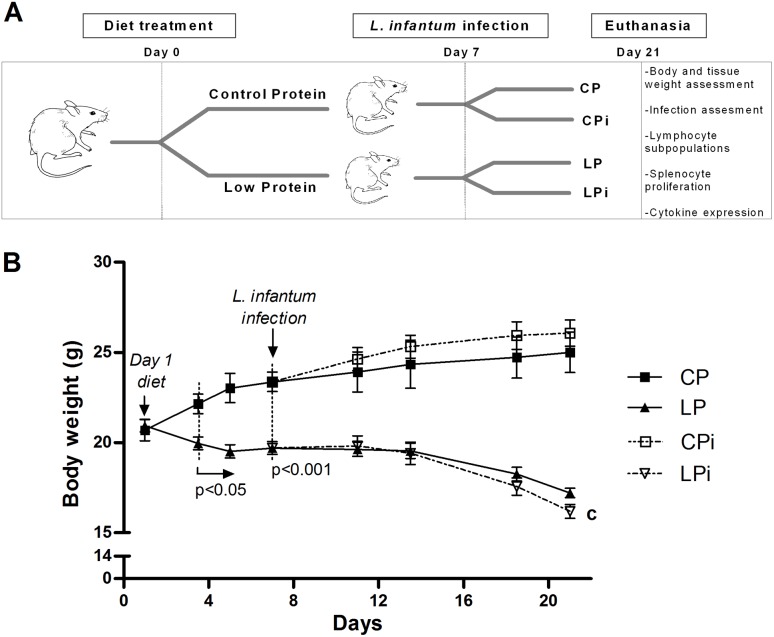
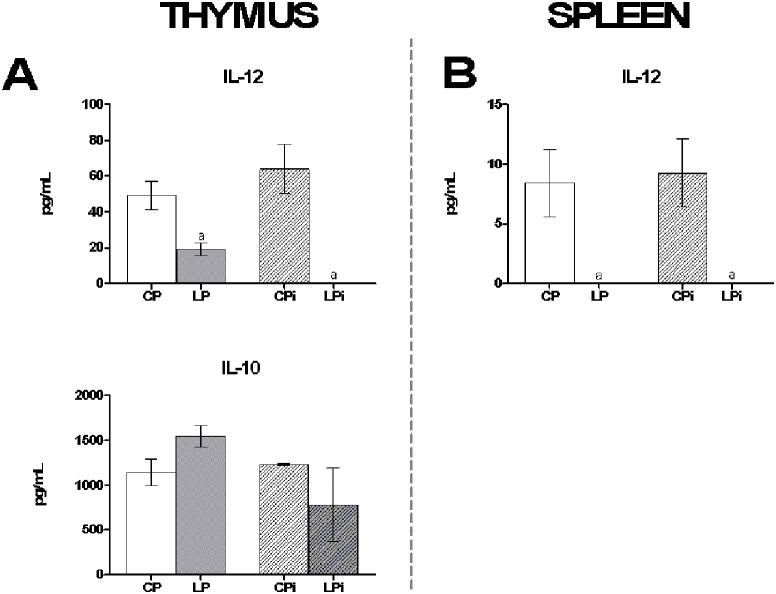
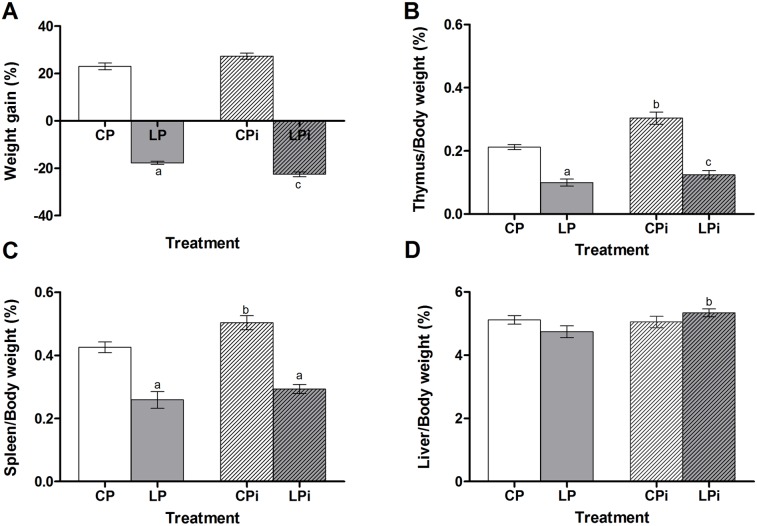
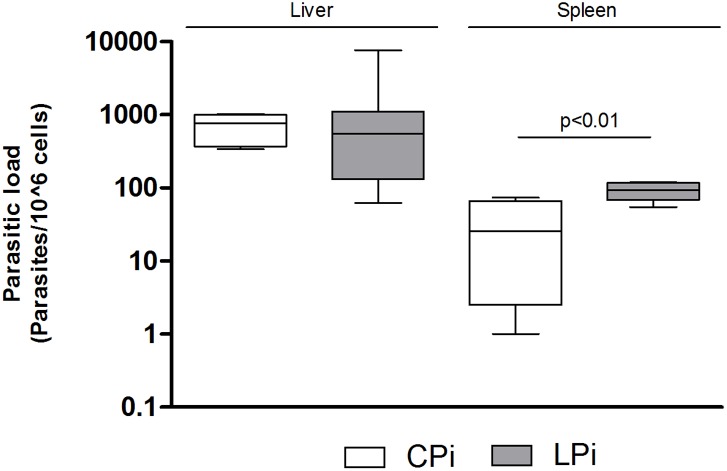
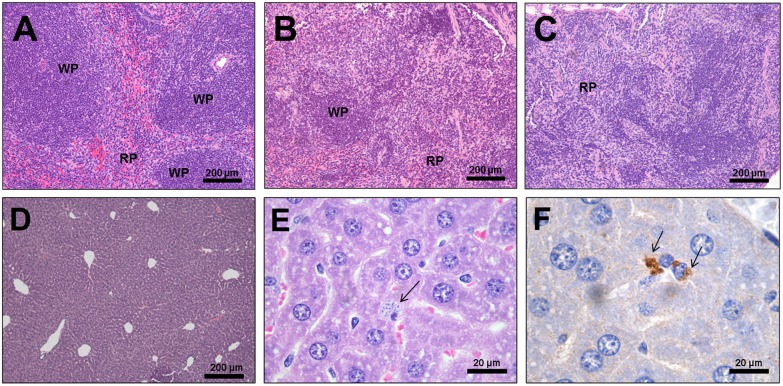
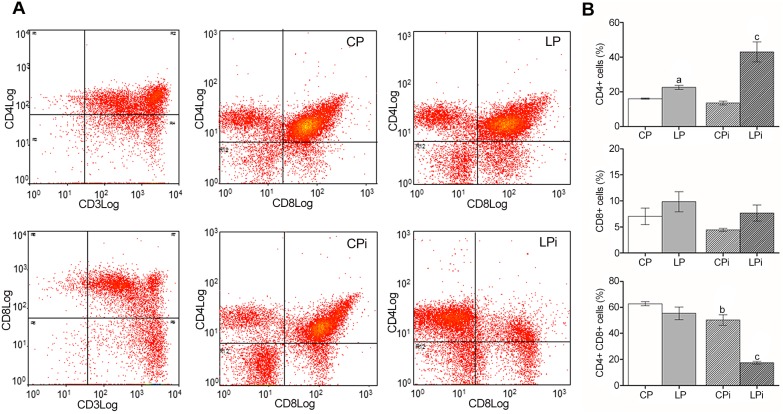
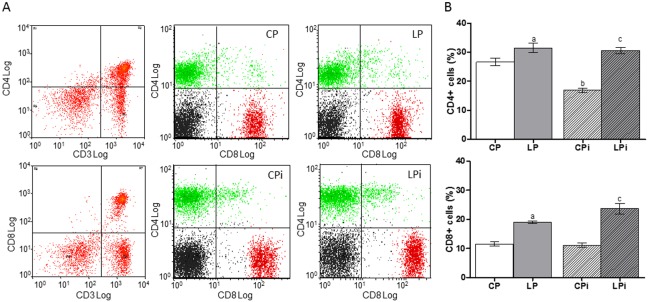
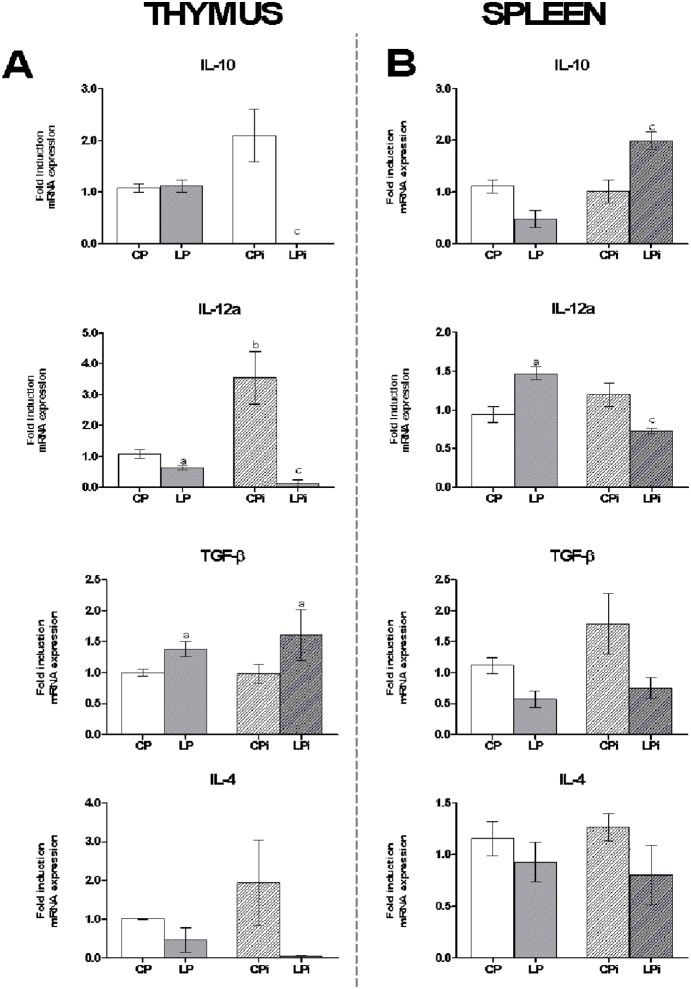
Visceral leishmaniasis (VL) is a parasitic infectious disease that causes significant morbidity and mortality in the tropical and subtropical regions of the world. Although infections with visceralizing Leishmania may be asymptomatic, factors such as undernutrition increase the likelihood of progressing to clinical disease. Protein malnutrition, the most deleterious cause of malnutrition in developing countries, has been considered as a primary risk factor for the development of clinical VL. However, data regarding the immunological basis of this association are scarce. With the aim to analyze the effects of protein malnutrition on Leishmania infantum infection, we used BALB/c mice subjected to control or low protein isocaloric diets. Each animal group was divided into two subgroups and one was infected with L. infantum resulting in four study groups: animals fed 14% protein diet (CP), animals fed 4% protein diet (LP), animals fed 14% protein diet and infected (CPi), and animals fed 4% protein diet and infected (LPi).The susceptibility to L. infantum infection and immune responses were assessed in terms of body and lymphoid organ weight, parasite load, lymphocyte subpopulations, and cytokine expression. LPi mice had a significant reduction of body and lymphoid organ weight and exhibited a severe decrease of lymphoid follicles in the spleen. Moreover, LPi animals showed a significant decrease in CD4+CD8+ T cells in the thymus, whereas there was an increase of CD4+ and CD8+ T cells percentages in the spleen. Notably, the cytokine mRNA levels in the thymus and spleen of protein malnourished-infected animals were altered compared to the CP mice. Protein malnutrition results in a drastic dysregulation of T cells and cytokine expression in the thymus and spleen of L. infantum-infected BALB/c mice, which may lead to defective regulation of the thymocyte population and an impaired splenic immune response, accelerating the events of a normal course of infection.
内脏利什曼病(VL)是一种寄生虫感染性疾病,在世界热带和亚热带地区导致严重的发病和死亡。尽管内脏利什曼原虫感染可能无症状,但诸如营养不良等因素会增加发展为临床疾病的可能性。蛋白质营养不良是发展中国家最有害的营养不良原因,被认为是临床VL发生的主要危险因素。然而,关于这种关联的免疫学基础的数据很少。为了分析蛋白质营养不良对婴儿利什曼原虫感染的影响,我们使用了接受对照或低蛋白等热量饮食的BALB/c小鼠。每个动物组分为两个亚组,其中一个亚组感染婴儿利什曼原虫,从而产生四个研究组:喂食14%蛋白质饮食的动物(CP)、喂食4%蛋白质饮食的动物(LP)、喂食14%蛋白质饮食并感染的动物(CPi)以及喂食4%蛋白质饮食并感染的动物(LPi)。根据体重、淋巴器官重量、寄生虫负荷、淋巴细胞亚群和细胞因子表达来评估对婴儿利什曼原虫感染的易感性和免疫反应。LPi小鼠的体重和淋巴器官重量显著降低,脾脏中的淋巴滤泡严重减少。此外,LPi动物胸腺中的CD4+CD8+T细胞显著减少,而脾脏中CD4+和CD8+T细胞百分比增加。值得注意的是,与CP小鼠相比,蛋白质营养不良感染动物的胸腺和脾脏中的细胞因子mRNA水平发生了改变。蛋白质营养不良导致婴儿利什曼原虫感染的BALB/c小鼠胸腺和脾脏中T细胞和细胞因子表达的严重失调,这可能导致胸腺细胞群体的调节缺陷和脾脏免疫反应受损,加速正常感染过程中的事件发生。