Posevitz-Fejfár Anita, Posevitz Vilmos, Gross Catharina C, Bhatia Urvashi, Kurth Frank, Schütte Verena, Bar-Or Amit, Meuth Sven G, Wiendl Heinz
University Hospital Muenster, Department of Neurology, Albert-Schweitzer-Campus 1, Muenster, Germany.
Montreal Neurological Institute and Hospital, Department of Neurology and Neurosurgery, McGill University, Montreal, Quebec, Canada.
PLoS One. 2014 Dec 26;9(12):e115920. doi: 10.1371/journal.pone.0115920. eCollection 2014.
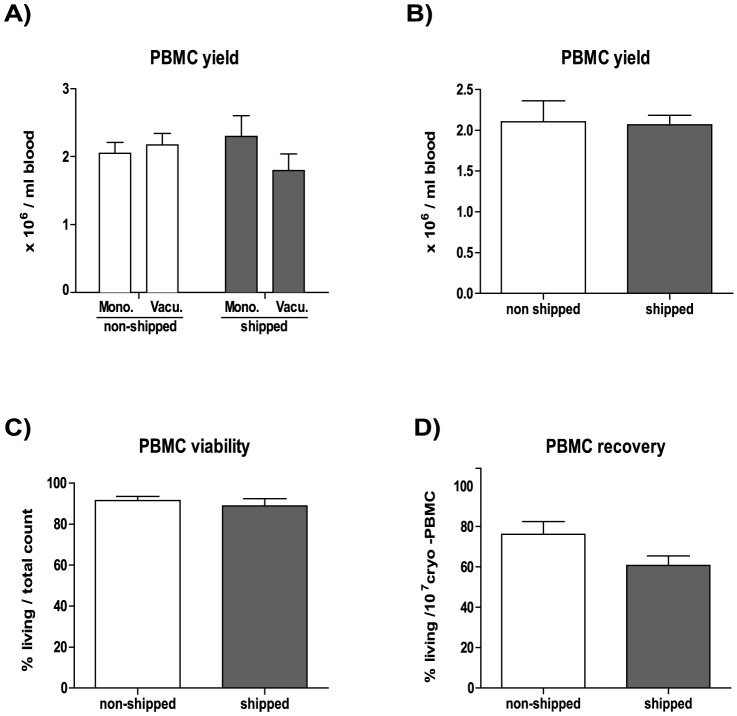
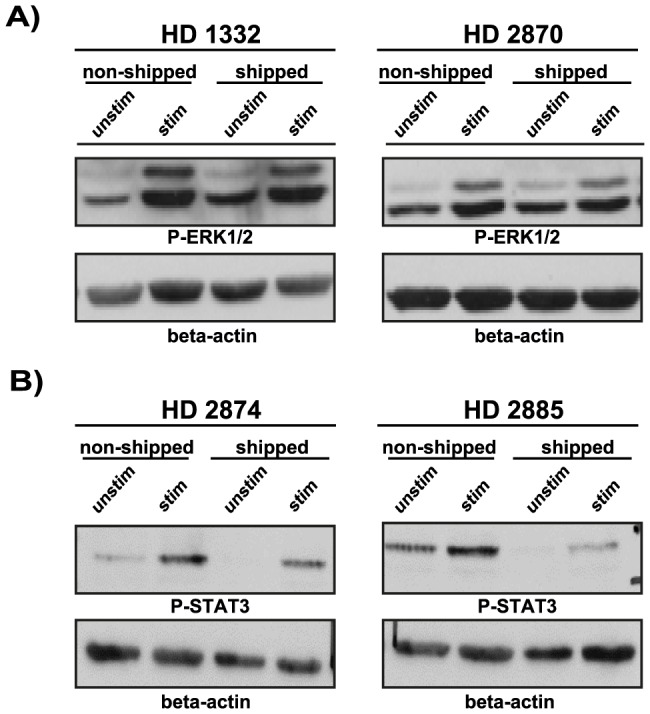
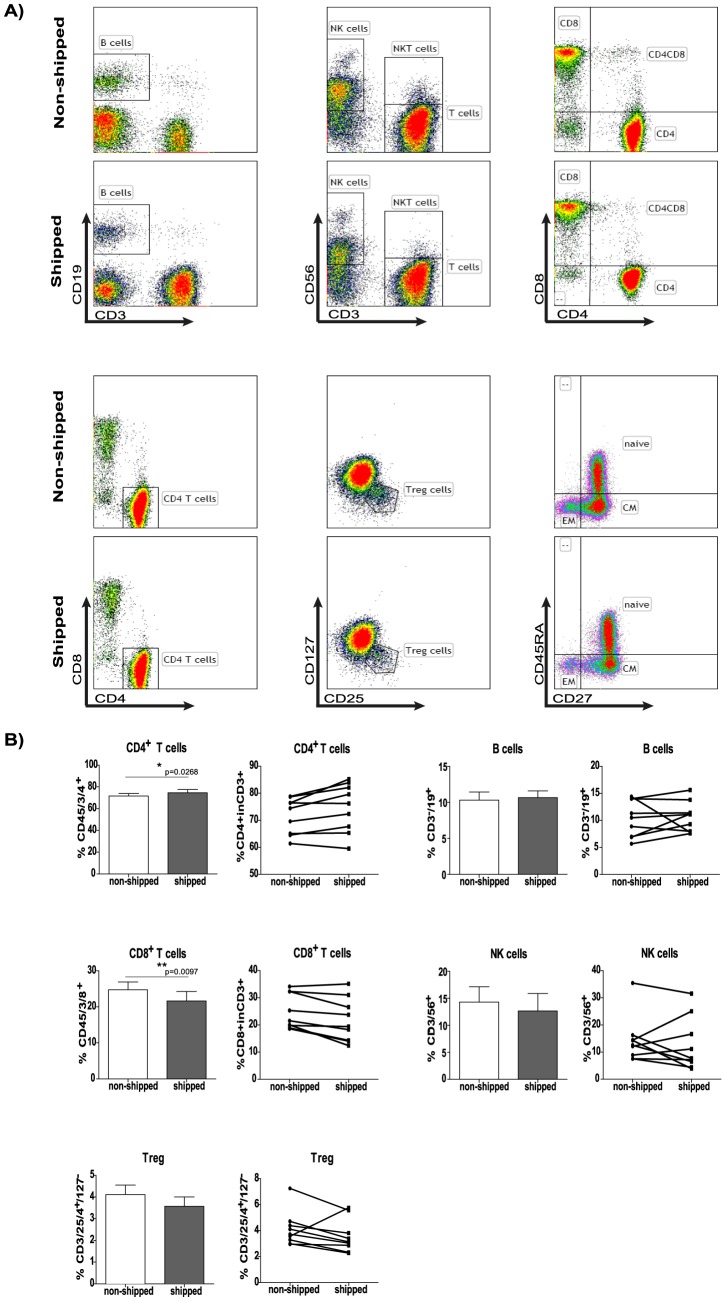
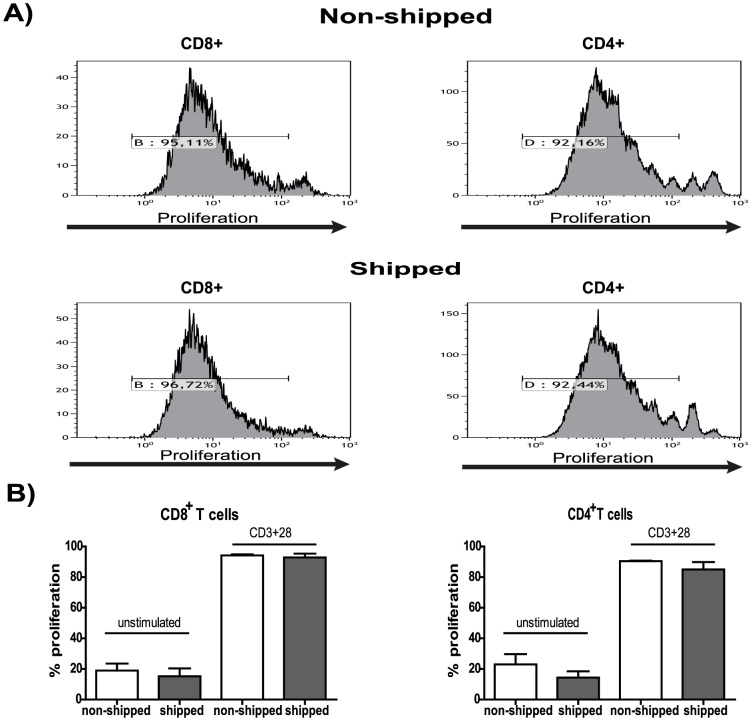
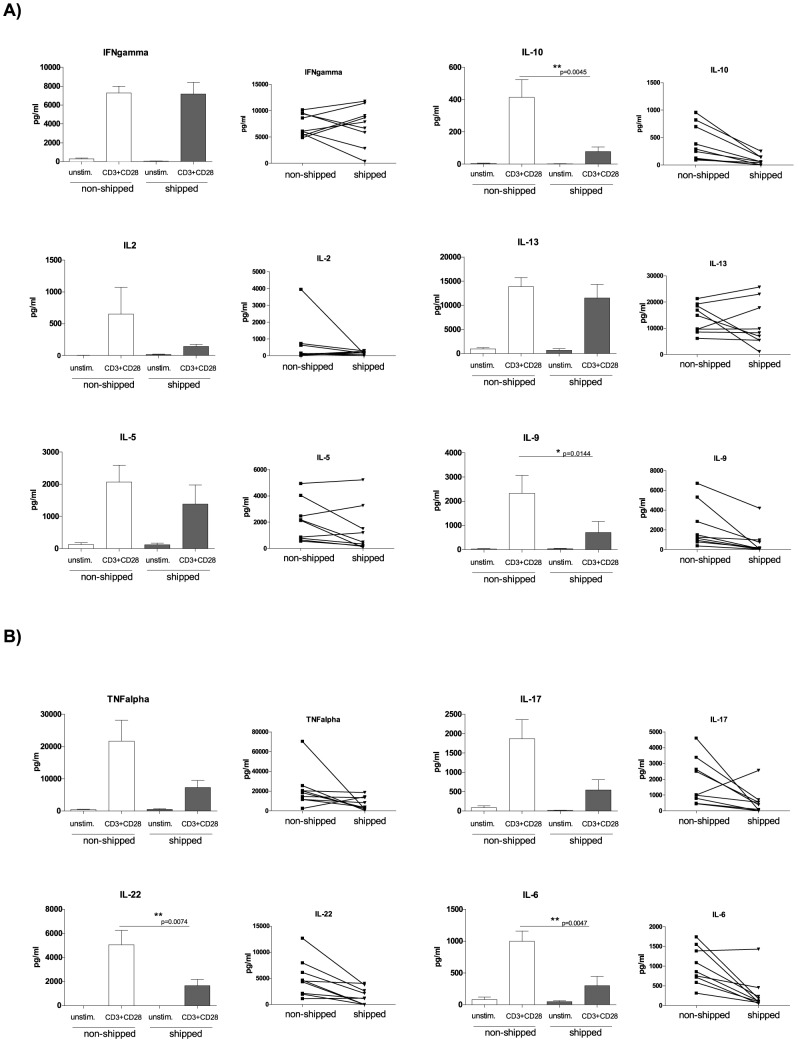
Human biospecimen collection, processing and preservation are rapidly emerging subjects providing essential support to clinical as well as basic researchers. Unlike collection of other biospecimens (e.g. DNA and serum), biobanking of viable immune cells, such as peripheral blood mononuclear cells (PBMC) and/or isolated immune cell subsets is still in its infancy. While certain aspects of processing and freezing conditions have been studied in the past years, little is known about the effect of blood transportation on immune cell survival, phenotype and specific functions. However, especially for multicentric and cooperative projects it is vital to precisely know those effects. In this study we investigated the effect of blood shipping and pre-processing delay on immune cell phenotype and function both on cellular and subcellular levels. Peripheral blood was collected from healthy volunteers (n = 9): at a distal location (shipped overnight) and in the central laboratory (processed immediately). PBMC were processed in the central laboratory and analyzed post-cryopreservation. We analyzed yield, major immune subset distribution, proliferative capacity of T cells, cytokine pattern and T-cell receptor signal transduction. Results show that overnight transportation of blood samples does not globally compromise T- cell subsets as they largely retain their phenotype and proliferative capacity. However, NK and B cell frequencies, the production of certain PBMC-derived cytokines and IL-6 mediated cytokine signaling pathway are altered due to transportation. Various control experiments have been carried out to compare issues related to shipping versus pre-processing delay on site. Our results suggest the implementation of appropriate controls when using multicenter logistics for blood transportation aiming at subsequent isolation of viable immune cells, e.g. in multicenter clinical trials or studies analyzing immune cells/subsets. One important conclusion might be that despite changes due to overnight shipment, highly standardized central processing (and analysis) could be superior to multicentric de-central processing with more difficult standardization.
人类生物样本的采集、处理和保存是迅速兴起的课题,为临床和基础研究人员提供了重要支持。与其他生物样本(如DNA和血清)的采集不同,对诸如外周血单个核细胞(PBMC)和/或分离的免疫细胞亚群等有活力的免疫细胞进行生物样本库保存仍处于起步阶段。虽然在过去几年中已经研究了处理和冷冻条件的某些方面,但关于血液运输对免疫细胞存活、表型和特定功能的影响却知之甚少。然而,特别是对于多中心合作项目而言,准确了解这些影响至关重要。在本研究中,我们在细胞和亚细胞水平上研究了血液运输和预处理延迟对免疫细胞表型和功能的影响。从健康志愿者(n = 9)采集外周血:在一个偏远地点(隔夜运输)和中心实验室(立即处理)。PBMC在中心实验室进行处理,并在冷冻保存后进行分析。我们分析了产量、主要免疫亚群分布、T细胞增殖能力、细胞因子模式和T细胞受体信号转导。结果表明,血液样本的隔夜运输不会整体损害T细胞亚群,因为它们在很大程度上保留了其表型和增殖能力。然而,NK和B细胞频率、某些PBMC衍生细胞因子的产生以及IL-6介导的细胞因子信号通路会因运输而改变。已经进行了各种对照实验,以比较运输与现场预处理延迟相关的问题。我们的结果表明,在使用多中心物流进行血液运输以随后分离有活力的免疫细胞时,例如在多中心临床试验或分析免疫细胞/亚群的研究中,应实施适当的对照。一个重要的结论可能是,尽管隔夜运输会导致变化,但高度标准化的中心处理(和分析)可能优于标准化更困难的多中心分散处理。