McCarroll Joshua A, Sharbeen George, Liu Jie, Youkhana Janet, Goldstein David, McCarthy Nigel, Limbri Lydia F, Dischl Dominic, Ceyhan Güralp O, Erkan Mert, Johns Amber L, Biankin Andrew V, Kavallaris Maria, Phillips Phoebe A
Children's Cancer Institute, Lowy Cancer Research Centre, UNSW Australia, Sydney, Australia.
ARC Centre of Excellence in Convergent Bio-Nano Science and Technology, Australian Centre for NanoMedicine, UNSW, Australia.
Oncotarget. 2015 Feb 10;6(4):2235-49. doi: 10.18632/oncotarget.2946.
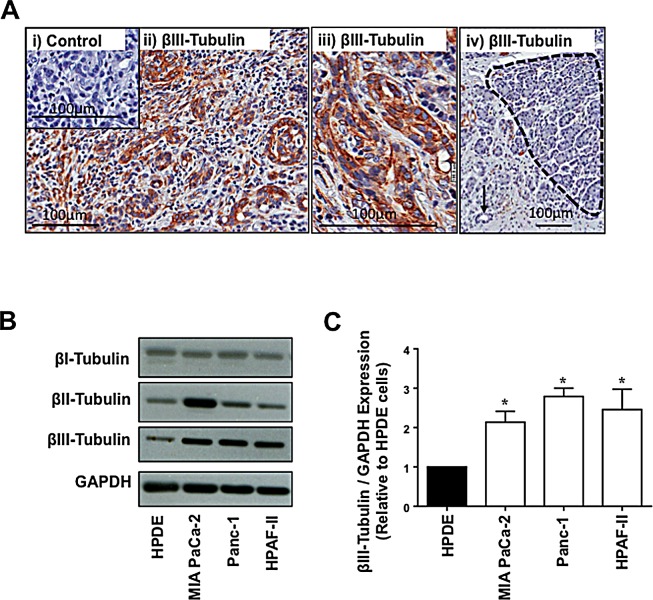
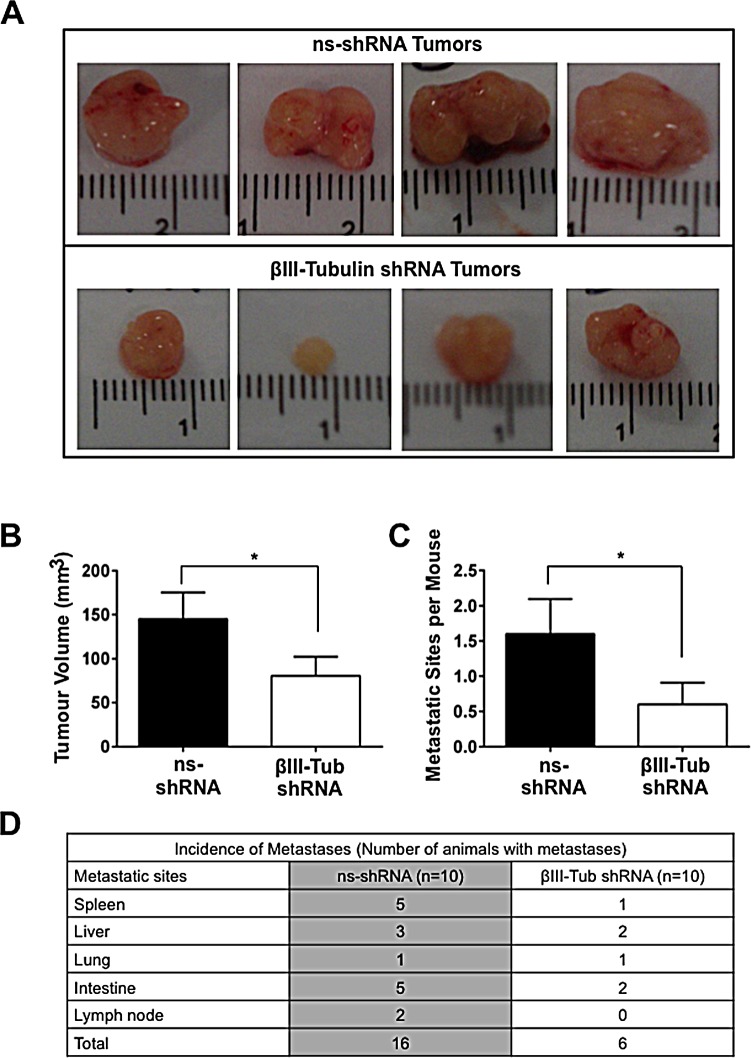
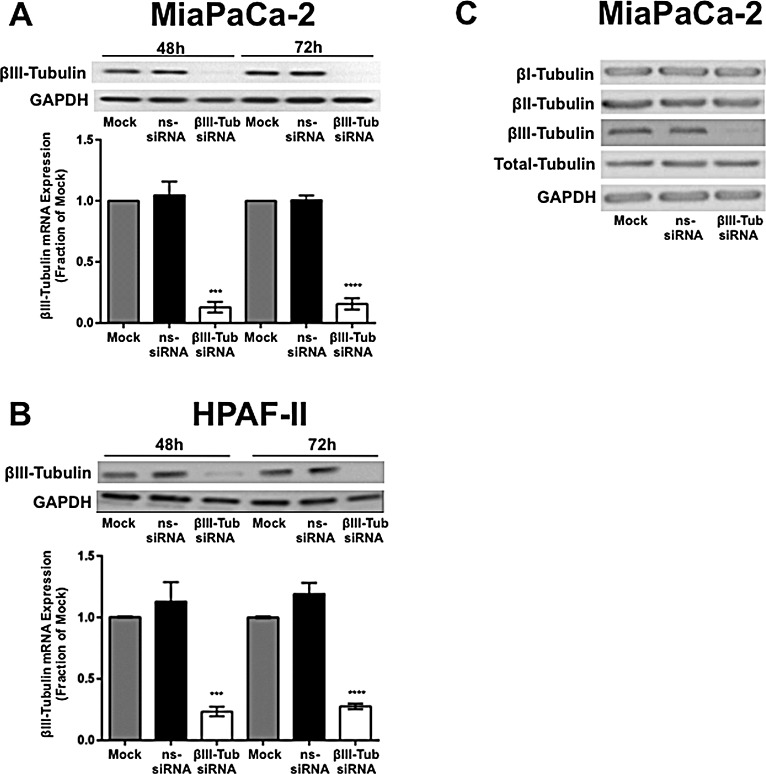
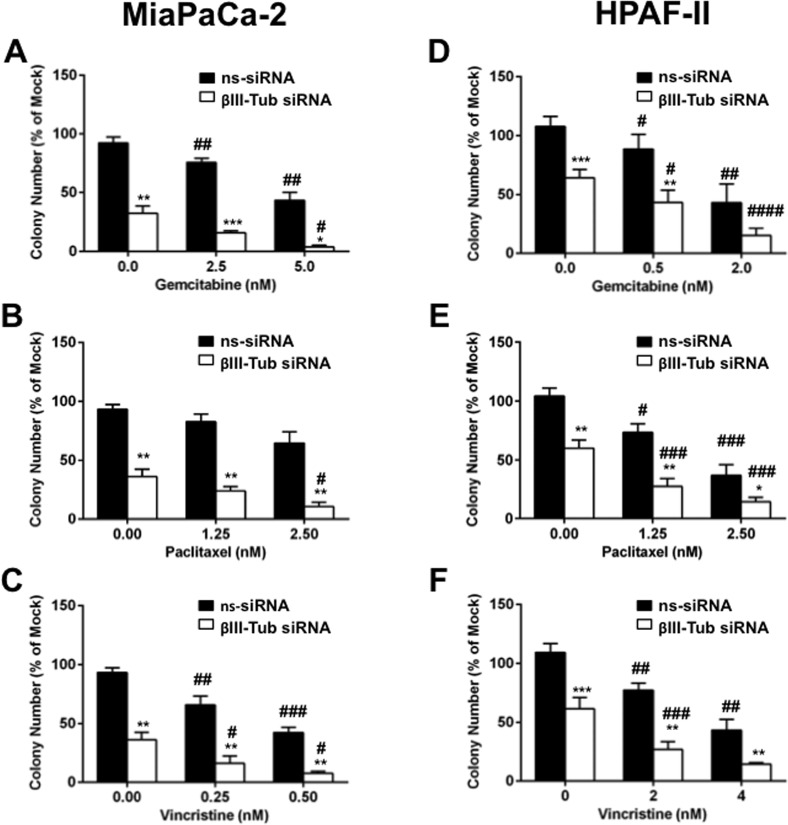
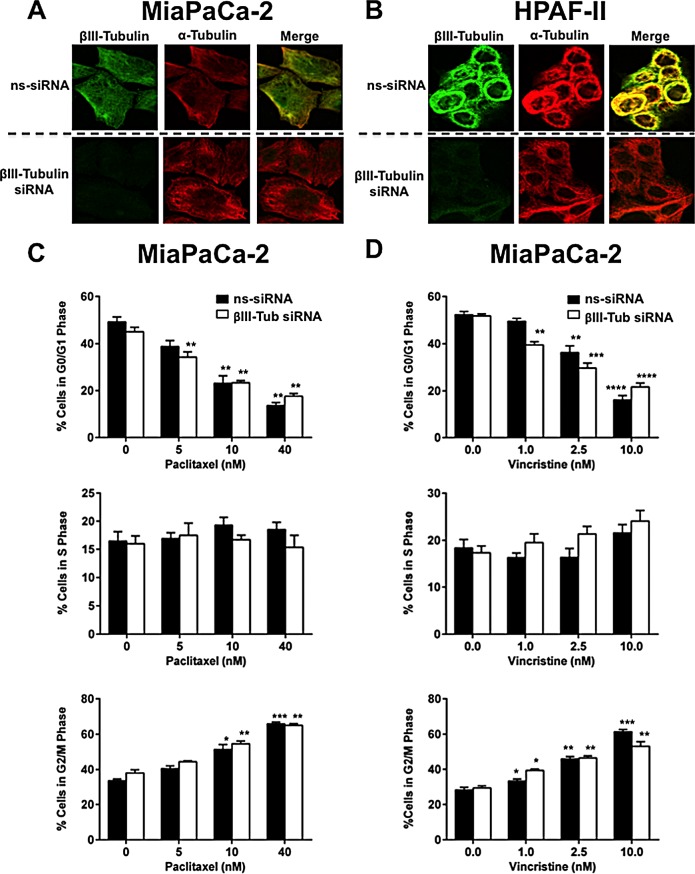
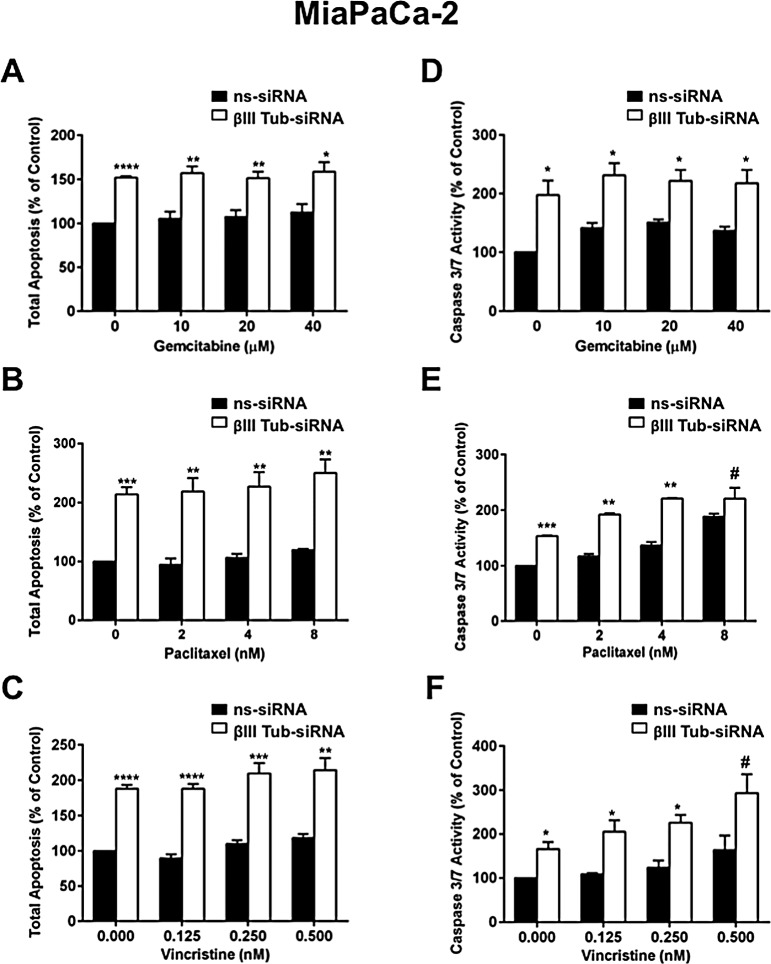
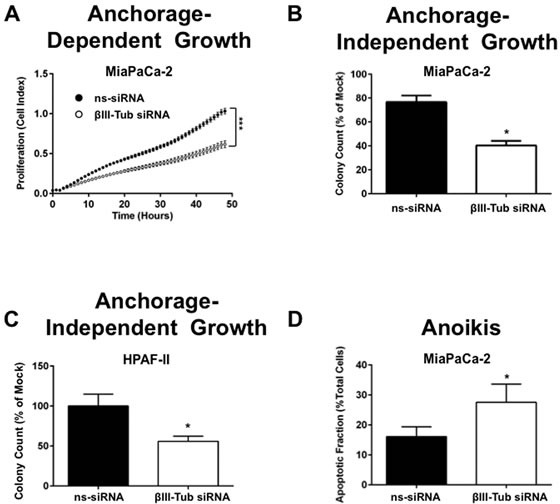
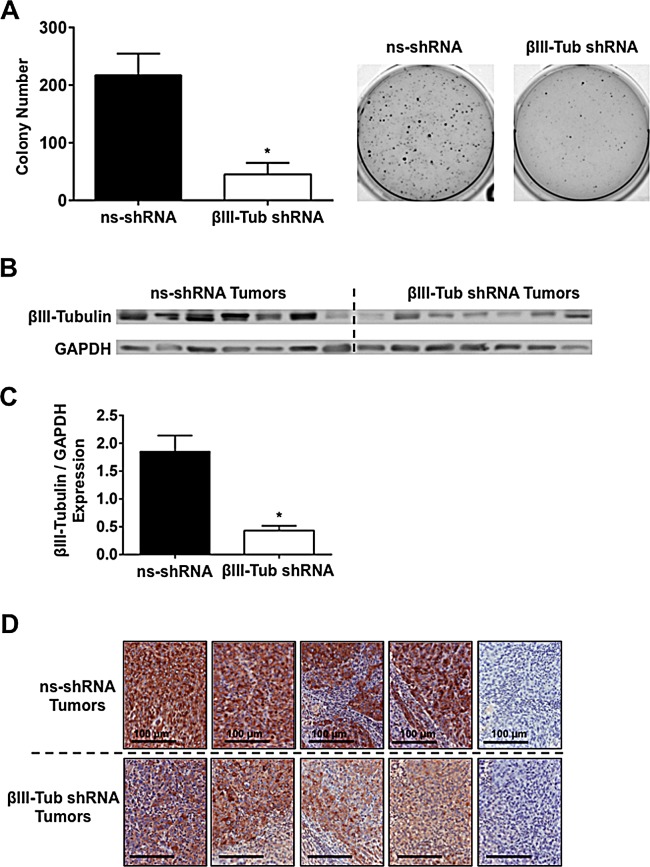
Pancreatic cancer is a leading cause of cancer-related deaths in Western societies. This poor prognosis is due to chemotherapeutic drug resistance and metastatic spread. Evidence suggests that microtubule proteins namely, β-tubulins are dysregulated in tumor cells and are involved in regulating chemosensitivity. However, the role of β-tubulins in pancreatic cancer are unknown. We measured the expression of different β-tubulin isotypes in pancreatic adenocarcinoma tissue and pancreatic cancer cells. Next, we used RNAi to silence βIII-tubulin expression in pancreatic cancer cells, and measured cell growth in the absence and presence of chemotherapeutic drugs. Finally, we assessed the role of βIII-tubulin in regulating tumor growth and metastases using an orthotopic pancreatic cancer mouse model. We found that βIII-tubulin is highly expressed in pancreatic adenocarcinoma tissue and pancreatic cancer cells. Further, we demonstrated that silencing βIII-tubulin expression reduced pancreatic cancer cell growth and tumorigenic potential in the absence and presence of chemotherapeutic drugs. Finally, we demonstrated that suppression of βIII-tubulin reduced tumor growth and metastases in vivo. Our novel data demonstrate that βIII-tubulin is a key player in promoting pancreatic cancer growth and survival, and silencing its expression may be a potential therapeutic strategy to increase the long-term survival of pancreatic cancer patients.
在西方社会,胰腺癌是癌症相关死亡的主要原因之一。这种预后不良是由于化疗药物耐药性和转移扩散。有证据表明,微管蛋白,即β-微管蛋白,在肿瘤细胞中失调,并参与调节化疗敏感性。然而,β-微管蛋白在胰腺癌中的作用尚不清楚。我们测量了胰腺腺癌组织和胰腺癌细胞中不同β-微管蛋白亚型的表达。接下来,我们使用RNA干扰技术沉默胰腺癌细胞中βIII-微管蛋白的表达,并在有无化疗药物的情况下测量细胞生长情况。最后,我们使用原位胰腺癌小鼠模型评估βIII-微管蛋白在调节肿瘤生长和转移中的作用。我们发现βIII-微管蛋白在胰腺腺癌组织和胰腺癌细胞中高度表达。此外,我们证明,在有无化疗药物的情况下,沉默βIII-微管蛋白的表达均可降低胰腺癌细胞的生长和致瘤潜力。最后,我们证明,抑制βIII-微管蛋白可在体内降低肿瘤生长和转移。我们的新数据表明,βIII-微管蛋白是促进胰腺癌生长和存活的关键因素,沉默其表达可能是提高胰腺癌患者长期生存率的潜在治疗策略。