Cestelli Valentina, Spinella Amelia, Campomori Federica, Esposito Carmela, Ciaffi Sara, Sandri Gilda, Ferri Clodoveo
Rheumatology Unit, Department of Medical and Surgical Sciences for Children and Adults, University of Modena and Reggio Emilia, Via del Pozzo No. 71, 41124 Modena, Italy.
Rheumatology Unit, Federico II University Hospital of Napoli, Via S. Pansini No. 5, 80131 Napoli, Italy.
Case Rep Med. 2014;2014:624184. doi: 10.1155/2014/624184. Epub 2014 Dec 3.
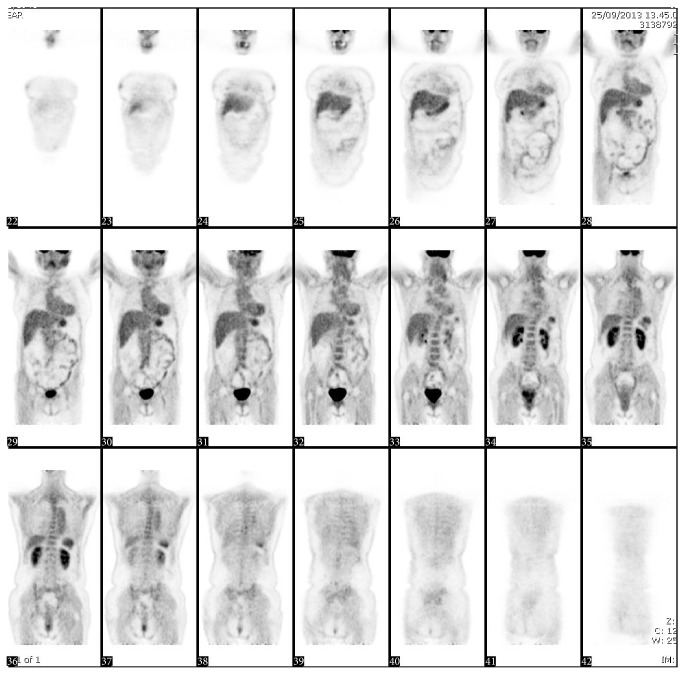
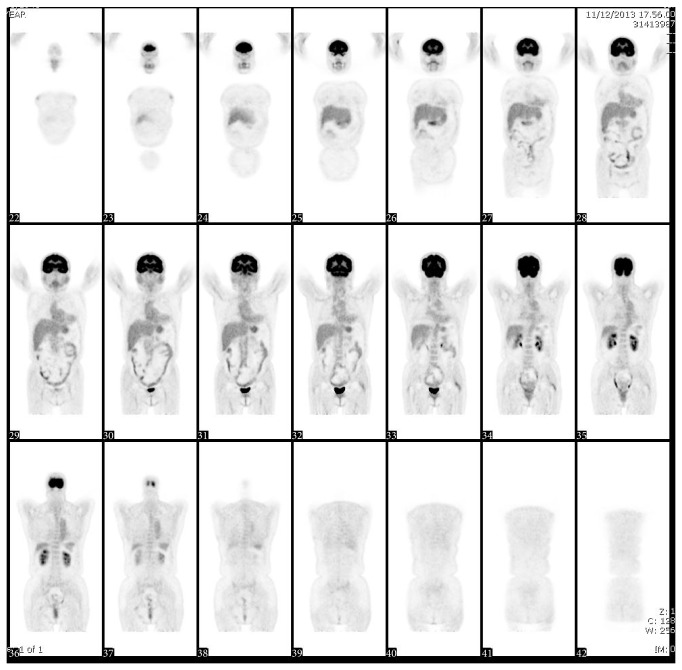
Vasculitis is a heterogeneous group of disorders characterized by the presence of necrotic inflammatory phenomena and destruction of blood vessels. Vasculitis is classified as primary (idiopathic) or secondary to infections, connective tissue diseases and drugs but can also be considered as a paraneoplastic phenomenon. Evidence shows that the increasing use of biological agents results in a growing number of reports of autoimmune diseases induced by these therapies. An inflammatory articular chronic disease such as rheumatoid arthritis may be complicated by extra-articular manifestations, such as cutaneous or systemic vasculitis. Herewith, we describe the case of a great vessels arteritis in a patient affected by rheumatoid arthritis in therapy with an anti-TNF agent (etanercept).
血管炎是一组异质性疾病,其特征为存在坏死性炎症现象和血管破坏。血管炎可分为原发性(特发性)或继发于感染、结缔组织病和药物,但也可被视为一种副肿瘤现象。有证据表明,生物制剂使用的增加导致了越来越多关于这些疗法诱发自身免疫性疾病的报告。一种炎性关节慢性病,如类风湿关节炎,可能会并发关节外表现,如皮肤或系统性血管炎。在此,我们描述了一例接受抗TNF药物(依那西普)治疗的类风湿关节炎患者发生大血管动脉炎的病例。