Fossépré Mathieu, Leherte Laurence, Laaksonen Aatto, Vercauteren Daniel P
Laboratoire de Physico-Chimie Informatique, Unité de Chimie Physique Théorique et Structurale, University of Namur (UNamur), Namur, Belgium; Arrhenius Laboratory, Division of Physical Chemistry, Stockholm University, Stockholm, Sweden; Namur Medicine and Drug Innovation Center (NAMEDIC), University of Namur (UNamur), Namur, Belgium.
Laboratoire de Physico-Chimie Informatique, Unité de Chimie Physique Théorique et Structurale, University of Namur (UNamur), Namur, Belgium; Namur Medicine and Drug Innovation Center (NAMEDIC), University of Namur (UNamur), Namur, Belgium.
PLoS One. 2014 Dec 30;9(12):e115856. doi: 10.1371/journal.pone.0115856. eCollection 2014.
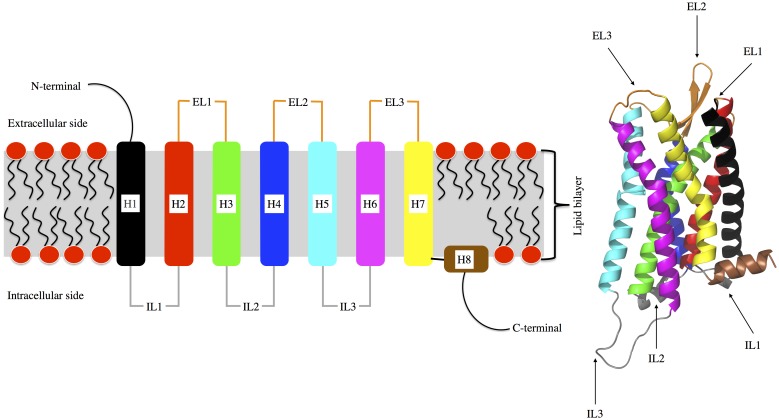
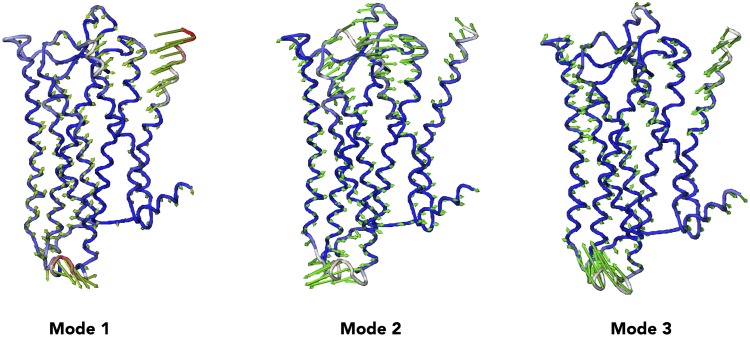
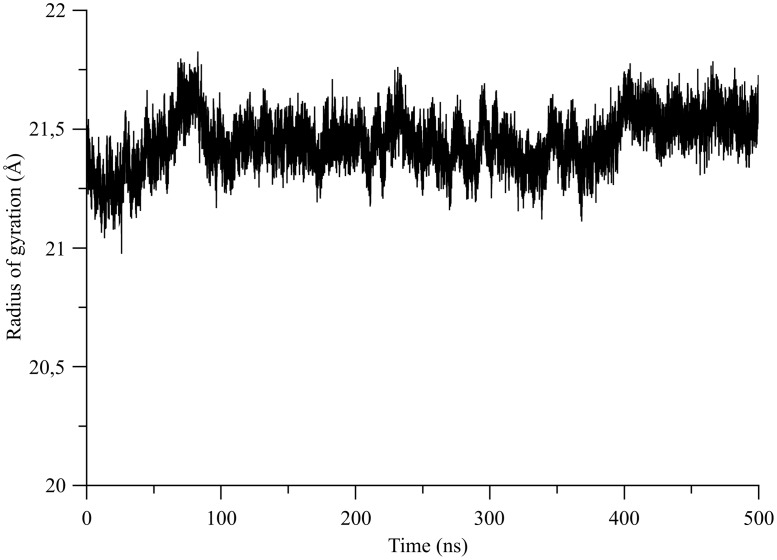
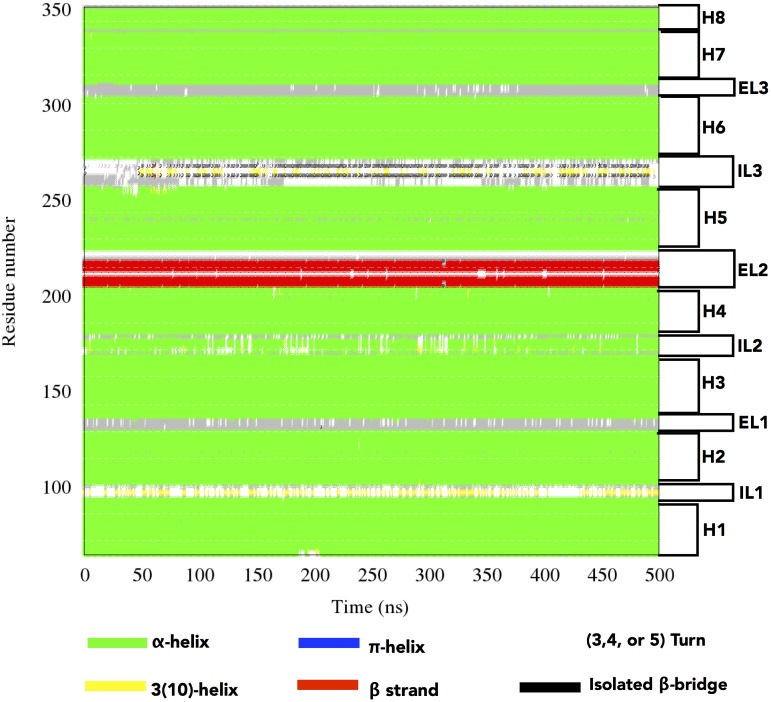
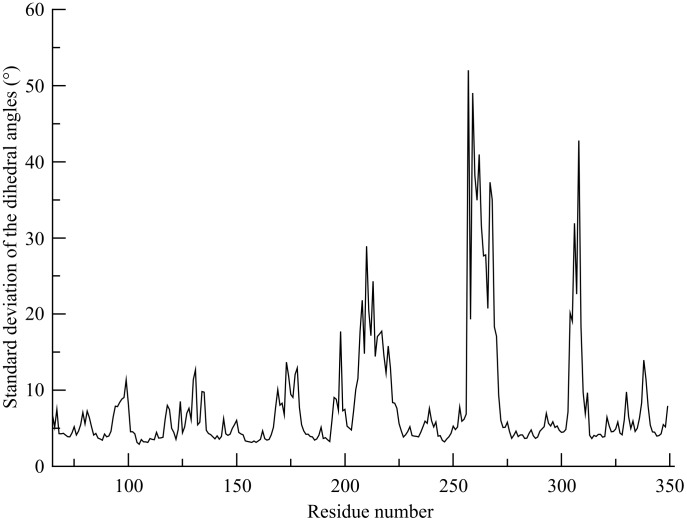
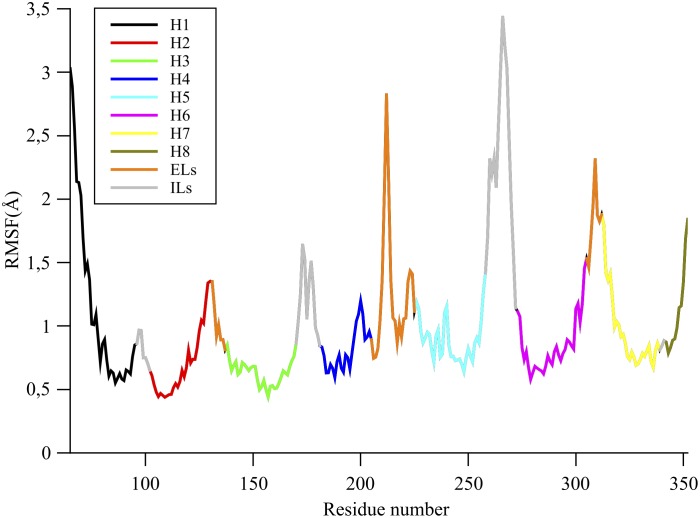
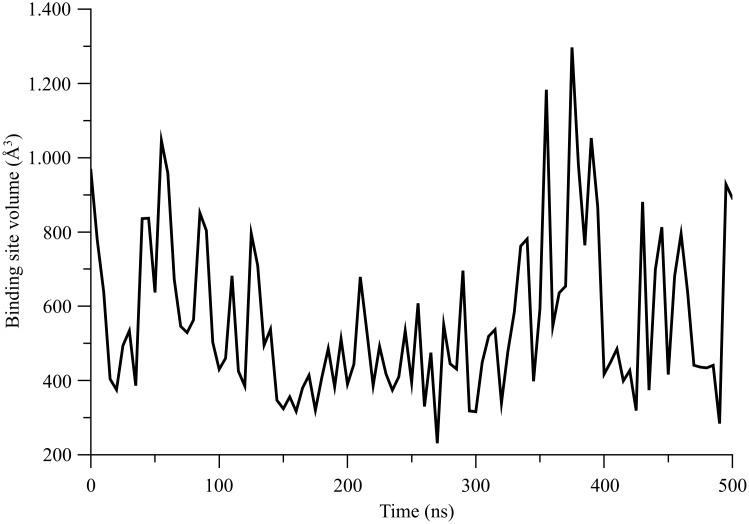
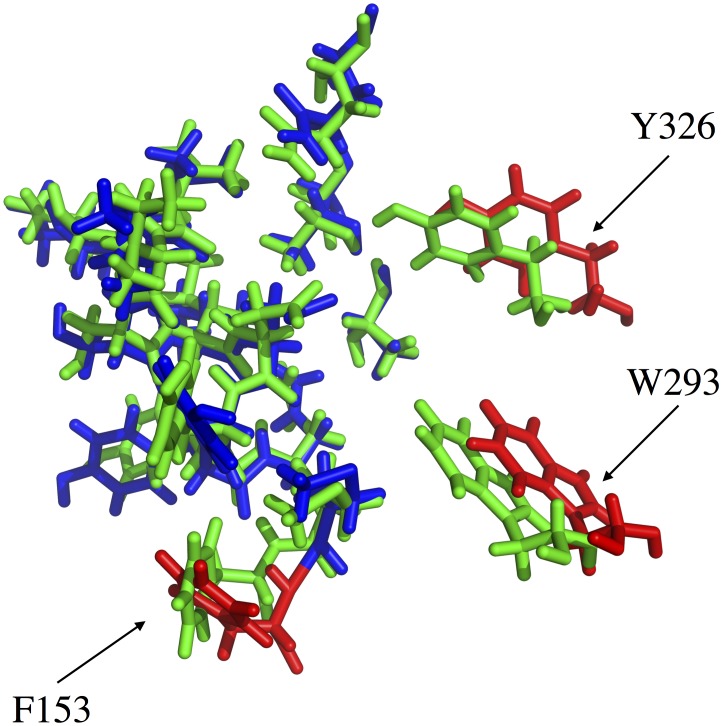
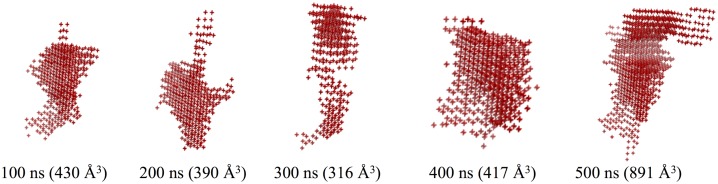
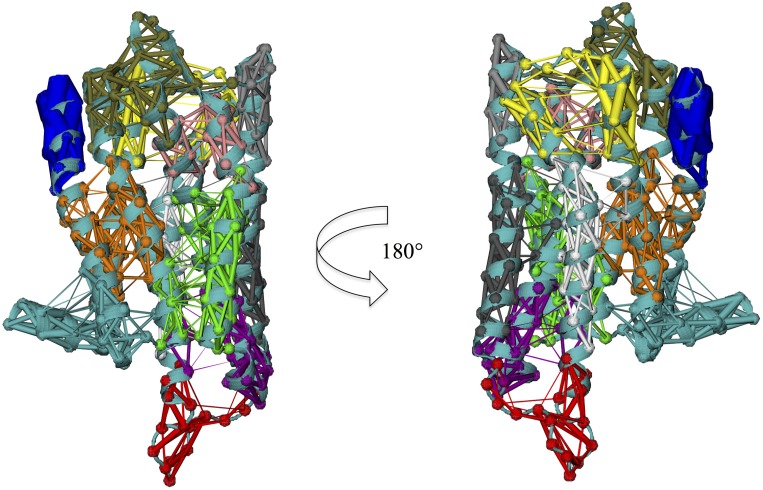
The µ opioid receptor (µOR), the principal target to control pain, belongs to the G protein-coupled receptors (GPCRs) family, one of the most highlighted protein families due to their importance as therapeutic targets. The conformational flexibility of GPCRs is one of their essential characteristics as they take part in ligand recognition and subsequent activation or inactivation mechanisms. It is assessed that the intrinsic mechanical properties of the µOR, more specifically its particular flexibility behavior, would facilitate the accomplishment of specific biological functions, at least in their first steps, even in the absence of a ligand or any chemical species usually present in its biological environment. The study of the mechanical properties of the µOR would thus bring some indications regarding the highly efficient ability of the µOR to transduce cellular message. We therefore investigate the intrinsic flexibility of the µOR in its apo-form using all-atom Molecular Dynamics simulations at the sub-microsecond time scale. We particularly consider the µOR embedded in a simplified membrane model without specific ions, particular lipids, such as cholesterol moieties, or any other chemical species that could affect the flexibility of the µOR. Our analyses highlighted an important local effect due to the various bendability of the helices resulting in a diversity of shape and volume sizes adopted by the µOR binding site. Such property explains why the µOR can interact with ligands presenting highly diverse structural geometry. By investigating the topology of the µOR binding site, a conformational global effect is depicted: the correlation between the motional modes of the extra- and intracellular parts of µOR on one hand, along with a clear rigidity of the central µOR domain on the other hand. Our results show how the modularity of the µOR flexibility is related to its pre-ability to activate and to present a basal activity.
μ阿片受体(μOR)是控制疼痛的主要靶点,属于G蛋白偶联受体(GPCRs)家族,该家族因其作为治疗靶点的重要性而成为最受关注的蛋白家族之一。GPCRs的构象灵活性是其基本特征之一,因为它们参与配体识别以及随后的激活或失活机制。据评估,μOR的内在机械特性,更具体地说是其特殊的灵活性行为,将有助于实现特定的生物学功能,至少在其最初步骤中是这样,即使在没有配体或其生物环境中通常存在的任何化学物质的情况下也是如此。因此,对μOR机械特性的研究将为μOR高效转导细胞信息的能力提供一些线索。我们因此使用亚微秒时间尺度的全原子分子动力学模拟来研究μOR无配体形式的内在灵活性。我们特别考虑嵌入在简化膜模型中的μOR,该模型中没有特定离子、特殊脂质(如胆固醇部分)或任何其他可能影响μOR灵活性的化学物质。我们的分析突出了由于螺旋的不同可弯曲性导致的重要局部效应,这导致μOR结合位点采用了多种形状和体积大小。这种特性解释了为什么μOR可以与具有高度不同结构几何形状的配体相互作用。通过研究μOR结合位点的拓扑结构,描绘了一种构象全局效应:一方面是μOR细胞外和细胞内部分运动模式之间的相关性,另一方面是μOR中央结构域明显的刚性。我们的结果表明了μOR灵活性的模块化如何与其激活前能力和呈现基础活性相关。