Srivastava K N, Agarwal Amit
Department of General and Minimal Access Surgery, B. L. Kapur Super Speciality Hospital, Pusa Road, New Delhi 110005, India.
Case Rep Surg. 2014;2014:713428. doi: 10.1155/2014/713428. Epub 2014 Dec 15.
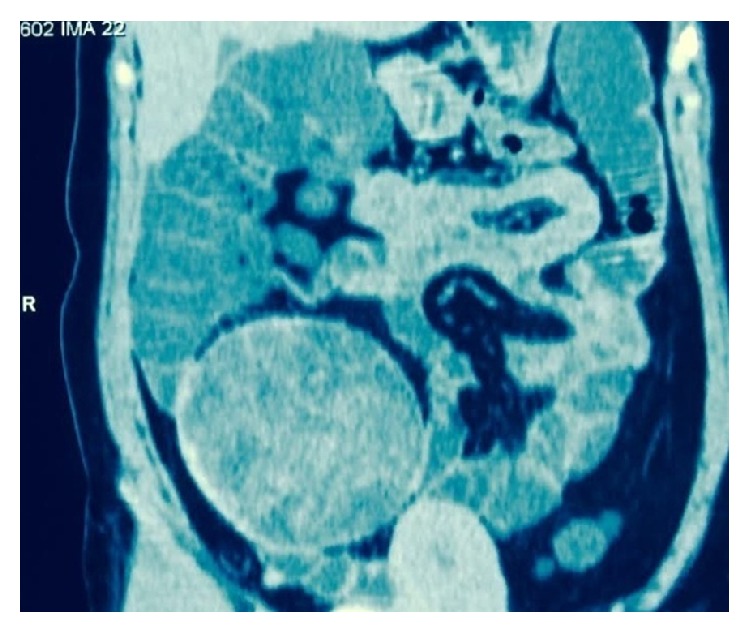
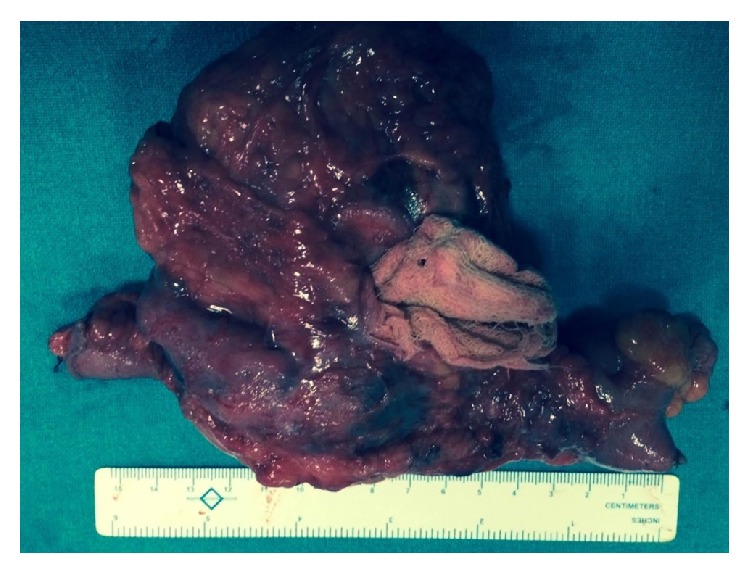
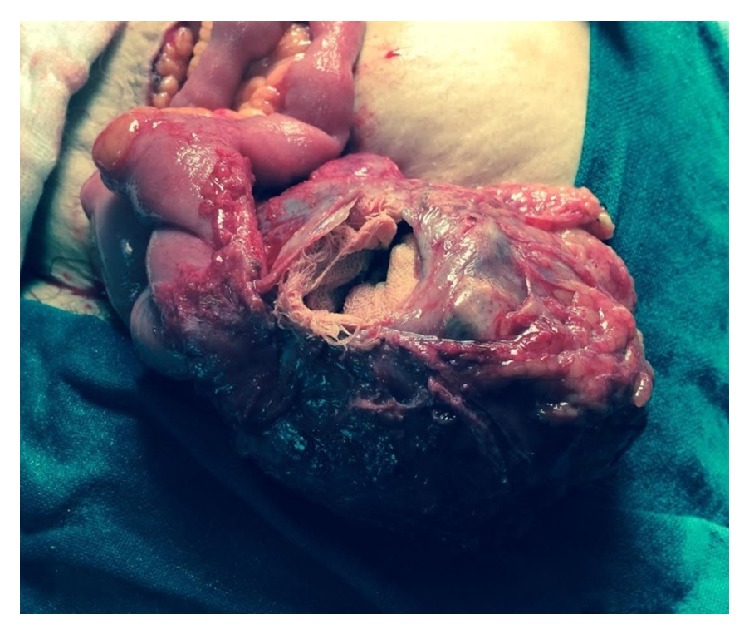
The term gossypiboma is used to describe a retained surgical sponge after operation. It is a rare but serious complication which is seldom reported because of the medicolegal implications. Gossypiboma usually has varied and vague presentation and is also difficult to detect on radiological investigations. It can even remain silent and present years after the operation. We report a case of a 38-year-old lady who presented with vague pain and chronic lump in the right iliac fossa region. She had a history of cesarean section 4 years ago. Radiological investigations were inconclusive in detecting the retained sponge. A working diagnosis of mesenteric cyst was made and an exploratory laparotomy was done where she was found to have a large gossypiboma densely adhered to the small bowel and surrounding structures. Though rare, gossypiboma should be kept in mind as a differential diagnosis in postoperative cases presenting as vague pain or chronic lump even years after the operation.
术语“棉绒瘤”用于描述术后残留的手术海绵。它是一种罕见但严重的并发症,由于法律问题很少被报道。棉绒瘤通常表现多样且不明确,在影像学检查中也难以发现。它甚至可能没有症状,在手术后数年才出现。我们报告一例38岁女性病例,她出现右髂窝区域模糊疼痛和慢性肿块。她4年前有剖宫产史。影像学检查在检测残留海绵方面没有定论。初步诊断为肠系膜囊肿,并进行了剖腹探查术,术中发现她有一个大的棉绒瘤,紧密附着于小肠和周围结构。尽管罕见,但在术后数年出现模糊疼痛或慢性肿块的病例中,棉绒瘤应作为鉴别诊断被考虑在内。