Haridan Umi Shakina, Mokhtar Umairah, Machado Lee R, Abdul Aziz Abu Thalhah, Shueb Rafidah Hanim, Zaid Masliza, Sim Benedict, Mustafa Mahiran, Nik Yusof Nik Khairudin, Lee Christopher K C, Abu Bakar Suhaili, AbuBakar Sazaly, Hollox Edward J, Boon Peng Hoh
Institute of Medical Molecular Biotechnology (IMMB), Faculty of Medicine, Universiti Teknologi MARA, Sungai Buloh Campus, Selangor, Malaysia.
Department of Genetics, University of Leicester, Leicester, United Kingdom.
PLoS One. 2015 Jan 16;10(1):e0116791. doi: 10.1371/journal.pone.0116791. eCollection 2015.
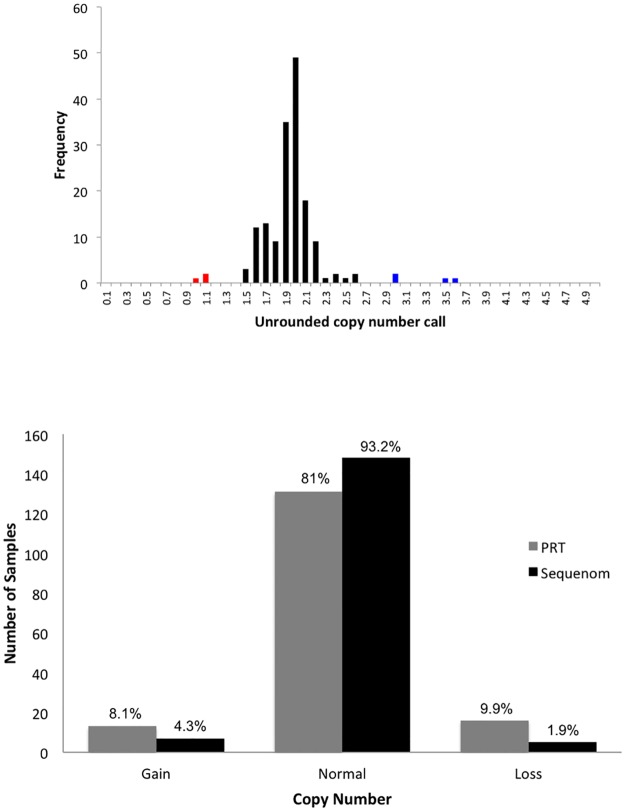
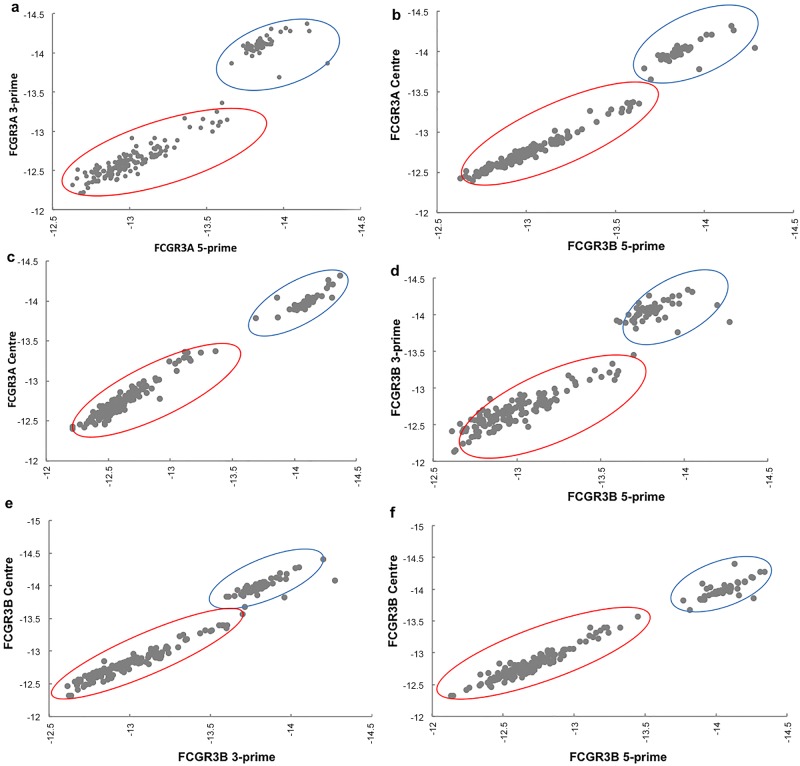
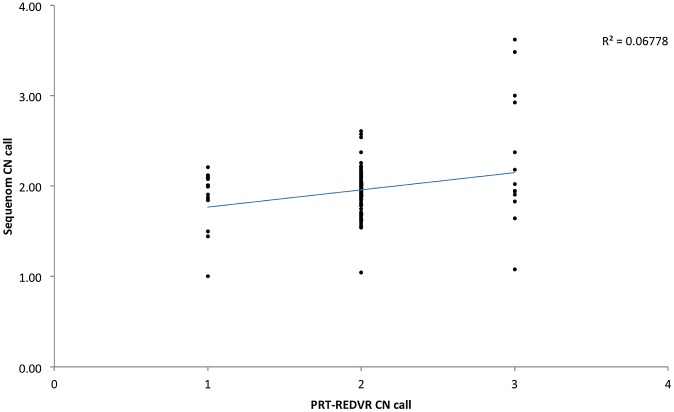
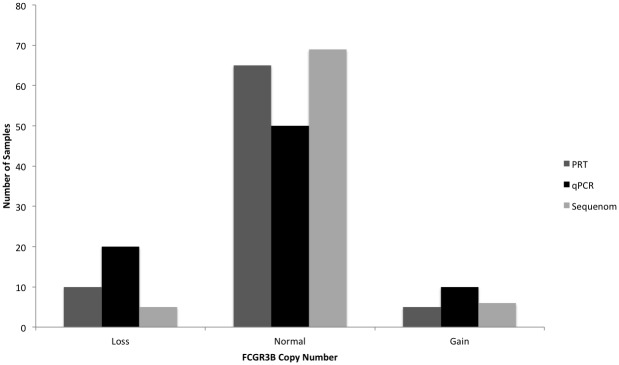
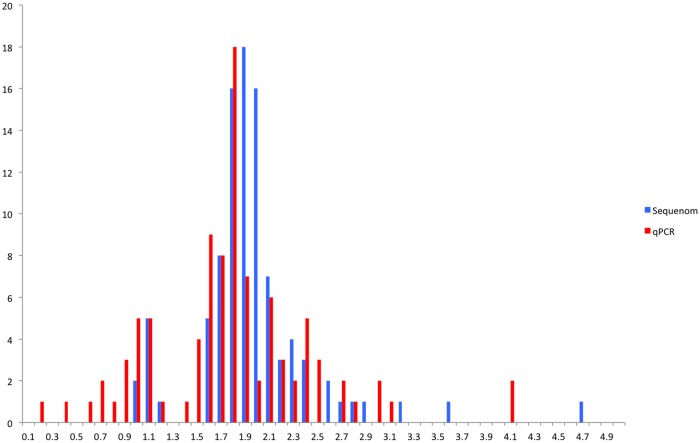
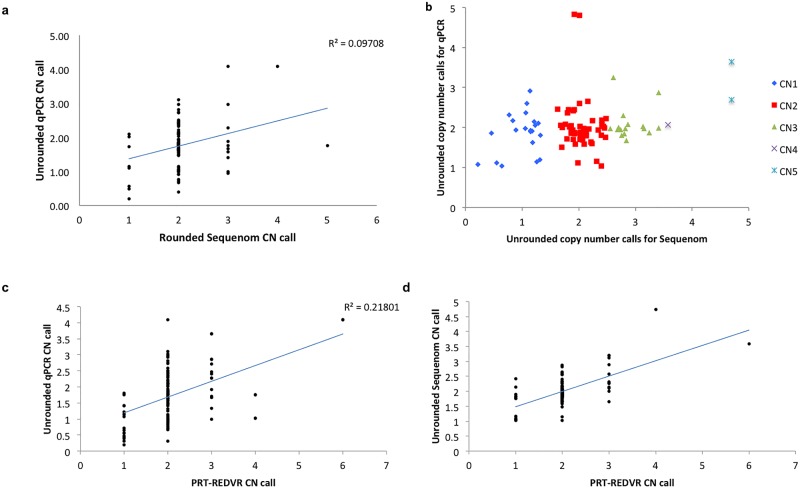
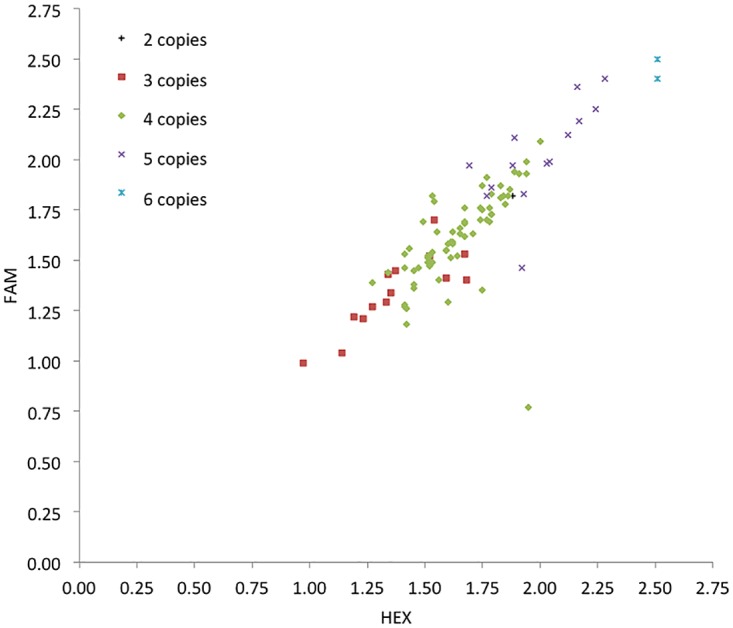
The FCGR3 locus encoding the low affinity activating receptor FcγRIII, plays a vital role in immunity triggered by cellular effector and regulatory functions. Copy number of the genes FCGR3A and FCGR3B has previously been reported to affect susceptibility to several autoimmune diseases and chronic inflammatory conditions. However, such genetic association studies often yield inconsistent results; hence require assays that are robust with low error rate. We investigated the accuracy and efficiency in estimating FCGR3 CNV by comparing Sequenom MassARRAY and paralogue ratio test-restriction enzyme digest variant ratio (PRT-REDVR). In addition, since many genetic association studies of FCGR3B CNV were carried out using real-time quantitative PCR, we have also included the evaluation of that method's performance in estimating the multi-allelic CNV of FCGR3B. The qPCR assay exhibited a considerably broader distribution of signal intensity, potentially introducing error in estimation of copy number and higher false positive rates. Both Sequenom and PRT-REDVR showed lesser systematic bias, but Sequenom skewed towards copy number normal (CN = 2). The discrepancy between Sequenom and PRT-REDVR might be attributed either to batch effects noise in individual measurements. Our study suggests that PRT-REDVR is more robust and accurate in genotyping the CNV of FCGR3, but highlights the needs of multiple independent assays for extensive validation when performing a genetic association study with multi-allelic CNVs.
编码低亲和力激活受体FcγRIII的FCGR3基因座在细胞效应和调节功能触发的免疫中起着至关重要的作用。此前有报道称,FCGR3A和FCGR3B基因的拷贝数会影响对几种自身免疫性疾病和慢性炎症性疾病的易感性。然而,此类基因关联研究的结果往往不一致;因此需要误差率低且稳健的检测方法。我们通过比较Sequenom MassARRAY和旁系同源比例测试-限制性内切酶消化变异比例(PRT-REDVR),研究了估计FCGR3拷贝数变异(CNV)的准确性和效率。此外,由于许多关于FCGR3B CNV的基因关联研究是使用实时定量PCR进行的,我们还评估了该方法在估计FCGR3B多等位基因CNV方面的性能。定量PCR检测显示信号强度分布范围更广,这可能会在拷贝数估计中引入误差,并导致较高的假阳性率。Sequenom和PRT-REDVR都显示出较小的系统偏差,但Sequenom倾向于拷贝数正常(CN = 2)。Sequenom和PRT-REDVR之间的差异可能归因于个体测量中的批次效应噪声。我们的研究表明,PRT-REDVR在对FCGR3的CNV进行基因分型时更稳健、准确,但强调在进行多等位基因CNV的基因关联研究时,需要进行多次独立检测以进行广泛验证。