Nagasawa Satoi, Sedukhina Anna S, Nakagawa Yuko, Maeda Ichiro, Kubota Manabu, Ohnuma Shigeko, Tsugawa Koichiro, Ohta Tomohiko, Roche-Molina Marta, Bernal Juan A, Narváez Ana J, Jeyasekharan Anand D, Sato Ko
Department of Translational Oncology, St. Marianna University Graduate School of Medicine, Kawasaki, 216-8511, Japan; Division of Breast and Endocrine Surgery, Department of Surgery, St. Marianna University School of Medicine, Kawasaki, 216-8511, Japan.
Department of Translational Oncology, St. Marianna University Graduate School of Medicine, Kawasaki, 216-8511, Japan.
PLoS One. 2015 Feb 13;10(2):e0118002. doi: 10.1371/journal.pone.0118002. eCollection 2015.
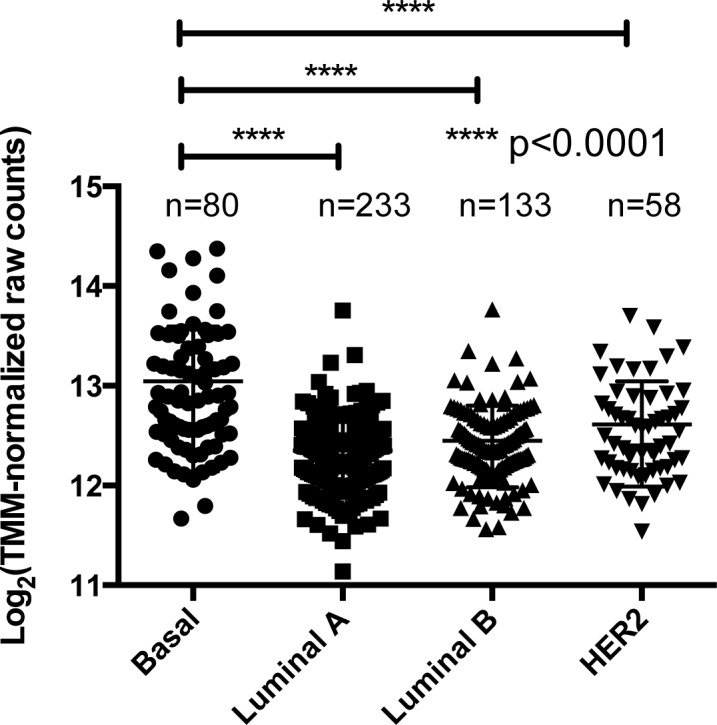
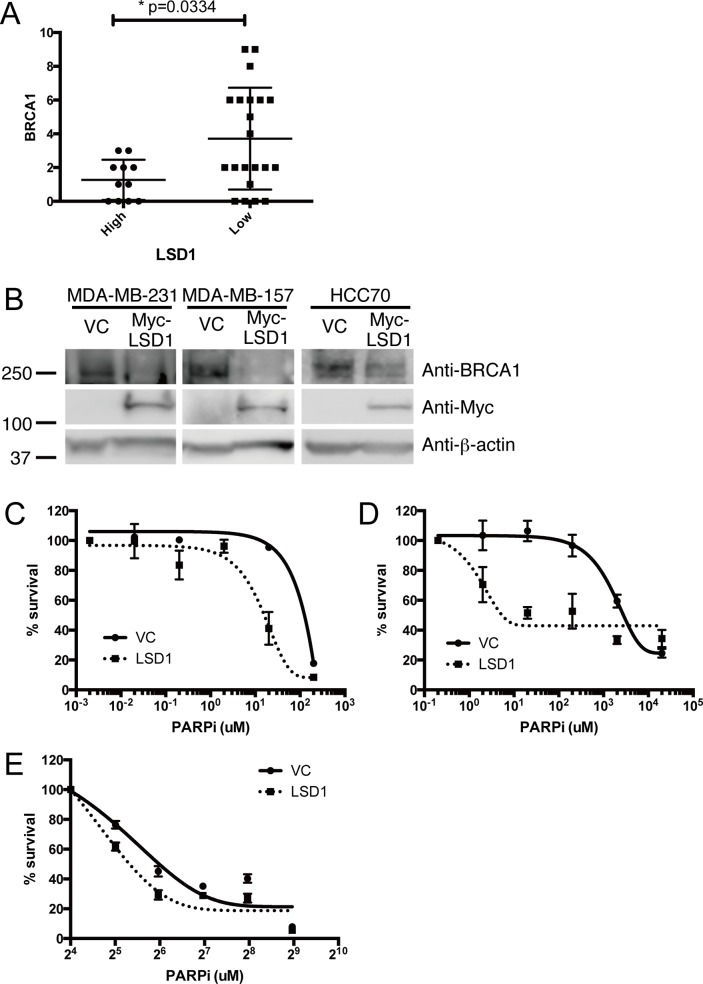
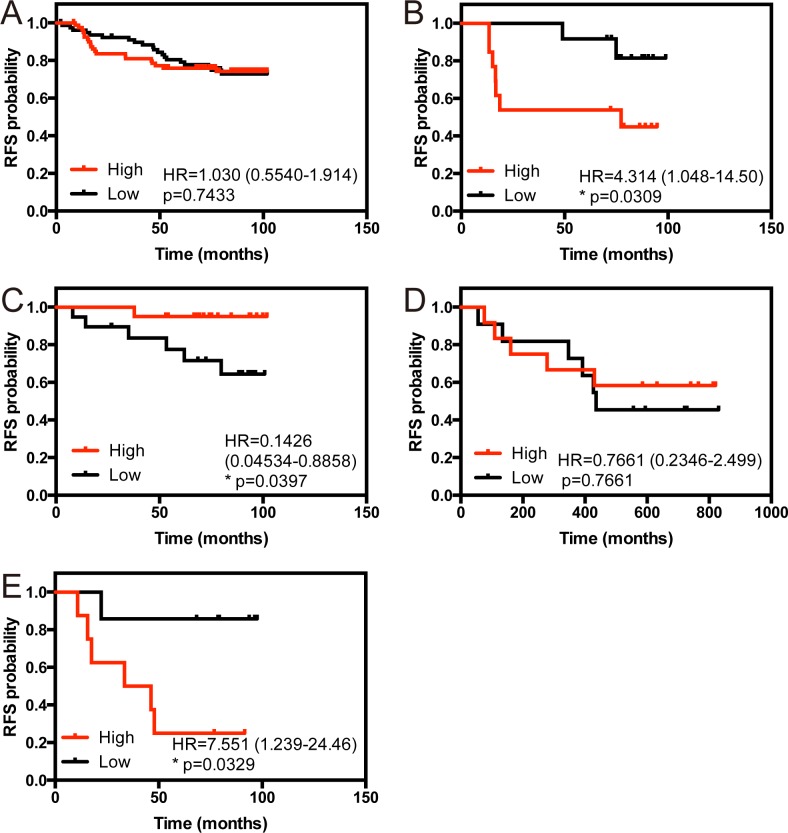
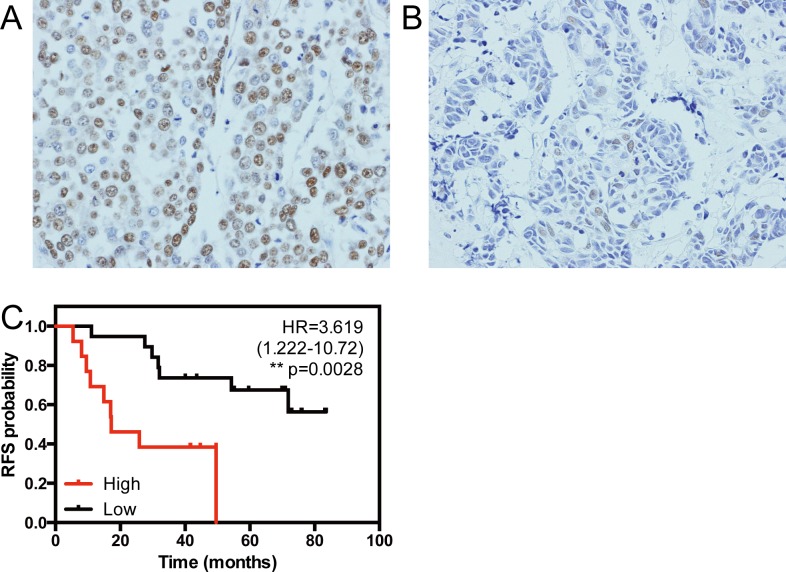
LSD1, a lysine-specific histone demethylase, is overexpressed in several types of cancers and linked to poor outcomes. In breast cancer, the significance of LSD1 overexpression is not clear. We have performed an in silico analysis to assess the relationship of LSD1 expression to clinical outcome. We demonstrate that LSD1 overexpression is a poor prognostic factor in breast cancer, especially in basal-like breast cancer, a subtype of breast cancer with aggressive clinical features. This link is also observed in samples of triple negative breast cancer. Interestingly, we note that overexpression of LSD1 correlates with down-regulation of BRCA1 in triple negative breast cancer. This phenomenon is also observed in in vitro models of basal-like breast cancer, and is associated with an increased sensitivity to PARP inhibitors. We propose therefore that high expression levels of the demethylase LSD1 is a potential prognostic factor of poor outcome in basal-like breast cancer, and that PARP inhibition may be a therapeutic strategy of interest in this poor prognostic subtype with overexpression of LSD1.
赖氨酸特异性组蛋白去甲基化酶LSD1在多种癌症中过度表达,并与不良预后相关。在乳腺癌中,LSD1过度表达的意义尚不清楚。我们进行了一项计算机分析,以评估LSD1表达与临床结果之间的关系。我们证明,LSD1过度表达是乳腺癌,尤其是基底样乳腺癌(一种具有侵袭性临床特征的乳腺癌亚型)的不良预后因素。在三阴性乳腺癌样本中也观察到这种联系。有趣的是,我们注意到在三阴性乳腺癌中,LSD1的过度表达与BRCA1的下调相关。在基底样乳腺癌的体外模型中也观察到这种现象,并且与对PARP抑制剂的敏感性增加有关。因此,我们提出,去甲基化酶LSD1的高表达水平是基底样乳腺癌不良预后的潜在预后因素,并且PARP抑制可能是针对这种LSD1过度表达的不良预后亚型的一种有意义的治疗策略。