Ma Jingjing, Cheng Jin, Gong Yanping, Tian Ling, Huang Qian
The Comprehensive Cancer Center & Shanghai Key Laboratory for Pancreatic Diseases, Shanghai First People's Hospital, School of Medicine, Shanghai Jiao Tong University, Shanghai 201620, China. Department of Pharmacy, The First Affiliated Hospital of Soochow University, Suzhou 215006, China.
The Comprehensive Cancer Center & Shanghai Key Laboratory for Pancreatic Diseases, Shanghai First People's Hospital, School of Medicine, Shanghai Jiao Tong University, Shanghai 201620, China.
Dis Model Mech. 2015 Apr;8(4):385-91. doi: 10.1242/dmm.018887. Epub 2015 Feb 20.
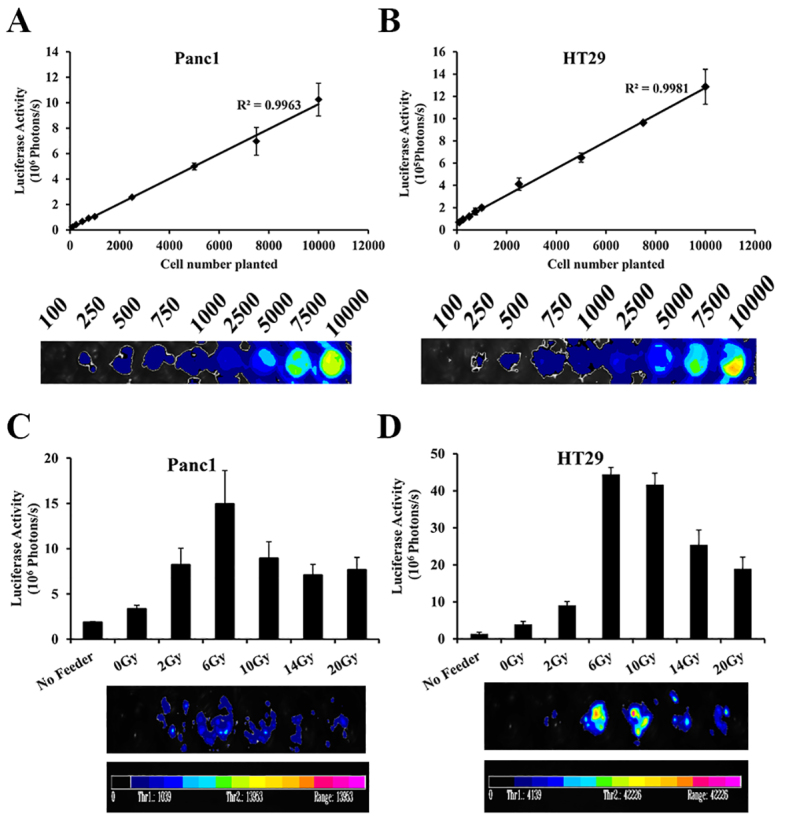
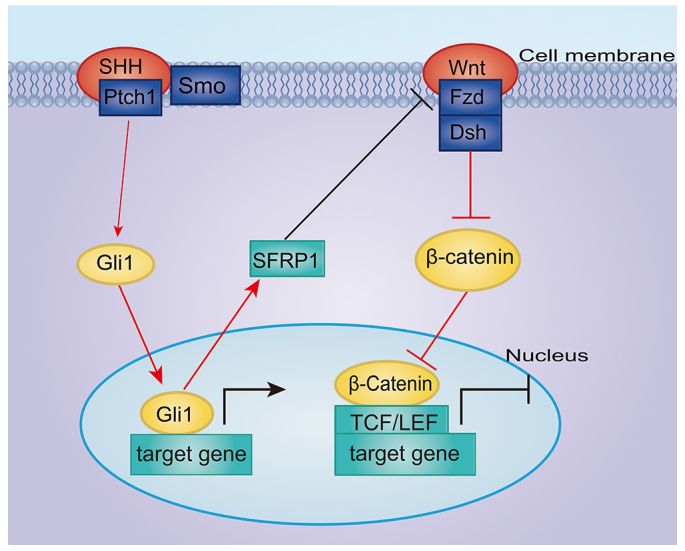
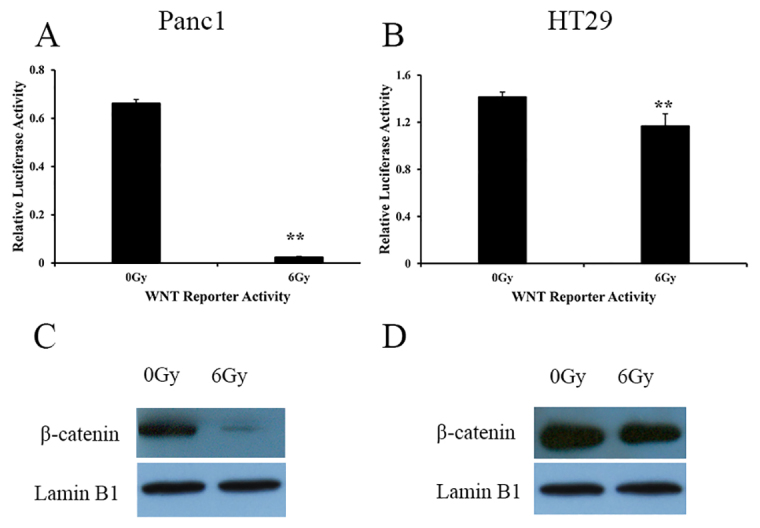
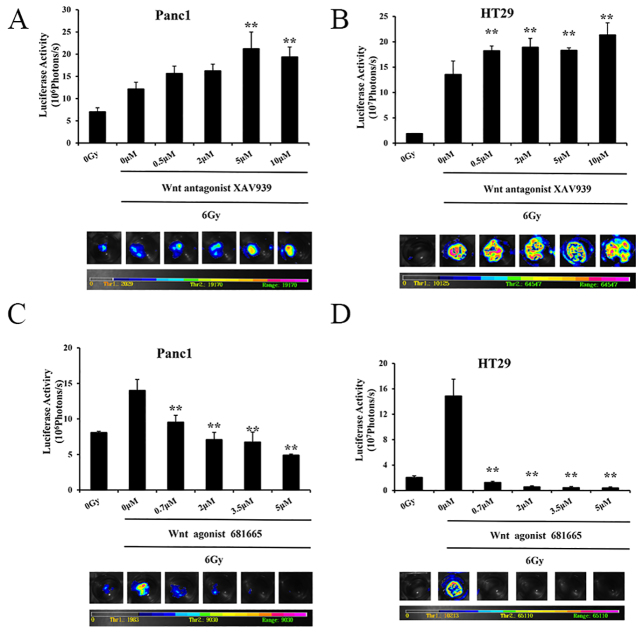
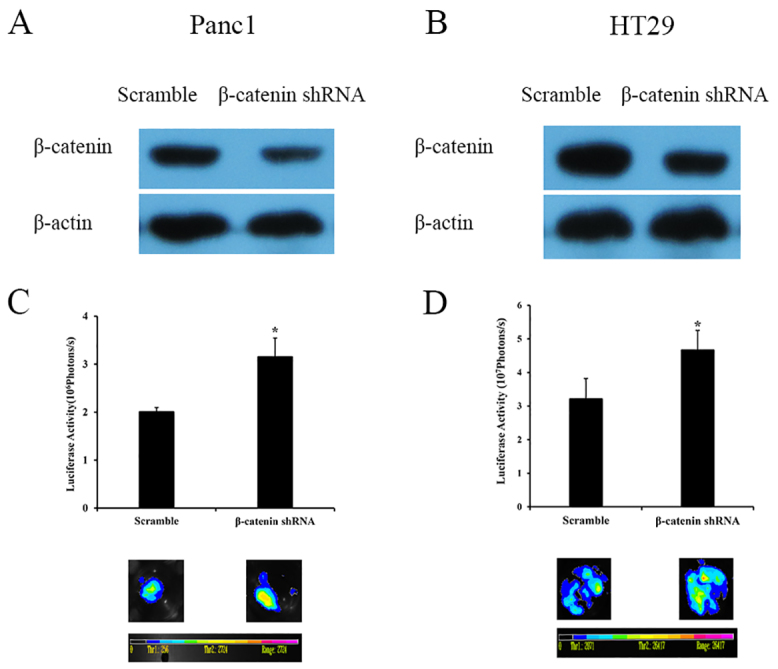
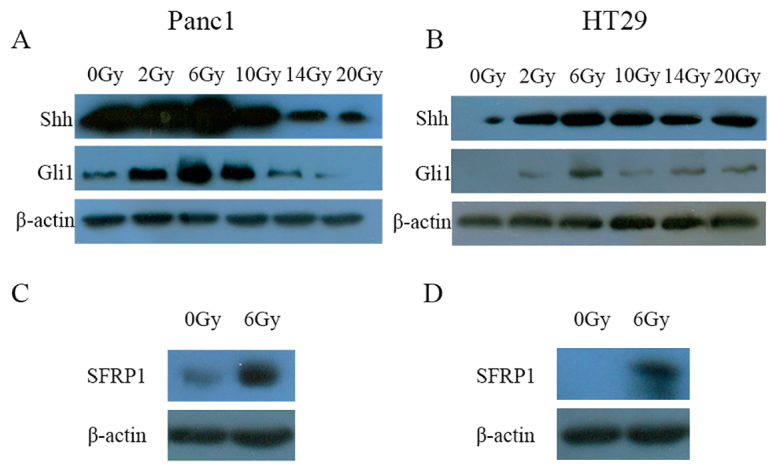
Tumor repopulation after radiotherapy is a big obstacle for clinical cancer therapy. The molecular mechanisms of tumor cell repopulation after radiotherapy remain unclear. This study investigated the role of sonic hedgehog (SHH) and Wnt signaling pathways in tumor repopulation after radiotherapy in an in vitro repopulation model. In this model, irradiated dying tumor cells functioned as feeder cells, whereas luciferase-labeled living tumor cells acted as reporter cells. Proliferation of reporter cells was measured by bioluminescence imaging. Results showed that irradiated dying HT29 and Panc1 tumor cells significantly stimulated the repopulation of living cells in their respective cultures. In HT29 and Panc1 cells, radiation significantly inhibited Wnt activity. In the irradiated dying HT29 and Panc1 cells, the level of the activated nuclear β-catenin was significantly decreased. Treatment with the Wnt agonist 68166 significantly decreased, whereas treatment with Wnt antagonist significantly increased, repopulation in HT29 and Panc1 tumor cells in a dose-dependent manner. β-catenin short-hairpin RNA (shRNA) also significantly promoted tumor cell repopulation. The level of secreted frizzled related protein-1 (SFRP1), hedgehog and Gli1 were increased in irradiated cells. Our results highlight the interaction between Wnt and SHH signaling pathways in dying tumor cells and suggest that downregulation of Wnt signaling after SHH activation is negatively associated with tumor repopulation.
放疗后肿瘤再增殖是临床癌症治疗的一大障碍。放疗后肿瘤细胞再增殖的分子机制仍不清楚。本研究在体外再增殖模型中研究了音猬因子(SHH)和Wnt信号通路在放疗后肿瘤再增殖中的作用。在该模型中,受照射的濒死肿瘤细胞作为饲养细胞,而荧光素酶标记的活肿瘤细胞作为报告细胞。通过生物发光成像测量报告细胞的增殖。结果表明,受照射的濒死HT29和Panc1肿瘤细胞显著刺激了各自培养物中活细胞的再增殖。在HT29和Panc1细胞中,辐射显著抑制Wnt活性。在受照射的濒死HT29和Panc1细胞中,活化的核β-连环蛋白水平显著降低。用Wnt激动剂68166处理显著降低,而用Wnt拮抗剂处理则以剂量依赖方式显著增加HT29和Panc1肿瘤细胞的再增殖。β-连环蛋白短发夹RNA(shRNA)也显著促进肿瘤细胞再增殖。受照射细胞中分泌型卷曲相关蛋白-1(SFRP1)、刺猬因子和Gli1的水平升高。我们的结果突出了濒死肿瘤细胞中Wnt和SHH信号通路之间的相互作用,并表明SHH激活后Wnt信号的下调与肿瘤再增殖呈负相关。