Matsui Shigeyuki, Umezaki Eisaku, Komazawa Daigo, Otsuka Yuichiro, Suda Naoto
Division of Orthodontics, Department of Human Development and Fostering, School of Dentistry, Meikai University, Saitama, Japan.
Department of Mechanical Engineering, Nippon Institute of Technology, Saitama, Japan.
J Dent Biomech. 2015 Feb 26;6:1758736015574401. doi: 10.1177/1758736015574401. eCollection 2015.
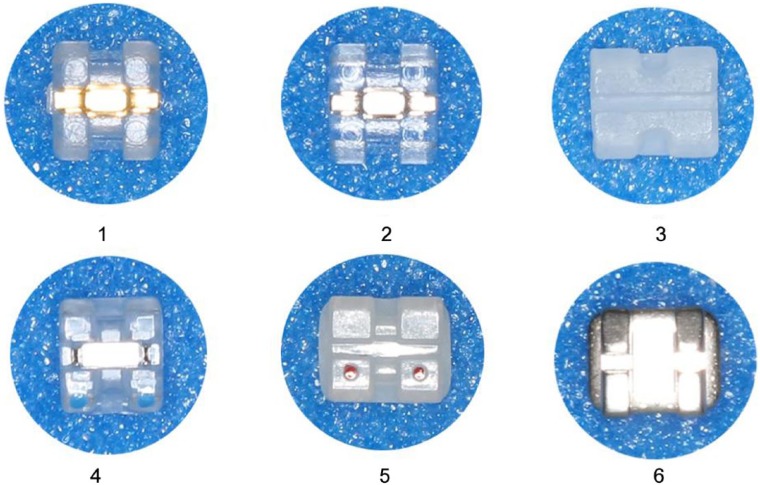
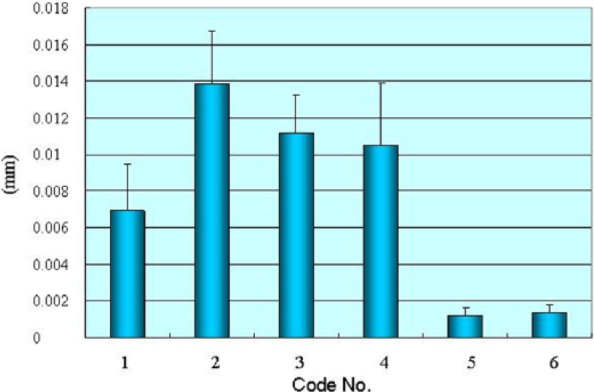
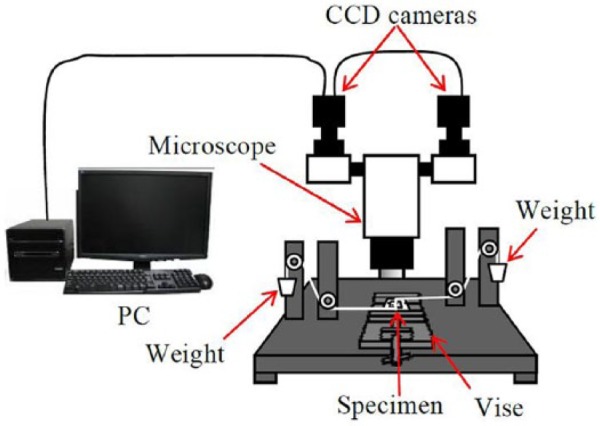
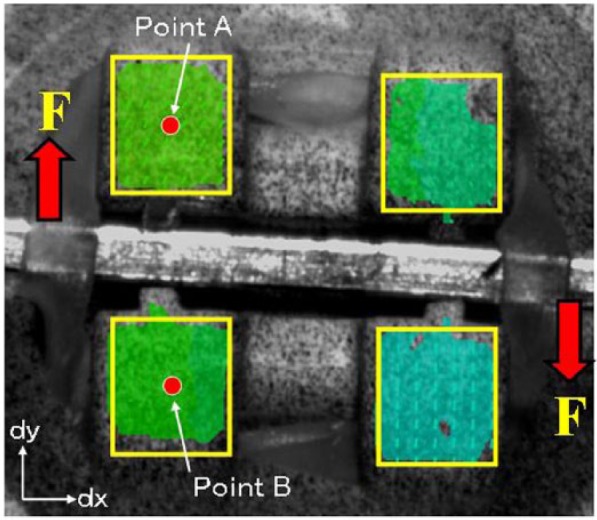
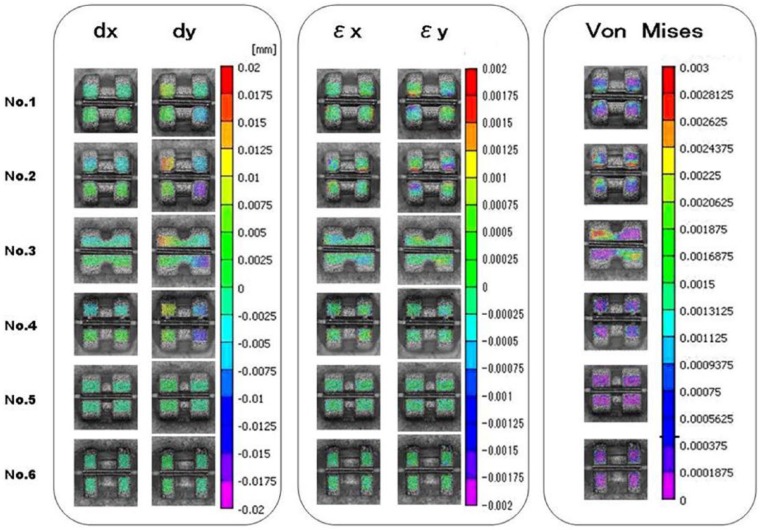
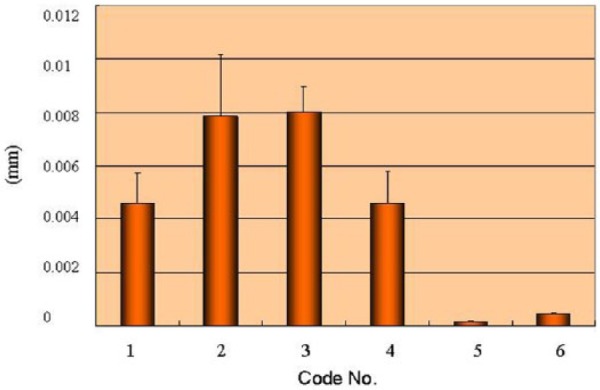
Plastic brackets, as well as ceramic brackets, are used in various cases since they have excellent esthetics. However, their mechanical properties remain uncertain. The purpose of this study was to determine how deformation and stress distribution in esthetic brackets differ among materials under the same wire load. Using the digital image correlation method, we discovered the following: (1) the strain of the wings of plastic brackets is within 0.2% and that of ceramic and metal brackets is negligible, (2) polycarbonate brackets having a stainless steel slot show significantly smaller displacement than other plastic brackets, and (3) there is a significant difference between plastic brackets and ceramic and stainless steel brackets in terms of the displacement of the bracket wing.
塑料托槽和陶瓷托槽因其具有出色的美观性而被用于各种情况。然而,它们的机械性能仍不确定。本研究的目的是确定在相同钢丝载荷下,美观托槽中不同材料的变形和应力分布有何差异。使用数字图像相关方法,我们发现:(1)塑料托槽翼的应变在0.2%以内,陶瓷和金属托槽的应变可忽略不计;(2)带有不锈钢槽的聚碳酸酯托槽的位移明显小于其他塑料托槽;(3)塑料托槽与陶瓷和不锈钢托槽在托槽翼的位移方面存在显著差异。