Li L H, Xiao J, Liu P, Yang G W
State Key Laboratory of Optoelectronic Materials and Technologies, Nanotechnology Research Center, School of Physics &Engineering, Sun Yat-sen University, Guangzhou 510275, Guangdong, P. R. China.
Sci Rep. 2015 Mar 12;5:9028. doi: 10.1038/srep09028.
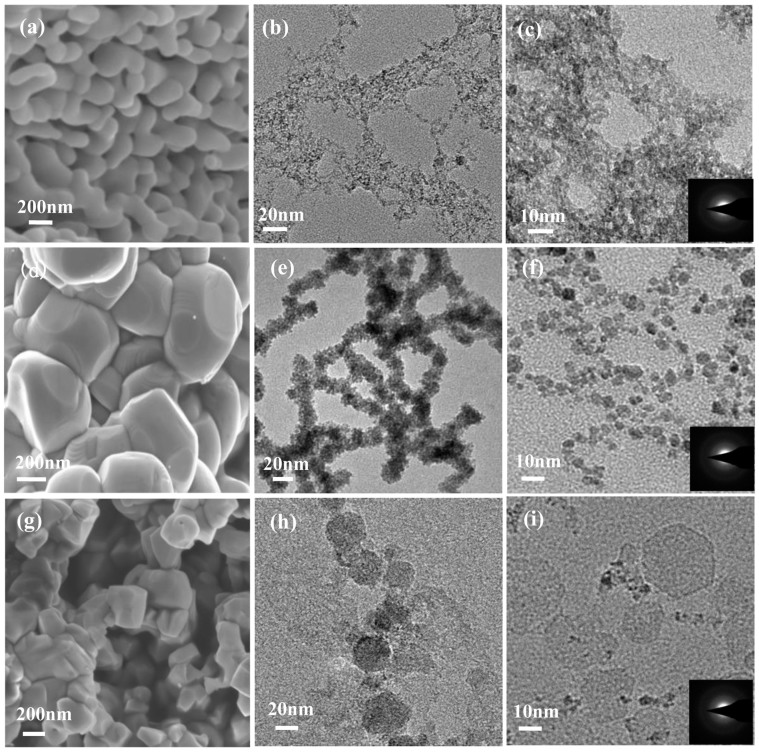
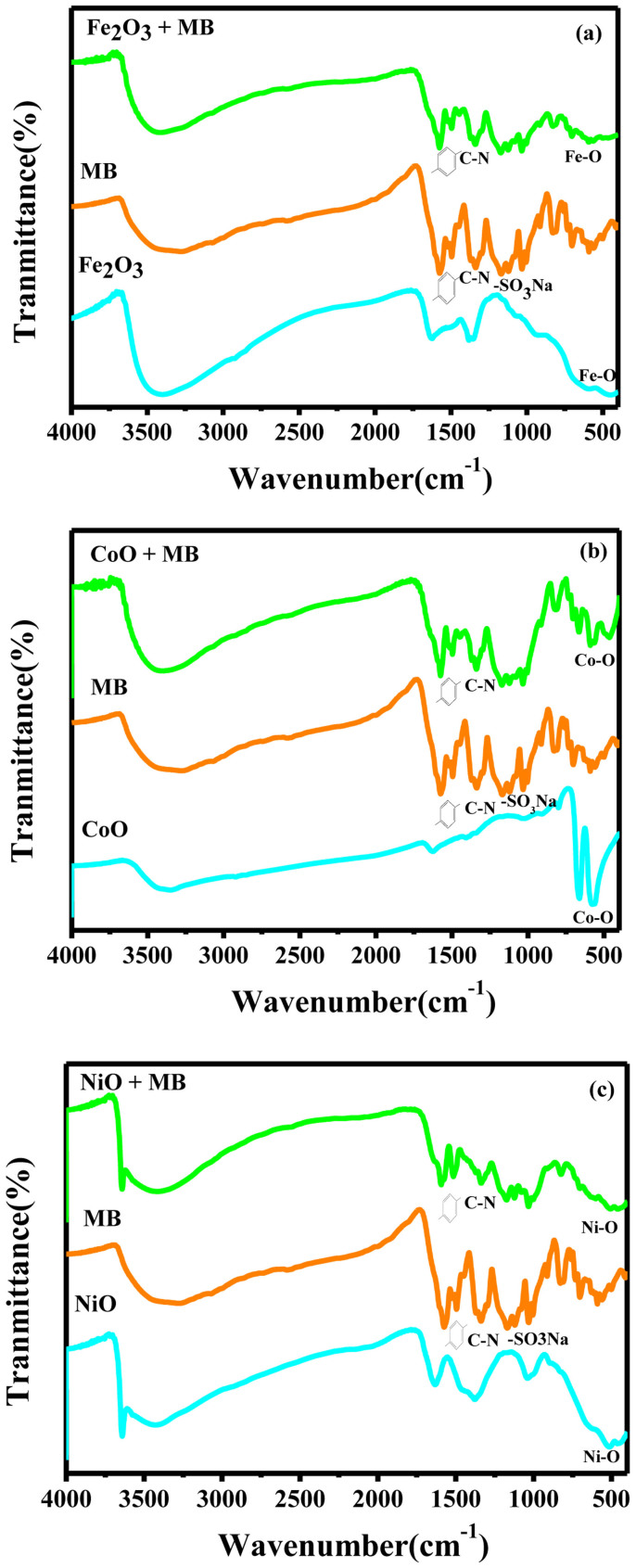
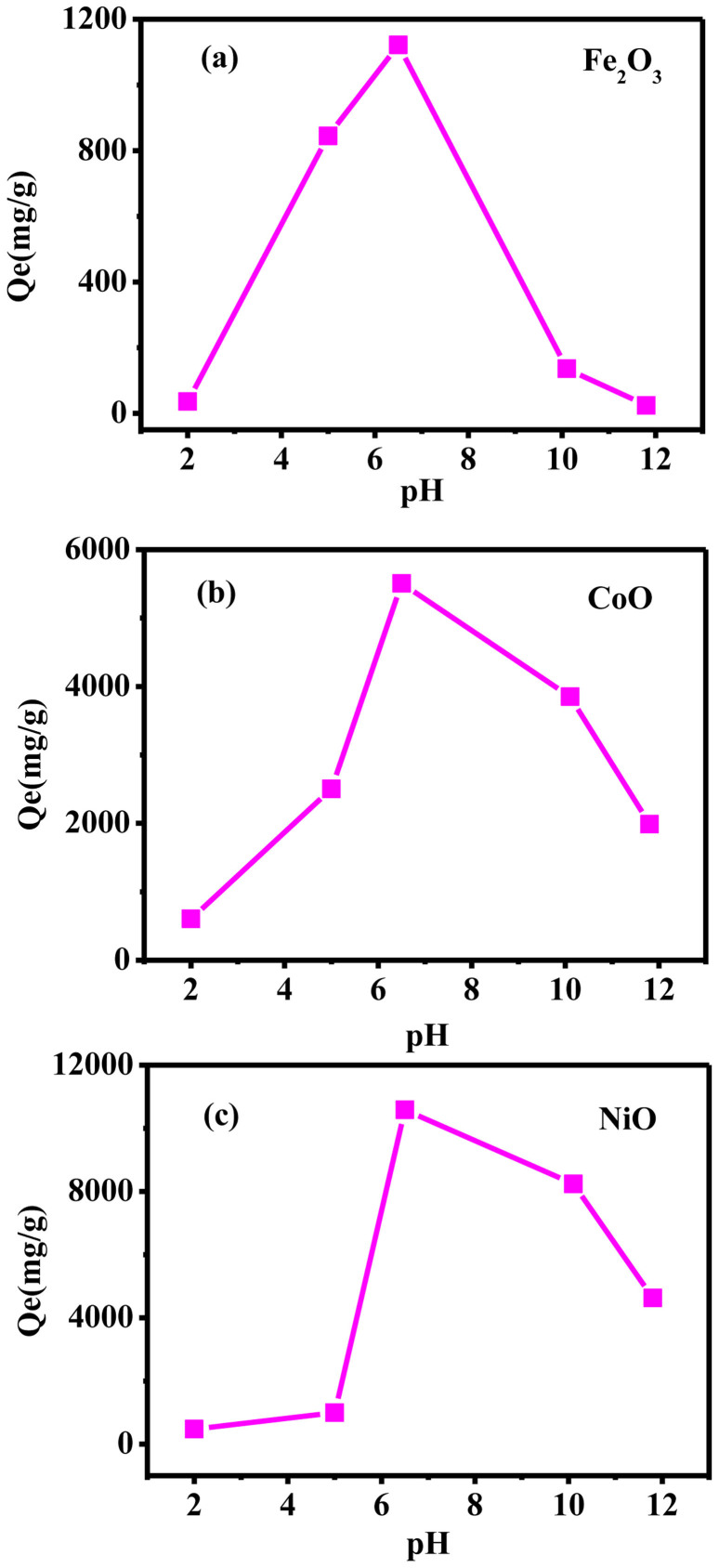
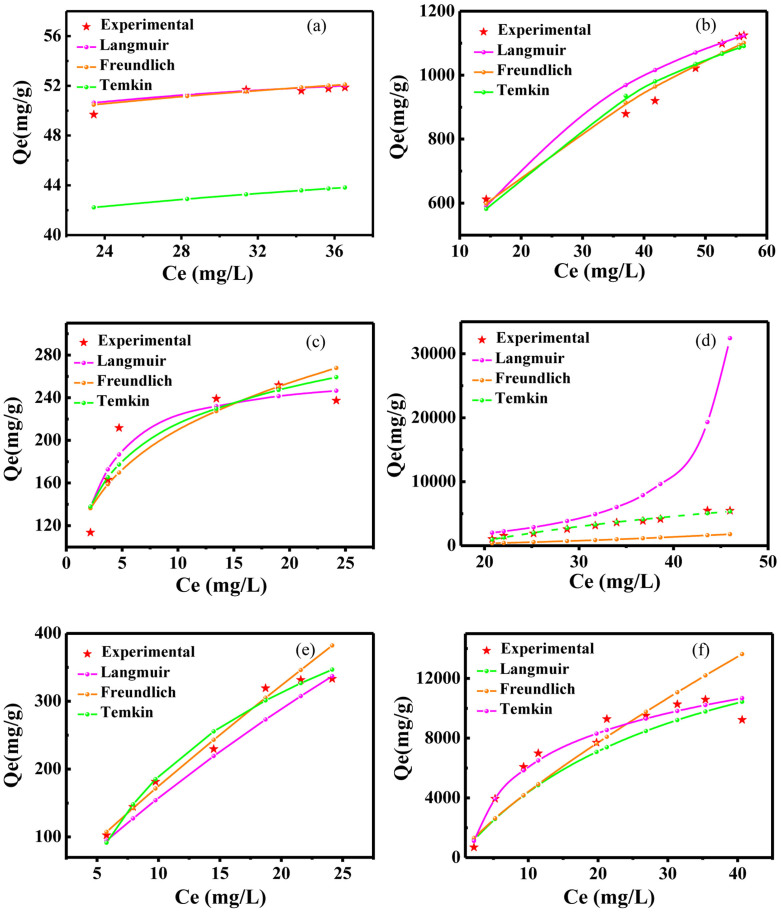
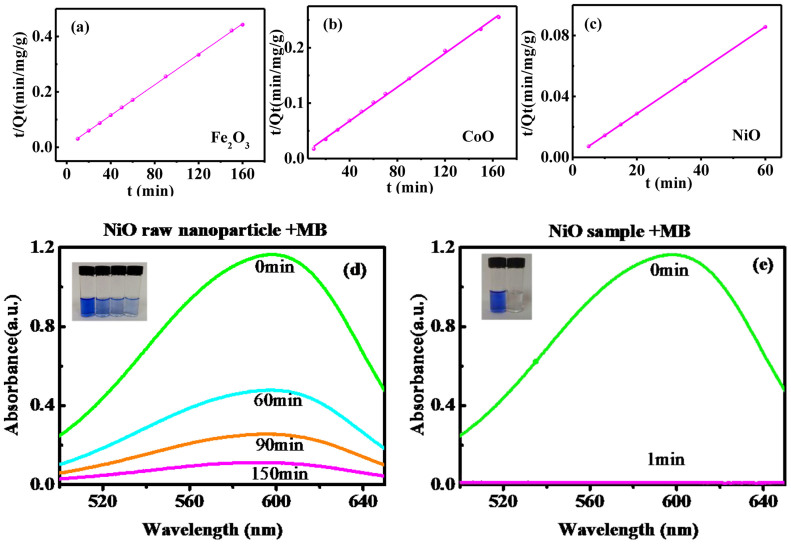
Transitional metal oxide nanoparticles as advanced environment and energy materials require very well absorption performance to apply in practice. Although most metal oxides are based on crystalline, high activities can also be achieved with amorphous phases. Here, we reported the adsorption behavior and mechanism of methyl blue (MB) on the amorphous transitional metal oxide (Fe, Co and Ni oxides) nanoparticles, and we demonstrated that the amorphousization of transitional metal oxide (Fe, Co and Ni oxides) nanoparticles driven by a novel process involving laser irradiation in liquid can create a super adsorption capability for MB, and the maximum adsorption capacity of the fabricated NiO amorphous nanostructure reaches up to 10584.6 mgg(-1), the largest value reported to date for all MB adsorbents. The proof-of-principle investigation of NiO amorphous nanophase demonstrated the broad applicability of this methodology for obtaining new super dyes adsorbents.
过渡金属氧化物纳米颗粒作为先进的环境和能源材料,在实际应用中需要具备非常出色的吸附性能。尽管大多数金属氧化物是基于晶体的,但非晶相也能实现高活性。在此,我们报道了甲基蓝(MB)在非晶态过渡金属氧化物(铁、钴和镍氧化物)纳米颗粒上的吸附行为及机理,并且我们证明了通过一种涉及液体中激光辐照的新方法驱动过渡金属氧化物(铁、钴和镍氧化物)纳米颗粒非晶化,能够产生对MB的超强吸附能力,所制备的NiO非晶态纳米结构的最大吸附容量高达10584.6 mg g⁻¹,这是迄今为止所有MB吸附剂报道的最大值。对NiO非晶纳米相的原理验证研究证明了该方法在获得新型超级染料吸附剂方面具有广泛的适用性。