Chia Min-Yuan, Hu Alan Yung-Chih, Tseng Yu-Fen, Weng Tsai-Chuan, Lai Chia-Chun, Lin Jun-Yang, Chen Po-Ling, Wang Ya-Fang, Chao Sin-Ru, Chang Jui-Yuan, Hwang Yi-Shiuh, Yeh Chia-Tsui, Yu Cheng-Ping, Chen Yee-Chun, Su Ih-Jen, Lee Min-Shi
National Institute of Infectious Diseases and Vaccinology, National Health Research Institutes, Zhunan, Taiwan.
Institute of Preventive Medicine, National Defense Medical Center, Taipei, Taiwan.
PLoS One. 2015 Mar 23;10(3):e0120793. doi: 10.1371/journal.pone.0120793. eCollection 2015.
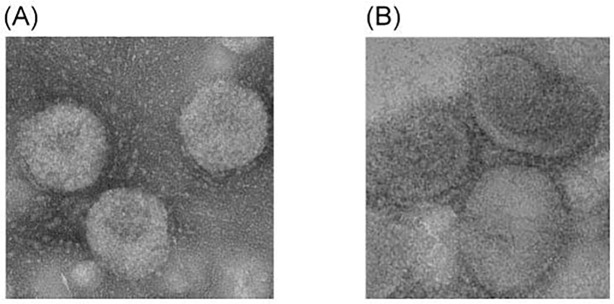
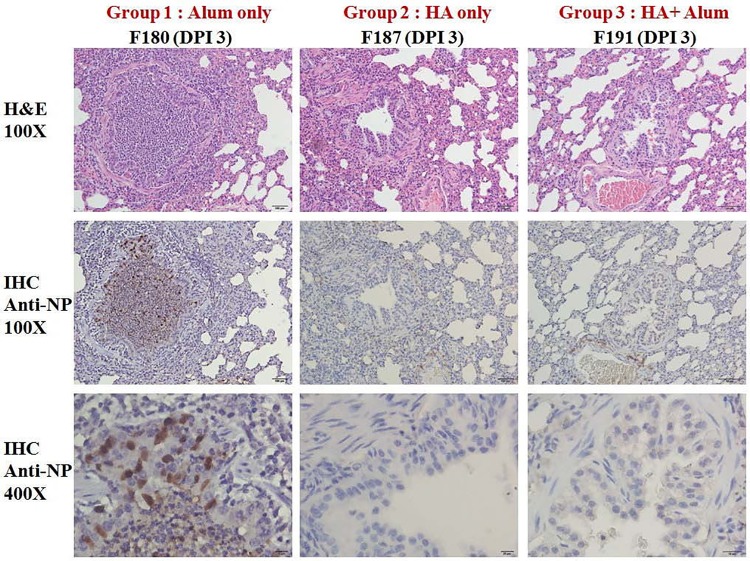
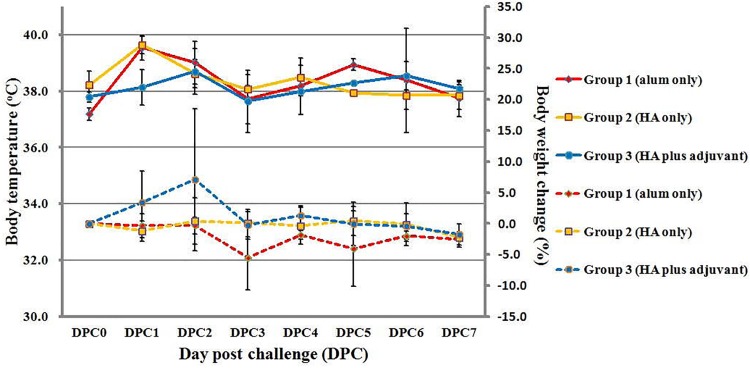
Avian-origin influenza A (H7N9) viruses emerged as human pathogens in China in early 2013 and have killed >100 persons. Influenza vaccines are mainly manufactured using egg-based technology which could not meet the surging demand during influenza pandemics. In this study, we evaluated cell-based influenza H7N9 vaccines in ferrets. An egg-derived influenza H7N9 reassortant vaccine virus was adapted in MDCK cells. Influenza H7N9 whole virus vaccine antigen was manufactured using a microcarrier-based culture system. Immunogenicity and protection of the vaccine candidates with three different formulations (300 μg aluminum hydroxide, 1.5 μg HA, and 1.5 μg HA plus 300 μg aluminum hydroxide) were evaluated in ferrets. In ferrets receiving two doses of vaccination, geometric mean titers of hemagglutination (HA) inhibition and neutralizing antibodies were <10 and <40 for the control group (adjuvant only), 17 and 80 for the unadjuvanted (HA only) group, and 190 and 640 for the adjuvanted group (HA plus adjuvant), respectively. After challenge with wild-type influenza H7N9 viruses, virus titers in respiratory tracts of the adjuvanted group were significantly lower than that in the control, and unadjuvanted groups. MDCK cell-derived influenza H7N9 whole virus vaccine candidate is immunogenic and protective in ferrets and clinical development is highly warranted.
甲型H7N9禽流感病毒于2013年初在中国作为人类病原体出现,已导致100多人死亡。流感疫苗主要采用基于鸡蛋的技术生产,在流感大流行期间无法满足激增的需求。在本研究中,我们在雪貂身上评估了基于细胞的H7N9流感疫苗。一种源自鸡蛋的H7N9流感重组疫苗病毒在MDCK细胞中进行了适应性培养。H7N9流感全病毒疫苗抗原采用基于微载体的培养系统生产。在雪貂身上评估了三种不同配方(300μg氢氧化铝、1.5μg血凝素(HA)以及1.5μg HA加300μg氢氧化铝)候选疫苗的免疫原性和保护作用。在接受两剂疫苗接种的雪貂中,对照组(仅含佐剂)的血凝抑制(HA)几何平均滴度和中和抗体几何平均滴度分别<10和<40,无佐剂组(仅含HA)分别为17和80,佐剂组(HA加佐剂)分别为190和640。在用野生型H7N9流感病毒攻击后,佐剂组呼吸道中的病毒滴度显著低于对照组和无佐剂组。源自MDCK细胞的H7N9流感全病毒候选疫苗在雪貂中具有免疫原性和保护作用,非常有必要进行临床开发。