Li Qing, Suzuki Masako, Wendt Jennifer, Patterson Nicole, Eichten Steven R, Hermanson Peter J, Green Dawn, Jeddeloh Jeffrey, Richmond Todd, Rosenbaum Heidi, Burgess Daniel, Springer Nathan M, Greally John M
Department of Plant Biology, University of Minnesota, 1445 Gortner Ave, Saint Paul, MN 55108, USA.
Center for Epigenomics and Division of Computational Genetics, Department of Genetics, Albert Einstein College of Medicine, 1301 Morris Park Avenue, Bronx, NY 10461, USA.
Nucleic Acids Res. 2015 Jul 13;43(12):e81. doi: 10.1093/nar/gkv244. Epub 2015 Mar 26.
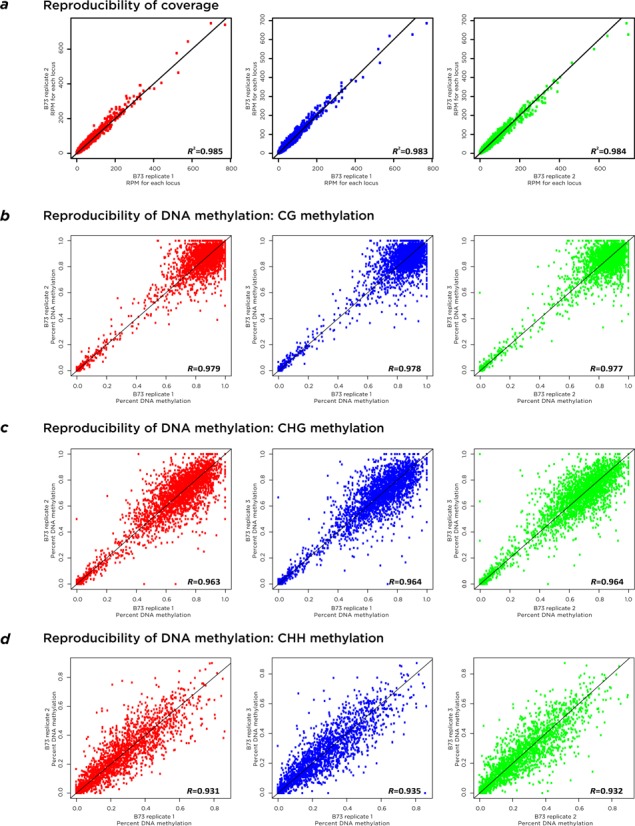
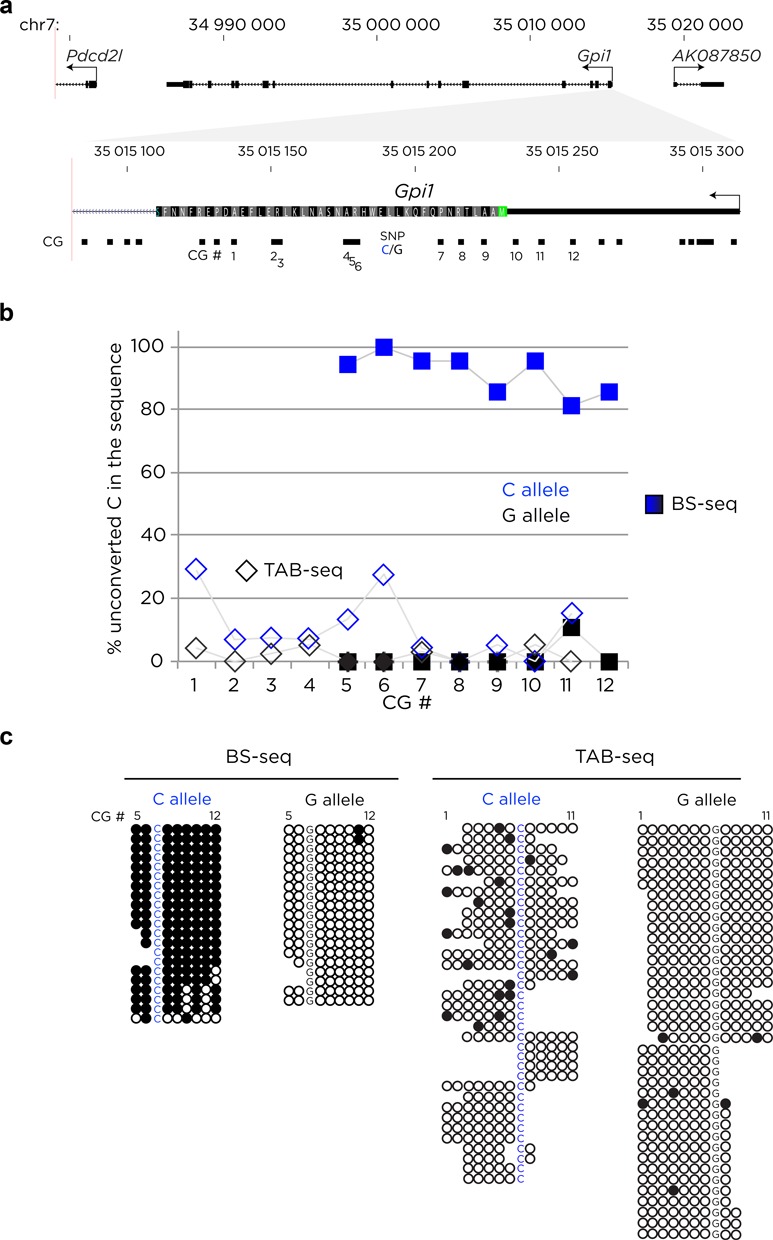
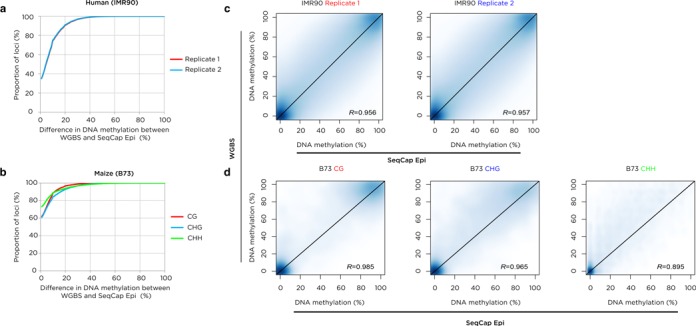
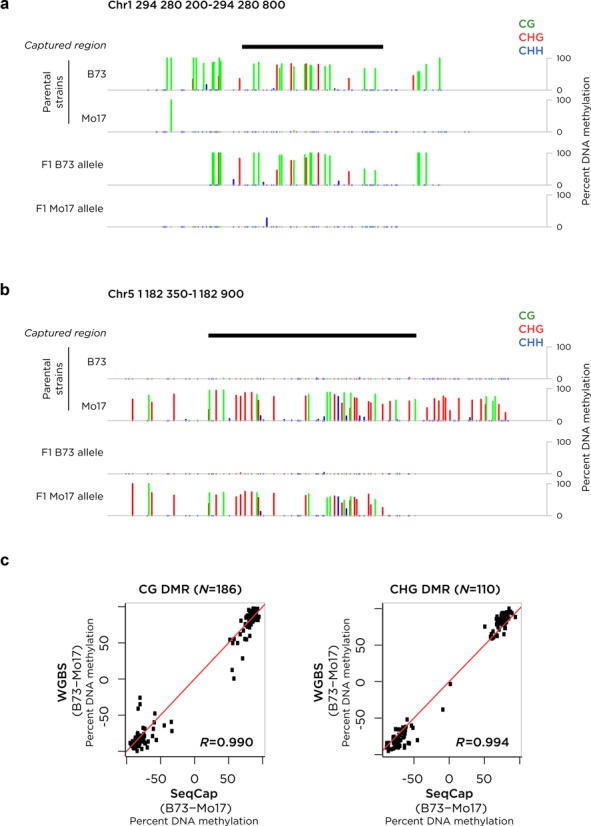
We present a capture-based approach for bisulfite-converted DNA that allows interrogation of pre-defined genomic locations, allowing quantitative and qualitative assessments of 5-methylcytosine (5mC) and 5-hydroxymethylcytosine (5hmC) at CG dinucleotides and in non-CG contexts (CHG, CHH) in mammalian and plant genomes. We show the technique works robustly and reproducibly using as little as 500 ng of starting DNA, with results correlating well with whole genome bisulfite sequencing data, and demonstrate that human DNA can be tested in samples contaminated with microbial DNA. This targeting approach will allow cell type-specific designs to maximize the value of 5mC and 5hmC sequencing.
我们提出了一种针对亚硫酸氢盐转化DNA的捕获方法,该方法能够对预定义的基因组位置进行检测,从而对哺乳动物和植物基因组中CG二核苷酸以及非CG背景(CHG、CHH)下的5-甲基胞嘧啶(5mC)和5-羟甲基胞嘧啶(5hmC)进行定量和定性评估。我们表明,该技术使用低至500 ng的起始DNA就能稳健且可重复地发挥作用,其结果与全基因组亚硫酸氢盐测序数据高度相关,并且证明了人类DNA可在受微生物DNA污染的样本中进行检测。这种靶向方法将允许进行细胞类型特异性设计,以最大化5mC和5hmC测序的价值。