Bruinsma Bote G, Wu Wilson, Ozer Sinan, Farmer Adam, Markmann James F, Yeh Heidi, Uygun Korkut
Center for Engineering in Medicine, Department of Surgery, Massachusetts General Hospital/ Harvard Medical School, Boston, Massachusetts, United States; Department of Surgery (Surgical Laboratory), Academic Medical Center, University of Amsterdam, Amsterdam, the Netherlands.
Center for Engineering in Medicine, Department of Surgery, Massachusetts General Hospital/ Harvard Medical School, Boston, Massachusetts, United States.
PLoS One. 2015 Mar 30;10(3):e0123421. doi: 10.1371/journal.pone.0123421. eCollection 2015.
Liver transplantation plays a pivotal role in the treatment of patients with end-stage liver disease. Despite excellent outcomes, the field is strained by a severe shortage of viable liver grafts. To meet high demands, attempts are made to increase the use of suboptimal livers by both pretransplant recovery and assessment of donor livers. Here we aim to assess hepatic injury in the measurement of routine markers in the post-ischemic flush effluent of discarded human liver with a wide warm ischemic range.
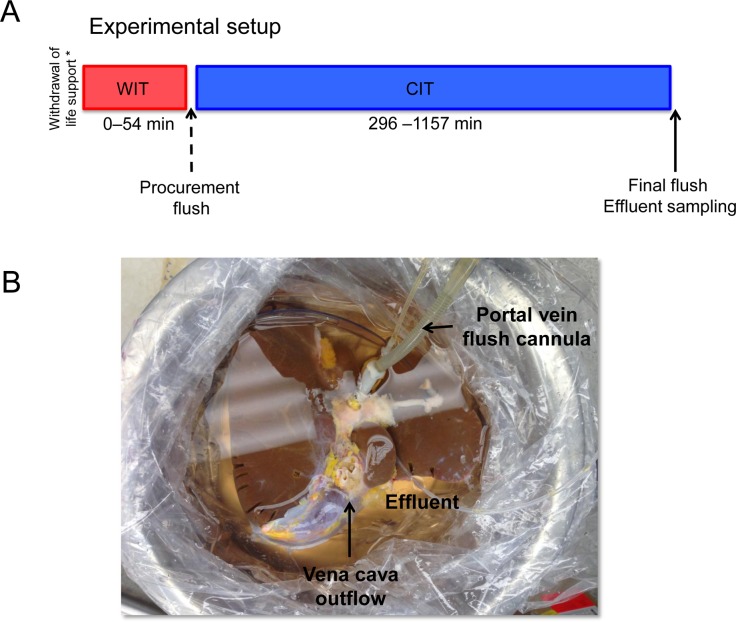
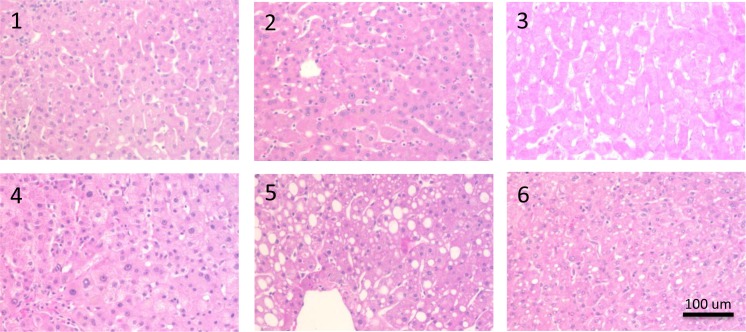
Six human livers discarded for transplantation with variable warm and cold ischemia times were flushed at the end of preservation. The liver grafts were flushed with NaCl or Lactated Ringer's, 2 L through the portal vein and 1 L through the hepatic artery. The vena caval effluent was sampled and analyzed for biochemical markers of injury; lactate dehydrogenase (LDH), alanine transaminase (ALT), and alkaline phosphatase (ALP). Liver tissue biopsies were analyzed for ATP content and histologically (H&E) examined.
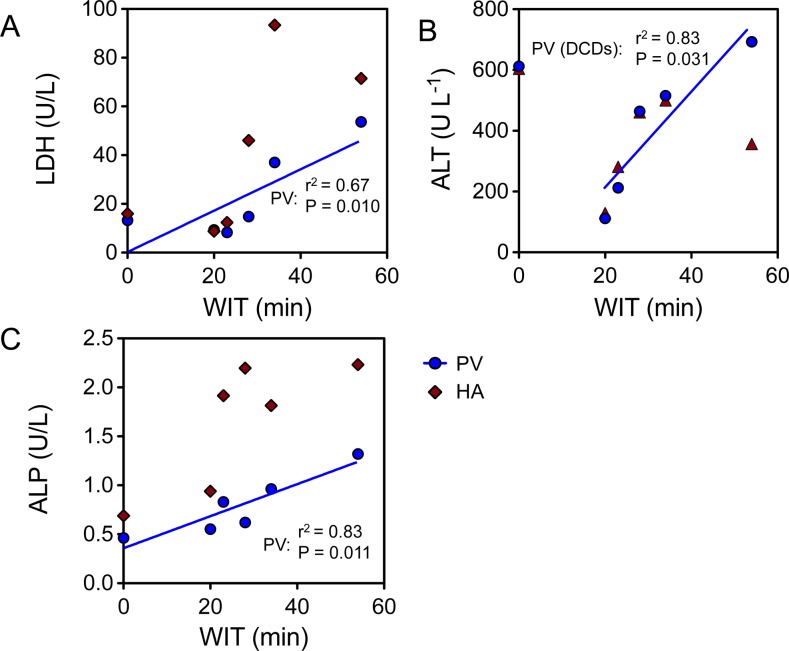
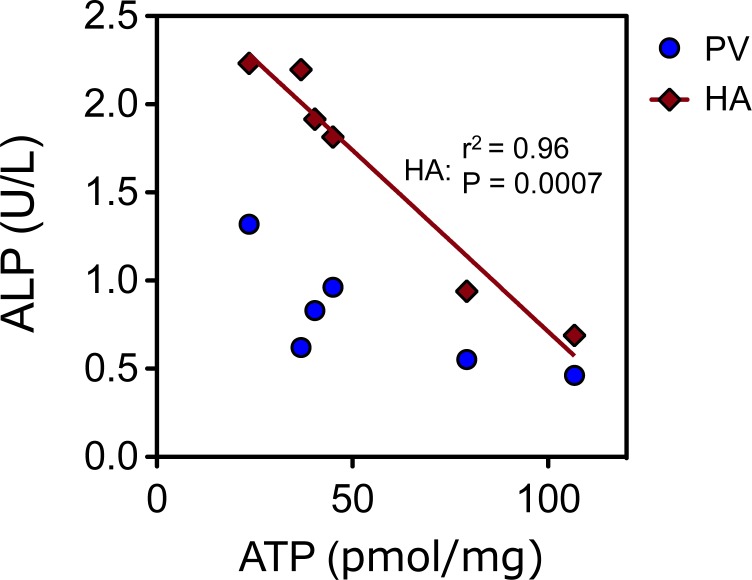
The duration of warm ischemia in the six livers correlated significantly to the concentration of LDH, ALT, and ALP in the effluent from the portal vein flush. No correlation was found with cold ischemia time. Tissue ATP content at the end of preservation correlated very strongly with the concentration of ALP in the arterial effluent (P<0.0007, R2 = 0.96).
Biochemical injury markers released during the cold preservation period were reflective of the duration of warm ischemic injury sustained prior to release of the markers, as well as the hepatic energy status. As such, assessment of the flush effluent at the end of cold preservation may be a useful tool in evaluating suboptimal livers prior to transplantation, particularly in situations with undeterminable ischemic durations.
肝移植在终末期肝病患者的治疗中起着关键作用。尽管治疗效果良好,但该领域因可用肝移植供体严重短缺而面临压力。为了满足高需求,人们试图通过移植前对供肝的恢复和评估来增加次优肝脏的使用。在此,我们旨在评估在广泛的热缺血范围内,对废弃人肝脏缺血后冲洗流出液中的常规标志物进行测量时的肝损伤情况。
对6个因移植而废弃的人肝脏进行保存,在保存结束时进行冲洗,热缺血和冷缺血时间各不相同。通过门静脉用2升氯化钠或乳酸林格氏液冲洗肝移植供体,通过肝动脉用1升冲洗。采集腔静脉流出液样本,分析损伤的生化标志物;乳酸脱氢酶(LDH)、丙氨酸转氨酶(ALT)和碱性磷酸酶(ALP)。对肝组织活检样本进行ATP含量分析,并进行组织学(苏木精和伊红染色)检查。
6个肝脏的热缺血持续时间与门静脉冲洗流出液中LDH、ALT和ALP的浓度显著相关。未发现与冷缺血时间相关。保存结束时组织ATP含量与动脉流出液中ALP的浓度密切相关(P<0.0007,R2 = 0.96)。
冷保存期间释放的生化损伤标志物反映了标志物释放前持续的热缺血损伤持续时间以及肝脏能量状态。因此,在冷保存结束时评估冲洗流出液可能是移植前评估次优肝脏的有用工具,特别是在缺血持续时间无法确定的情况下。