Tesio Melania, Tang Yilang, Müdder Katja, Saini Massimo, von Paleske Lisa, Macintyre Elizabeth, Pasparakis Manolis, Waisman Ari, Trumpp Andreas
Division of Stem Cells and Cancer, German Cancer Research Center (DKFZ), 69120 Heidelberg, Germany Heidelberg Institute for Stem Cell Technology and Experimental Medicine (HI-STEM gGmbH), 69120 Heidelberg, Germany.
Institute for Molecular Medicine, University Medical Center of the Johannes Gutenberg University of Mainz, 55131 Mainz, Germany.
J Exp Med. 2015 Apr 6;212(4):525-38. doi: 10.1084/jem.20141438. Epub 2015 Mar 30.
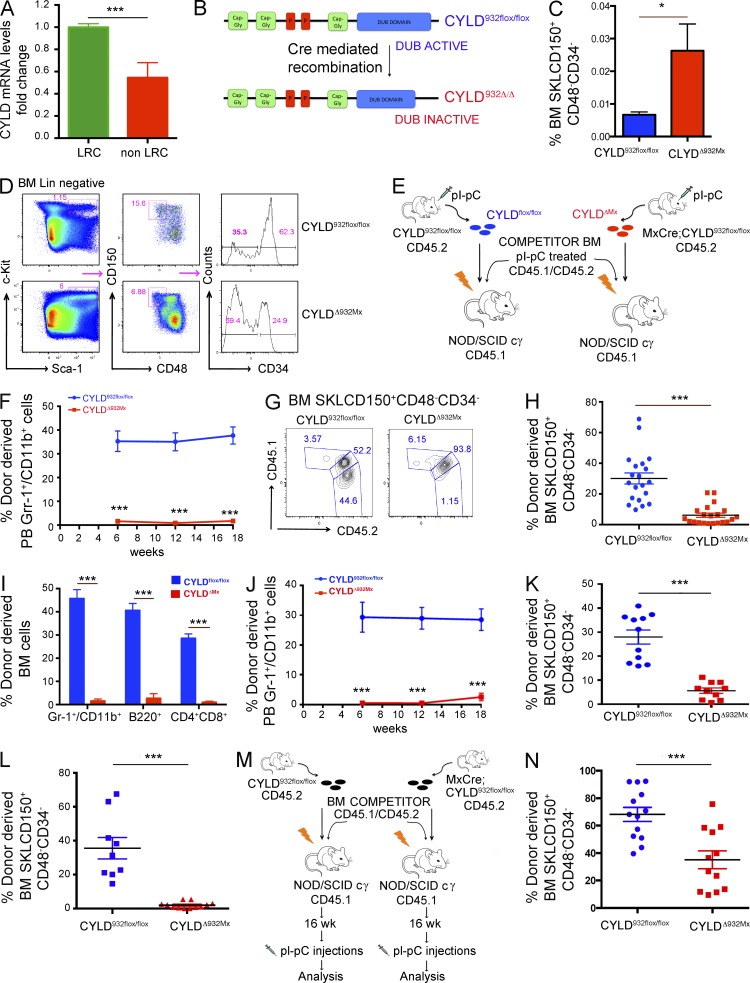
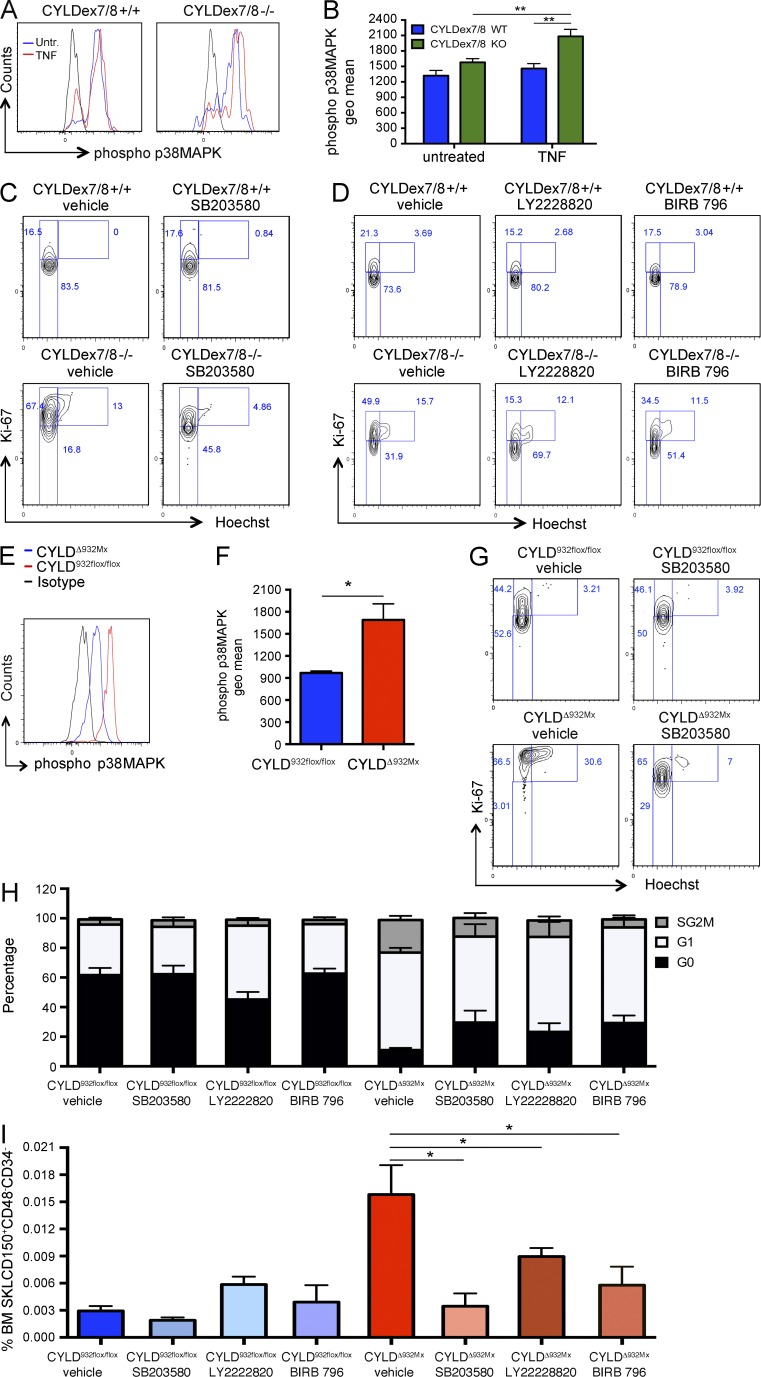
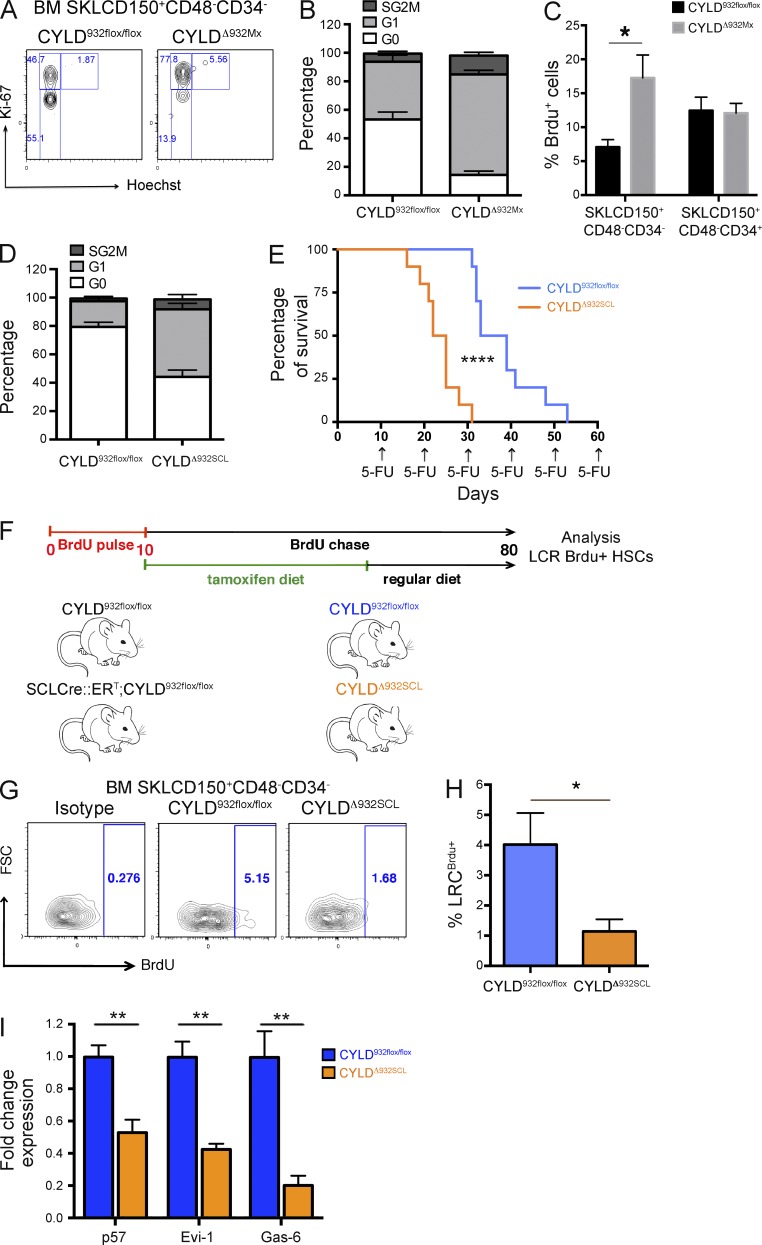
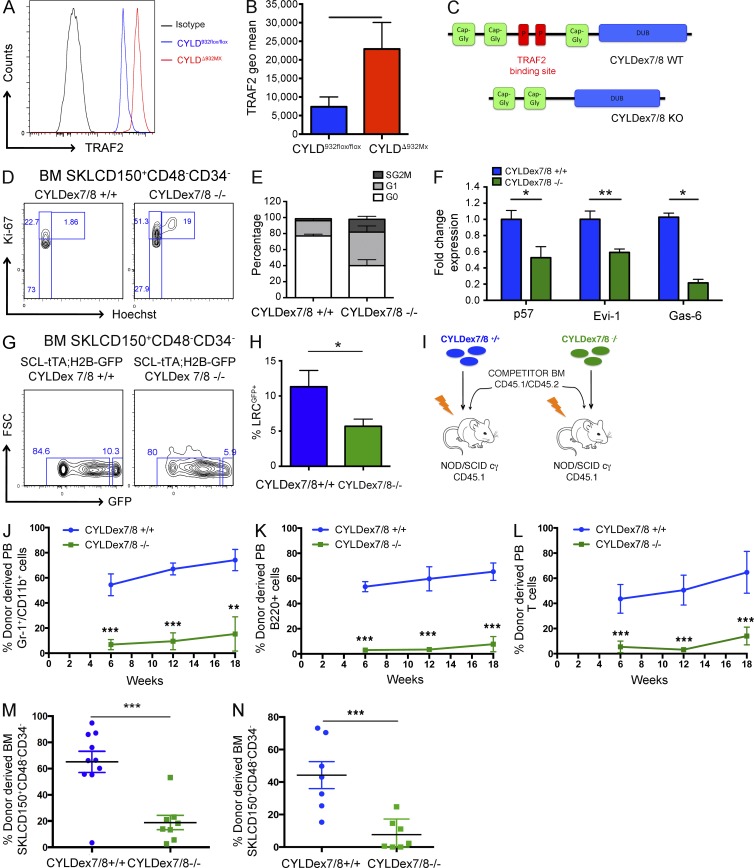
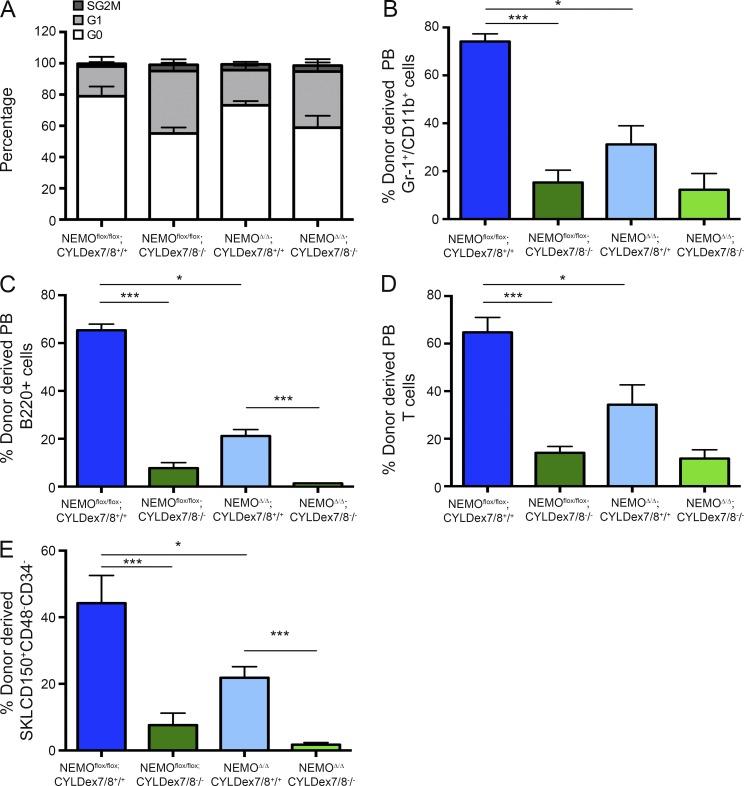
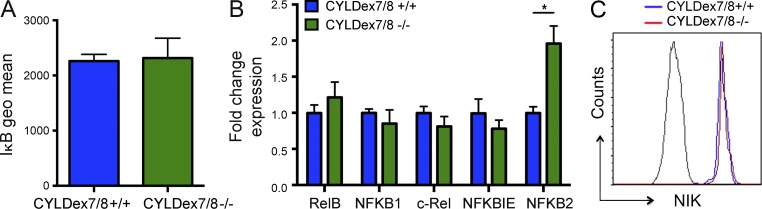
The status of long-term quiescence and dormancy guarantees the integrity of hematopoietic stem cells (HSCs) during adult homeostasis. However the molecular mechanisms regulating HSC dormancy remain poorly understood. Here we show that cylindromatosis (CYLD), a tumor suppressor gene and negative regulator of NF-κB signaling with deubiquitinase activity, is highly expressed in label-retaining dormant HSCs (dHSCs). Moreover, Cre-mediated conditional elimination of the catalytic domain of CYLD induced dHSCs to exit quiescence and abrogated their repopulation and self-renewal potential. This phenotype is dependent on the interactions between CYLD and its substrate TRAF2 (tumor necrosis factor-associated factor 2). HSCs expressing a mutant CYLD with an intact catalytic domain, but unable to bind TRAF2, showed the same HSC phenotype. Unexpectedly, the robust cycling of HSCs lacking functional CYLD-TRAF2 interactions was not elicited by increased NF-κB signaling, but instead by increased activation of the p38MAPK pathway. Pharmacological inhibition of p38MAPK rescued the phenotype of CYLD loss, identifying the CYLD-TRAF2-p38MAPK pathway as a novel important regulator of HSC function restricting HSC cycling and promoting dormancy.
长期静止和休眠状态确保了成年稳态期间造血干细胞(HSC)的完整性。然而,调节HSC休眠的分子机制仍知之甚少。在此,我们表明,圆柱瘤蛋白(CYLD),一种具有去泛素酶活性的肿瘤抑制基因和NF-κB信号的负调节因子,在标记保留的休眠HSC(dHSC)中高度表达。此外,Cre介导的CYLD催化结构域的条件性消除诱导dHSC退出静止状态,并消除了它们的再增殖和自我更新潜力。这种表型取决于CYLD与其底物TRAF2(肿瘤坏死因子相关因子2)之间的相互作用。表达具有完整催化结构域但无法结合TRAF2的突变型CYLD的HSC表现出相同的HSC表型。出乎意料的是,缺乏功能性CYLD-TRAF2相互作用的HSC的强劲循环不是由NF-κB信号增加引起的,而是由p38MAPK途径的激活增加引起的。p38MAPK的药理学抑制挽救了CYLD缺失的表型,确定CYLD-TRAF2-p38MAPK途径是限制HSC循环和促进休眠的HSC功能的新型重要调节因子。