Nomura Alice, Banerjee Sulagna, Chugh Rohit, Dudeja Vikas, Yamamoto Masato, Vickers Selwyn M, Saluja Ashok K
Division of Basic and Translational Research, Department of Surgery, University of Minnesota, Minneapolis, MN, USA.
Oncotarget. 2015 Apr 10;6(10):8313-22. doi: 10.18632/oncotarget.3228.
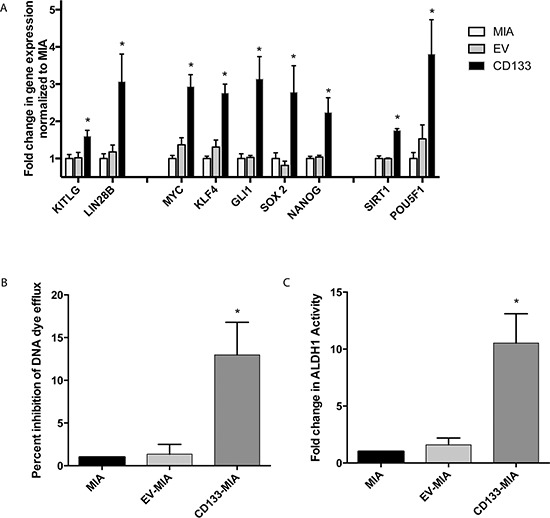
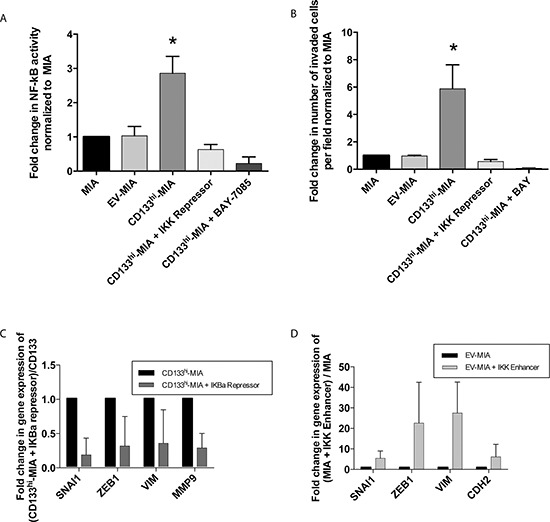
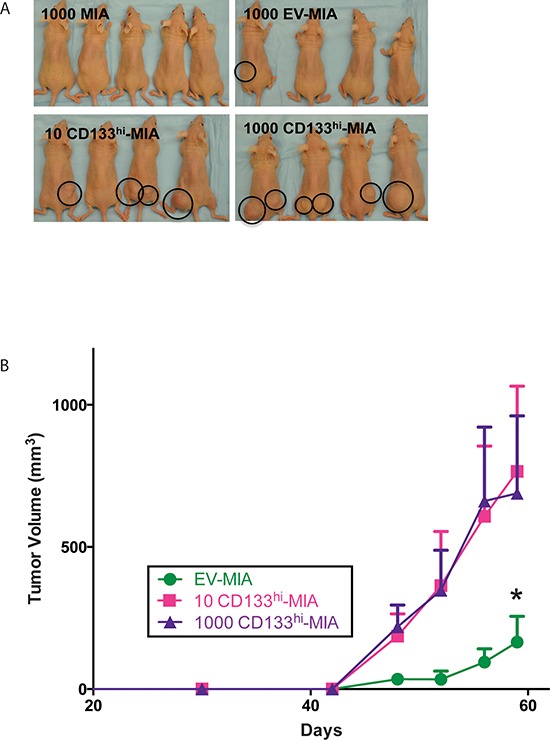
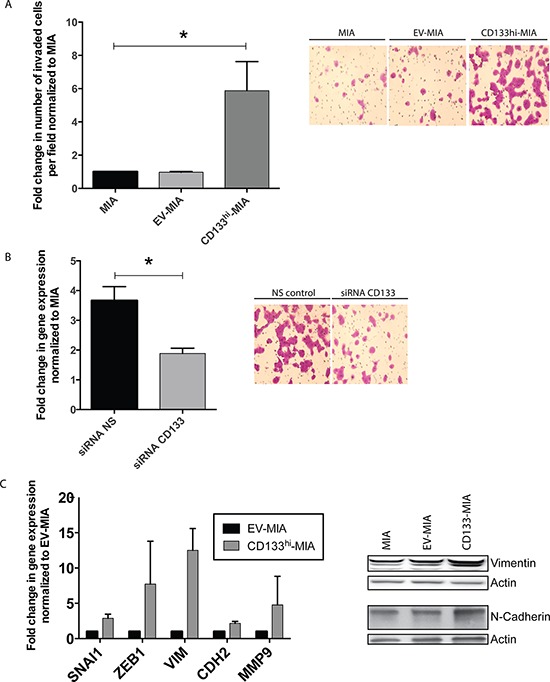
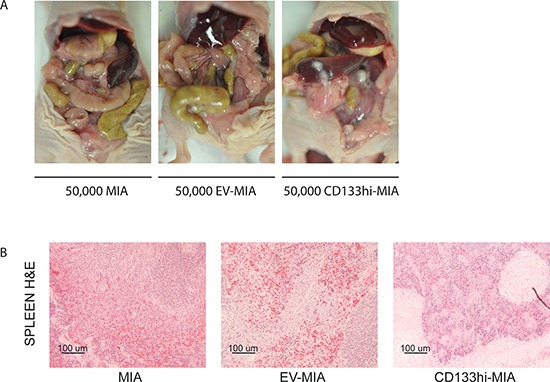
CD133 has been implicated as a cancer stem cell (CSC) surface marker in several malignancies including pancreatic cancer. However, the functional role of this surface glycoprotein in the cancer stem cell remains elusive. In this study, we determined that CD133 overexpression induced "stemness" properties in MIA-PaCa2 cells along with increased tumorigenicity, tumor progression, and metastasis in vivo. Additionally, CD133 expression induced epithelial-mesenchymal transition (EMT) and increased in vitro invasion. EMT induction and increased invasiveness were mediated by NF-κB activation, as inhibition of NF-κB mitigated these effects. This study showed that CD133 expression contributes to pancreatic cancer "stemness," tumorigenicity, EMT induction, invasion, and metastasis.
CD133已被认为是包括胰腺癌在内的多种恶性肿瘤中癌症干细胞(CSC)的表面标志物。然而,这种表面糖蛋白在癌症干细胞中的功能作用仍不清楚。在本研究中,我们确定CD133过表达诱导MIA-PaCa2细胞出现“干性”特性,同时在体内增加致瘤性、肿瘤进展和转移。此外,CD133表达诱导上皮-间质转化(EMT)并增加体外侵袭能力。EMT诱导和侵袭性增加是由NF-κB激活介导的,因为抑制NF-κB可减轻这些作用。本研究表明,CD133表达有助于胰腺癌的“干性”、致瘤性、EMT诱导、侵袭和转移。