Zhang Chengke, Zhai Shumei, Wu Ling, Bai Yuhong, Jia Jianbo, Zhang Yi, Zhang Bin, Yan Bing
School of Chemistry and Chemical Engineering, Shandong University, Jinan, China.
PLoS One. 2015 Apr 7;10(4):e0122591. doi: 10.1371/journal.pone.0122591. eCollection 2015.
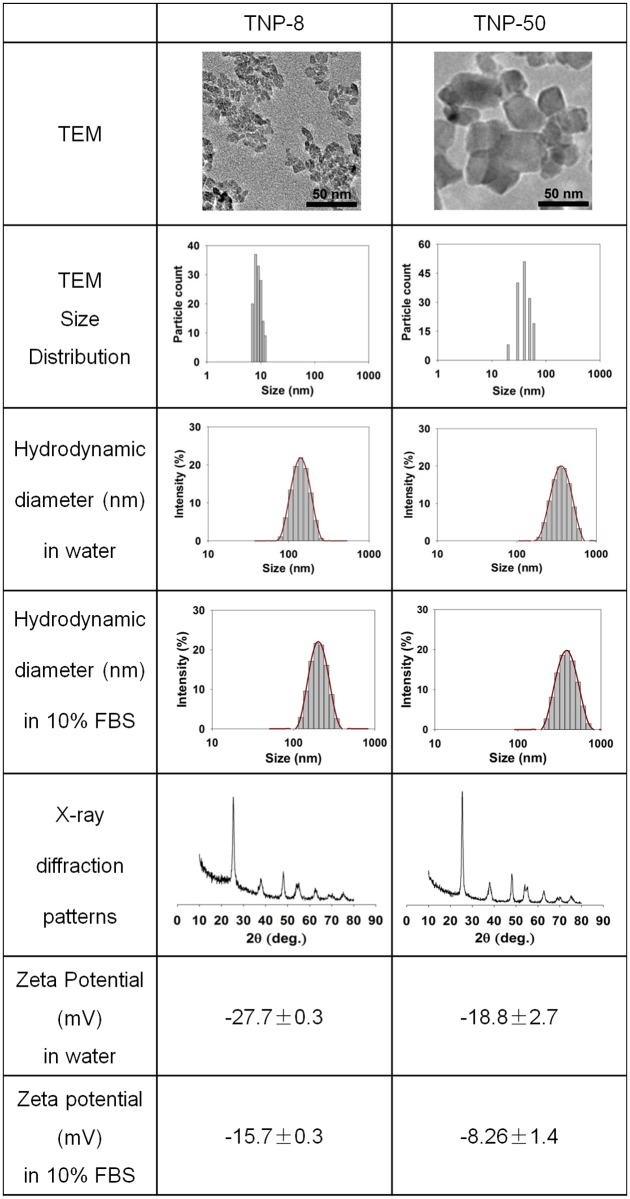
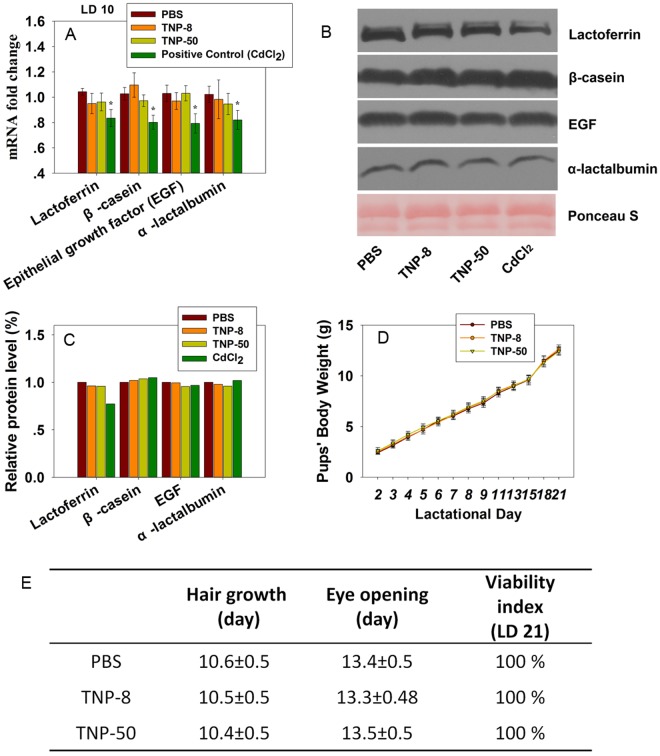
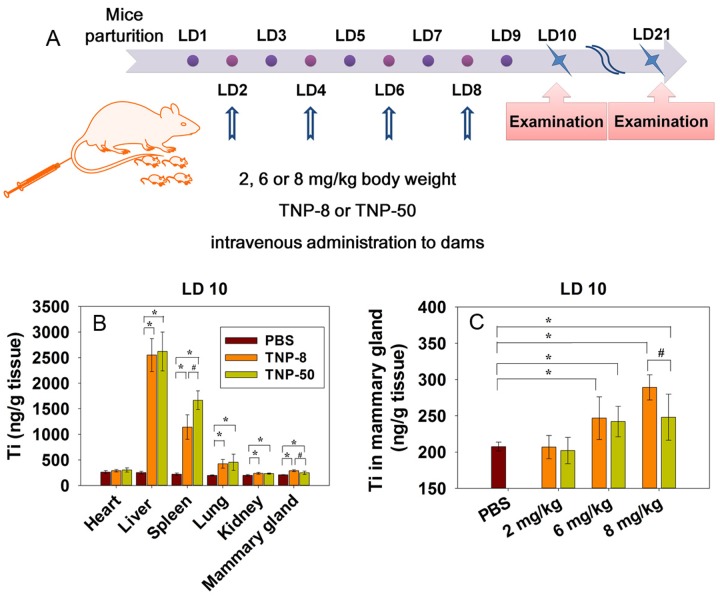
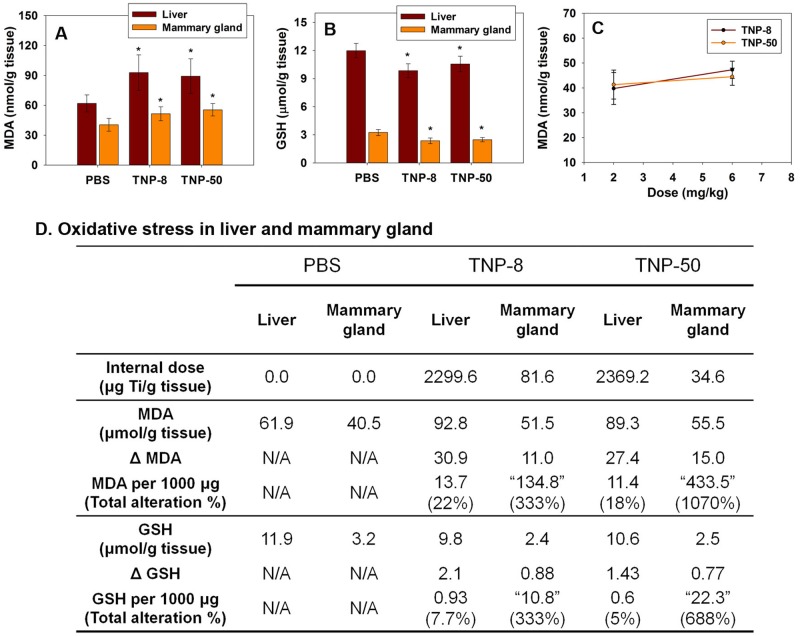
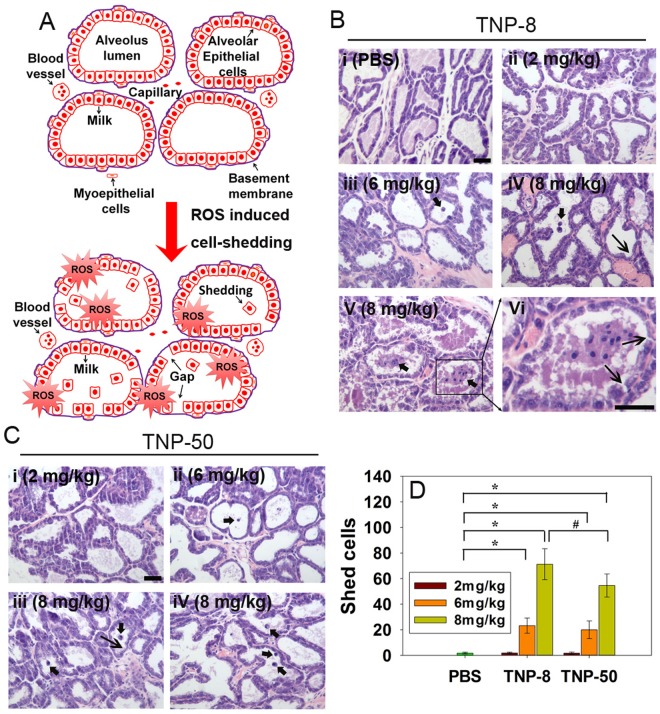
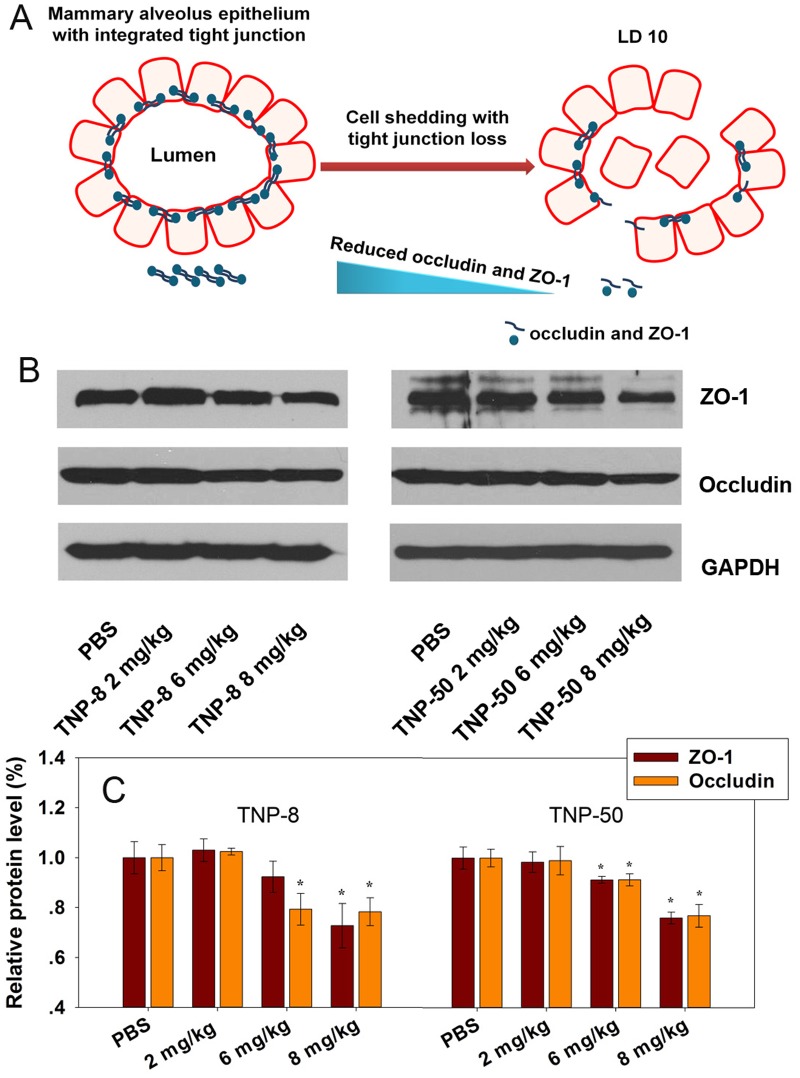
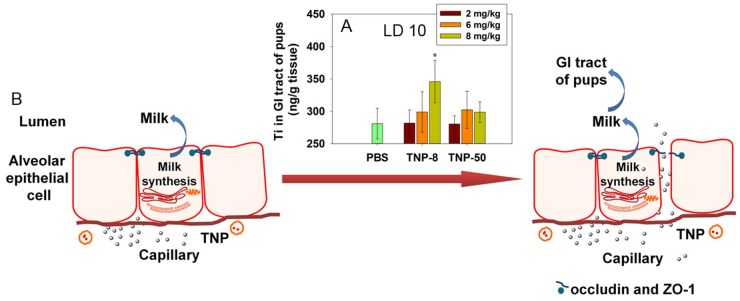
This study aims to investigate the potential nanotoxic effects of TiO2 nanoparticles (TNPs) to dams and pups during lactation period. TiO2 nanoparticles are accumulated in mammary glands of lactating mice after i.v. administration. This accumulation of TiO2 NP likely causes a ROS-induced disruption of tight junction of the blood-milk barrier as indicated by the loss of tight junction proteins and the shedding of alveolar epithelial cells. Compared to larger TNPs (50 nm), smaller ones (8 nm) exhibit a higher accumulation in mammary glands and are more potent in causing perturbations to blood-milk barrier. An alarming finding is that the smaller TNPs (8 nm) are transferred from dams to pups through breastfeeding, likely through the disrupted blood-milk barrier. However, during the lactation period, the nutrient quality of milk from dams and the early developmental landmarks of the pups are not affected by above perturbations.
本研究旨在调查哺乳期二氧化钛纳米颗粒(TNPs)对母鼠和幼崽的潜在纳米毒性作用。静脉注射后,二氧化钛纳米颗粒在哺乳期小鼠的乳腺中积累。如紧密连接蛋白的丧失和肺泡上皮细胞的脱落所示,二氧化钛纳米颗粒的这种积累可能导致活性氧诱导的血乳屏障紧密连接破坏。与较大的TNPs(50纳米)相比,较小的TNPs(8纳米)在乳腺中表现出更高的积累,并且在引起血乳屏障紊乱方面更具效力。一个令人担忧的发现是,较小的TNPs(8纳米)通过母乳喂养从母鼠转移到幼崽,可能是通过被破坏的血乳屏障。然而,在哺乳期,母鼠乳汁的营养质量和幼崽的早期发育里程碑不受上述干扰的影响。